rigging safety

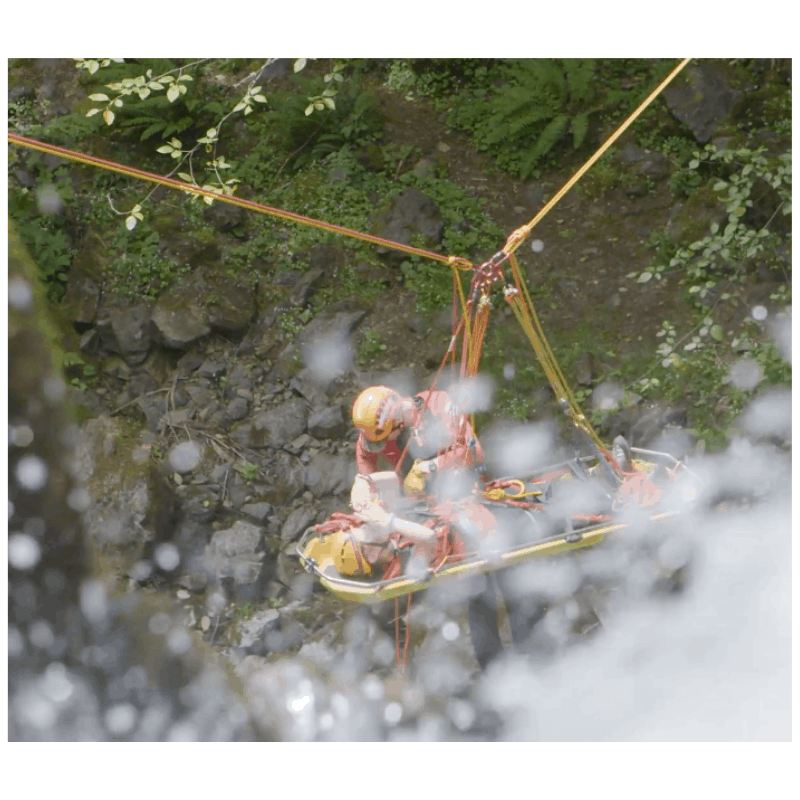
two tension rope systems

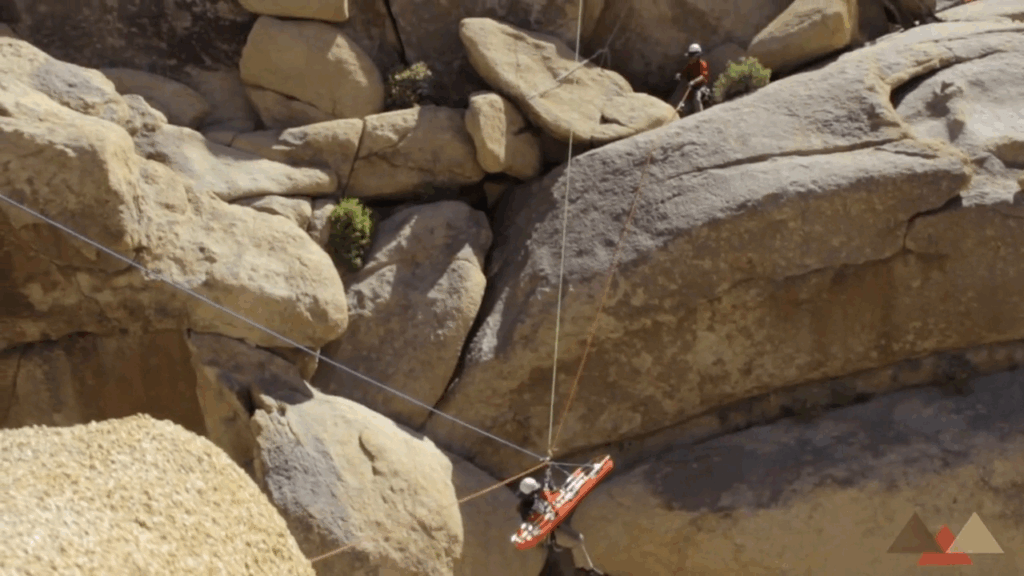
Twin Tension Systems in Horizontal Tracks for Rope Rescue

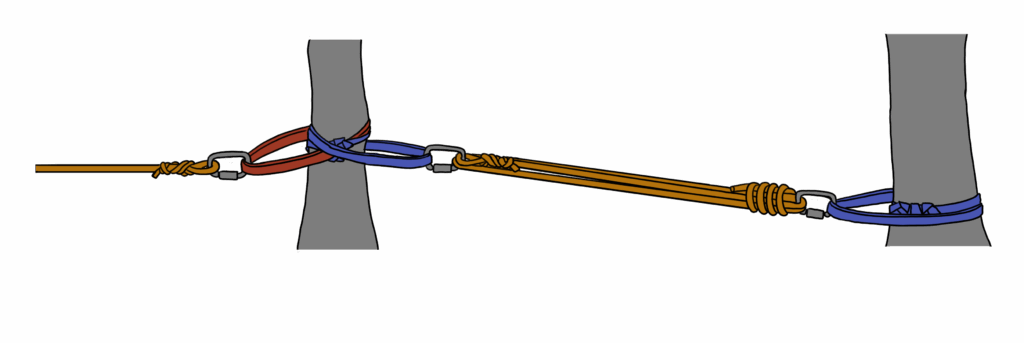
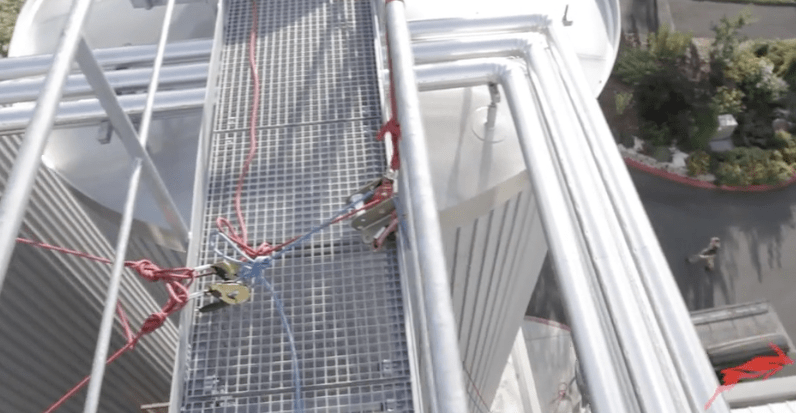
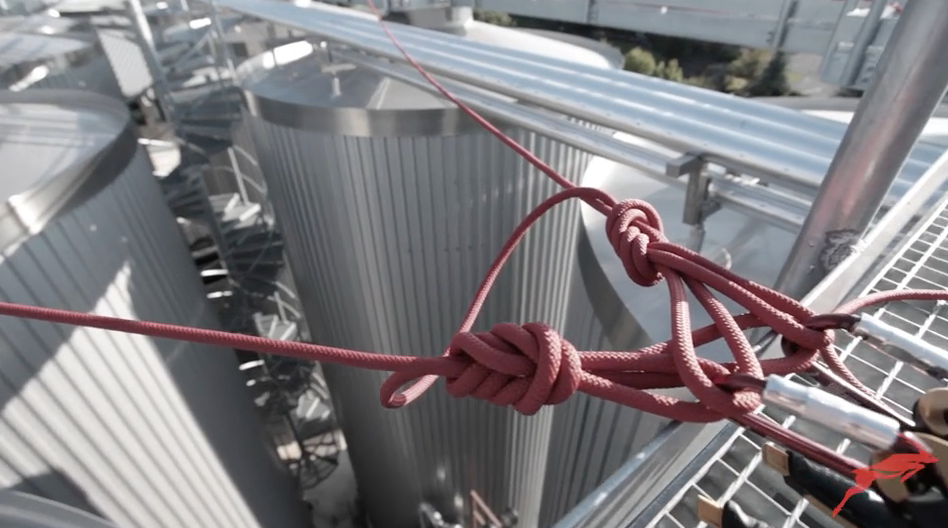
Twin Tension Systems in Horizontal Tracks for Rope Rescue When a litter is moved across a horizontal track line, rescuers are managing one of the most demanding rigging challenges in rope rescue. Forces on anchors are amplified by sag angle, span length, and live load movement. Traditional single-line tracks rely on one rope for the […]

Twin Tension Systems in Horizontal Tracks for Rope Rescue Read More »

better or best anchors

Slack Anchors

Slack Anchors Slack anchor systems are commonly used in rope access, though they appear in other rescue environments as well. Their appeal lies in simplicity—and in many rope access situations, where dynamic loading or sudden failure is rare, slack anchors are entirely appropriate. However, simplicity doesn’t mean simplicity of thought. These anchors require purposeful alignment,

Slack Anchors Read More »

2 point anchors

Two-Point Load-Distributing System

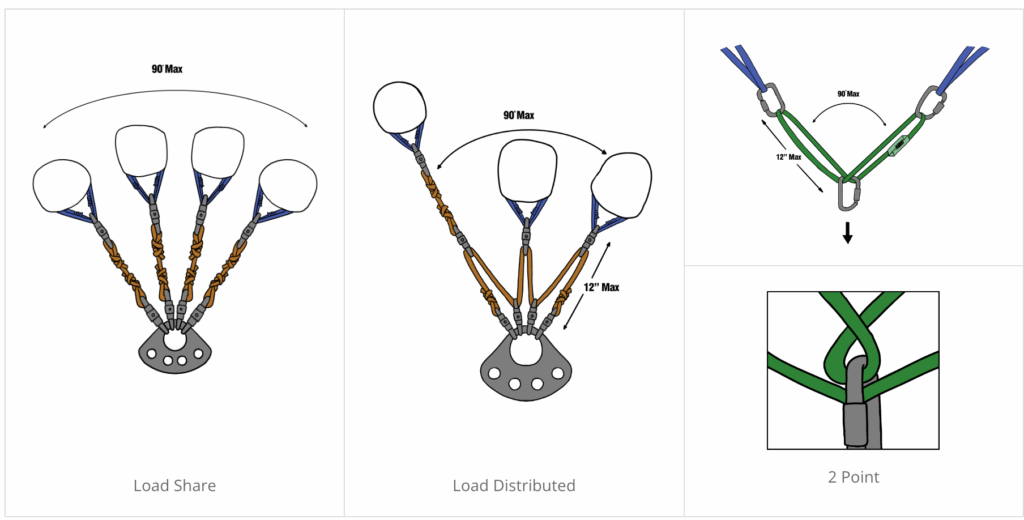
Two-Point Load-Distributing System In rope rescue and rigging, the two-point load-distributing system is a core strategy for building safety and stability into anchor setups. When only two viable anchor points are available, this system allows for even force distribution—reducing the strain on each point and protecting against sudden failure. The system is simple in concept

Two-Point Load-Distributing System Read More »

Understanding Load-Sharing Anchor Systems

Understanding Load-Sharing Anchor Systems

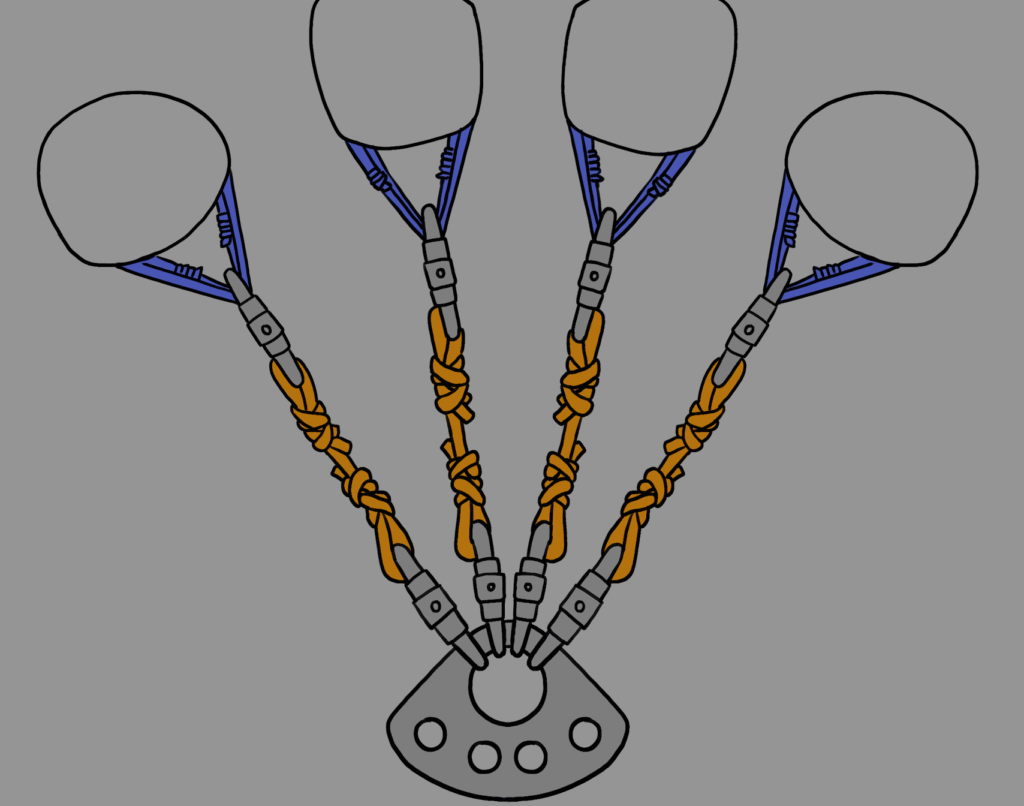
Understanding Load-Sharing Anchor Systems In technical rigging and rope rescue, a load-sharing anchor system is a go-to solution when safety and redundancy are non-negotiable. These systems are designed to distribute force across multiple anchor points, ensuring that no single point bears the entire load. This balanced approach not only improves stability but also prepares the

Understanding Load-Sharing Anchor Systems Read More »

metacognition in rope rescue

Metacognition in Rigging and Rescue Operations

Metacognition, Knowledge, and Perception in Rigging and Rescue Operations Trigger Warning! – This course (to some) reads like the Tao Te Ching or Ancient Proverbs. Leadership is not solely achieved through age, promotions, or certifications – although these elements may be part of the leadership journey. True leaders will see authority in the lowliest of

Metacognition in Rigging and Rescue Operations Read More »

Rope Rescue Safety Essentials

Rope Rescue Safety Essentials

Rope Rescue and Rigging: Safety, Standards, and Systematic Approaches In rope rescue and rigging, safety is paramount. Understanding the intricacies of safety standards, system dynamics, and equipment functionality ensures effective and secure operations. While training scenarios may allow for slightly lower safety standards due to controlled environments, they must still adhere to rigorous protocols to

Rope Rescue Safety Essentials Read More »

Four Burners Theory

The Four Burners Theory in Rope Rescue

The Four Burners Theory in Rope Rescue and Rigging The Four Burners Theory, a metaphor often used to represent the balancing act between personal and professional priorities, has valuable implications in rope rescue and rigging. Just as in life, achieving optimal performance in rigging operations requires strategic focus, resource allocation, and disciplined decision-making. By applying

The Four Burners Theory in Rope Rescue Read More »

Vector Addition in Rigging - Vectors, Scalars, and Mechanical Advantage

Vectors Scalars and Mechanical Advantage

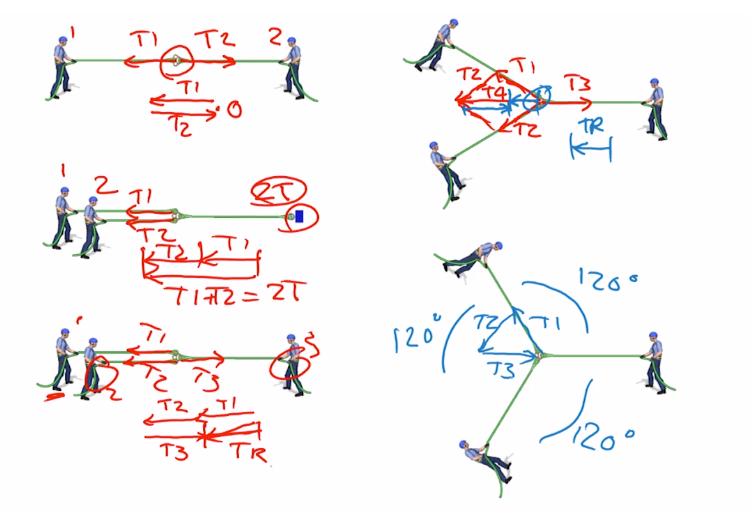
Understanding Vectors, Scalars, and Unitless Values in Rope Rescue Systems In rope rescue and haul systems, mastering the concepts of vectors, scalars, and unitless values is essential for calculating mechanical advantage and ensuring safe operations. Each plays a unique role in analyzing and optimizing rescue setups, helping rescuers balance efficiency, safety, and system design. Vectors

Vectors Scalars and Mechanical Advantage Read More »

Staggering Rigging Anchors for Efficiency

Staggering Rigging Anchors for Efficiency

The Benefits and Considerations of Staggering Rigging Anchors Staggering rigging anchors is a highly effective technique for distributing the mechanical advantage system across a wider area, improving efficiency, and minimizing resets. However, while this method has clear benefits, it also comes with challenges that must be addressed to ensure safety and functionality in rigging operations.

Staggering Rigging Anchors for Efficiency Read More »

A Mechanical Advantage Overview

A Mechanical Advantage Overview

A Mechanical Advantage Overview In the world of technical rescue and rigging, mechanical advantage (MA) is a fundamental principle that transforms raw effort into efficient, effective power. Whether you’re hauling a stretcher up a vertical cliff face or lowering equipment into a confined space, understanding mechanical advantage is crucial to creating systems that perform reliably

A Mechanical Advantage Overview Read More »

visualizing resultants in rigging

Visualizing Resultants in Rigging

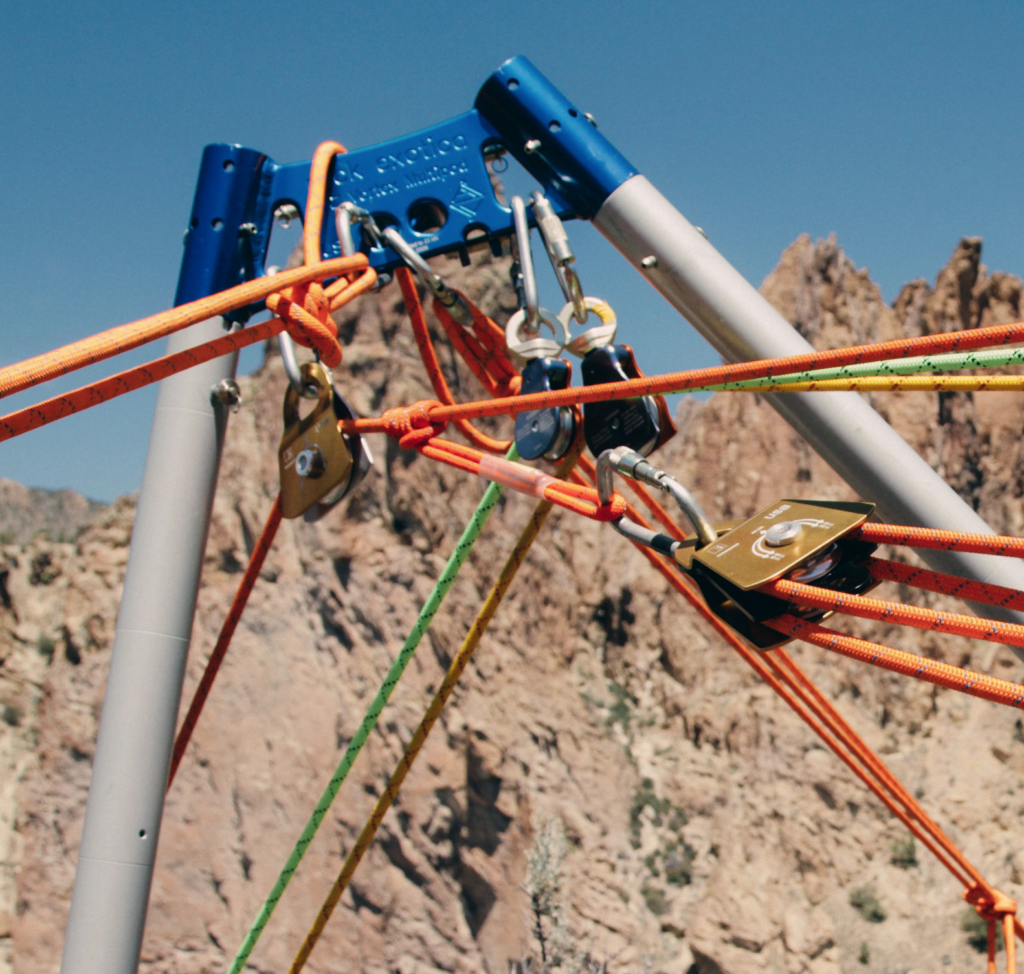
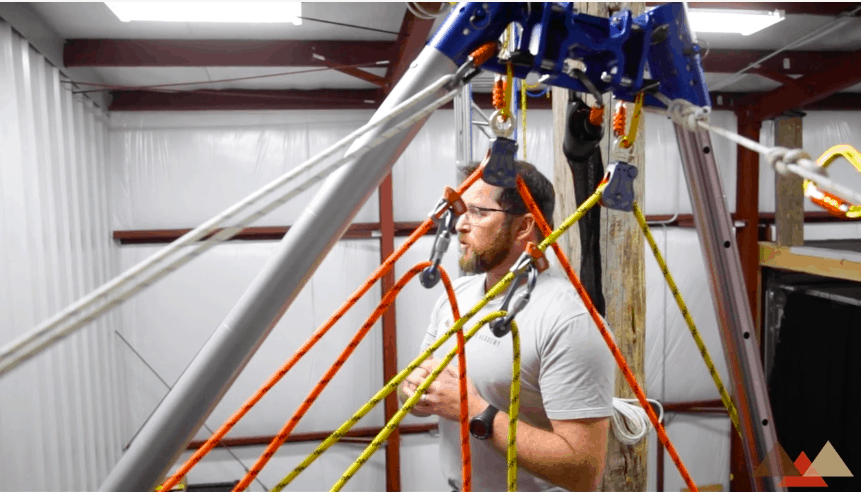
Visualizing Resultants and Maintaining Stability in Rigging Systems Excerpt from “A Guide to Artificial High Directionals & Two-Tension Rope Systems” Rigging stability is both an art and a science. Ensuring your system remains stable requires careful consideration of forces, resultants, and the tools available to manage them. Whether you’re deploying artificial high directionals (AHDs) like

Visualizing Resultants in Rigging Read More »

Tools vs Knowledge

Tools vs Knowledge

Tools vs. Knowledge: Which Matters More in Rigging and Rescue? In technical rescue and rigging, the debate over the importance of tools versus knowledge is a frequent topic of discussion. While tools—such as carabiners, pulleys, and ropes—are essential for the work, they are inanimate objects that require the wisdom, understanding, and experience of the user

Tools vs Knowledge Read More »