rigging physics

What Does Your Anchor Actually See? TMA vs. PMA Explained

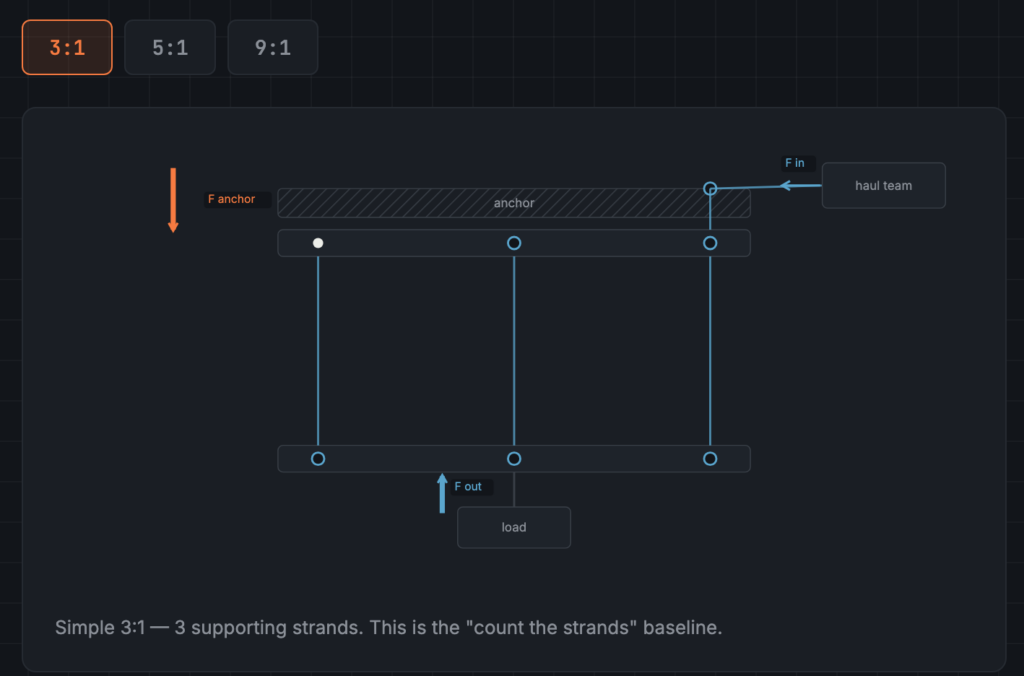
If you can count strands, you can pass a written test. Three strands running to the load, call it a 3:1, done. That’s the answer every student gives, and it’s not wrong — it’s just not the question that matters. The question that matters is the one nobody asks in class: what does the anchor

What Does Your Anchor Actually See? TMA vs. PMA Explained Read More »
highline reeving behavior

Highline Force Behavior

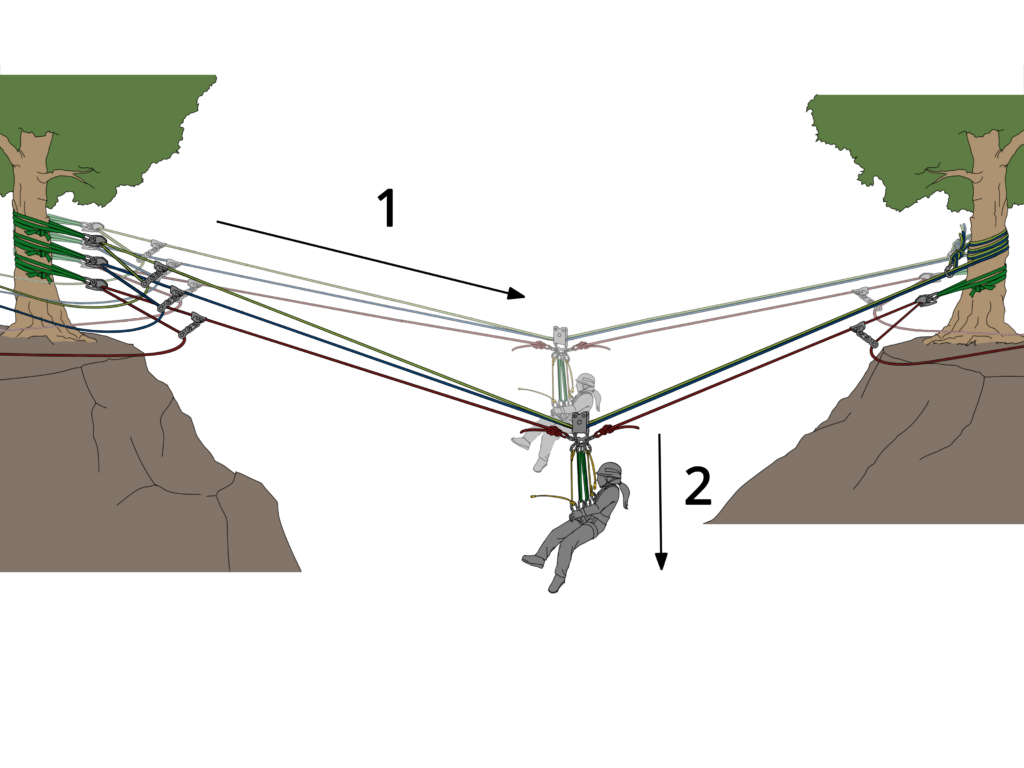
Highline systems do not fail because of components—they fail because of misunderstood force behavior. Every decision made during setup affects how force moves through the system. Tension, sag, and load distribution are not separate ideas—they are the same system viewed from different angles. If you understand how force behaves, you can predict system performance. If

Highline Force Behavior Read More »

Using Vortex as Aerial Ladder

Using Vortex as Aerial Ladder

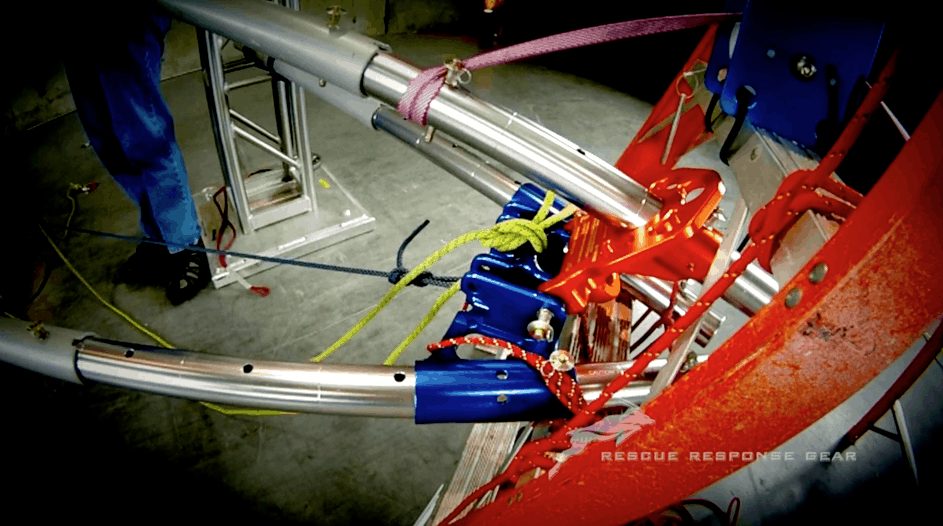
Using an Arizona Vortex as a Mock Aerial Ladder for Study Purposes Aerial ladders are a staple in technical rescue, offering height, leverage, and adaptability in various scenarios. However, the complexity of forces acting on these structures requires a deep understanding of physics to ensure safety and effectiveness. To explore these dynamics, Rigging Lab Academy

Using Vortex as Aerial Ladder Read More »