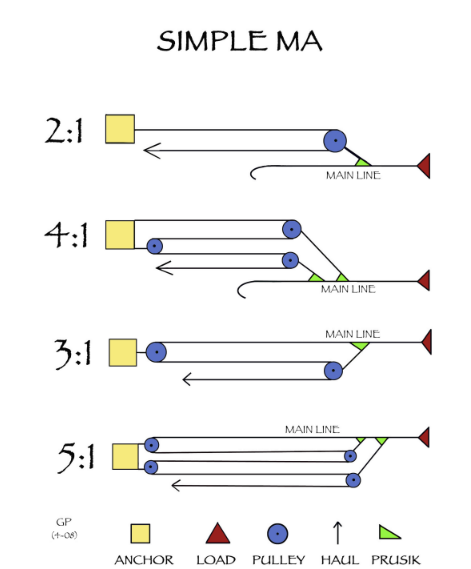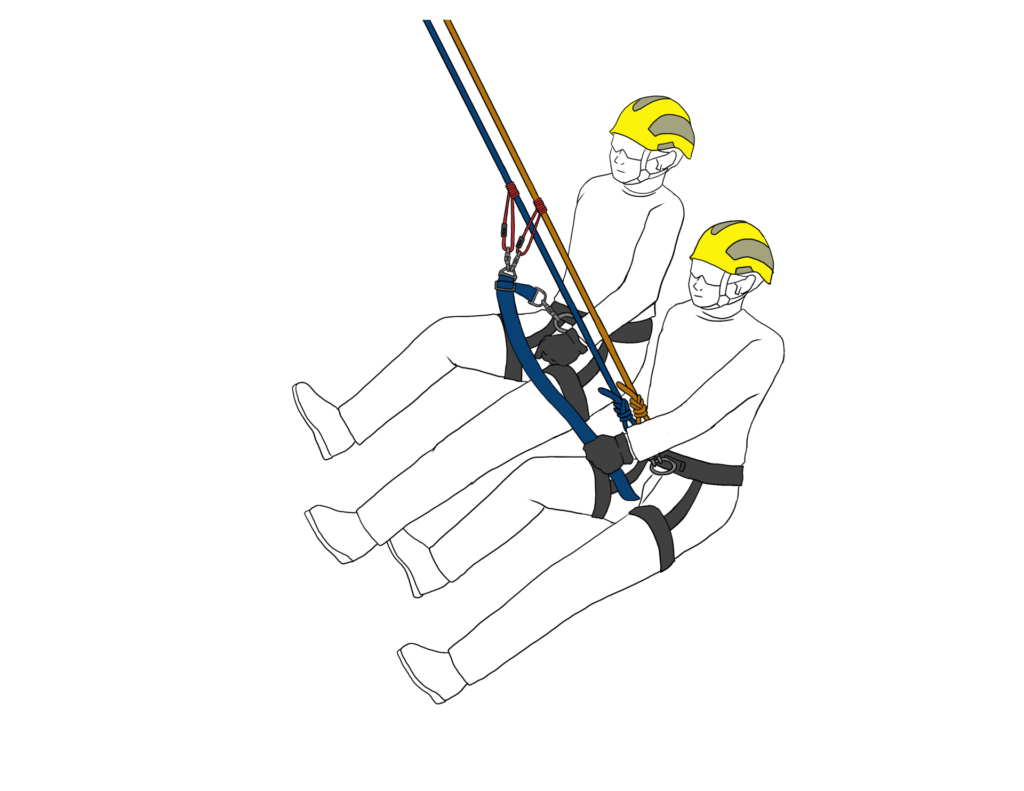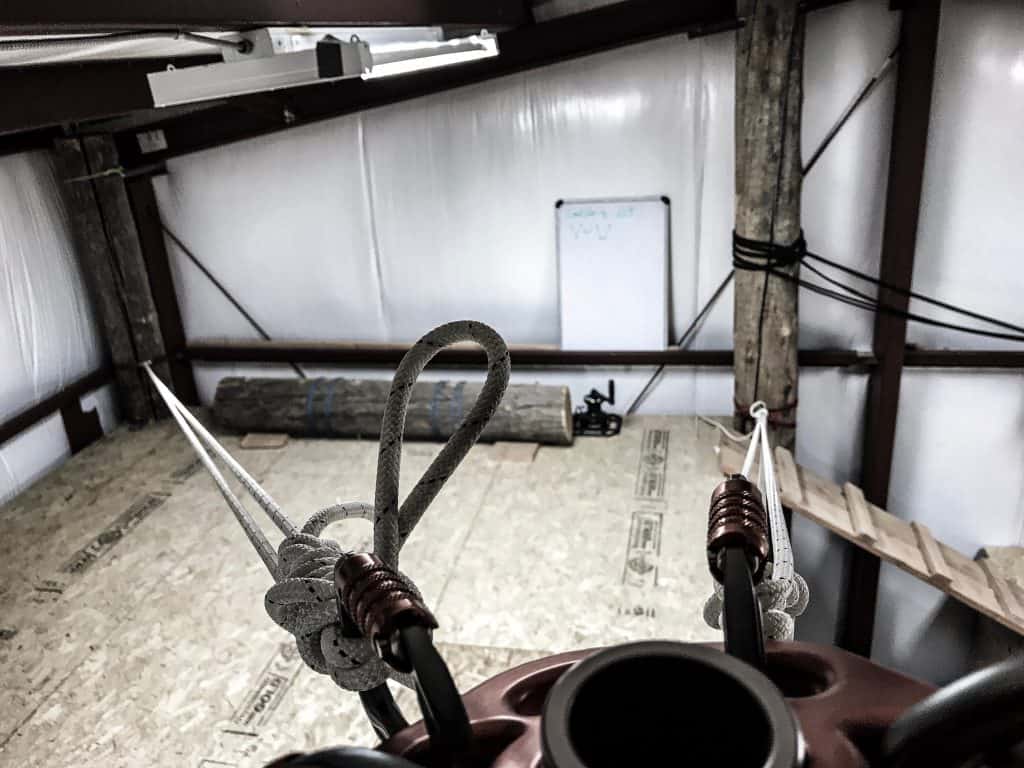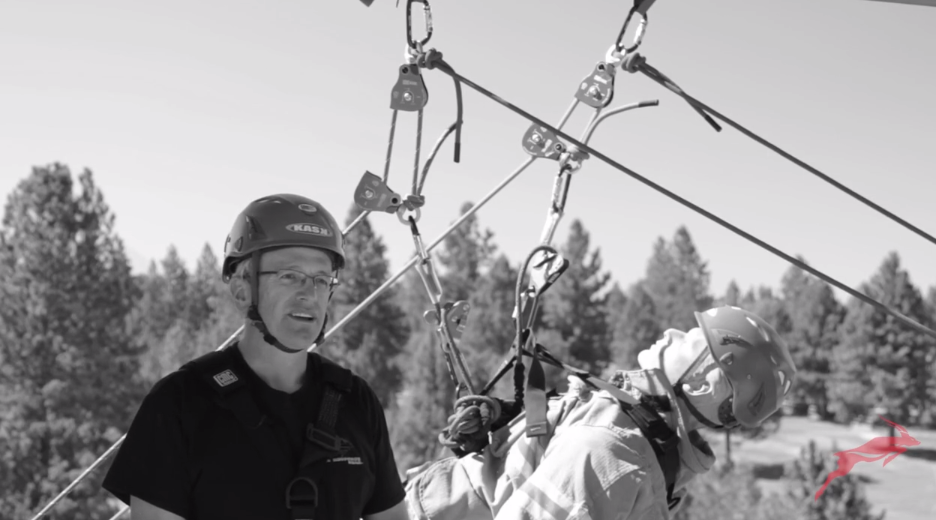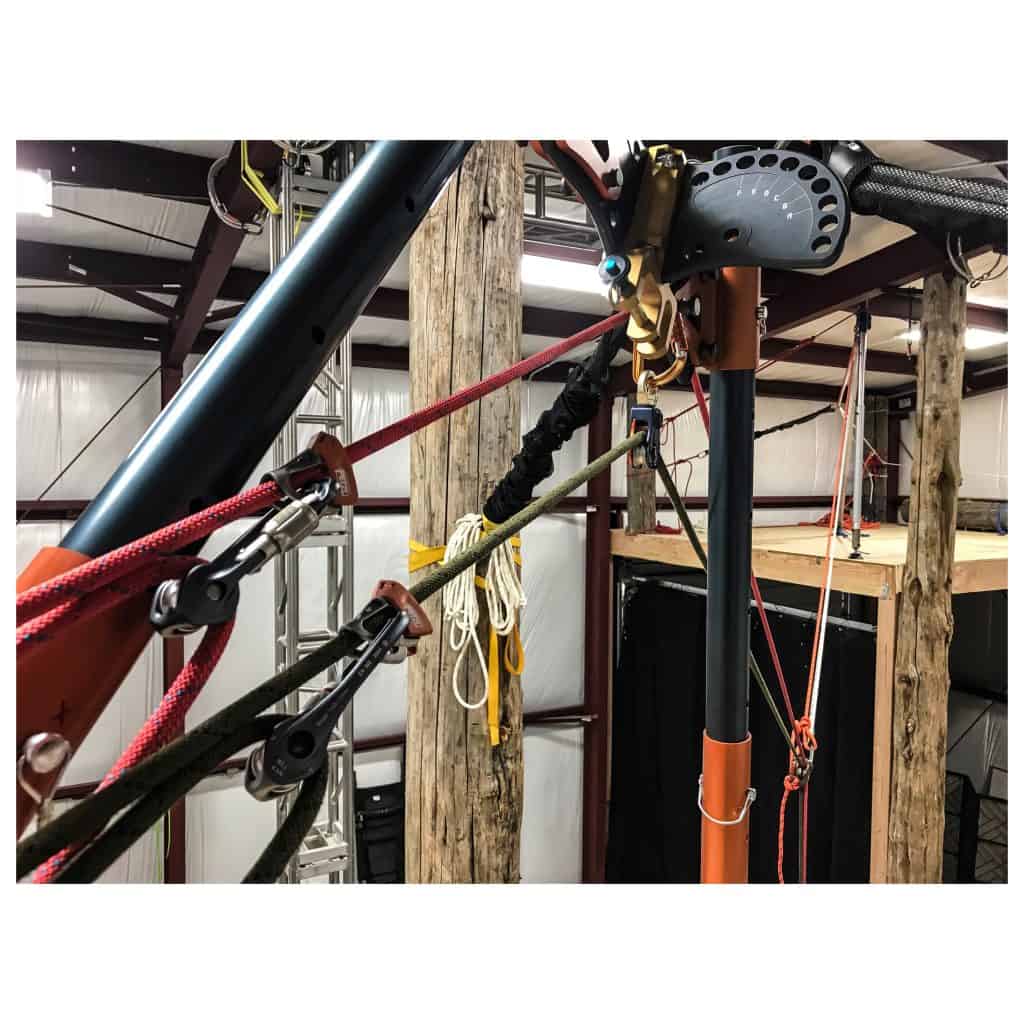

mechanical advantage

Mastering Horizontal Lifts and Pickoff Rescues in Rope Rigging

Horizontal Lifts and Pickoffs in Rope Rescue

Mastering Horizontal Lifts and Pickoffs in Rope Rescue Rescue professionals are constantly refining their techniques to handle challenging scenarios efficiently. Two fundamental operations in technical rescue—horizontal lifts and pickoffs—demand precision, coordination, and a deep understanding of rigging principles. Whether you’re an instructor preparing a course or a team leader refining skills, mastering these methods ensures […]

Horizontal Lifts and Pickoffs in Rope Rescue Read More »

Litter Operations and Patient Evacuation

Litter Operations and Patient Evacuation

Litter operations are the backbone of modern rope rescue teams, embodying the precision and care required to transport injured patients across challenging terrains. Whether navigating steep cliffs, confined spaces, or uneven wilderness, the ability to package and safely maneuver a patient in a litter is a defining skill for any team dedicated to rescue excellence.

Litter Operations and Patient Evacuation Read More »

Span Anchors in Rope Rescue - 3 essential skills every rope rescue student must master

3 Essential Skills Every Rope Rescue Student Must Master

3 Essential Skills Every Rope Rescue Student Must Master Rope rescue is a high-risk, high-reward discipline where failure is not an option. Whether you’re performing a rescue or training for one, there are 3 essential skills every rope rescue student must master to ensure safety and success. These core competencies—anchors, mechanical advantage systems, and critical

3 Essential Skills Every Rope Rescue Student Must Master Read More »

twin tension system built via richard delaney - Determining Rigging Systems rescue response gear and rigging lab academy

Determining Rigging Systems Based on the Gear You Have

Determining Rigging Systems Based on the Gear You Have When it comes to rigging, necessity is often the driving force behind simplicity. Whether you’re tackling a challenging scenario or preparing for a technical rescue, the success of your rigging system depends entirely on the gear you have at your disposal. This raises a crucial question

Determining Rigging Systems Based on the Gear You Have Read More »

Span Anchors vs Traditional Anchors

Span Anchors vs. Traditional Anchors

Span Anchors vs. Traditional Anchors In technical rope rescue, choosing the right anchor system is critical. Span anchors and traditional anchors serve different purposes, each with its advantages and limitations. Understanding these differences will help rescue teams determine the best solution for their specific challenges. Key Differences Between Span Anchors and Traditional Anchors Setup Complexity

Span Anchors vs. Traditional Anchors Read More »

A 2 Rope System Comparison

A 2 Rope System Comparison

The Evolution of Rope Access: Traditional Systems vs. Emerging Twin Primary Systems Rope access techniques are foundational to safe and efficient at-height work, whether in industrial settings, arborist operations, or rescue scenarios. Over time, the field has seen shifts in methodology and equipment, with emerging systems challenging traditional setups. In this blog, we explore the

A 2 Rope System Comparison Read More »

high-angle-rescues

High Angle Rescues

Precision Techniques for High Angle Rescue Operations High-angle rescue operations require a precise blend of strategy, skill, and reliable equipment to ensure the safe and efficient transition of loads such as litters. Whether raising or lowering a load over a challenging edge, artificial high directionals (AHDs), rope systems, and mechanical advantage setups play a pivotal

High Angle Rescues Read More »

Mastering Mainline Systems

Mastering Mainline Systems

Mastering Mainline Systems Mastering Mainline Systems is about having the ability to effectively raise and lower a mainline system is essential in rescue operations, where safety, efficiency, and control are paramount. At the heart of this capability lies a deep understanding of system design, pre-planning, and mechanical principles. Mastery of these elements ensures not only

Mastering Mainline Systems Read More »

CSR2 Pulley System

CSR2 Pulley System for Confined Space Rescue

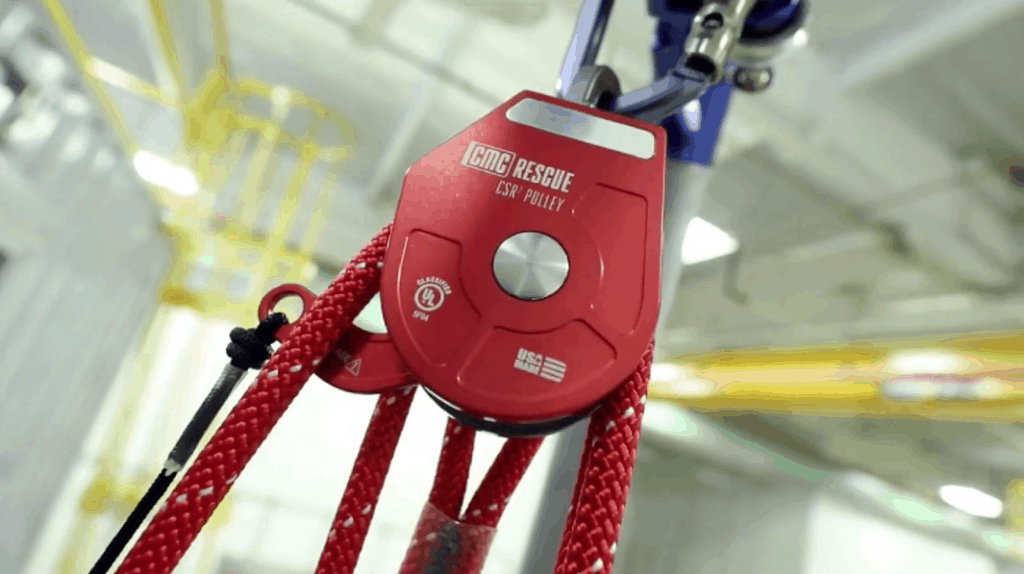
Confined Space Rescue (CSR): Navigating Tight Quarters with Precision Confined space rescues are among the most challenging scenarios faced by rope rescue professionals. Limited access, restricted movement, and the need for precise rigging all combine to demand an advanced level of skill and specialized equipment. In such environments, the CSR2 Pulley System emerges as a

CSR2 Pulley System for Confined Space Rescue Read More »

Petzl Tibloc: A Mechanical Prusik

A Mechanical Prusik

Petzl Tibloc: A Mechanical Prusik Revolutionizing Rope Systems The Petzl Tibloc is a compact, lightweight mechanical rope-grabbing device often regarded as a mechanical Prusik. Its efficiency, ease of use, and versatility make it a valuable tool for rescue professionals, climbers, and technical riggers. This article explores how the Tibloc functions, its applications in mechanical advantage

A Mechanical Prusik Read More »

Prusik Hitches in Mechanical Advantage

Prusik Hitches in Mechanical Advantage

Understanding Prusik Hitches in Mechanical Advantage Systems: Friction, Efficiency, and Real-World Use The Prusik hitch is a fundamental tool in technical rope systems, renowned for its simplicity, versatility, and reliability. However, its use in mechanical advantage (MA) systems often sparks debate, particularly around the topic of friction and efficiency. This article delves into the nuances

Prusik Hitches in Mechanical Advantage Read More »

Friction in Mechanical Advantage - Mainline Rescue and Rigging Training

Friction in Mechanical Advantage

Friction in Mechanical Advantage Systems Friction is an unavoidable yet often underestimated factor in mechanical advantage (MA) systems. While MA systems are designed to amplify force, the presence of friction can significantly diminish their theoretical efficiency. Understanding how friction arises, its impacts, and methods to mitigate it is crucial for ensuring the success and safety

Friction in Mechanical Advantage Read More »

CMC Capto vs Prusik

CMC Capto vs Prusik

CMC Capto vs. Prusik: A Comprehensive Comparison When assembling a rope rescue system, choosing the right tools can significantly affect efficiency, safety, and versatility. Among the most debated tools in rope rescue are the CMC Capto and the Prusik Knot. Both have their merits and limitations, but how do they stack up against each other

CMC Capto vs Prusik Read More »

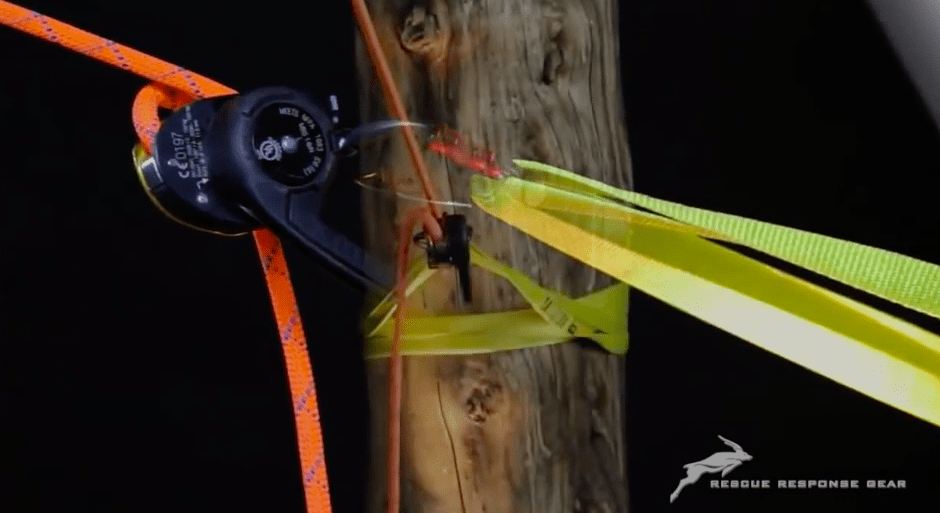
The CMC Capto’s ability to streamline complex systems while ensuring safety makes it an invaluable tool for modern rope rescue operations. Rescucender vs Capto vs Prusik

Mechanical Ascenders vs. Prusik Knots

Mechanical Ascenders vs. Prusik Knots When constructing rope rescue systems, particularly those involving 3:1 mechanical advantage setups, rescuers often choose between mechanical devices like the Petzl Rescucender or CMC Capto and the versatile Prusik Knot. Each has distinct advantages and limitations, and the choice depends on the specific demands of the operation. Let’s explore these

Mechanical Ascenders vs. Prusik Knots Read More »

Anchors TTRS and Hauling Systems

Anchors TTRS and Hauling Systems

Understanding anchors, Tensioned Twin Rope Systems (TTRS), and hauling systems isn’t just about rigging; it’s about safety, efficiency, and adaptability in high-pressure situations. These systems form the backbone of rescue and rigging operations, ensuring stability and control when it matters most. 1. Anchors: The Bedrock of Stability A strong anchor is the foundation of every

Anchors TTRS and Hauling Systems Read More »

Mastering Knot Passing in Rigging- Pulleys and PCDs ensure safety in MA systems. Discover fixed/movable pulleys and progress capture devices for controlled rescues.

Pulleys and Progress Capture Devices

Mechanical Advantage Systems in Rescue Operations: The Role of Pulleys and Progress Capture Devices In the world of rescue operations, pulleys and progress capture devices (PCDs) play essential roles in ensuring safety, control, and efficiency. Pulleys redirect and multiply forces, making lifting possible with reduced effort, while PCDs ensure that the load remains stable, preventing

Pulleys and Progress Capture Devices Read More »

Mechanical Advantage Systems

Complex Mechanical Advantage Systems

Complex Mechanical Advantage Systems Complex MA systems are essential for heavy-load rescue situations, where substantial lifting power is needed. These systems utilize compound configurations, where multiple MA setups work together to multiply force, or intricate arrangements, where pulleys operate at different speeds and directions relative to the load. Types of Complex MA Systems Compound Systems:

Complex Mechanical Advantage Systems Read More »

Basic mechanical advantage systems enable efficient lifting with simple pulleys. Learn the essentials of the 3:1 Z-rig for safe rescues - How is Weight Redistributed Through a 3:1 Mechanical Advantage System? - Eccentric Progress Capture in Mechanical Advantage Systems

Basic Mechanical Advantage Systems in Rescue Operations

Basic Mechanical Advantage Systems & Simple Pulley Setups For many rescue scenarios, simplicity is key. Basic MA systems, like the 3:1 “Z-rig,” use straightforward pulley configurations to achieve force multiplication. The Z-rig setup resembles a “Z” shape and can effectively reduce the amount of effort needed to lift a load. For instance, applying 100 pounds

Basic Mechanical Advantage Systems in Rescue Operations Read More »

Dynamic directional offset system

Real-World Applications of Knots and Force Multipliers

In rope rescue, the true test of skills comes in real-world applications where every knot and force-multiplying system plays a critical role. Whether in fire service or search and rescue (SAR), the stakes are high, and the right choice of knots and force multipliers can mean the difference between success and failure. This final part

Real-World Applications of Knots and Force Multipliers Read More »

Knots and Force Multipliers in Anchor Systems

Knots and Force Multipliers in Anchor Systems

In rope rescue, setting up reliable high-directional and anchor systems is essential for managing complex scenarios and ensuring safety. Knots play a crucial role here, not only in securing anchors but also in optimizing force multipliers that allow rescuers to operate efficiently and effectively. For fire service and SAR teams, choosing the right knot for

Knots and Force Multipliers in Anchor Systems Read More »