mechanical advantage

Debunking the myth of parallel mechanical advantage

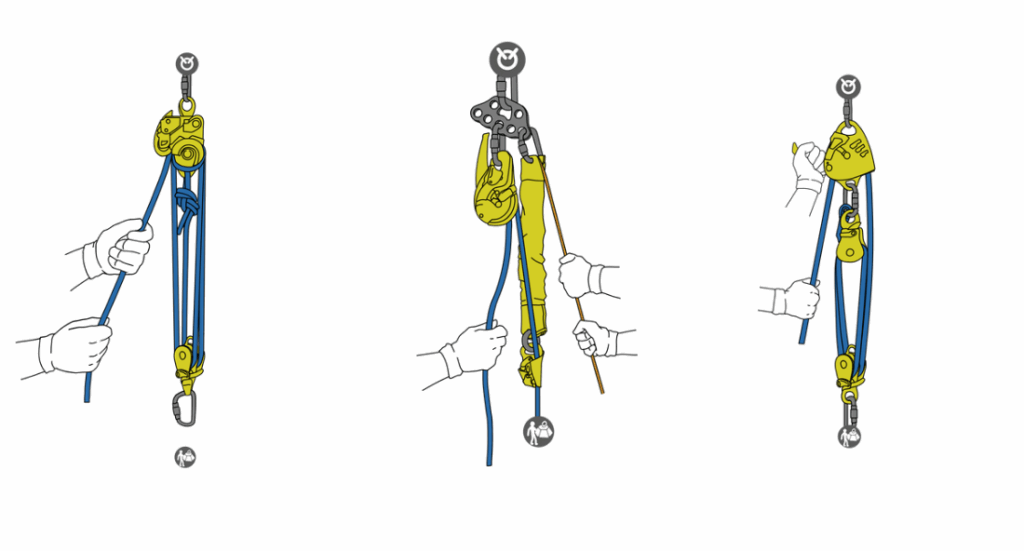
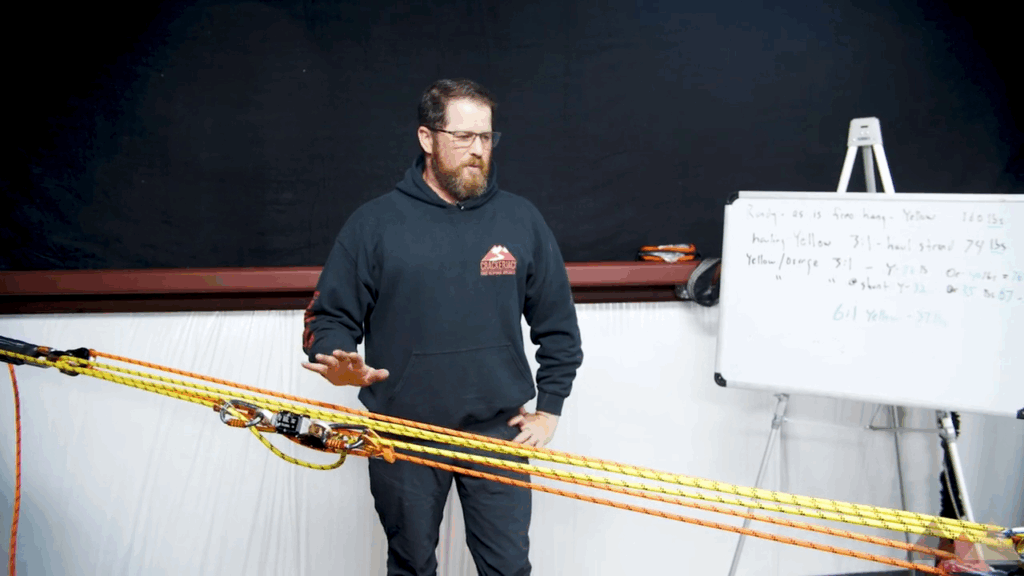
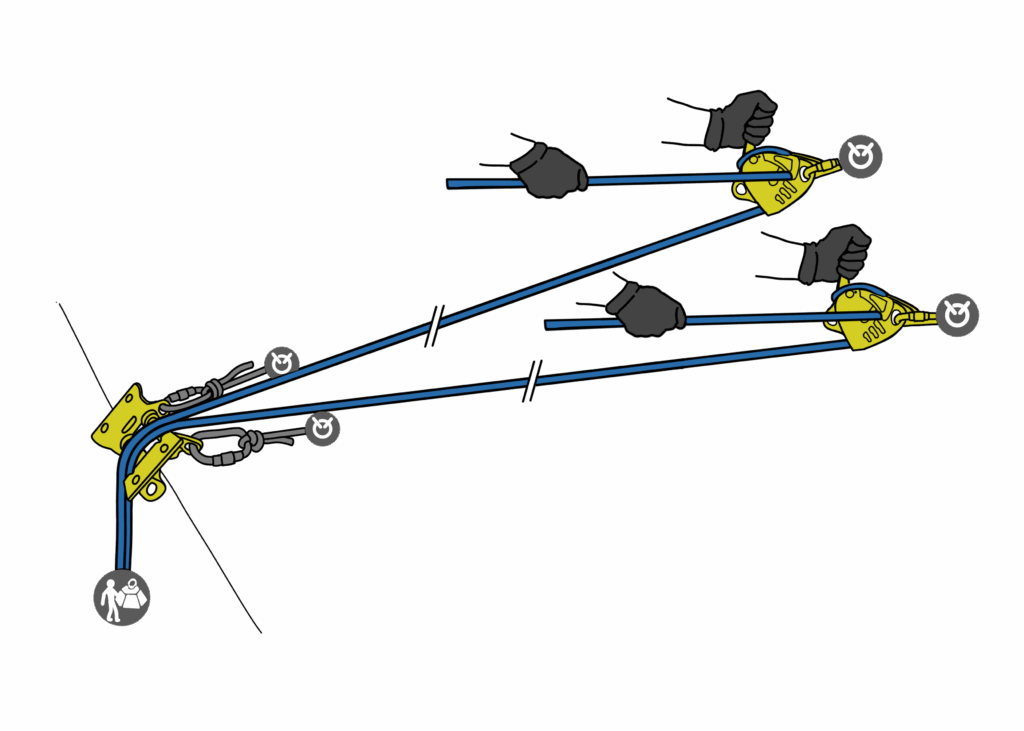
Why Parallel Haul Systems Don’t Double Mechanical Advantage in Rope Rescue

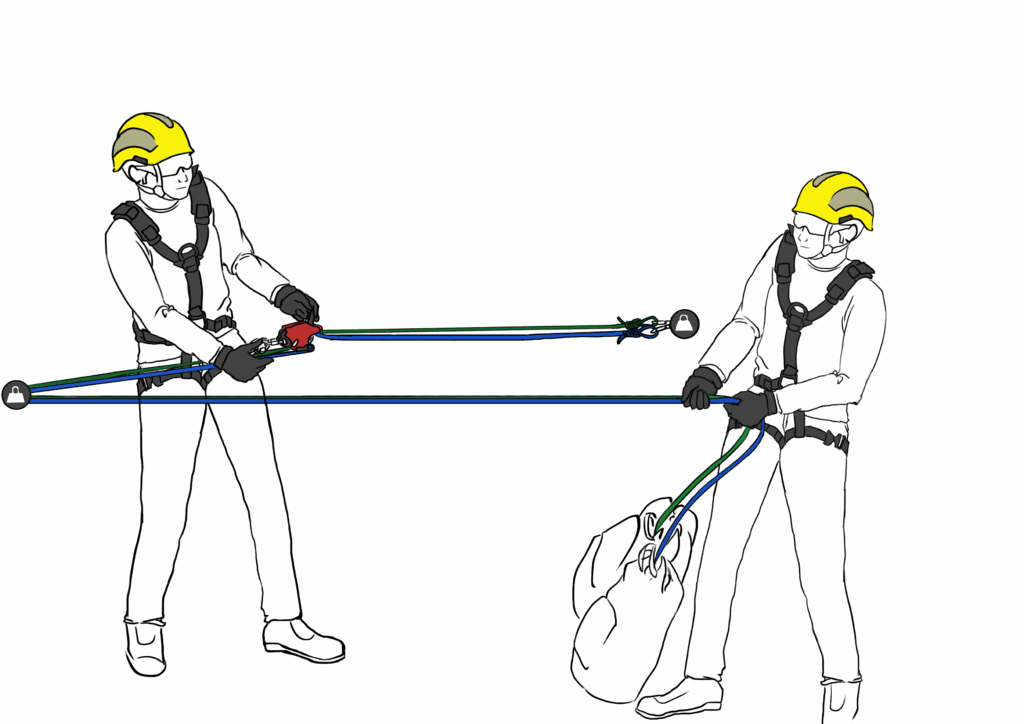
Debunking the Myth of Multiplying Mechanical Advantage In technical rope rescue, clarity and precision matter—especially when it comes to understanding mechanical advantage. One common belief that continues to circulate in the rescue and rigging world is that two parallel 3:1 systems hauling a single load equals a 6:1 advantage. It sounds intuitive. It looks clean […]

Why Parallel Haul Systems Don’t Double Mechanical Advantage in Rope Rescue Read More »

gin pole ahd rope rescue

Gin Pole AHD rope rescue

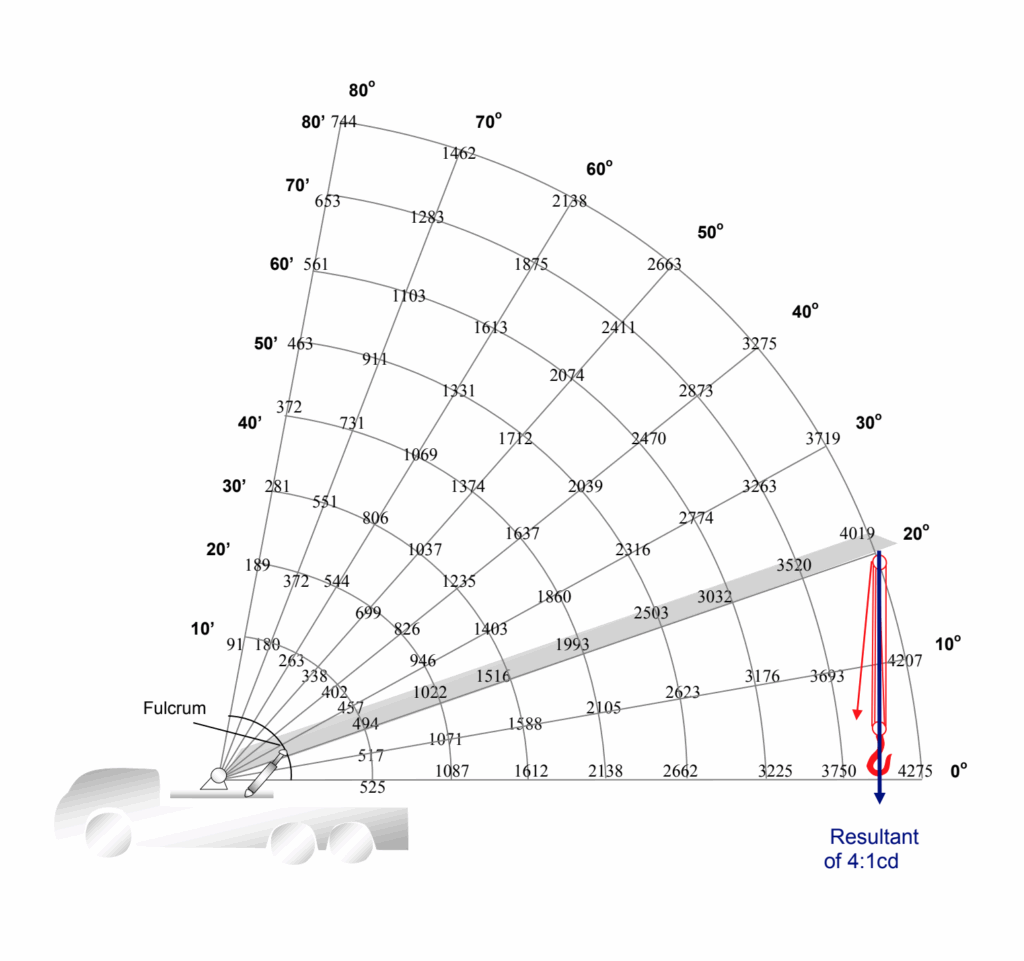
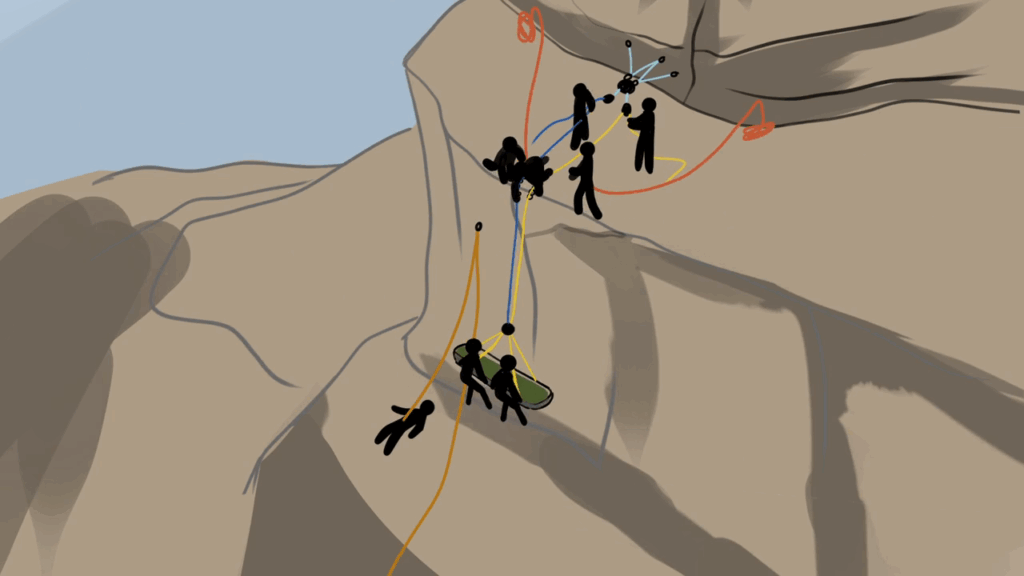
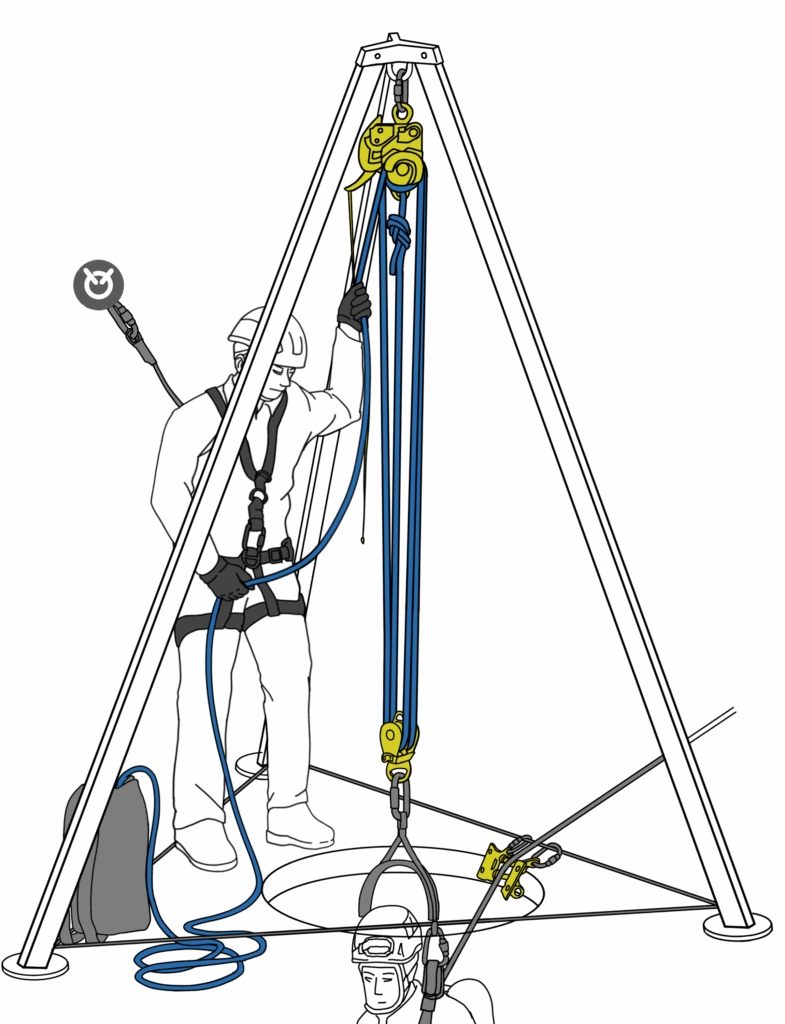
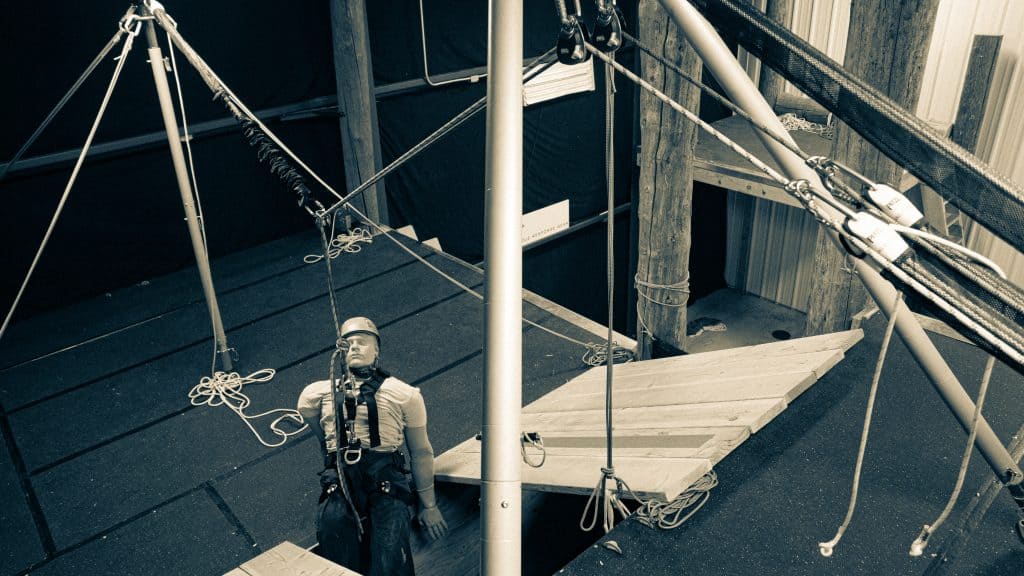
In rope rescue, artificial high directionals (AHDs) are force multipliers—not just for mechanical advantage, but for terrain navigation, edge management, and operational flow. Among the most versatile and efficient of these is the gin pole. Whether used in confined space, industrial tower rescue, or wilderness cliffside extractions, a properly configured gin pole offers clean vertical

Gin Pole AHD rope rescue Read More »

Single Tensioned Rope System Improves Efficiency with Controlled Backup

Single Tensioned Rope System Improves Efficiency with Controlled Backup

When every second counts—whether you’re lifting equipment or saving a life—your gear needs to perform flawlessly and without extra hassle. The single-tensioned rope system does just that: it relies on one primary line to carry the load and a secondary belay line that stays slack until the main rope gives way. This setup cuts down

Single Tensioned Rope System Improves Efficiency with Controlled Backup Read More »

Two Tensioned Rope System Enhances Lowering Safety

Two Tensioned Rope System Enhances Lowering Safety

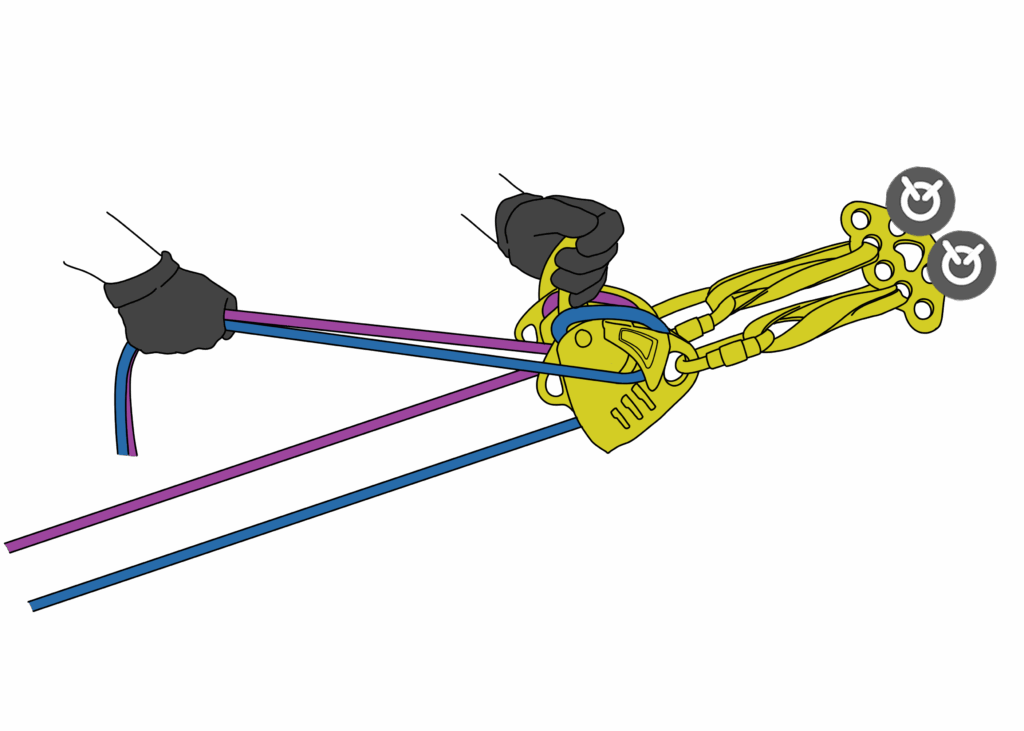
When lives—or critical equipment—must be lowered from lofty heights, there’s no room for compromise. Traditional single-line lowers place the full burden on one rope, one device, and one chance to get it right. The two tensioned rope system rewrites that script. By running two identical ropes—each through its own Maestro descender and edge protector—you gain

Two Tensioned Rope System Enhances Lowering Safety Read More »

two tensioned system raise sharing more equally

The Two-Tensioned Rope Raising System

The Two-Tensioned Rope Raising System In the high-stakes world of rope rescue and technical rigging, achieving safety and absolute control stands as our highest priority. When we need to move loads or personnel upward, the demands intensify, requiring systems that offer maximum security and efficiency. This brings us to the Two-Tensioned Rope System (TTRS), a

The Two-Tensioned Rope Raising System Read More »

Building Smarter Rope Rescue Systems

Building Smarter Rope Rescue Systems

In Building Smarter Rope Rescue Systems, operational excellence isn’t about having the newest gear or the biggest toolbox—it’s about knowing what you have, understanding how to use it, and continuously evolving the way you train and collaborate. Whether you’re part of a fire department, a mountain rescue team, or an industrial safety unit, the success

Building Smarter Rope Rescue Systems Read More »

Fitness in High-Angle Rescue-Intro to Rope Rescue and Rigging

Introduction to Rope Rescue and Rigging

Introduction to Rope Rescue and Rigging Rope rescue and rigging require a unique mix of precision, planning, and real-time problem-solving. For new responders, this skillset can feel overwhelming at first—but it doesn’t have to be. This two-day introductory course is designed to deliver a clear, structured foundation in rope-based operations. Whether you’re a firefighter, SAR

Introduction to Rope Rescue and Rigging Read More »

Two-Tension Rope Systems- Shock Absorbers in Dual Main Rope Systems

Shock Absorbers in Dual Main Rope Systems

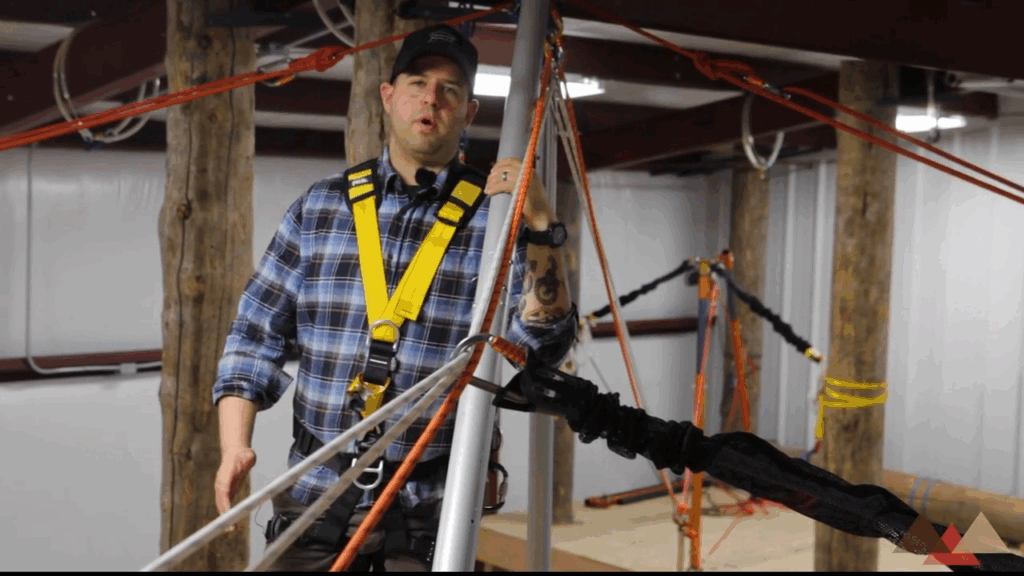
Shock Absorbers in Dual Main Rope Systems In the world of rope access, technical rescue, and industrial work-at-height, the adoption of dual main rope systems has become a gold standard for redundancy and safety. Yet, as systems become more robust, the nuances of energy management — particularly through the use of fall arrestor shock absorbers

Shock Absorbers in Dual Main Rope Systems Read More »

Challenges in Span Anchor Systems - Understanding Hidden Forces in Rope Access Rigging

Understanding Hidden Forces in Rope Access Rigging

(Not) Understanding Hidden Forces in Rope Access Rigging Is More Dangerous Than You Think In the world of rope access, what you don’t see can hurt you. Whether you’re managing a vertical access route, building an overhead tension system, or operating within an industrial tower rescue, understanding hidden forces in rope access rigging isn’t just

Understanding Hidden Forces in Rope Access Rigging Read More »

Embracing Imperfection in Training - Technical Rope Rescue Mastery - Framing the Rope Rescue Disciplines

Framing the Rope Rescue Disciplines

Framing the Rope Rescue Disciplines The world of rope rescue is broad, dynamic, and mission-critical. When emergencies strike in high-angle, remote, vertical, or industrial settings, rescuers don’t just rely on gear. They rely on fluency—not just in technique, but in environment-specific judgment. That’s where rope rescue training disciplines come into play. Whether you’re a firefighter,

Framing the Rope Rescue Disciplines Read More »

The Evolution of Rescue Rope Technology shows how today’s ropes are stronger, more reliable, and designed for the toughest missions - Understanding Force Concentration in Fixed Offset Systems

Understanding Force Concentration in Fixed Offset Systems

Understanding Force Concentration in Fixed Offset Systems Understanding Force Concentration in Fixed Offset Systems in rescue and rope access operations, redirects and deflections is pretty darn important—but few realize just how dramatically these setups affect force distribution. Understanding where, how, and why force concentrates in offset and deflected systems is critical for building safe, efficient

Understanding Force Concentration in Fixed Offset Systems Read More »

Rapid Extraction Module Support-REMS Overview and Operations - Rescue Training That Tracks with Reality

Rescue Training That Tracks with Reality

The Problem Isn’t a Lack of Training Rescue Training That Tracks with Reality – Most rescue personnel don’t suffer from too little training. They suffer from too much of the wrong kind. Videos, seminars, new gear drops, PDFs, certification cycles—none of it really matters if, when the system fails at the edge, your team hesitates

Rescue Training That Tracks with Reality Read More »

Mechanical Advantage Piggyback Method in Raising Operations

Mechanical Advantage Piggyback Method in Raising Operations

The Mechanical Advantage Piggyback Method is a powerful and advanced rope rescue technique that provides precision, safety, and flexibility during raising operations—especially when encountering knots in the rope system. This method leverages an auxiliary mechanical advantage (MA) system, such as an AZTEK kit, to temporarily assume load-bearing responsibility, enabling rescuers to reposition and manage the

Mechanical Advantage Piggyback Method in Raising Operations Read More »

Twin Tension System Knot Pass for Raising Operations

Twin Tension System Knot Pass for Raising Operations

Twin Tension System Knot Pass for Raising Operations – The Twin Tension System (TTS) offers a significant advantage in rope rescue operations, particularly when navigating knot passing during raising evolutions. This method uses dual mainlines and staggered knot positions to allow continuous control of the load, enabling one side of the system to manage tension

Twin Tension System Knot Pass for Raising Operations Read More »

Mechanical Advantage Piggyback Method for Rope Rescue Transitions

Mechanical Advantage Piggyback Method for Rope Rescue Transitions

Mechanical Advantage Piggyback Method for Rope Rescue Transitions – The Mechanical Advantage Piggyback Method is an advanced rope rescue technique used to safely and efficiently pass knots and transition loads during lowering or raising operations. By incorporating a self-contained mechanical advantage (MA) system—such as an AZTEK kit—teams can bypass rope knots without interrupting the primary

Mechanical Advantage Piggyback Method for Rope Rescue Transitions Read More »

Smarter Rescue Answers with the Rigging Lab Assistant

Smarter Rescue Answers with the Rigging Lab Assistant

Why “getting smarter rescue answer with the Rigging Lab Assistant” is important; Because clarity matters. Whether you’re planning a team deployment, troubleshooting a mechanical system, or assessing your readiness before a high-stakes scenario—every second counts, and so does every decision. That’s exactly why the Rigging Lab Assistant exists—and more importantly, why it’s just gotten better.

Smarter Rescue Answers with the Rigging Lab Assistant Read More »

Two Rope Systems Cross Pollination - Cross Haul System Setup for Technical Rope Rescue

Cross Haul System Setup for Technical Rope Rescue

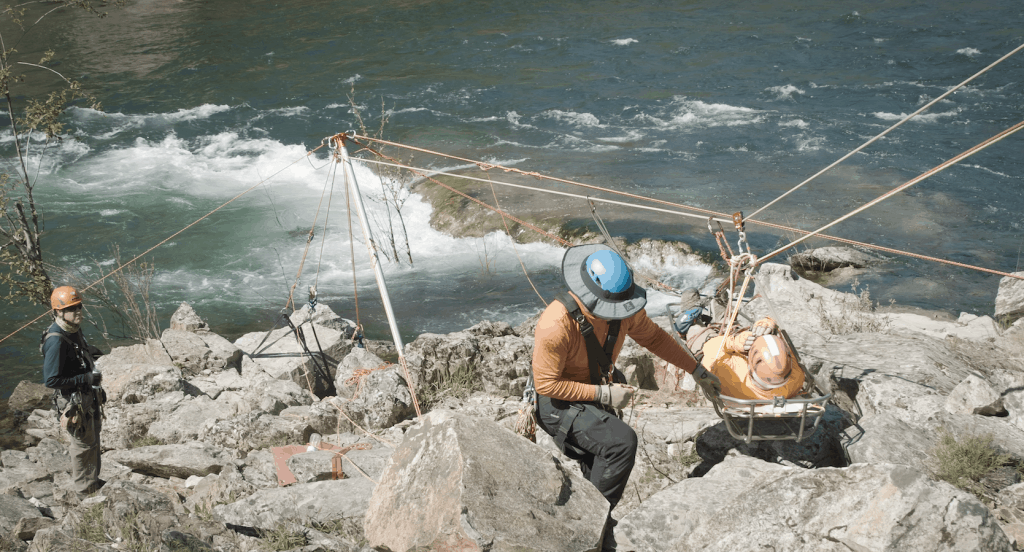
Cross Haul System Setup for Technical Rope Rescue A cross haul system setup for technical rope rescue—often referred to as a two-rope offset system—is more than just a clever rigging trick. It’s a precision tool for controlled lateral movement in complex rescue scenarios. Whether you’re operating across a ravine, cliff face, or confined space with

Cross Haul System Setup for Technical Rope Rescue Read More »

Basic mechanical advantage systems enable efficient lifting with simple pulleys. Learn the essentials of the 3:1 Z-rig for safe rescues - How is Weight Redistributed Through a 3:1 Mechanical Advantage System? - Eccentric Progress Capture in Mechanical Advantage Systems

Eccentric Progress Capture in Mechanical Advantage Systems

Eccentric Progress Capture in Mechanical Advantage Systems Eccentric Progress Capture in Mechanical Advantage Systems in rope rescue systems – most mechanical advantage setups are designed to pull or contract—that is, to haul loads upward or horizontally. But not all scenarios are about lifting. Some require controlled lowering under load while maintaining tension and control. This

Eccentric Progress Capture in Mechanical Advantage Systems Read More »