high angle rescue

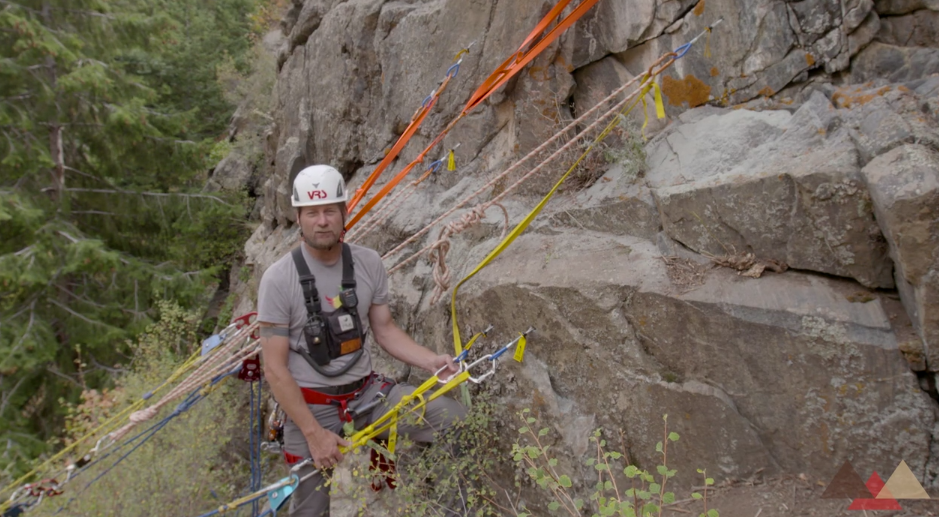
contingency anchor system

Contingency Anchor Systems

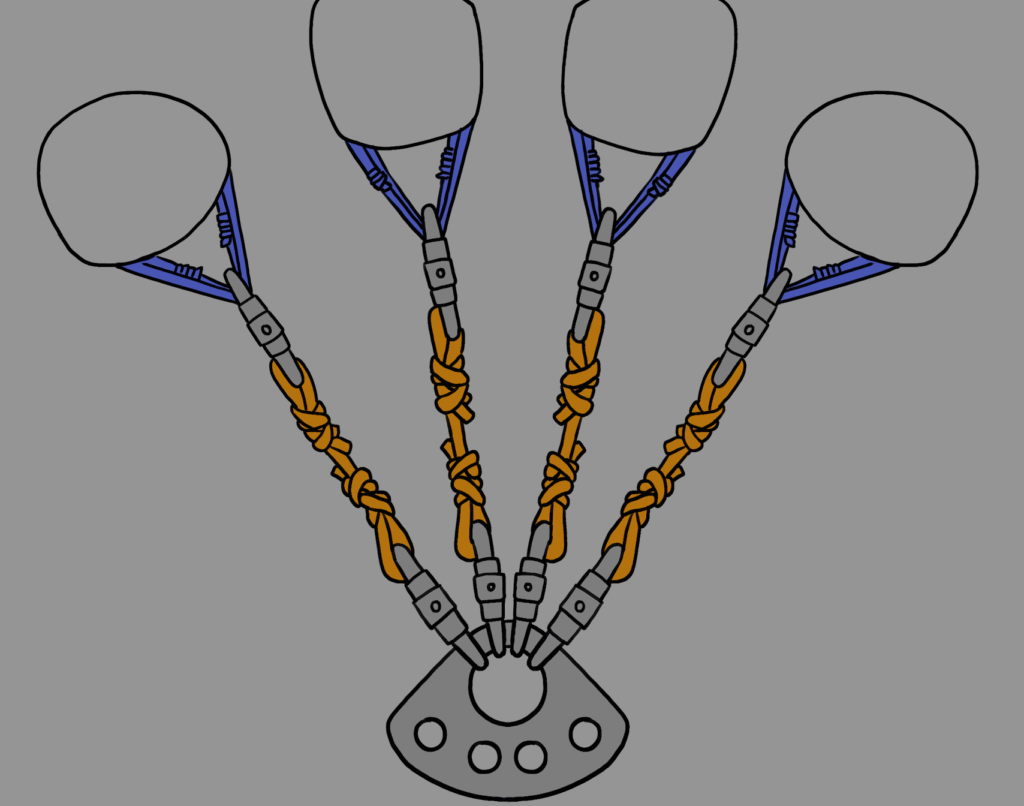
Contingency Anchor Systems In rope rescue, contingency anchor systems serve as critical backups. These systems are designed to take over if the primary anchors fail or become compromised. They provide a safety net—ensuring operations can continue without hesitation, even when the unexpected happens. Prepared in advance and built with redundancy in mind, contingency anchors reflect […]

Contingency Anchor Systems Read More »

2 point anchors

Two-Point Load-Distributing System

Two-Point Load-Distributing System In rope rescue and rigging, the two-point load-distributing system is a core strategy for building safety and stability into anchor setups. When only two viable anchor points are available, this system allows for even force distribution—reducing the strain on each point and protecting against sudden failure. The system is simple in concept

Two-Point Load-Distributing System Read More »

Understanding Load-Sharing Anchor Systems

Understanding Load-Sharing Anchor Systems

Understanding Load-Sharing Anchor Systems In technical rigging and rope rescue, a load-sharing anchor system is a go-to solution when safety and redundancy are non-negotiable. These systems are designed to distribute force across multiple anchor points, ensuring that no single point bears the entire load. This balanced approach not only improves stability but also prepares the

Understanding Load-Sharing Anchor Systems Read More »
Mechanical Advantage Piggyback Method for Rope Rescue Transitions

Mechanical Advantage Piggyback Method for Rope Rescue Transitions

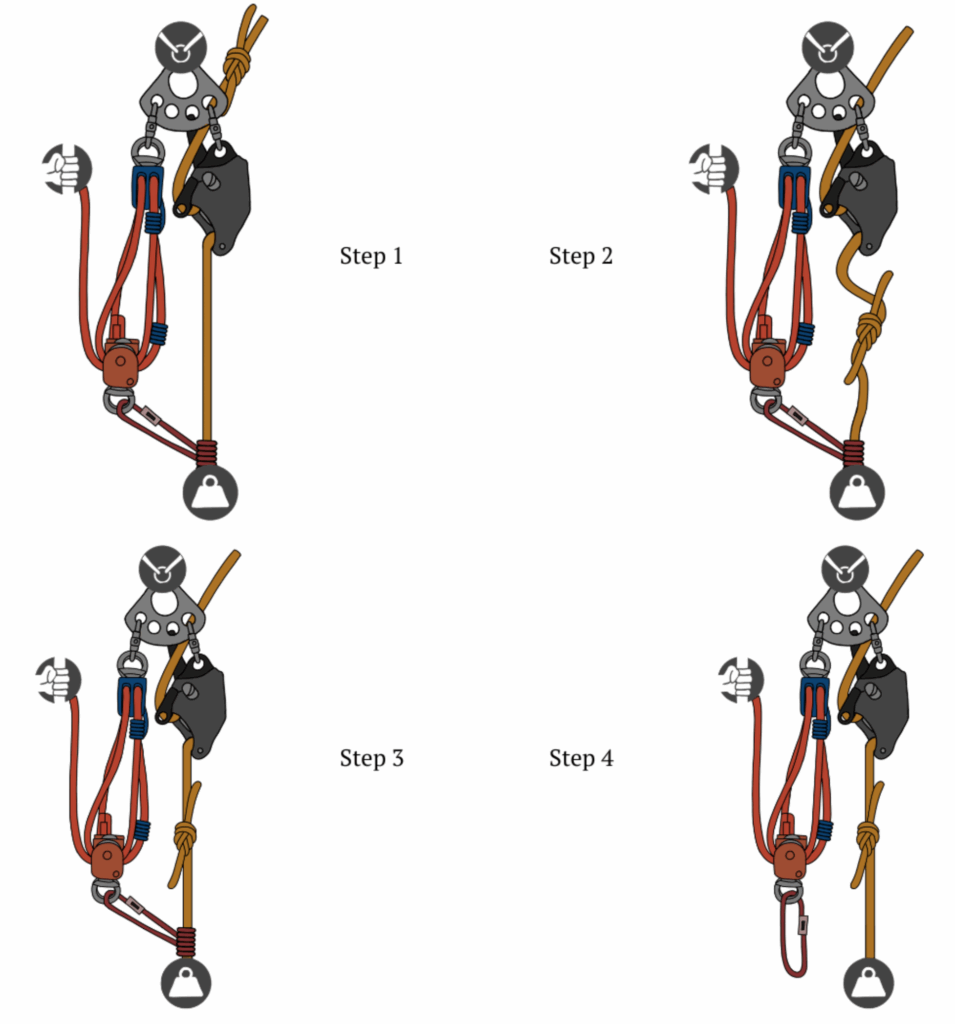
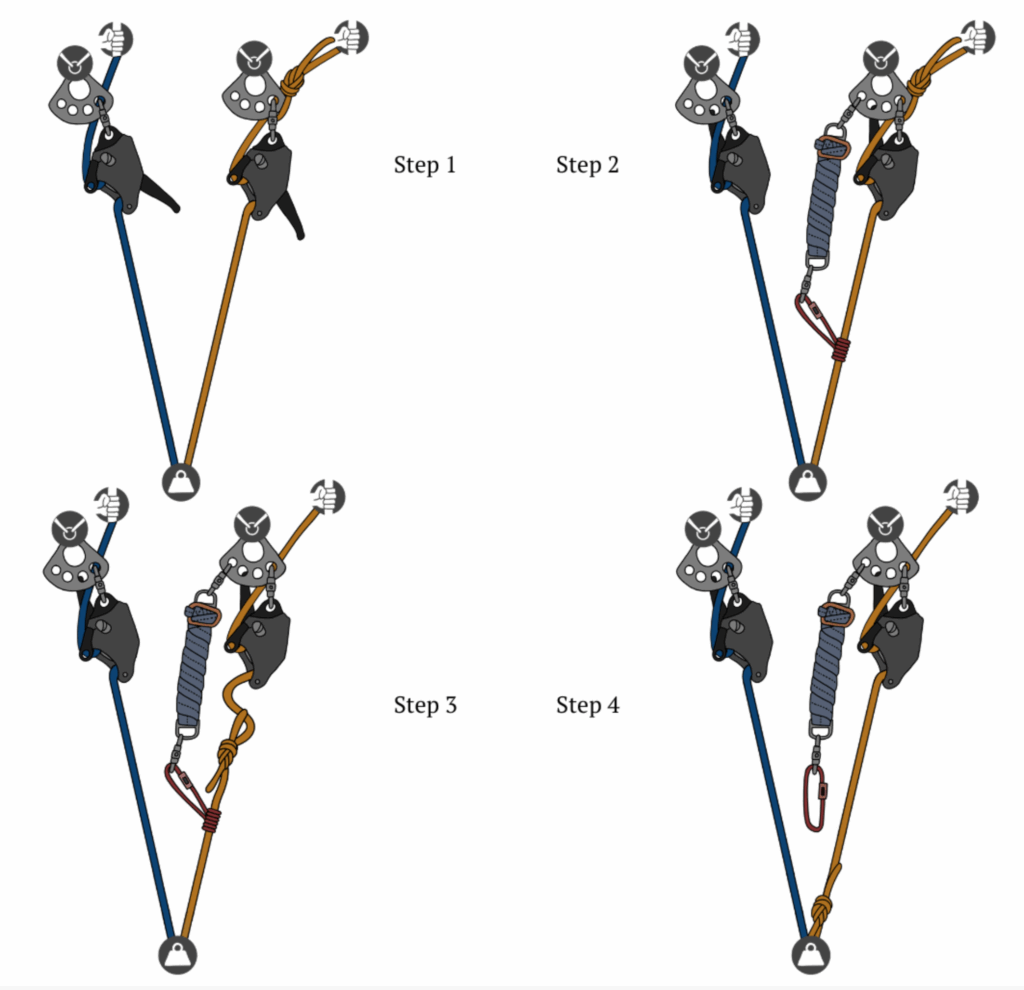
Mechanical Advantage Piggyback Method for Rope Rescue Transitions – The Mechanical Advantage Piggyback Method is an advanced rope rescue technique used to safely and efficiently pass knots and transition loads during lowering or raising operations. By incorporating a self-contained mechanical advantage (MA) system—such as an AZTEK kit—teams can bypass rope knots without interrupting the primary

Mechanical Advantage Piggyback Method for Rope Rescue Transitions Read More »

Build static highline systems with directional lines

Build static highline systems with directional lines

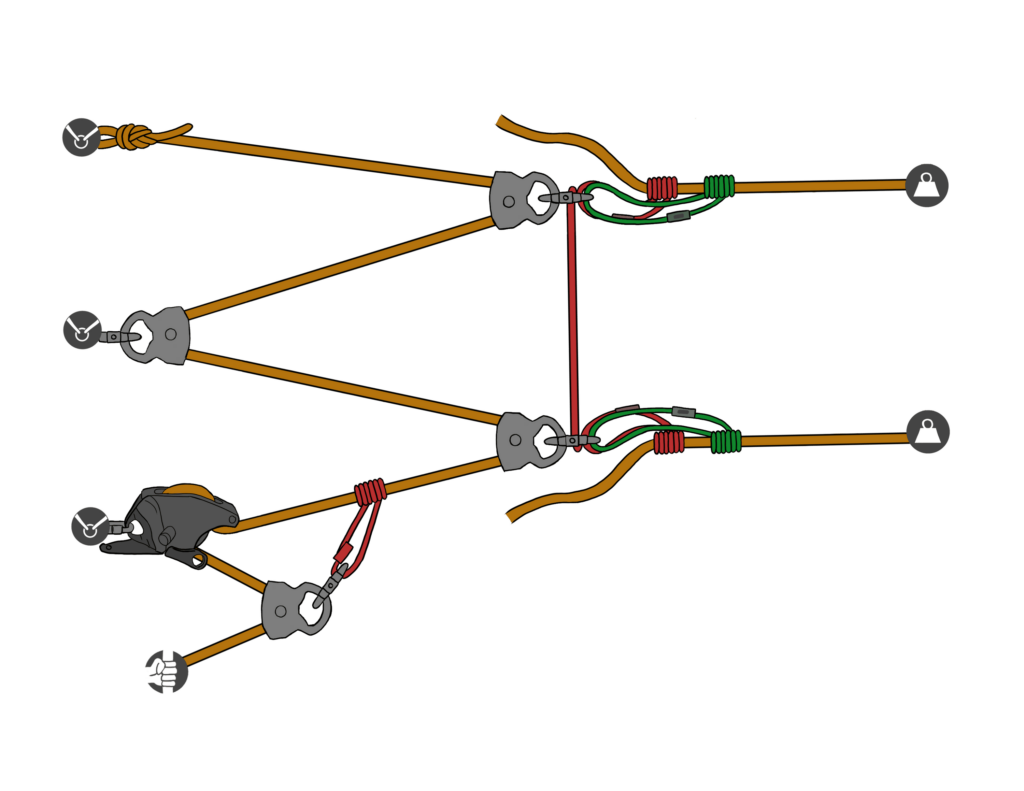
Build static highline systems with directional lines Build static highline systems with directional lines – In rope rescue operations, few systems demand more precision than a highline. When terrain, structures, or vertical drops prevent direct access, a static highline becomes the backbone of movement and transport. But within that structure lies a key element that

Build static highline systems with directional lines Read More »

Balancing Online and Hands-On Training -Knots for Force Multiplication in Rope Rescue - Steep Highline Calculations and Rigging Techniques

Steep Highline Calculations and Rigging Techniques

Steep Highline Calculations and Rigging Techniques Mastering steep highline systems takes more than just strong anchors and high-quality rope—it demands precision, forethought, and the ability to calculate force vectors in real-time terrain. In other words, steep highline calculations and rigging techniques are critical. Whether you’re new to horizontal rigging or refining your advanced systems, steep-angle

Steep Highline Calculations and Rigging Techniques Read More »

Essential Gear for Rope Rescue - Applying the Pareto Principle in Rope Rescue - Prototype Mountain Rescue Technician - Rigging Lab Accelerator

Rigging Lab Accelerator The Future of Rope Rescue Training

Rigging Lab Accelerator The Future of Rope Rescue Training In technical rope rescue, every second counts. Every decision must be precise. The Rigging Lab Accelerator is an AI-powered training tool that delivers real-time solutions, expert guidance, and adaptive learning to rescuers and rigging professionals. Whether responding to an emergency, refining techniques, or training teams, this

Rigging Lab Accelerator The Future of Rope Rescue Training Read More »

Organizing Rope Rescue Equipment

Organizing Rope Rescue Equipment

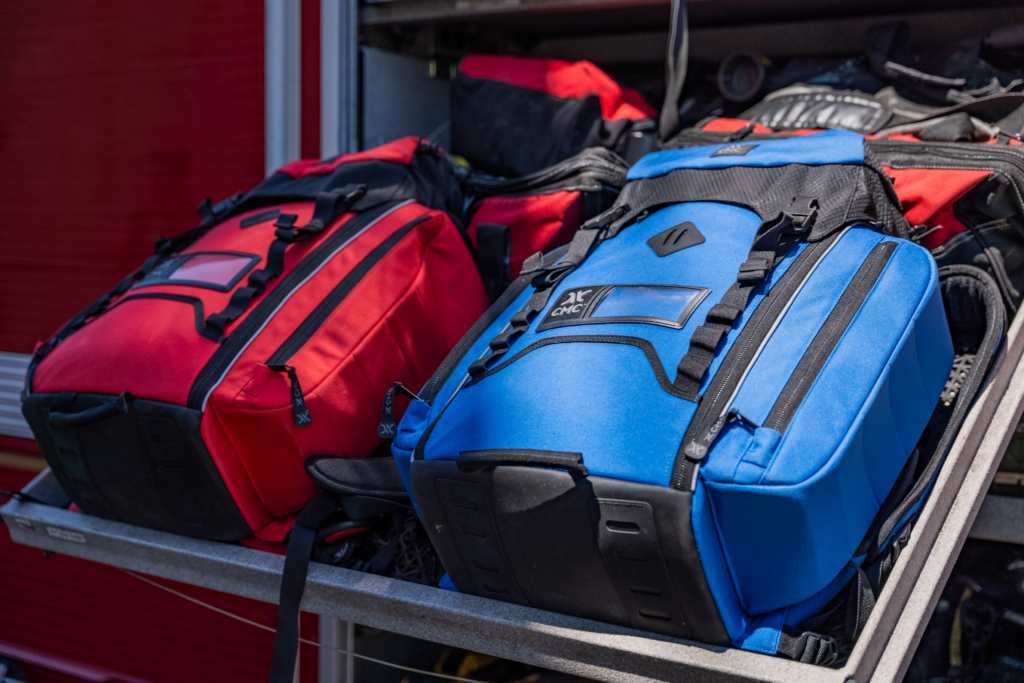
Organizing Equipment for Efficient Deployment Effective organization of rope rescue equipment is essential for streamlined operations, especially in high-pressure scenarios where every second counts. By developing a system for organizing and accessing equipment, rescue teams can enhance their readiness, improve efficiency, and minimize delays. The Importance of Equipment Organization The organization of rescue equipment is

Organizing Rope Rescue Equipment Read More »

Friction in Climber Rescue - Minimalist Rope Rescue Techniques - System Strength Ratios in Rescue

Prusik Knots in Rope Systems

Prusik Knots in Rope Systems The Prusik knot is a cornerstone of technical rope systems, widely regarded for its versatility and reliability. Whether used in high-angle rescue, climbing, or rigging operations, the Prusik knot provides a lightweight, adaptable solution for progress capture, backup belay, and other critical applications. In this guide, we explore the Prusik

Prusik Knots in Rope Systems Read More »

How to Set Up an A-Frame - Mechanical Ascenders for Rope Rescue - Setting Up an A-Frame for Rope Rescue

Mechanical Ascenders for Rope Rescue Systems

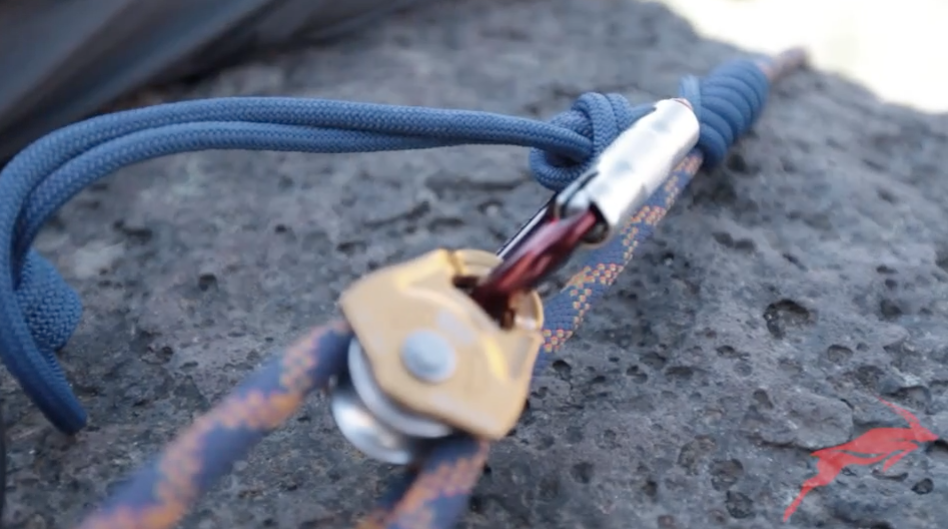
Mechanical Ascenders for Rope Rescue Systems Mechanical ascenders are essential tools in rope rescue systems, providing climbers and rescuers with efficiency, reliability, and safety. These devices are designed to grip ropes securely while allowing upward movement, making them invaluable in hauling systems, vertical ascents, and progress capture setups. What Are Mechanical Ascenders? Mechanical ascenders are

Mechanical Ascenders for Rope Rescue Systems Read More »

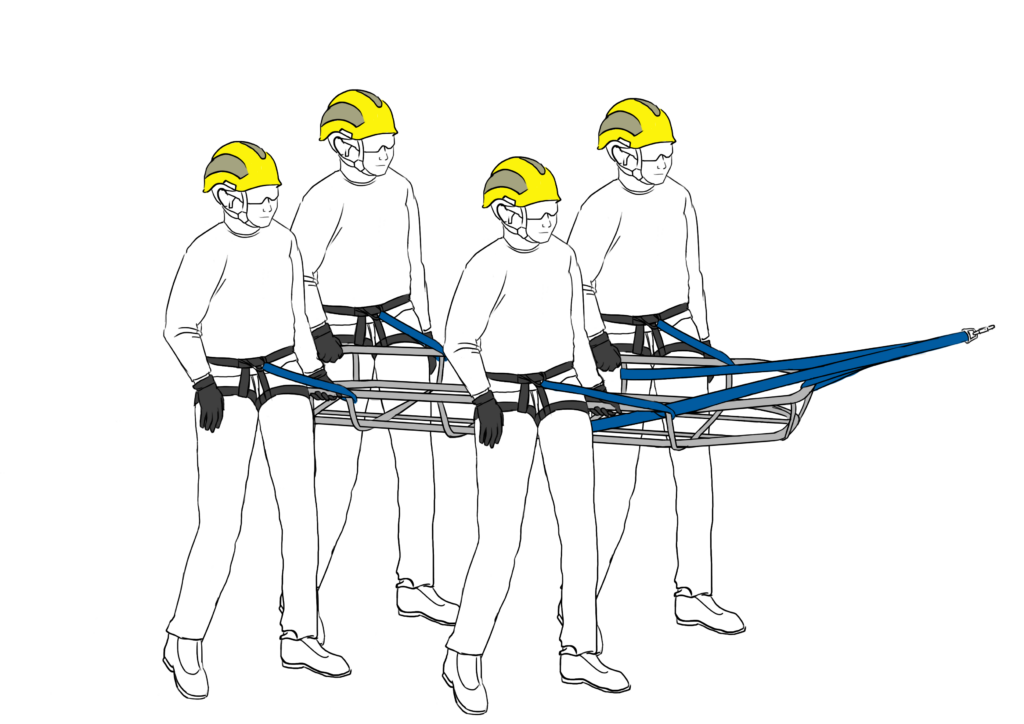
Patient and Litter Packaging

Patient and Litter Packaging

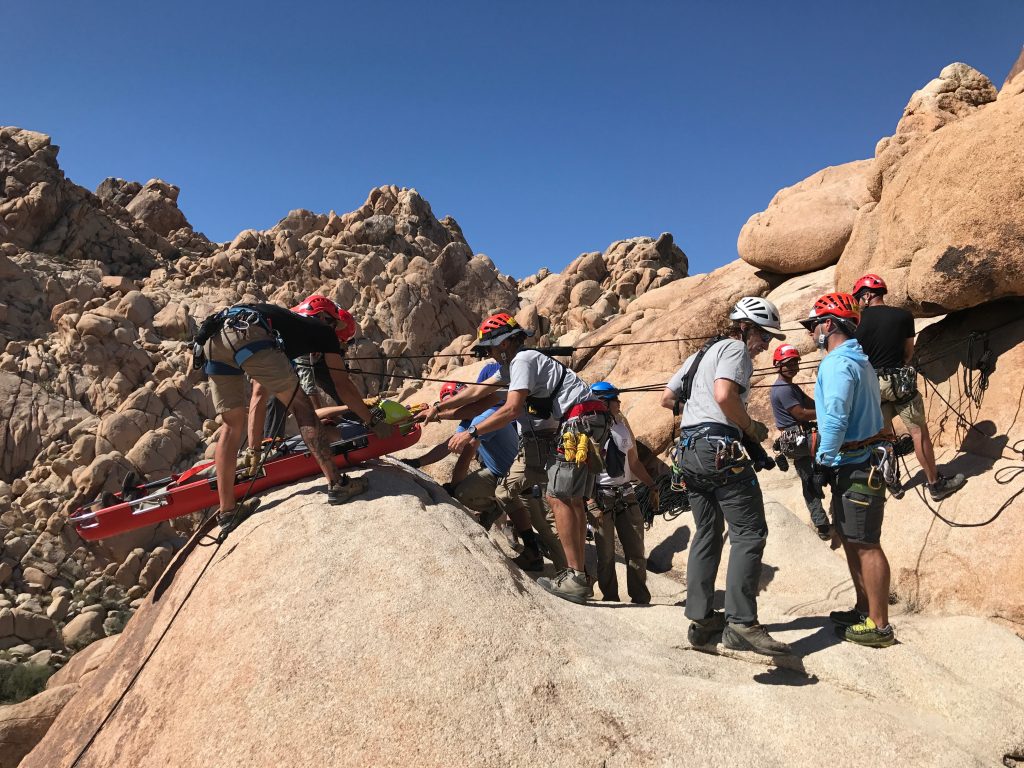
Patient and Litter Packaging Patient and litter packaging is a cornerstone of technical rescue operations, ensuring the victim is secured safely, comfortably, and effectively for transport. Whether the rescue is conducted in a low-angle slope scenario or a high-angle vertical environment, the principles of patient care, system integrity, and operational efficiency must converge seamlessly. In

Patient and Litter Packaging Read More »

5th class litter raise

Class 5 Litter Handling

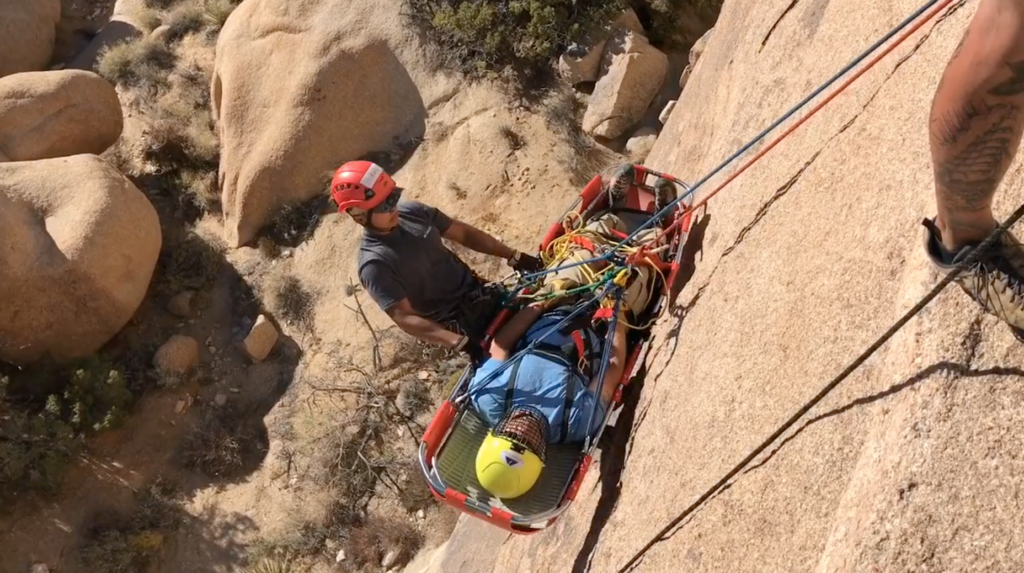
Class 5 Litter Handling Class 5 litter handling represents the most technical and demanding aspects of rope rescue operations. This process involves safely managing the litter and patient in complex, high-angle environments, such as steep cliffs, overhangs, or confined vertical spaces. It demands precision in rigging, effective use of specialized tools, and seamless coordination among

Class 5 Litter Handling Read More »

Multi-Point Anchors in Rescue

Multi-Point Anchors in Rescue: Part 3

Multi-Point Anchors in Rescue Operations Multi-point anchors provide enhanced stability by distributing weight across multiple points, making them invaluable in complex rescue operations. In this post, we’ll explore the setup and applications of multi-point anchors for safe, effective load management in rescue scenarios. Benefits of Multi-Point Anchors Multi-point anchors increase safety by creating redundancy and

Multi-Point Anchors in Rescue: Part 3 Read More »

Dynamic directional offset system

Real-World Applications of Knots and Force Multipliers

In rope rescue, the true test of skills comes in real-world applications where every knot and force-multiplying system plays a critical role. Whether in fire service or search and rescue (SAR), the stakes are high, and the right choice of knots and force multipliers can mean the difference between success and failure. This final part

Real-World Applications of Knots and Force Multipliers Read More »

tower rescue for rope rescue technicians

Tower Rescue in the Rope Rescue Industry

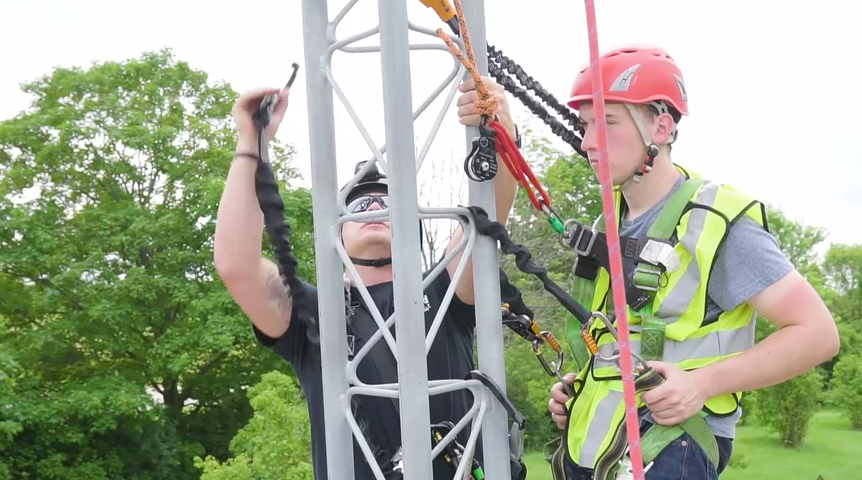
Tower rescue is a specialized discipline within the rope rescue industry, focusing on safely evacuating individuals from tall structures such as communication towers, wind turbines, and other elevated platforms. This type of rescue demands advanced skills, specific equipment, and a thorough understanding of various rescue techniques due to the unique challenges posed by these structures.

Tower Rescue in the Rope Rescue Industry Read More »

Highline_Anchors_rope_rescue

Highline Systems for Rope Rescue

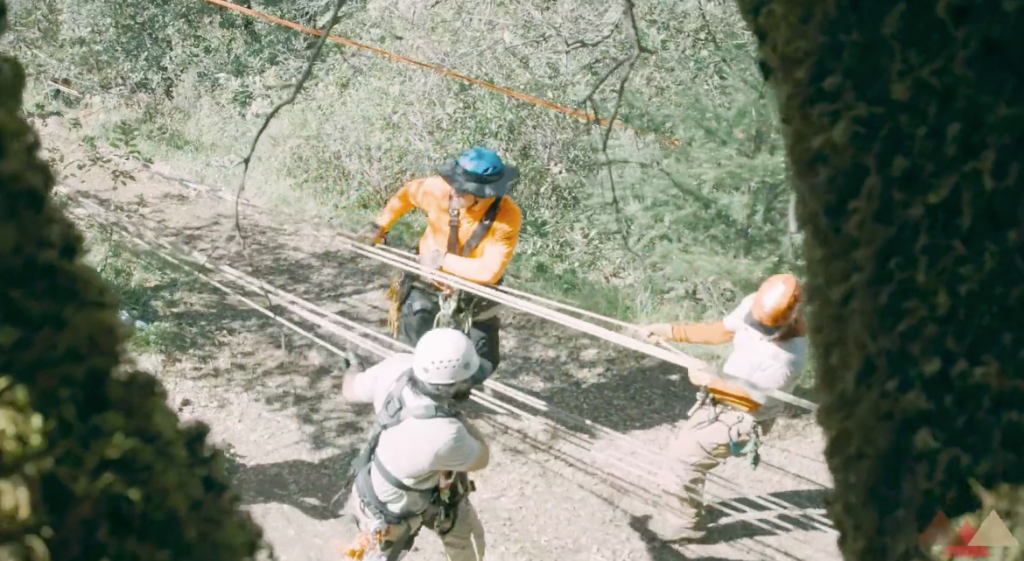
Highline systems are critical for rope rescue operations in challenging terrains and popular climbing areas. They demand advanced rigging skills, meticulous planning, and specialized equipment to ensure safety and efficiency. Key Components of Highline Systems Building Highlines Highline construction requires thorough knowledge of rigging principles and safety measures. It is crucial to use the right

Highline Systems for Rope Rescue Read More »

pickoff techniques in rope rescue operations is a critical component

Comprehensive Guide to Pickoff Rescues in Rope Rescue Operations

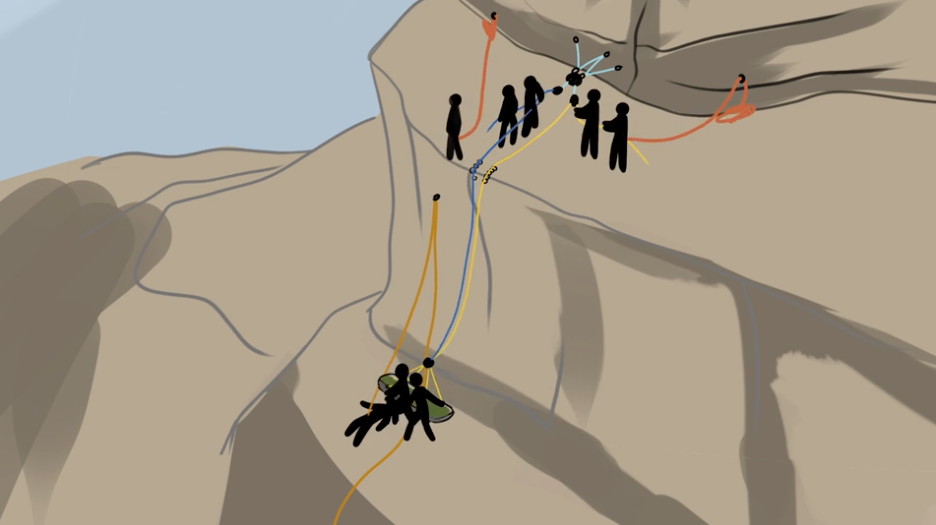
Comprehensive Guide to Pickoff Rescues in Rope Rescue Operations The “Comprehensive Guide to Pickoff Rescues in Rope Rescue Operations” emphasizes that managing a patient suspended vertically from a rope is crucial, distinguishing an operational rescuer from a technician, with effective patient packaging and rope patient management being essential to successful rescue operations. Packaging and Managing

Comprehensive Guide to Pickoff Rescues in Rope Rescue Operations Read More »