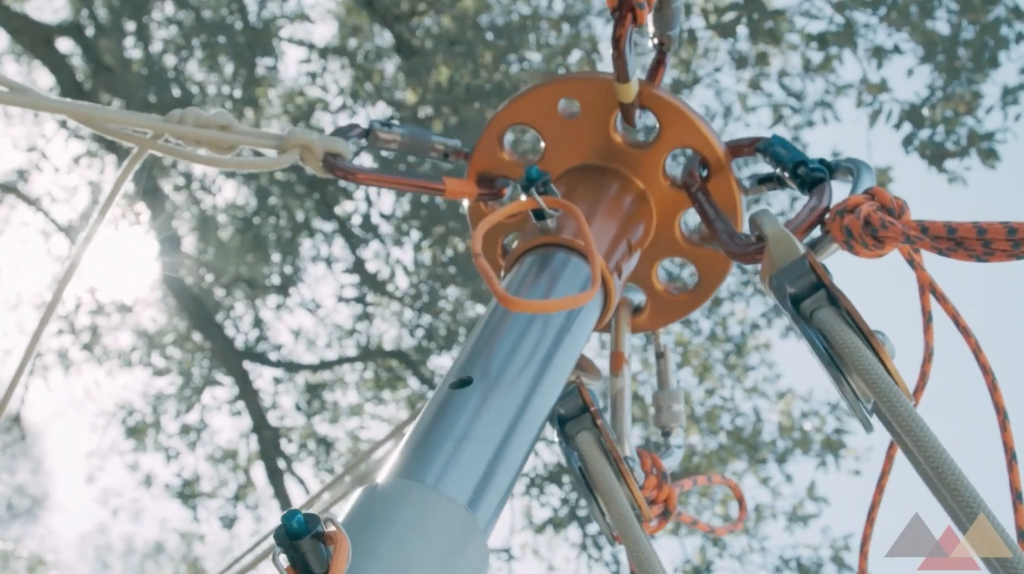
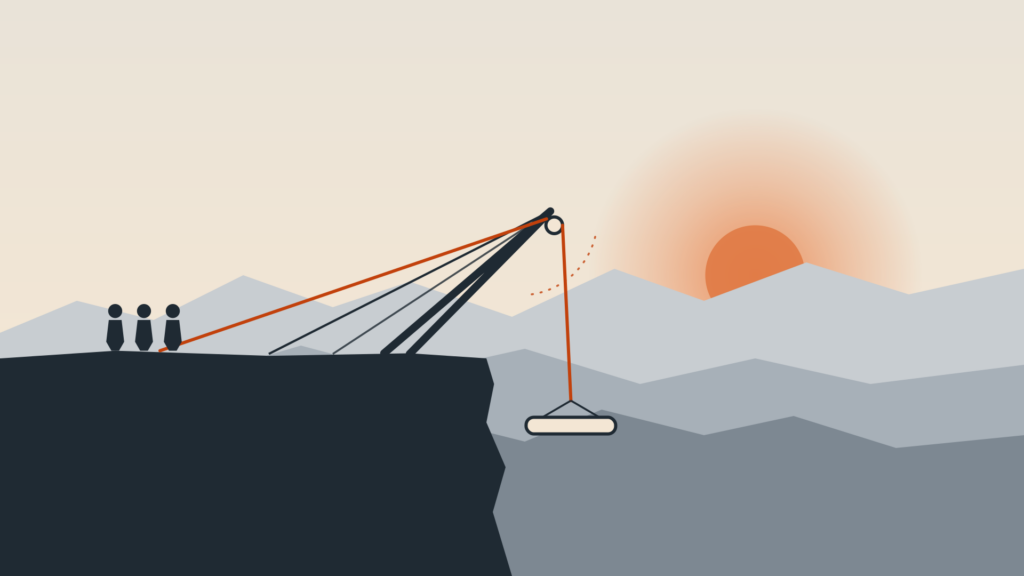
elevated directional systems

Why the Force on a High Directional Keeps Changing

The load on an elevated anchor is not fixed Most rescuers size up a high directional once: the load hangs below, the frame looks well aligned, the guys are tight. Then the operation starts, and the geometry they checked begins to move. An elevated anchor sits between ropes that change direction every time the load

Why the Force on a High Directional Keeps Changing Read More »
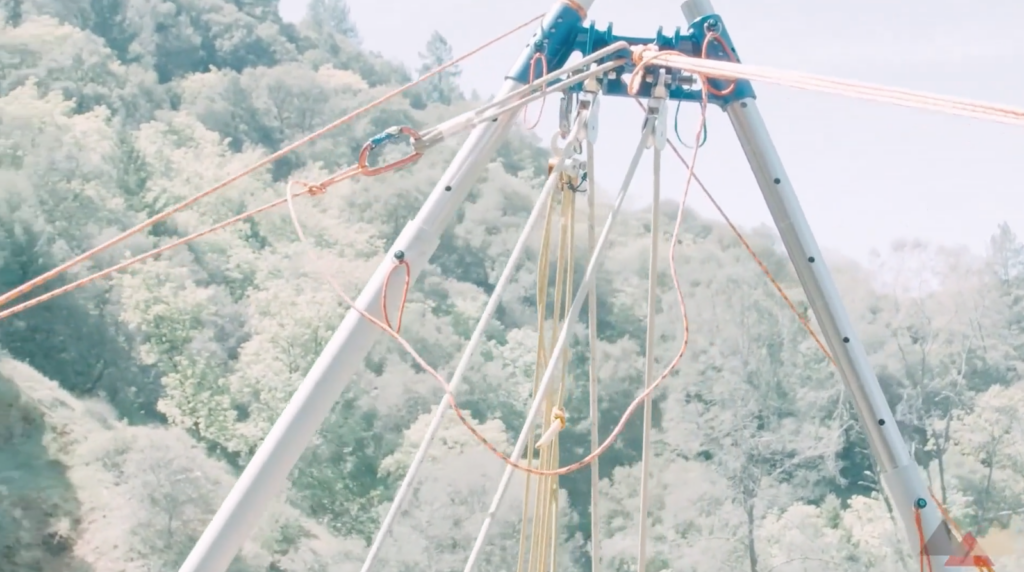
Sideways A-Frame Systems for Vertical Positioning and Horizontal Control

Sideways A-Frame Offset System for Vertical Positioning and Horizontal Control

Dynamic Directional Offsets and Active Load Positioning Offset systems are often described as methods for moving a load away from a cliff face or obstacle. While that description is technically correct, it does not fully explain the operational value of a dynamic offset. Unlike fixed transportation systems that move a load along a predetermined path,

Sideways A-Frame Offset System for Vertical Positioning and Horizontal Control Read More »

Monopod Supported Skate Block Track Line Systems

Monopod Supported Skate Block Track Line Systems

Monopod Supported Skate Block Track Line Systems Track line systems are frequently used when rescuers need to move personnel, equipment, or litter loads across terrain that cannot be negotiated safely on foot. While the track line itself provides the movement corridor, the effectiveness of the system often depends on how the rope path is managed

Monopod Supported Skate Block Track Line Systems Read More »