canyon rescue

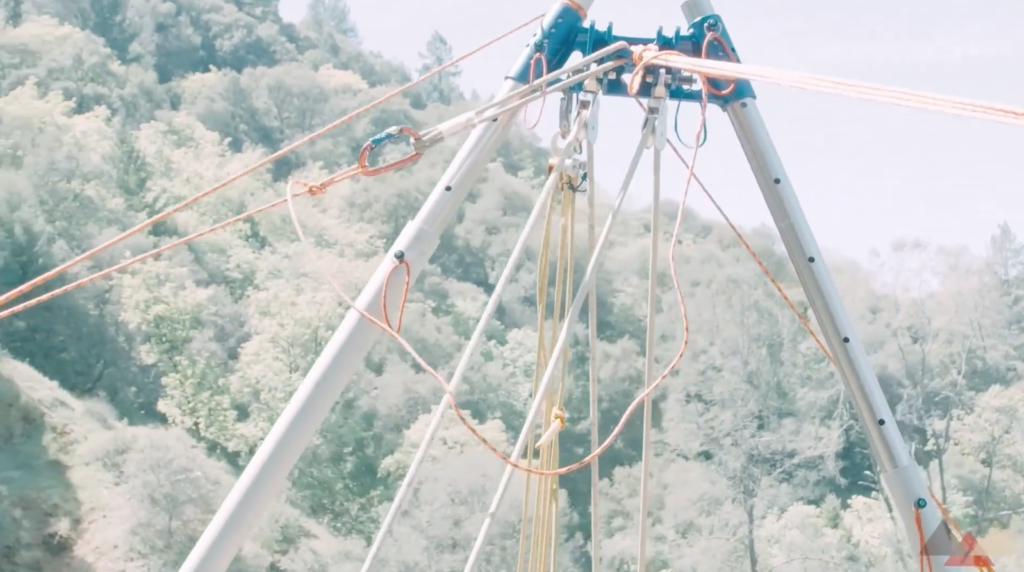
Sideways A-Frame Systems for Vertical Positioning and Horizontal Control

Sideways A-Frame Offset System for Vertical Positioning and Horizontal Control

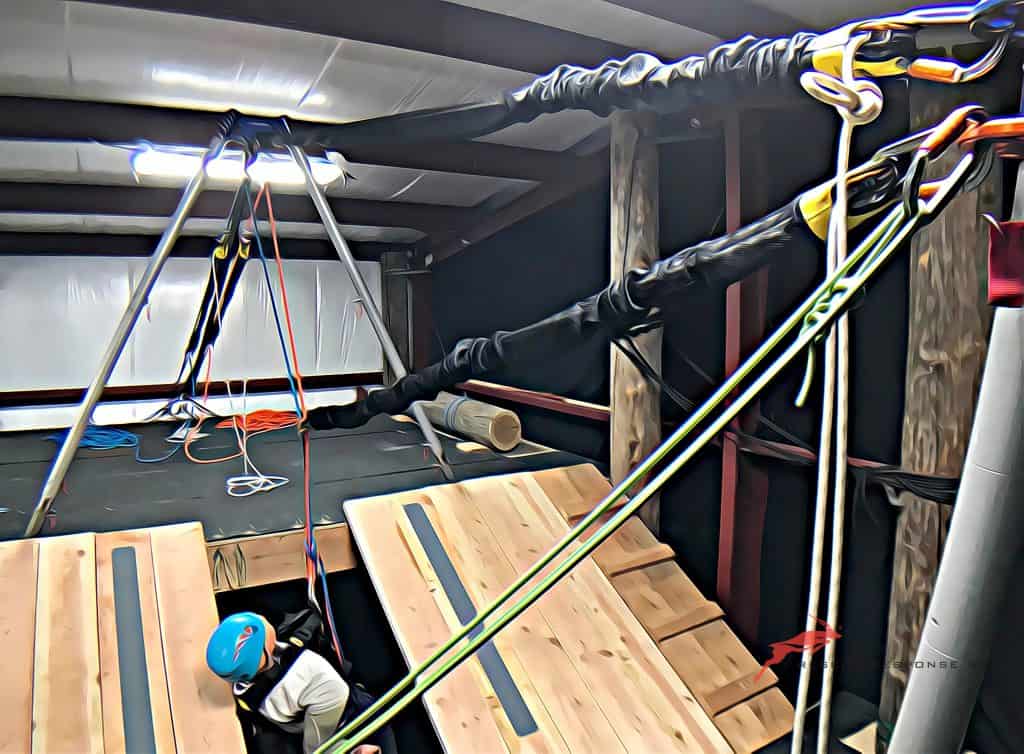
Dynamic Directional Offsets and Active Load Positioning Offset systems are often described as methods for moving a load away from a cliff face or obstacle. While that description is technically correct, it does not fully explain the operational value of a dynamic offset. Unlike fixed transportation systems that move a load along a predetermined path, […]

Sideways A-Frame Offset System for Vertical Positioning and Horizontal Control Read More »
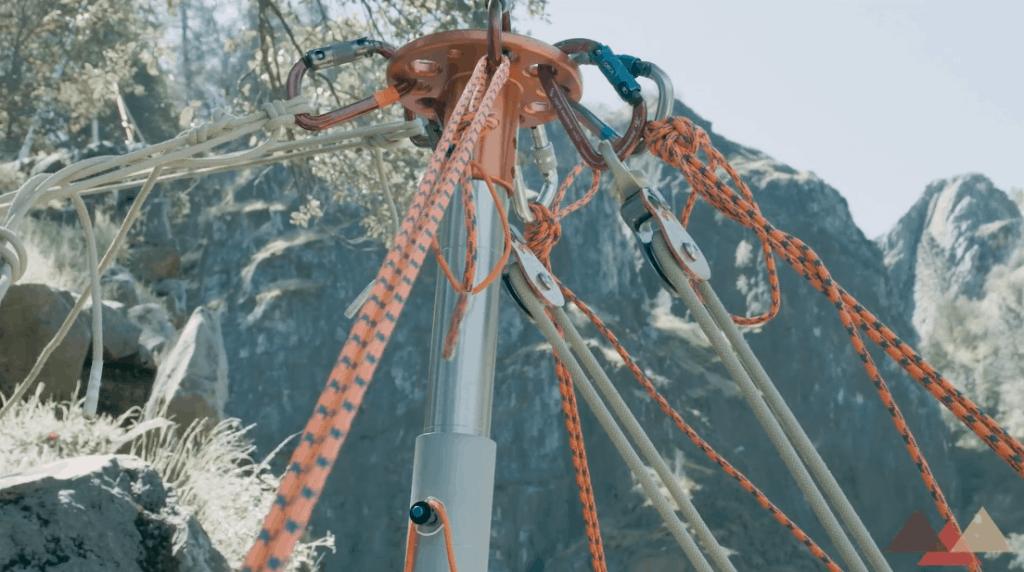
AHD Vortex Gin Pole in TTRS Skate Block

Two Tensioned Rope Systems and Tensioned Track Line Transitions in Canyon Rescue

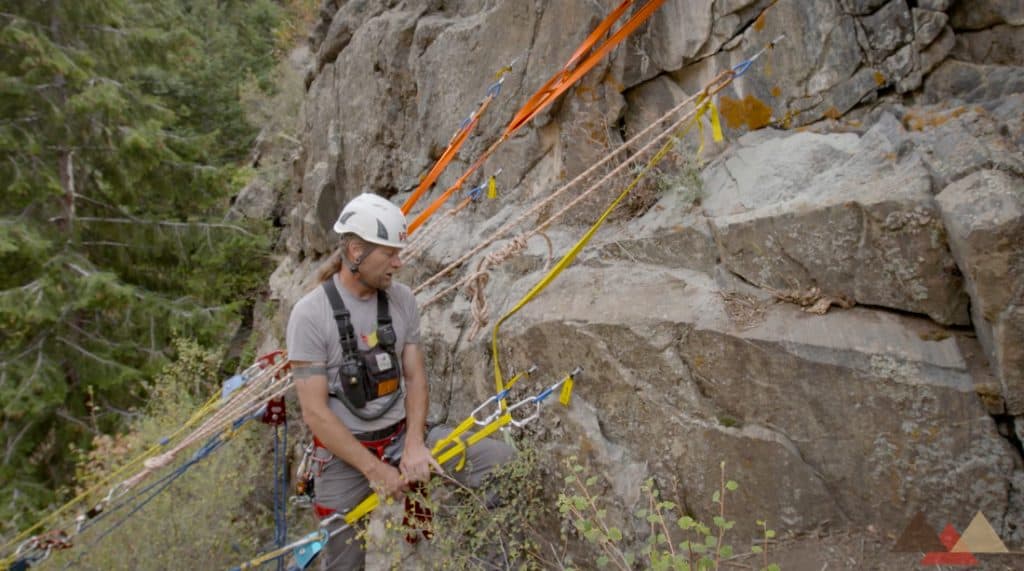
From Two-Tensioned Rope Systems to Tensioned Track Lines Managing Redundancy, Load Sharing, and System Transitions in Canyon Rescue Technical rescue operations rarely fail because rescuers cannot build a lowering system. They fail because rescuers lose control of force during transitions. This becomes especially apparent in canyon environments where a rescue may begin as a vertical

Two Tensioned Rope Systems and Tensioned Track Line Transitions in Canyon Rescue Read More »

Floating the Litter Uphill with a Dual Tension Tracking Line System

Floating the Litter Uphill with a Dual Tension Tracking Line System

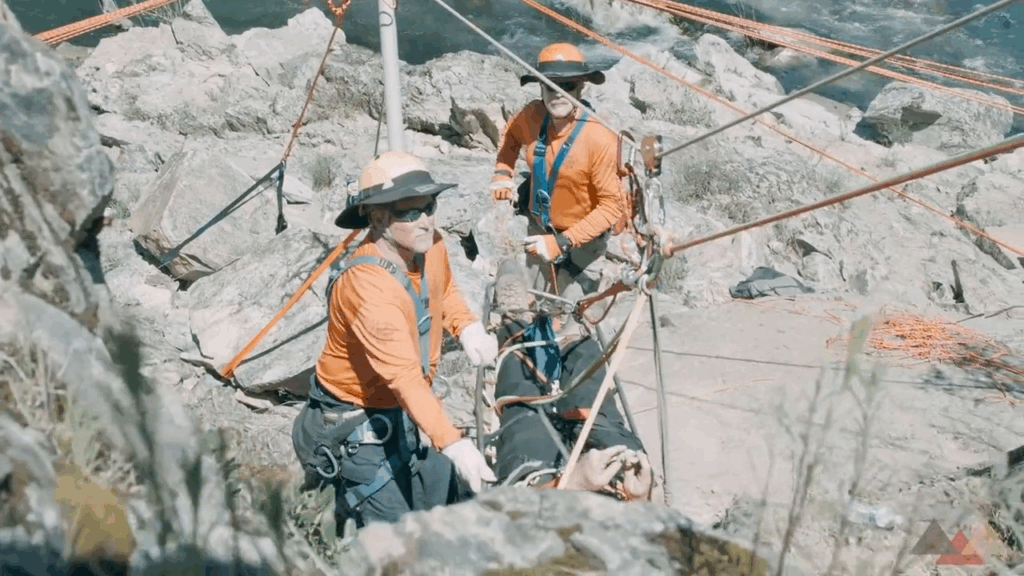
Floating the Litter Uphill with a Dual Tension Tracking Line System In high-angle terrain where a manual carry is dangerous or impossible, rescuers often rely on rope systems that elevate, stabilize, and precisely control patient movement. One such system—a dual-tensioned tracking line anchored to a Vortex frame and gin pole—offers the perfect solution for floating

Floating the Litter Uphill with a Dual Tension Tracking Line System Read More »

ttrs canyon rescue highline

How to Rig a Two-Rope Offset Canyon Rescue with Twin Tension Systems

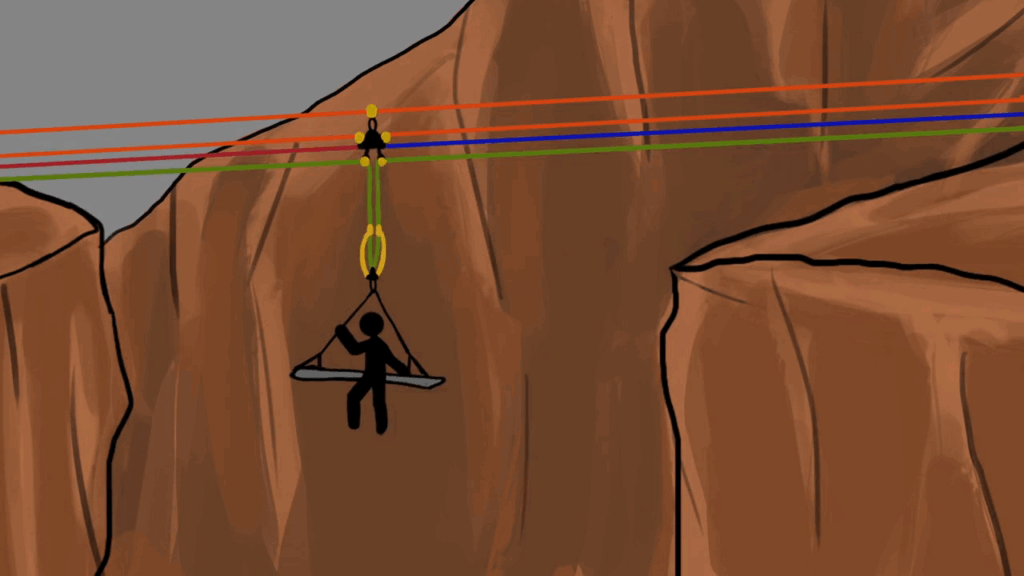
How to Rig a Two-Rope Offset Canyon Rescue with Twin Tension Systems Not all rope rescues move straight down. In canyon terrain, teams often face the challenge of crossing space laterally—not just vertically. When rescuers need to transport a littered patient across a wide void, a two-rope offset canyon rescue setup becomes the ideal solution.

How to Rig a Two-Rope Offset Canyon Rescue with Twin Tension Systems Read More »

two-rope offset canyon rescue

How to Rig a Two-Rope Offset Canyon Rescue with Twin Tension Systems

A Canyon Rescue Demands More Than a Vertical Drop Not every rescue moves straight down. In desert canyon environments, terrain often calls for lateral movement, precise force balance, and shared system control. When a patient must be transported from one rim to another, a two-rope offset canyon rescue setup using twin tension systems becomes essential.

How to Rig a Two-Rope Offset Canyon Rescue with Twin Tension Systems Read More »

Balancing Costs in Rope Rescue Rigging - Dynamic Directionals in Rope Rescue

Dynamic Directionals in Rope Rescue

High Directional Systems in Rope Rescue A high directional is a crucial component in rope rescue operations, used to elevate the rope system above the rescue scene. By raising anchor points, high directionals enable safer, more efficient rescue operations across various challenging environments. Definition and Purpose A high directional is a rigged system designed to:

Dynamic Directionals in Rope Rescue Read More »

Span Anchors vs Traditional Anchors

Span Anchors vs. Traditional Anchors

Span Anchors vs. Traditional Anchors In technical rope rescue, choosing the right anchor system is critical. Span anchors and traditional anchors serve different purposes, each with its advantages and limitations. Understanding these differences will help rescue teams determine the best solution for their specific challenges. Key Differences Between Span Anchors and Traditional Anchors Setup Complexity

Span Anchors vs. Traditional Anchors Read More »