Knots, Bends & Hitches

anchoring and rope protection

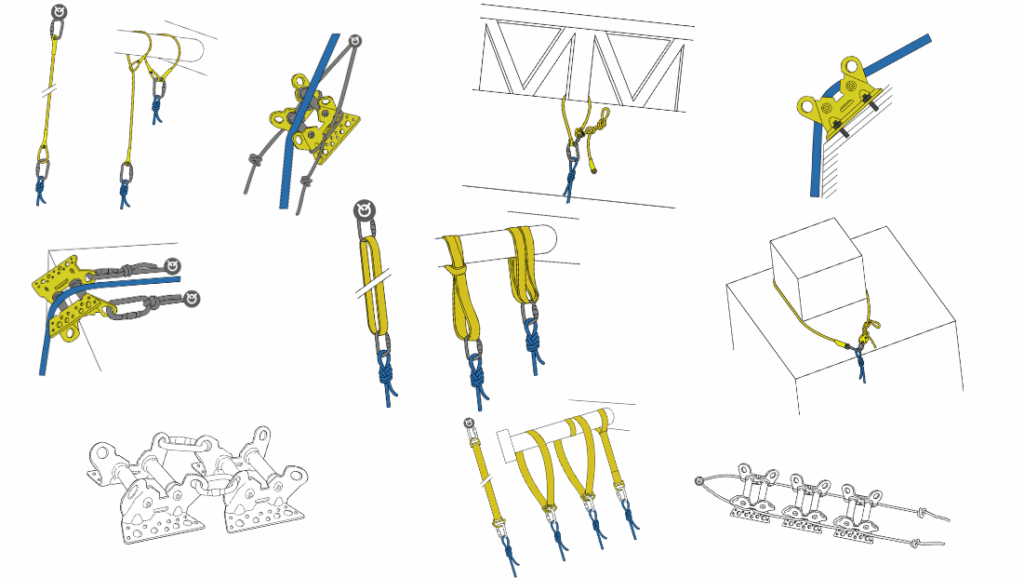
Anchoring and Rope Protection Techniques

How to Protect Rope and Anchor Systems Across Any Terrain In technical rope rescue, two elements demand constant attention: anchor integrity and rope protection. Whether navigating over sharp edges, sloped surfaces, or temporary structure points, rescuers must ensure that load paths remain secure and friction is minimized. So Anchoring and Rope Protection Techniques for Rescue […]

Anchoring and Rope Protection Techniques Read More »

Span Anchors for Rope Rescue

Span Anchors for Rope Rescue

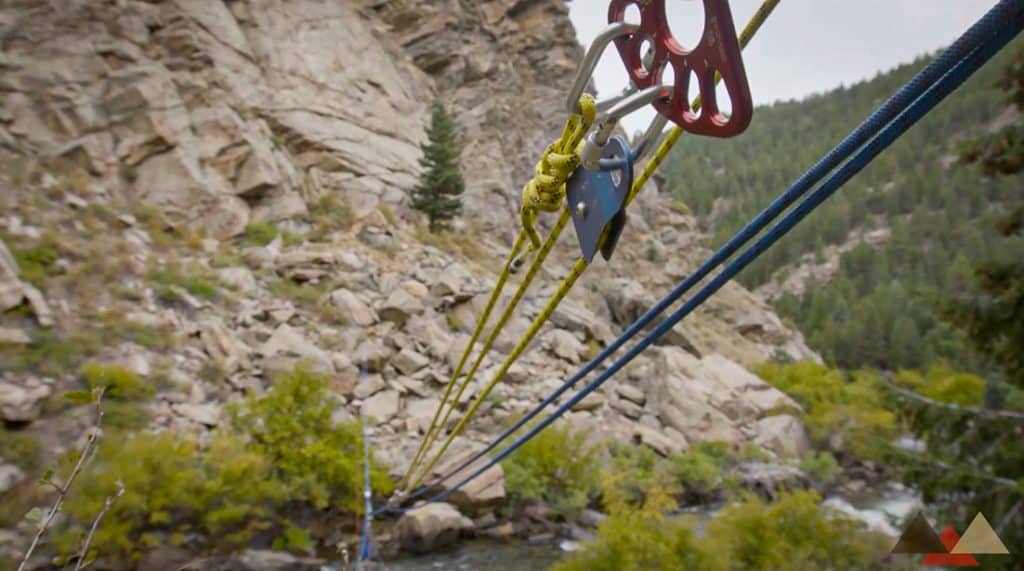
Key Mistakes in Span Anchors for Rope Rescue Operations When it comes to rope rescue operations, the use of span anchors is a fundamental element of success. Span anchors allow teams to transport loads across obstacles, terrain, or voids efficiently and safely. However, common mistakes can jeopardize both safety and efficiency, turning a well-intentioned setup

Span Anchors for Rope Rescue Read More »

Prusik Hitches in Mechanical Advantage

Prusik Hitches in Mechanical Advantage

Understanding Prusik Hitches in Mechanical Advantage Systems: Friction, Efficiency, and Real-World Use The Prusik hitch is a fundamental tool in technical rope systems, renowned for its simplicity, versatility, and reliability. However, its use in mechanical advantage (MA) systems often sparks debate, particularly around the topic of friction and efficiency. This article delves into the nuances

Prusik Hitches in Mechanical Advantage Read More »

Friction in Mechanical Advantage - Mainline Rescue and Rigging Training

Friction in Mechanical Advantage

Friction in Mechanical Advantage Systems Friction is an unavoidable yet often underestimated factor in mechanical advantage (MA) systems. While MA systems are designed to amplify force, the presence of friction can significantly diminish their theoretical efficiency. Understanding how friction arises, its impacts, and methods to mitigate it is crucial for ensuring the success and safety

Friction in Mechanical Advantage Read More »

CMC Capto vs Prusik

CMC Capto vs Prusik

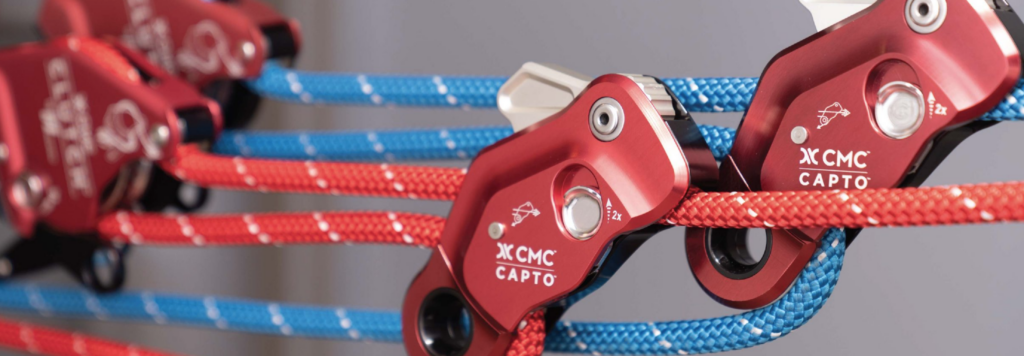
CMC Capto vs. Prusik: A Comprehensive Comparison When assembling a rope rescue system, choosing the right tools can significantly affect efficiency, safety, and versatility. Among the most debated tools in rope rescue are the CMC Capto and the Prusik Knot. Both have their merits and limitations, but how do they stack up against each other

CMC Capto vs Prusik Read More »

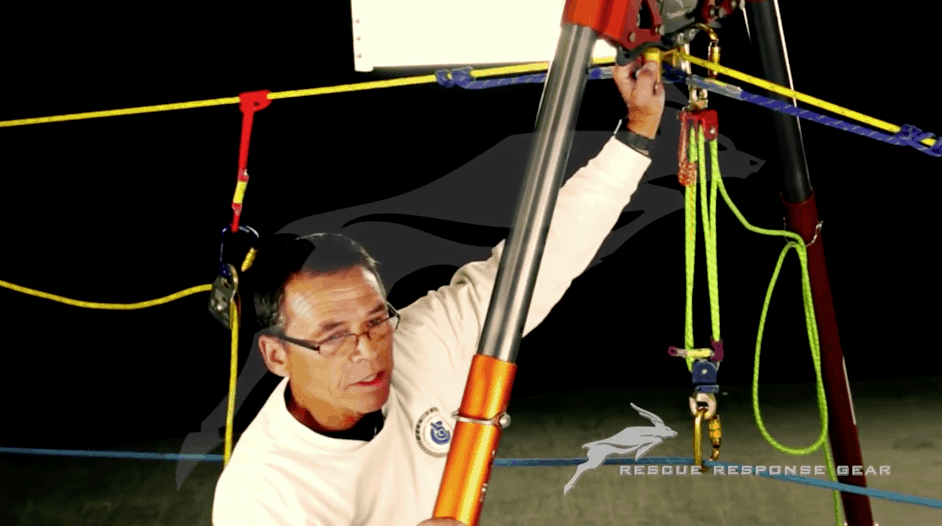
How to Set Up an A-Frame - Mechanical Ascenders for Rope Rescue - Setting Up an A-Frame for Rope Rescue

Mechanical Ascenders for Rope Rescue Systems

Mechanical Ascenders for Rope Rescue Systems Mechanical ascenders are essential tools in rope rescue systems, providing climbers and rescuers with efficiency, reliability, and safety. These devices are designed to grip ropes securely while allowing upward movement, making them invaluable in hauling systems, vertical ascents, and progress capture setups. What Are Mechanical Ascenders? Mechanical ascenders are

Mechanical Ascenders for Rope Rescue Systems Read More »

The CMC Capto’s ability to streamline complex systems while ensuring safety makes it an invaluable tool for modern rope rescue operations. Rescucender vs Capto vs Prusik

Mechanical Ascenders vs. Prusik Knots

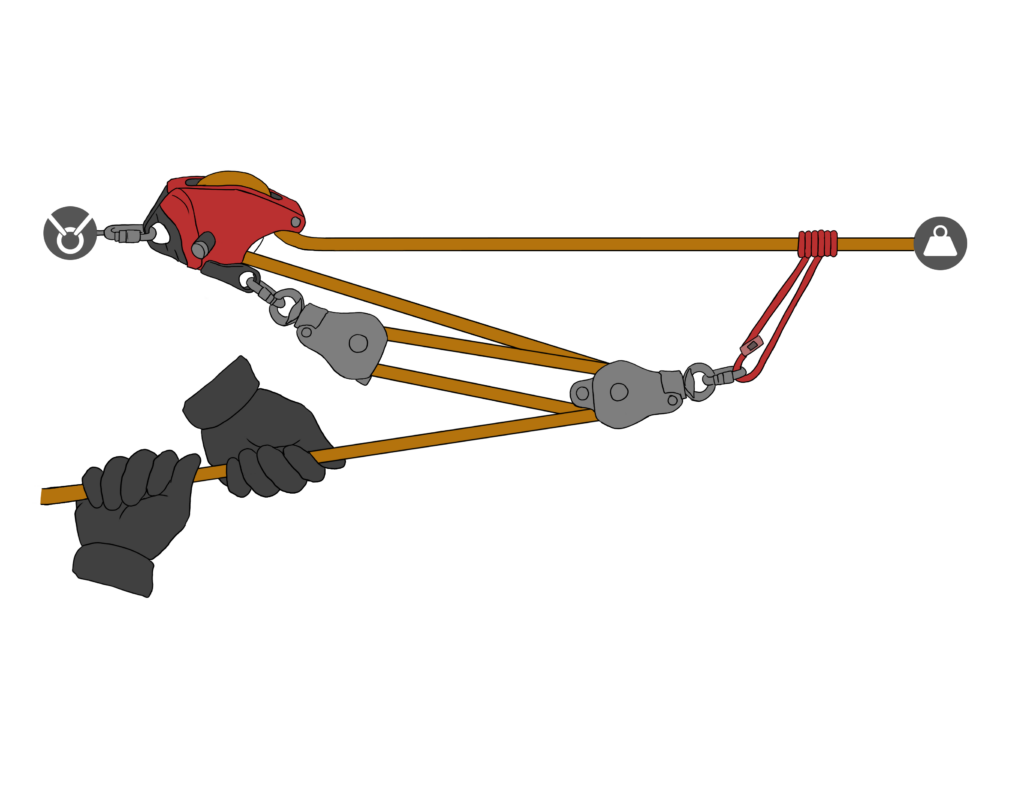
Mechanical Ascenders vs. Prusik Knots When constructing rope rescue systems, particularly those involving 3:1 mechanical advantage setups, rescuers often choose between mechanical devices like the Petzl Rescucender or CMC Capto and the versatile Prusik Knot. Each has distinct advantages and limitations, and the choice depends on the specific demands of the operation. Let’s explore these

Mechanical Ascenders vs. Prusik Knots Read More »

knot efficiency, safety factors, and high directionals improve rope rescue safety in dynamic operations.

Rope Rescue Essentials Knot Efficiency and Safety Factors

Mastering Rope Rescue: Integrating Knot Efficiency, Safety Factors, and Artificial High Directionals for Optimal Performance In the field of technical rope rescue, ensuring that every system component performs effectively is essential for safety. This guide combines insights into three core areas—knot efficiency, safety factors, and artificial high directionals (AHDs)—to help rescue teams assess and optimize

Rope Rescue Essentials Knot Efficiency and Safety Factors Read More »

Knot Efficiency in Rope Rescue: Essential Guide - The Language of Rope

Knot Efficiency in Rope Rescue: Essential Guide

A Complete Guide to Knot Efficiency in Rope Rescue: Key Factors, Testing Insights, and Practical Applications Understanding knot efficiency is essential for rescue professionals because every knot affects the strength of a rope, which in turn impacts the safety and stability of the entire rescue system. This guide covers foundational concepts, essential testing insights, and

Knot Efficiency in Rope Rescue: Essential Guide Read More »

Dynamic directional offset system

Real-World Applications of Knots and Force Multipliers

In rope rescue, the true test of skills comes in real-world applications where every knot and force-multiplying system plays a critical role. Whether in fire service or search and rescue (SAR), the stakes are high, and the right choice of knots and force multipliers can mean the difference between success and failure. This final part

Real-World Applications of Knots and Force Multipliers Read More »

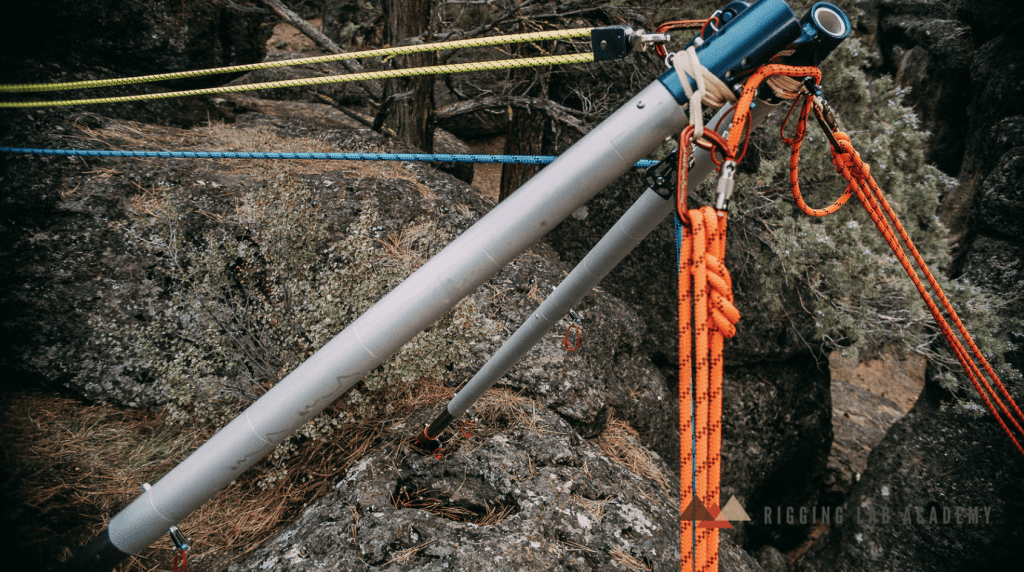
Safety Knots for Force-Multiplying Systems-Trackline Skate Block Using Gin Pole

Safety Knots for Force Multiplying Systems

In rope rescue, safety is paramount, especially when working with force-multiplying systems that handle significant loads. Every knot has distinct characteristics that affect the overall safety and stability of the system, making knot choice crucial for avoiding slippage, maintaining tension, and ensuring the system remains secure under load. For fire service and SAR professionals, understanding

Safety Knots for Force Multiplying Systems Read More »

Knots and Force Multipliers in Anchor Systems

Knots and Force Multipliers in Anchor Systems

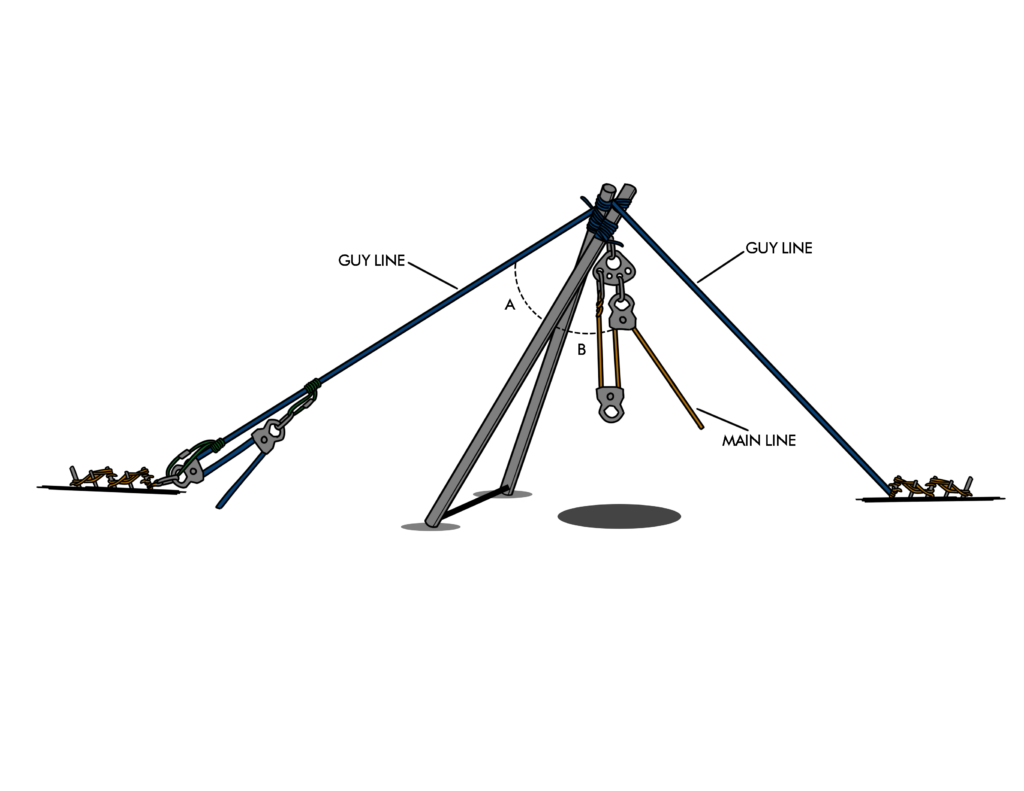
In rope rescue, setting up reliable high-directional and anchor systems is essential for managing complex scenarios and ensuring safety. Knots play a crucial role here, not only in securing anchors but also in optimizing force multipliers that allow rescuers to operate efficiently and effectively. For fire service and SAR teams, choosing the right knot for

Knots and Force Multipliers in Anchor Systems Read More »

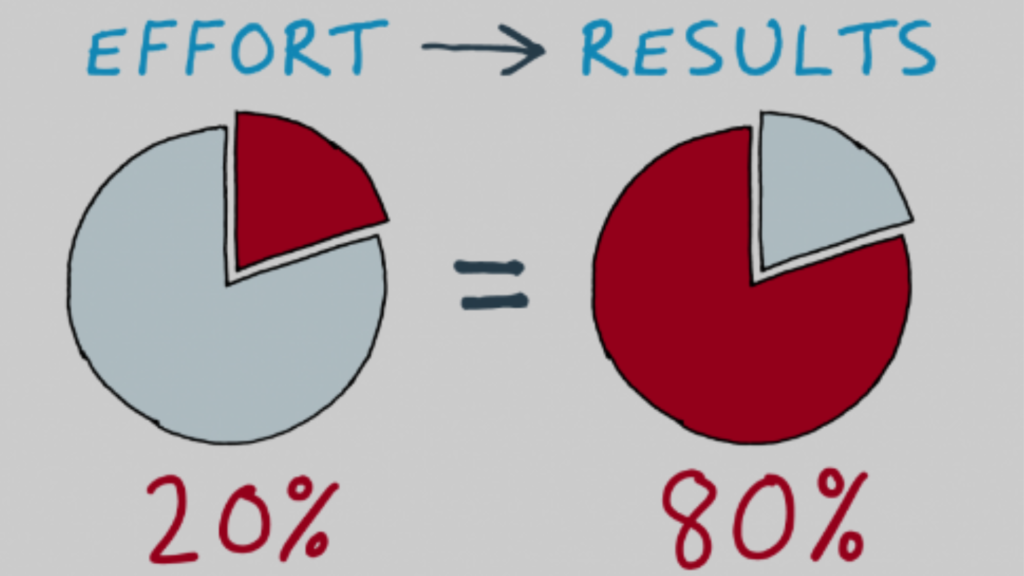
Pareto’s Principle in Leadership and Rope Rescue - Pareto Efficiency in Rope Rescue

20-80 Rule in Knot Tying and Rigging

20-80 Rule in Knot Tying and Rigging Introduction In rescue operations, the 20-80 rule plays a pivotal role in efficiency—20% of the essential techniques address 80% of rescue scenarios. This is particularly true when it comes to knot tying and rigging, where focusing on core skills can significantly improve operational performance. In this blog, we’ll

20-80 Rule in Knot Tying and Rigging Read More »

Knot Craft and Knot Passing and in between

Knot Craft and Knot Passing

Mastering Knot Craft and Knot Passing In rope rescue and rigging, the ability to skillfully create and manipulate knots is more than just a basic requirement—it’s an essential part of ensuring safety, efficiency, and success in the field. Knot craft and knot passing are not isolated skills; they are deeply interwoven techniques that, when mastered,

Knot Craft and Knot Passing Read More »

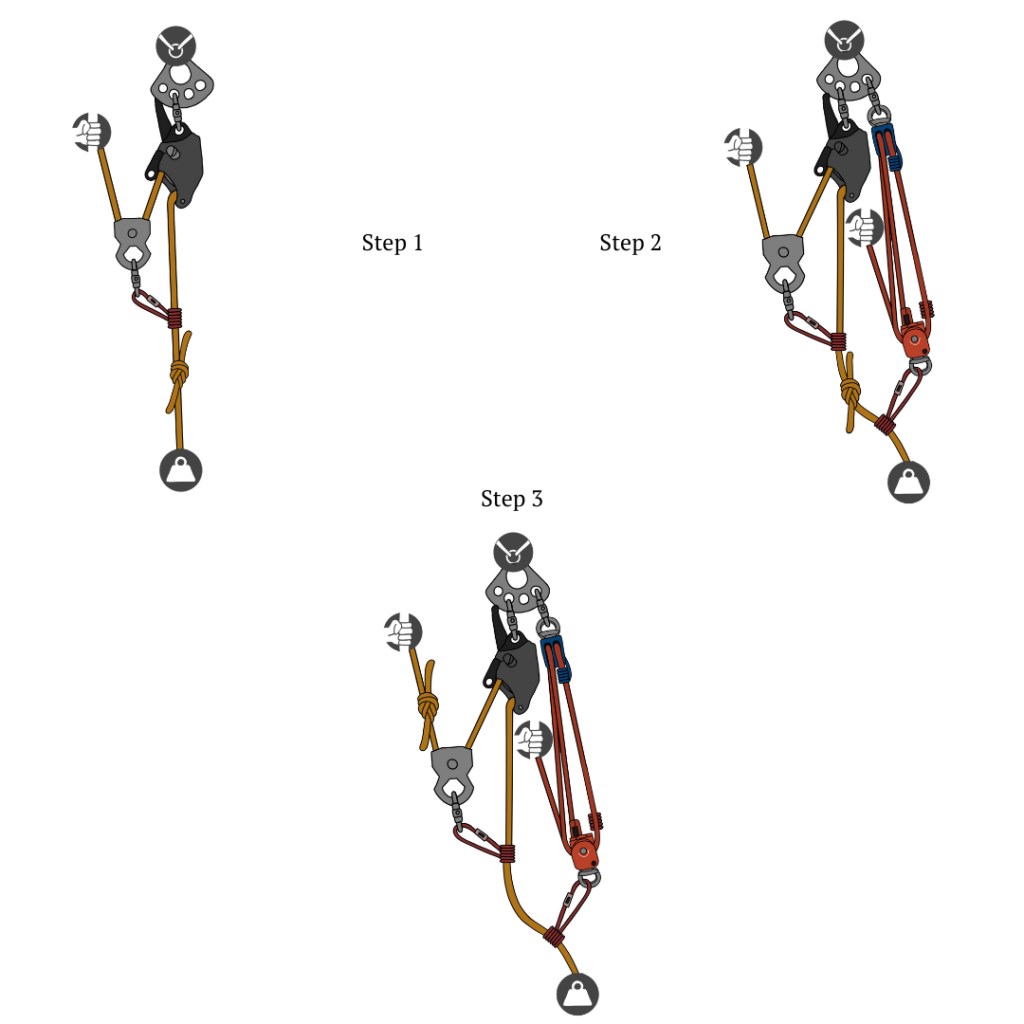
Passing a Knot MA_piggyback_method_(1)

Mechanical Advantage Piggyback Method for Knot Management

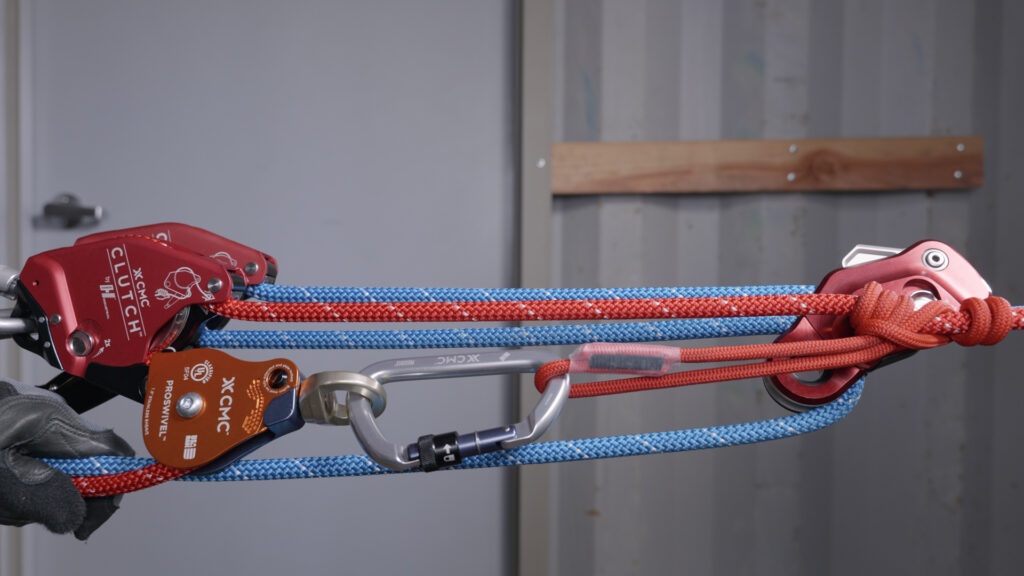
Mastering the Mechanical Advantage Piggyback Method for Rope Rescue The Mechanical Advantage Piggyback Method is a cutting-edge rigging technique designed to handle knots efficiently in rope rescue scenarios, particularly those involving mechanical devices like the Clutch or MPD. By incorporating an additional mechanical advantage system, such as an AZTEK kit, this method ensures smooth transitions

Mechanical Advantage Piggyback Method for Knot Management Read More »

Knot Efficiency in Rope Rescue: Essential Guide - The Language of Rope

The Language of Rope

The Language of Rope: Mastering Terminology for Rigging and Knot Work The language of Rope: understanding the terminology is as vital as the hands-on skills. Language shapes our ability to communicate clearly and operate effectively in high-stakes environments. Misunderstanding or misusing a term can lead to inefficiencies—or worse, compromise safety. This guide dives into the

The Language of Rope Read More »