rescue movement systems

Floating Litter Operations on Tensioned Track Line Systems

Floating Litter Operations on Tensioned Track Line Systems

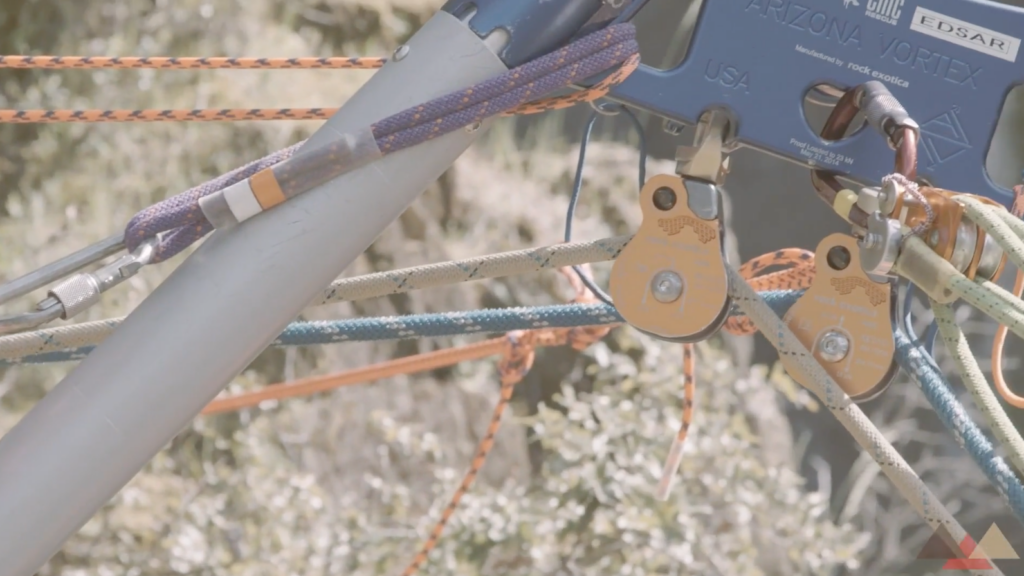
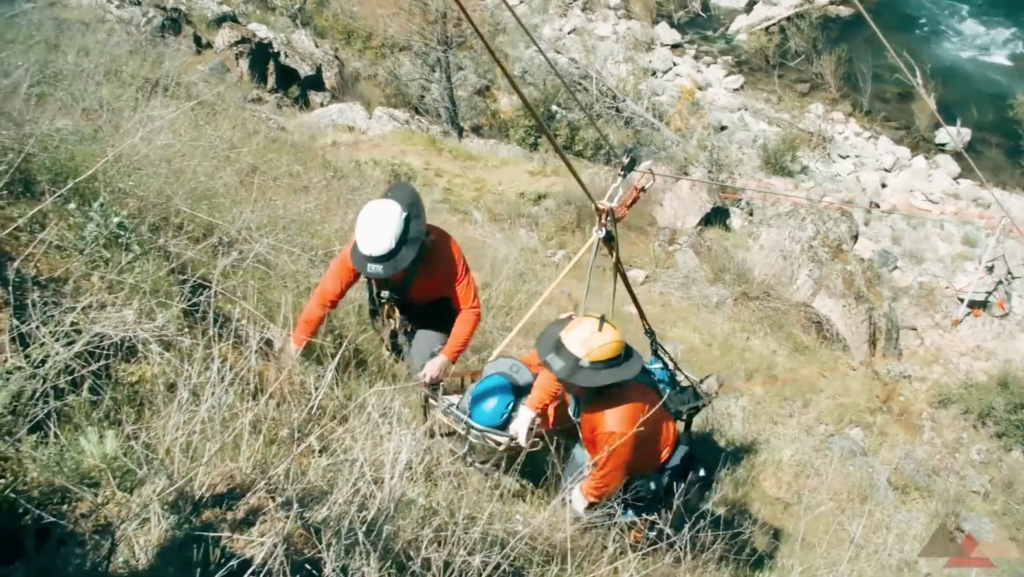
Floating Litter Operations on Tensioned Track Line Systems Moving a patient through steep terrain often creates a conflict between control and efficiency. Ground-based litter movement can expose rescuers to unstable footing, vegetation, loose rock, and changing slope angles. Fully suspended systems eliminate terrain contact but may require more complex rigging and operational coordination. Floating litter […]

Floating Litter Operations on Tensioned Track Line Systems Read More »
Sideways A-Frame Systems for Vertical Positioning and Horizontal Control

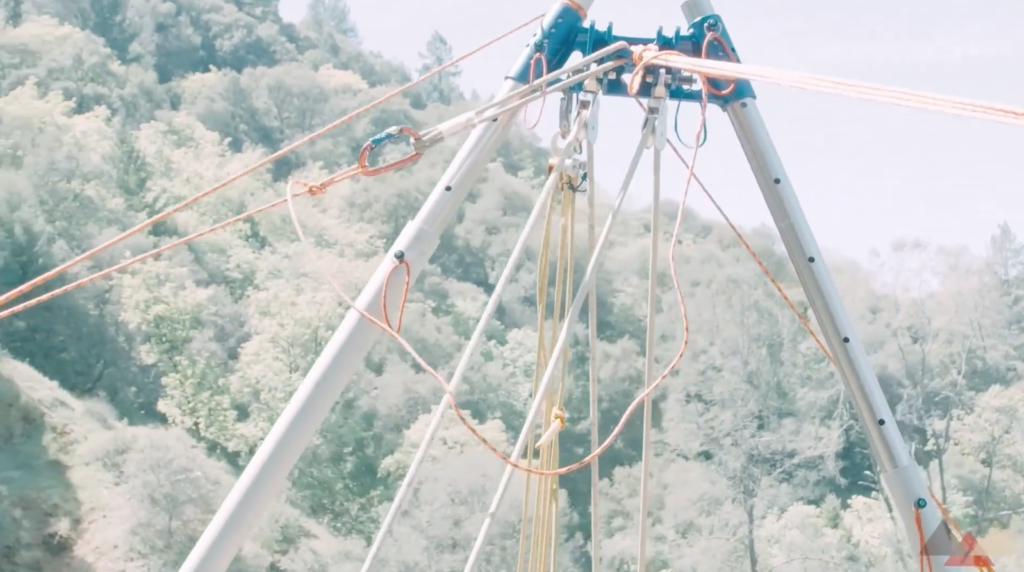
Sideways A-Frame Offset System for Vertical Positioning and Horizontal Control

Dynamic Directional Offsets and Active Load Positioning Offset systems are often described as methods for moving a load away from a cliff face or obstacle. While that description is technically correct, it does not fully explain the operational value of a dynamic offset. Unlike fixed transportation systems that move a load along a predetermined path,

Sideways A-Frame Offset System for Vertical Positioning and Horizontal Control Read More »

TTRS Dynamic Directional AHD

Hybrid High Directional Systems for Vertical and Horizontal Rescue Operations

Hybrid High-Directional Systems for Vertical and Horizontal Rescue Operations Technical rescue systems are often categorized by their primary function. Some systems are designed to manage vertical movement. Others are designed to support horizontal transportation. Complex terrain, however, rarely presents a single movement problem. Rescuers may need to raise a patient from below a cliff edge,

Hybrid High Directional Systems for Vertical and Horizontal Rescue Operations Read More »