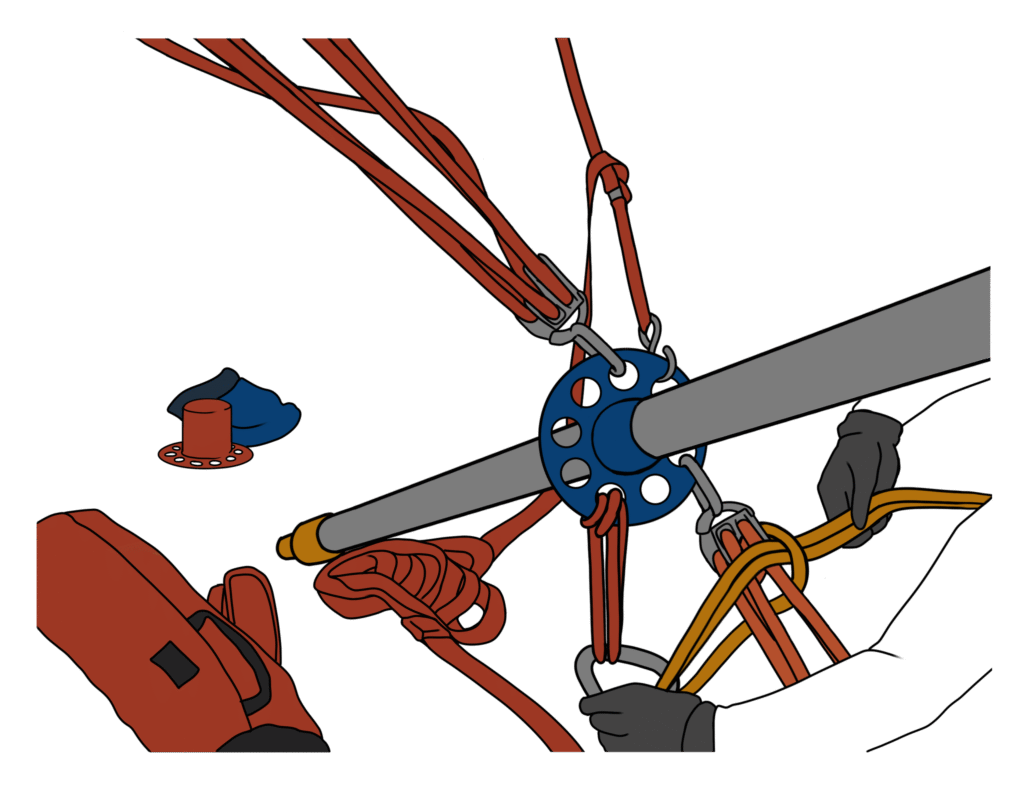
Force Path Analysis

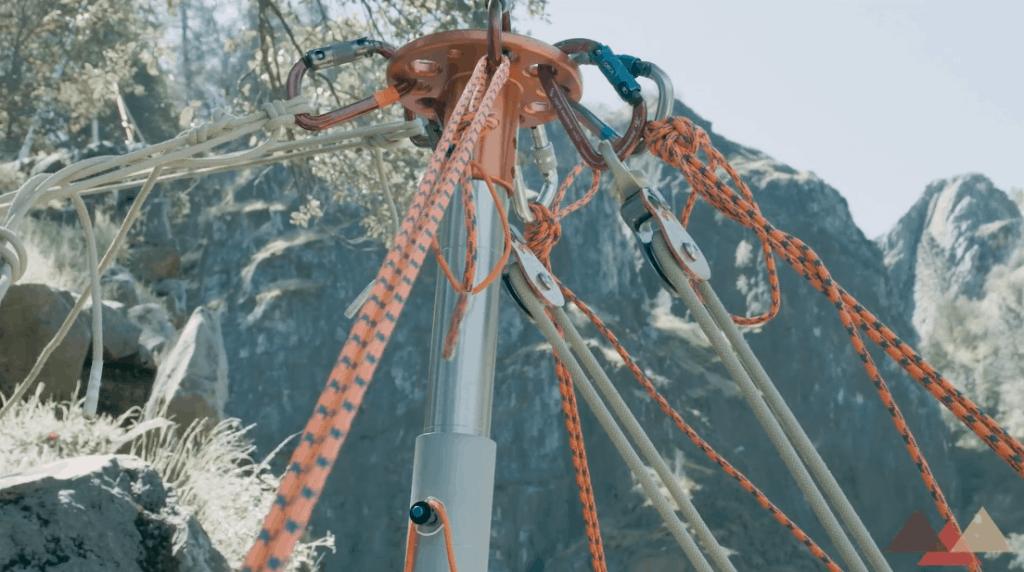
AHD Vortex Gin Pole in TTRS Skate Block

Two Tensioned Rope Systems and Tensioned Track Line Transitions in Canyon Rescue

From Two-Tensioned Rope Systems to Tensioned Track Lines Managing Redundancy, Load Sharing, and System Transitions in Canyon Rescue Technical rescue operations rarely fail because rescuers cannot build a lowering system. They fail because rescuers lose control of force during transitions. This becomes especially apparent in canyon environments where a rescue may begin as a vertical […]

Two Tensioned Rope Systems and Tensioned Track Line Transitions in Canyon Rescue Read More »
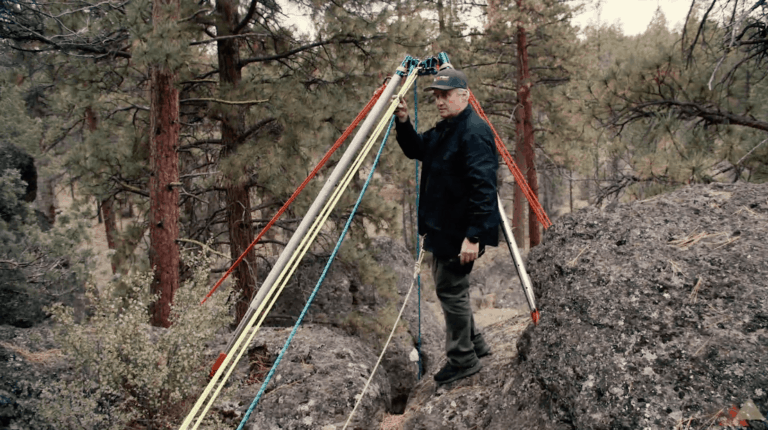
Arizona Vortex Guidebook

Arizona Vortex Configuration Guide for Directional and Anchor Frame Rescue Systems

The Arizona Vortex is often taught as a collection of individual configurations: tripod, A-frame, gin pole, sideways A-frame, and easel-leg variants. But in the field, those configurations are never selected in isolation. Terrain, edge conditions, anchor availability, hauling direction, team size, load path, and operational constraints all shape the decision. This project reframes the Vortex

Arizona Vortex Configuration Guide for Directional and Anchor Frame Rescue Systems Read More »

Elevated Anchor Systems in Technical Rescue

Elevated Anchor Systems in Technical Rescue

Understanding Artificial High Directionals as Structural Systems Artificial High Directionals, often referred to as elevated anchor systems, are sometimes treated as specialized accessories used only when terrain or structure presents a difficult edge. In practice, they are much more significant. These systems function as structural components that influence geometry, manage force vectors, improve movement efficiency,

Elevated Anchor Systems in Technical Rescue Read More »