descent control

two tension twin tension lower single operator back tension safety

CMC Clutch Twin Tension Two Tension Lower

The CMC Clutch Twin Tension Two Tension Lower has become a defining standard in modern rope rescue systems. By integrating the Clutch into a Twin Tension Rope System (TTRS), rescuers can achieve smoother control, balanced load distribution, and built-in redundancy. Whether lowering or raising, the Clutch ensures safe transitions, adaptability across rescue environments, and confidence […]

CMC Clutch Twin Tension Two Tension Lower Read More »

rappelling with the clutch

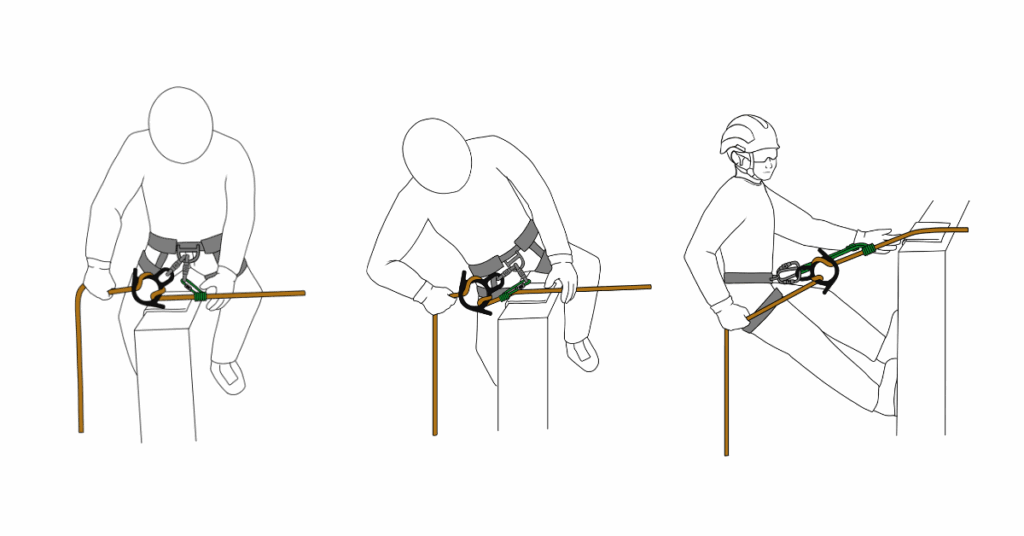
Rappelling with the CLUTCH Device for Technical Rescue

Rappelling with the CLUTCH Device for Technical Rescue The CLUTCH, co-engineered by CMC and Harken Industrial, has rapidly become a trusted standard in rope rescue and tactical descent systems. Designed for precise control and operational versatility, the CLUTCH serves as a multi-role mechanical device capable of rappelling, belaying, lowering, and hauling—all in one compact form.

Rappelling with the CLUTCH Device for Technical Rescue Read More »

prusik hitch self belay

Prusik Hitch Self Belay for Rappelling Safety

Prusik Hitch Self Belay for Rappelling Safety The Prusik hitch self-belay is a simple and reliable method for providing backup protection during a rappel. This technique involves using a friction hitch, specifically the Prusik knot, to create a hands-free safety system that engages automatically if the rappeller loses control of their descent. The self-belay is

Prusik Hitch Self Belay for Rappelling Safety Read More »

Good Rappel Technique

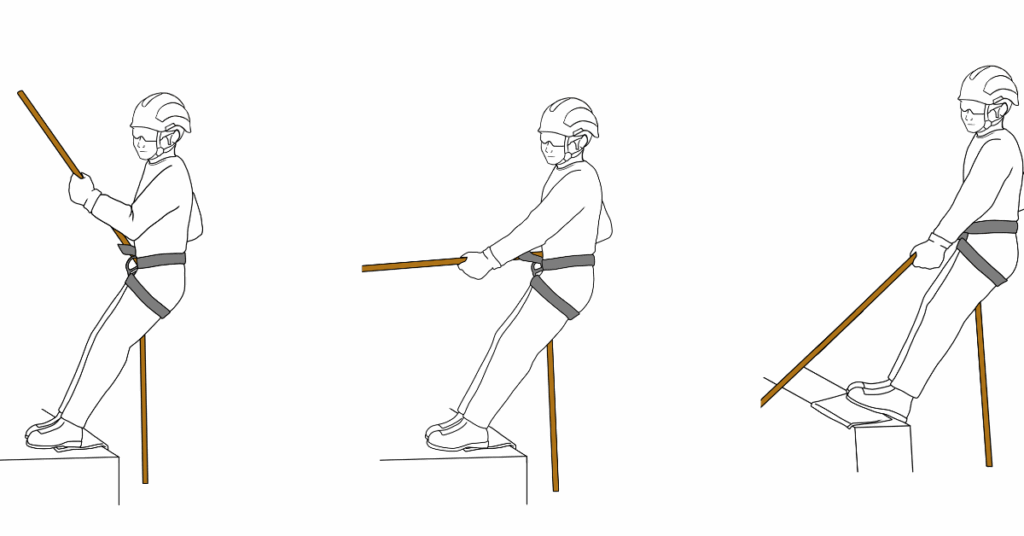
Good Rappel Technique

Good Rappel Technique A controlled rappel is one of the most fundamental—and revealing—skills in rope rescue. Whether you’re navigating a vertical cliff face, industrial structure, or urban high-rise, your technique reflects not just personal proficiency but your ability to manage risks for the entire team. Good rappel technique isn’t about speed or style. It’s about

Good Rappel Technique Read More »

deploying the rappel line

Deploying a Rappel Line

Rappelling is more than just a way down—it’s a vital access and rescue technique that demands precision, planning, and practiced control. In rope rescue, deploying a rappel line isn’t about improvisation. It’s about deliberately building a path through vertical terrain with systems that protect the rescuer and ensure smooth operations. This guide breaks down the

Deploying a Rappel Line Read More »

Twin tension skate block rescue operation

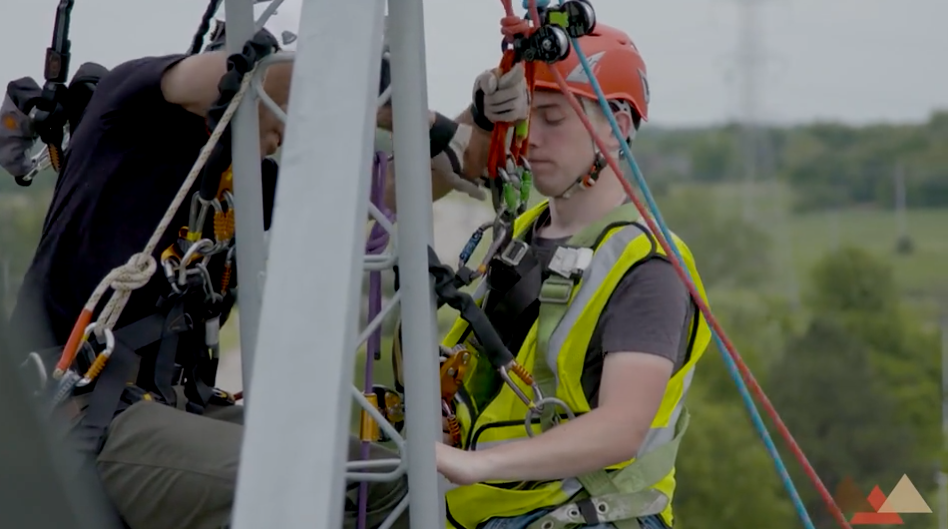
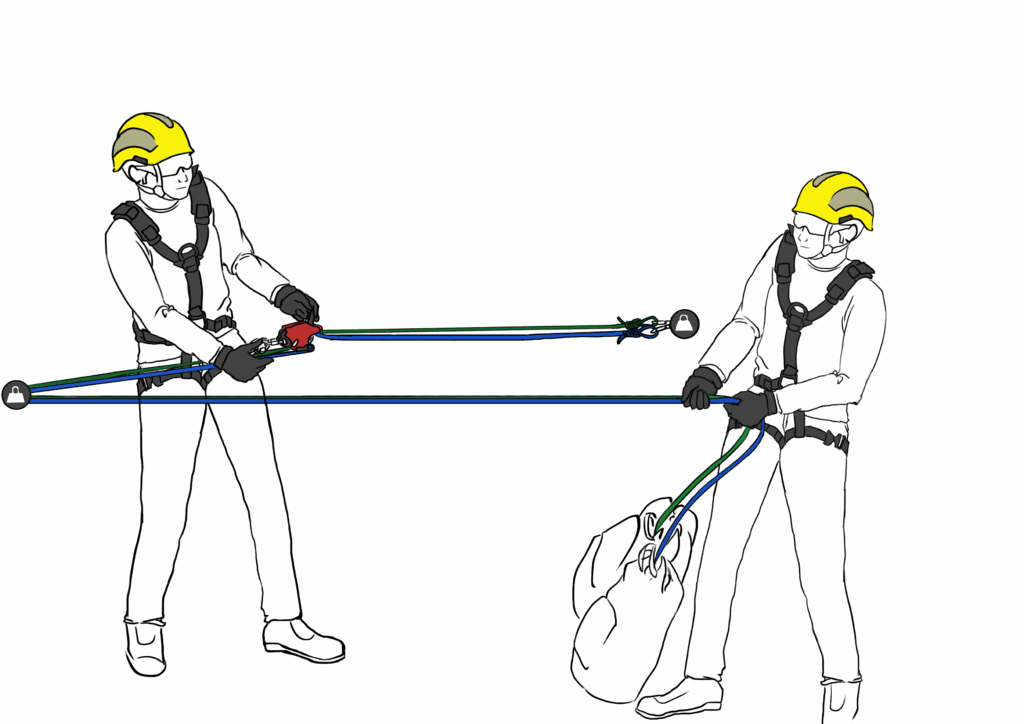
Twin Tension Skate Block in Tower Rescue

Twin Tension Skate Block in Tower Rescue When precision, control, and redundancy matter most, the twin tension skate block system stands out as one of the most refined vertical rescue techniques. This blog walks through a full scenario utilizing this method, focusing on streamlined rigging, dynamic lowering, and the critical importance of redundancy at height.

Twin Tension Skate Block in Tower Rescue Read More »

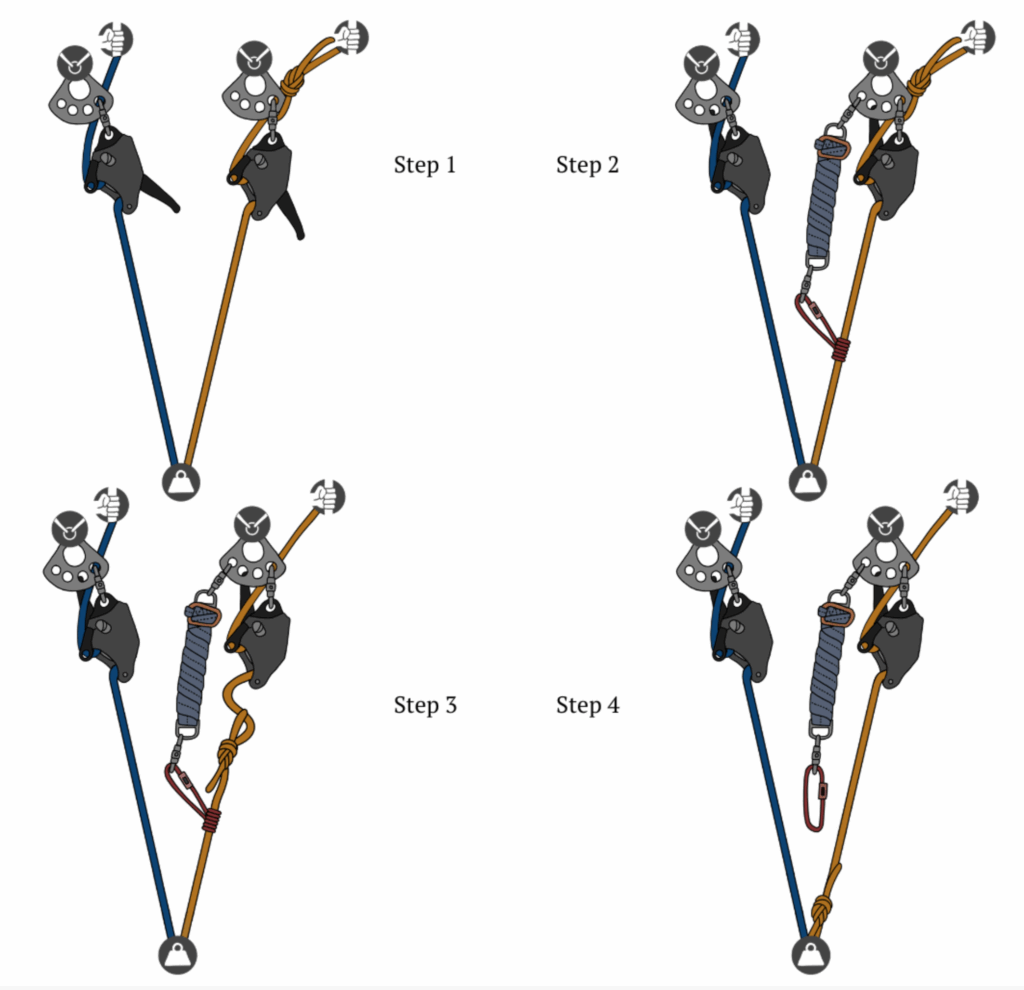
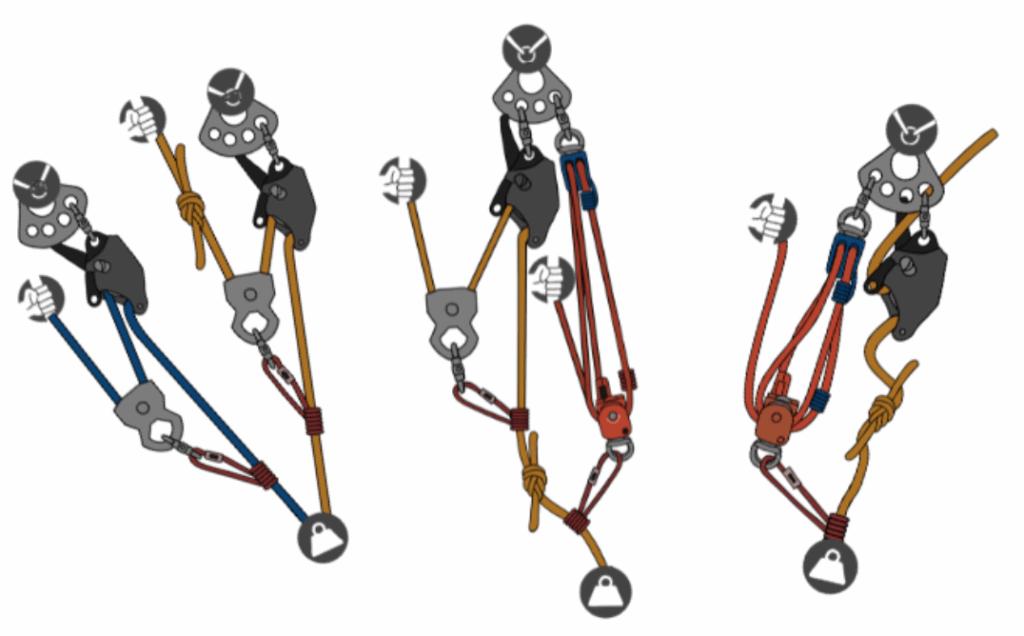
Lowering Piggyback Method for Knot Management in Rope Rescue

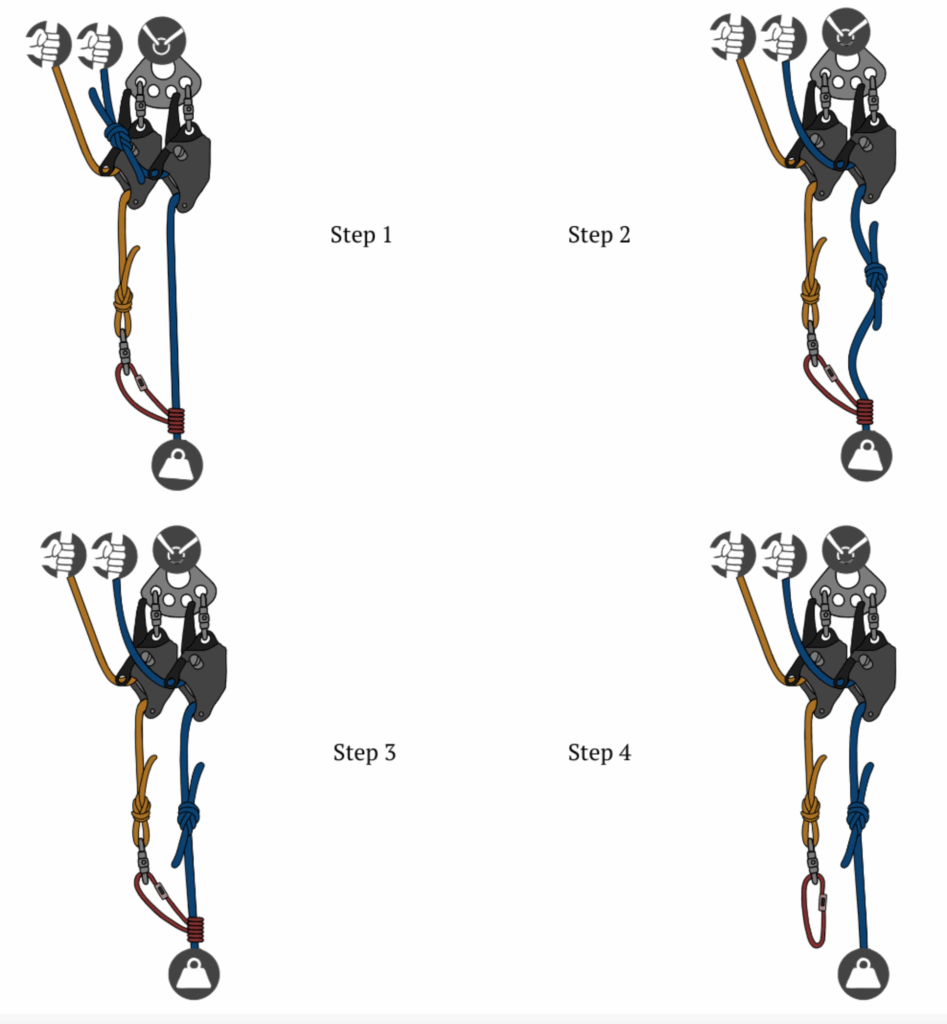
Lowering Piggyback Method for Knot Management in Rope Rescue

The Lowering Piggyback Method is a rope rescue technique used to maintain continuous descent control while safely bypassing a knot in the main line. This method incorporates a secondary descent control system—known as the piggyback—and provides a controlled process for transferring loads when a knot prevents further lowering. Ideal for systems using the Clutch, MPD,

Lowering Piggyback Method for Knot Management in Rope Rescue Read More »

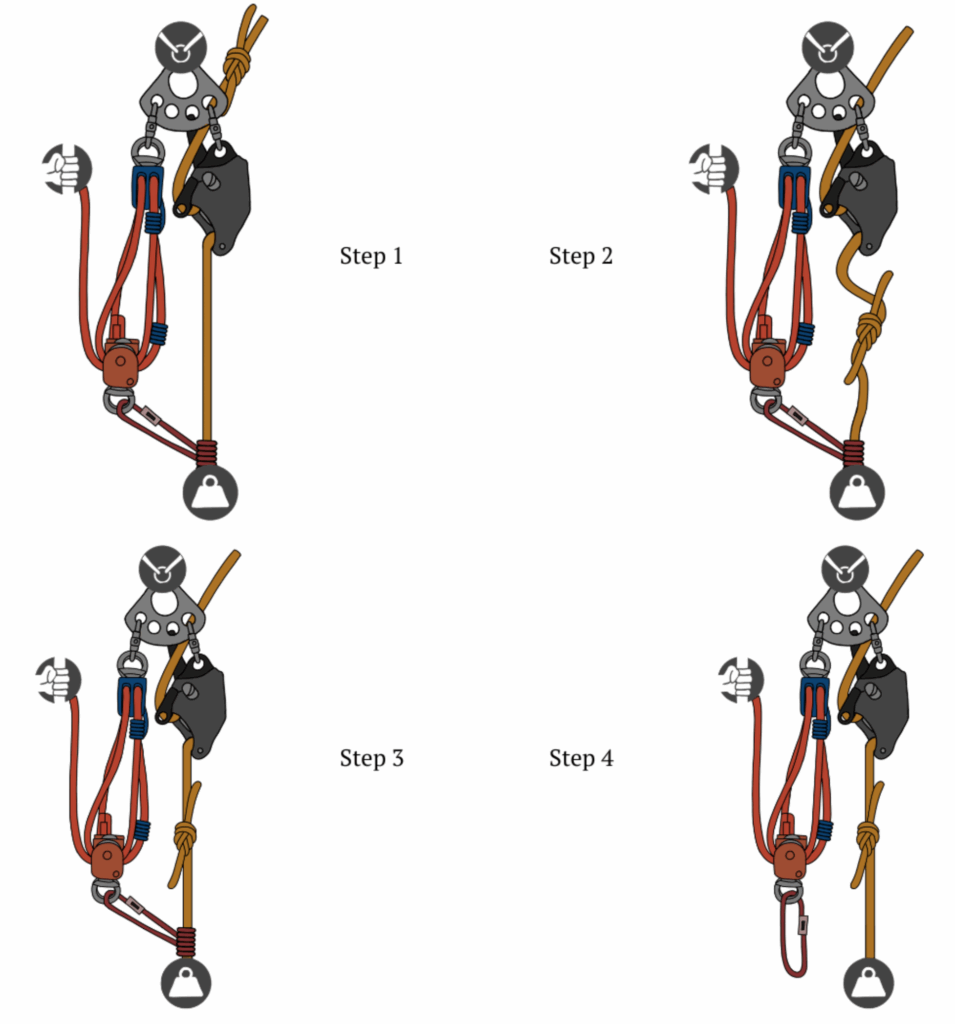
Mechanical Advantage Piggyback Method for Rope Rescue Transitions

Mechanical Advantage Piggyback Method for Rope Rescue Transitions

Mechanical Advantage Piggyback Method for Rope Rescue Transitions – The Mechanical Advantage Piggyback Method is an advanced rope rescue technique used to safely and efficiently pass knots and transition loads during lowering or raising operations. By incorporating a self-contained mechanical advantage (MA) system—such as an AZTEK kit—teams can bypass rope knots without interrupting the primary

Mechanical Advantage Piggyback Method for Rope Rescue Transitions Read More »