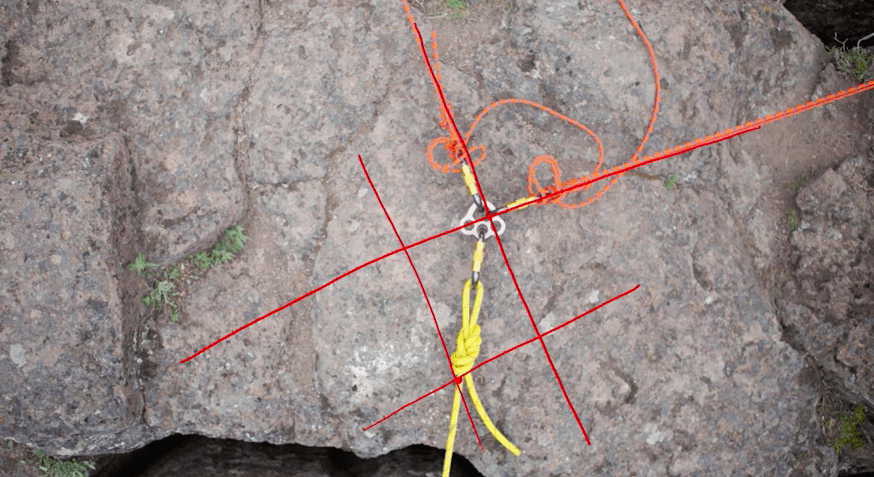
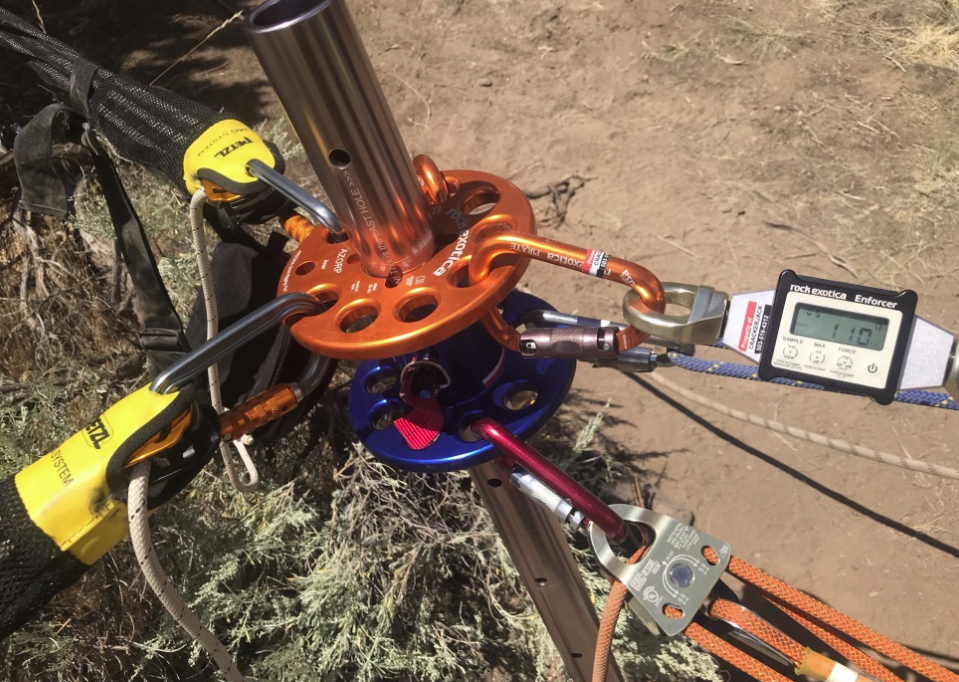
force vectors

mastering rope rescue anchor and the rigging

Geometric and Mechanical Force Vectors in Complex Rescue Rigging Systems

Geometric and Mechanical Force Vectors in Complex Rescue Rigging Systems Executive Summary In technical rope rescue, anchor systems function as engineered structures rather than ad-hoc attachment points. Their performance is governed by geometric force vectors, mechanical leverage, material capacity, and environmental degradation. This report establishes a disciplined engineering framework for evaluating anchor integrity, analyzing force […]

Geometric and Mechanical Force Vectors in Complex Rescue Rigging Systems Read More »

high-level-rigging

Clarity Over Complexity in High-Level Rigging

Clarity Over Complexity in High-Level Rigging In complex rope rescue situations, more gear doesn’t always mean more safety. The High‑Level Rigging philosophy argues that clarity—not complexity—is what holds systems together under stress. By focusing on clear vector logic, role definition, and predictable responses, rescuers can build advanced rigs that don’t confuse—they communicate. 1. Observation: Complexity

Clarity Over Complexity in High-Level Rigging Read More »

Why Context Shapes Competence in Rope Rescue Systems

Why Context Shapes Competence in Rope Rescue Systems

Rope Rescue Isn’t One Size Fits All Why Context Shapes Competence in Rope Rescue Systems… Across the broad spectrum of technical rescue, one hard truth stands out: rope systems don’t operate in a vacuum. Every setup, every training, and every load path must reflect the real context—from a wind turbine platform to an alpine ridgeline.

Why Context Shapes Competence in Rope Rescue Systems Read More »

The Evolution of Rescue Rope Technology shows how today’s ropes are stronger, more reliable, and designed for the toughest missions - Understanding Force Concentration in Fixed Offset Systems

Understanding Force Concentration in Fixed Offset Systems

Understanding Force Concentration in Fixed Offset Systems Understanding Force Concentration in Fixed Offset Systems in rescue and rope access operations, redirects and deflections is pretty darn important—but few realize just how dramatically these setups affect force distribution. Understanding where, how, and why force concentrates in offset and deflected systems is critical for building safe, efficient

Understanding Force Concentration in Fixed Offset Systems Read More »

Force Vectors and Horizontal Systems

Force Vectors and Horizontal Systems

Force Vectors and Horizontal Systems in Rope Rigging Understanding the dynamics of force vectors is crucial for designing safe and effective rope rigging systems. When working with multiple anchor points, technicians must carefully manage the angles formed between these points. Larger angles result in greater stress on the anchors, potentially compromising the system’s integrity. Minimizing

Force Vectors and Horizontal Systems Read More »

Force Multipliers in Rigging

Force Multipliers in Rigging

Understanding rigging involves grasping key concepts of trigonometry and vector physics. Rigging, at its core, is about managing force—its direction, magnitude, and impact on systems. To effectively study rigging, one must also study vectors, which combine both direction and magnitude to describe forces. This understanding is crucial for building safe and efficient rope systems. Scalars

Force Multipliers in Rigging Read More »

Building Your Rigging Quiver

Building Your Rigging Quiver

Building Your Rigging Quiver We all want the best—a stellar life—but what does “best” even mean? Marriage, kids, friends, jobs, cars, houses… those are the easy answers. But peel back the layers, and you’ll see most of us are struggling to define what “best” truly looks like for our own lives. Here’s the truth: we

Building Your Rigging Quiver Read More »