
Teaching the Twin Tension Rope System in the Classroom
The Twin Tension Rope System — TTRS — represents one of the most significant shifts in rescue rigging philosophy in recent decades. For a long
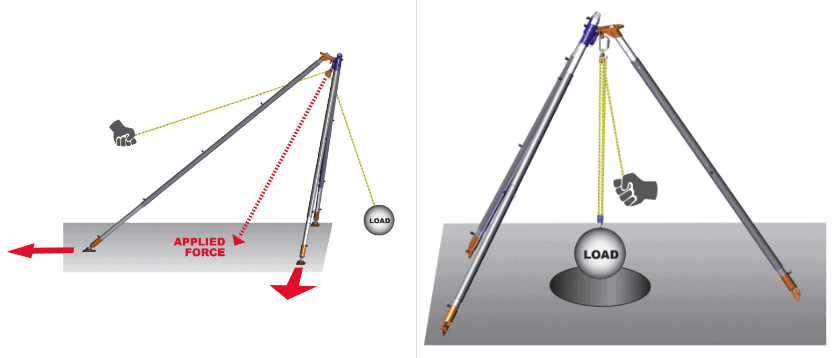
Rigging a 5:1 MA Off a Tripod for Confined Space Rescue
Rigging a 5:1 MA Off a Tripod for Confined Space Rescue A complete operational breakdown for raising a 200 lb load 30 feet — with

Mechanical Advantage and Anchor Systems in Rope Rescue
In rope rescue, mechanical advantage and anchor systems are never separate subjects. Every haul system depends on an anchor, and every anchor must be capable

Elevated Anchor Systems in Technical Rescue
Understanding Artificial High Directionals as Structural Systems Artificial High Directionals, often referred to as elevated anchor systems, are sometimes treated as specialized accessories used only
Anchor Force Distribution in Technical Rescue Rigging
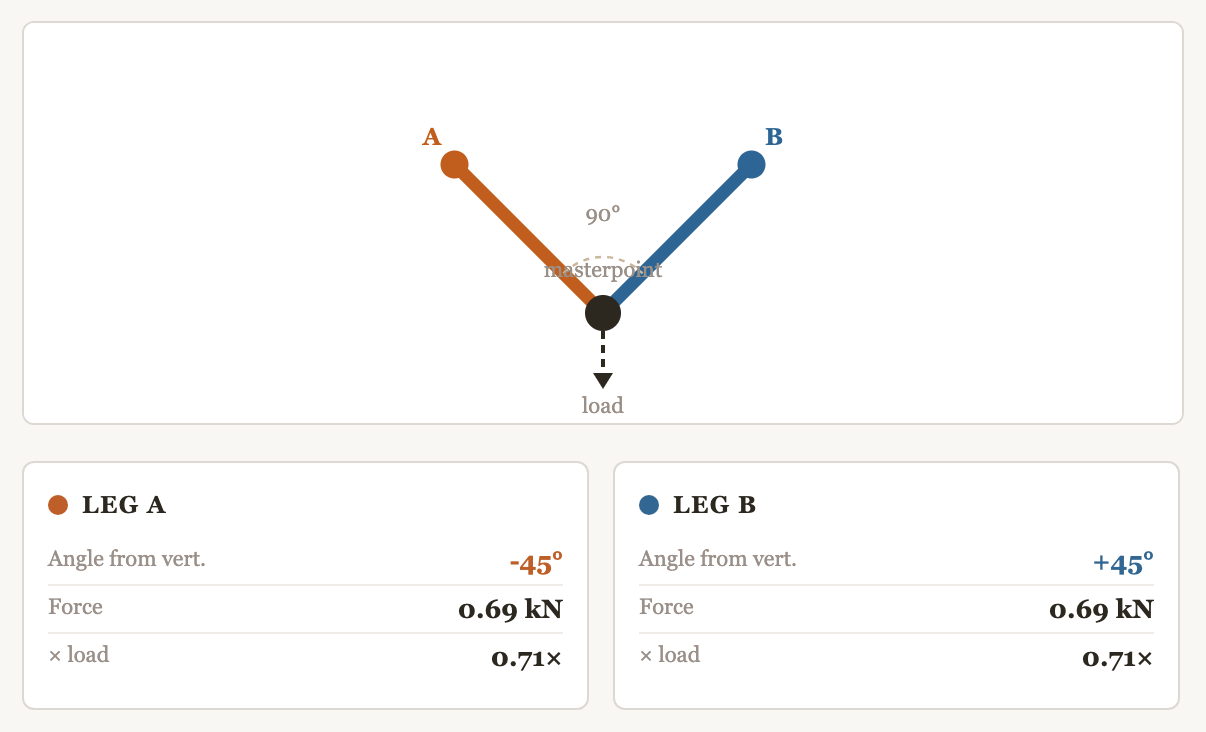
Anchor Force Distribution in Technical Rescue Rigging Understanding anchor force distribution in technical rescue is the difference between a technician who follows rules and one
Why Nothing in Technical Rope Rescue Stands Alone
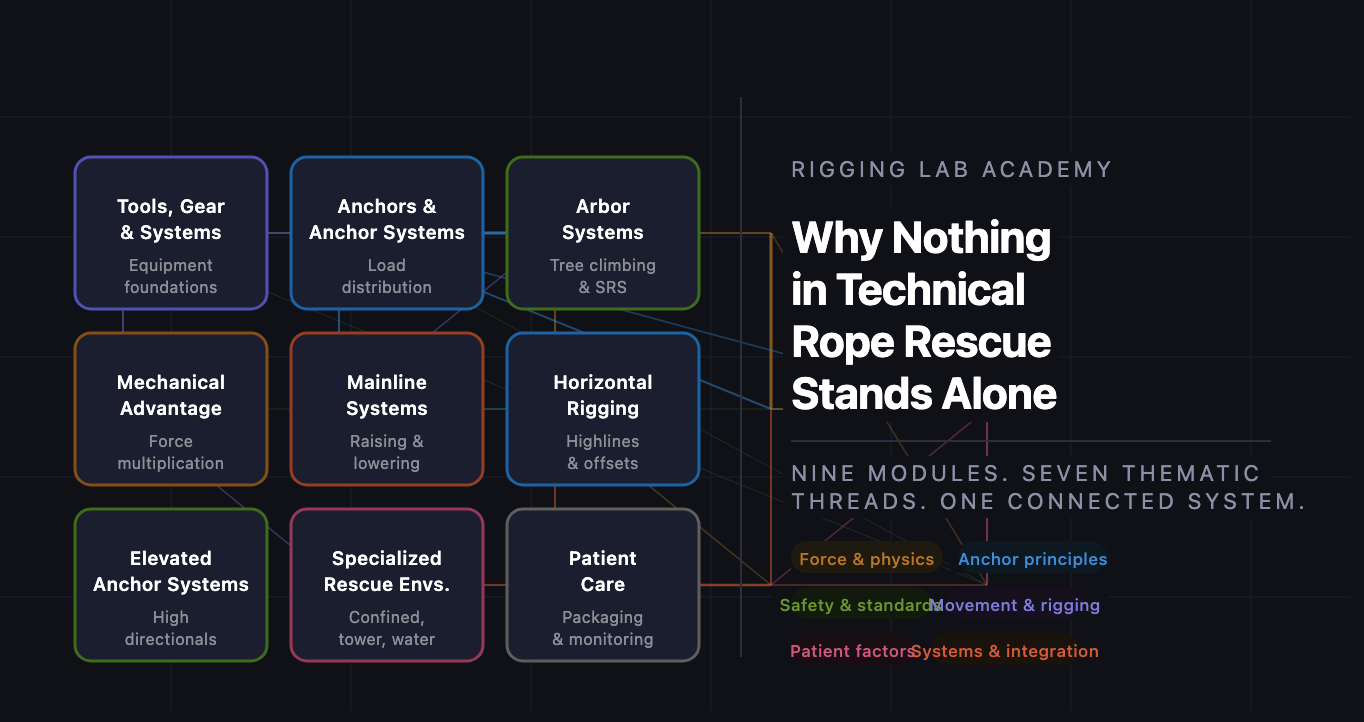
Why Nothing in Technical Rope Rescue Stands Alone Ask any experienced rope rescue practitioner what separates a competent technician from a truly dangerous one, and
Course Finder for Technical Rigging Training at Rigging Lab Academy
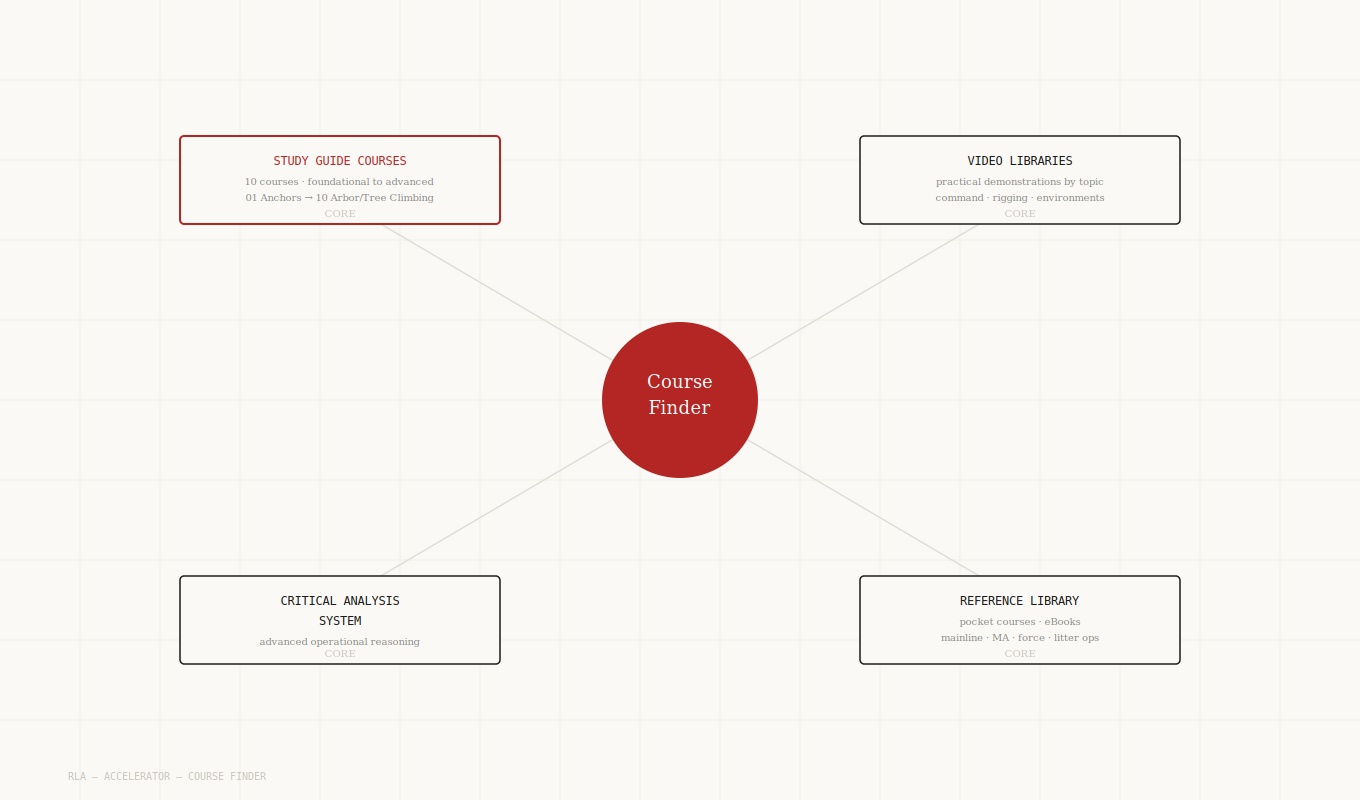
Course Finder for Technical Rigging Training at Rigging Lab Academy You know you need to learn more. The discipline is clear, the commitment is there,
Scenario Analysis for Operational Rigging Decisions
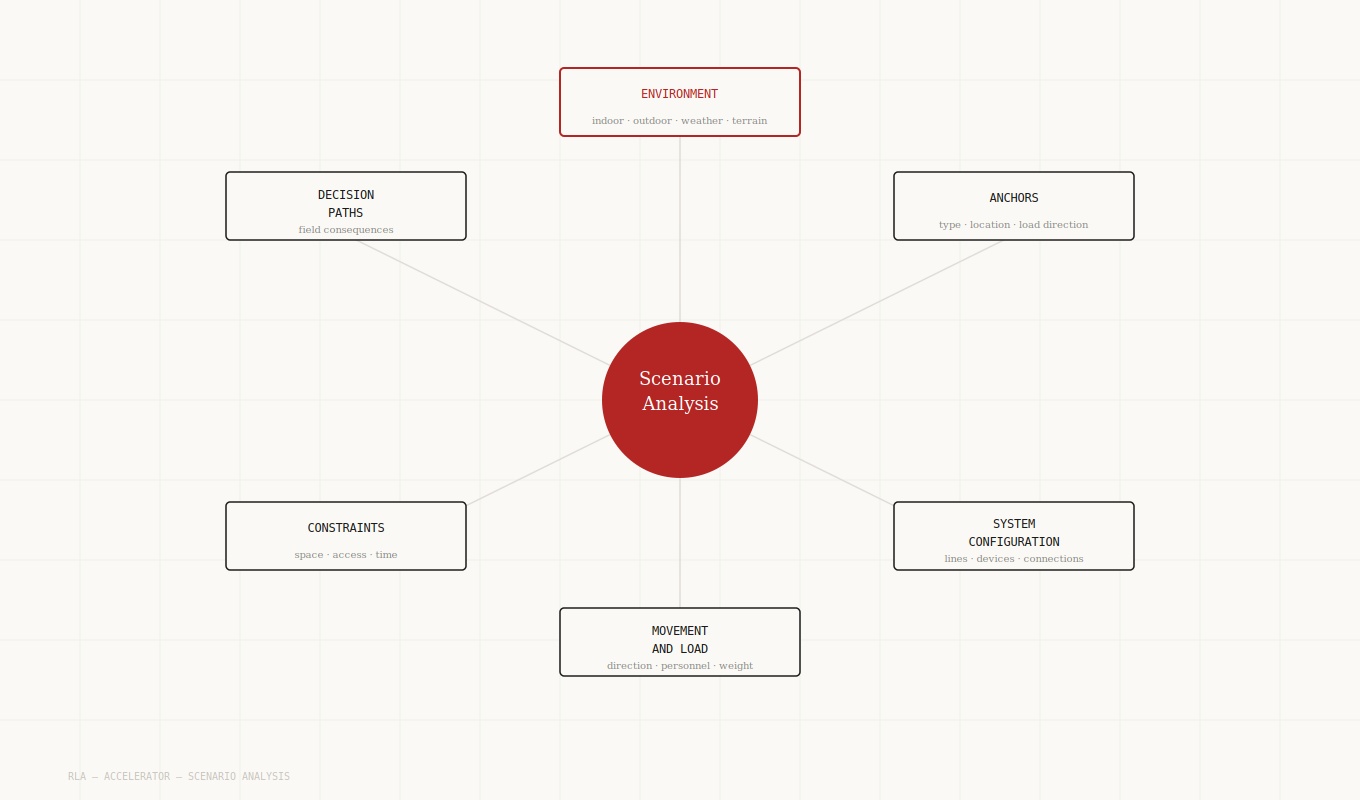
Scenario Analysis for Operational Rigging Decisions You have a scenario. Not a question with a clean answer and not a system waiting to be verified
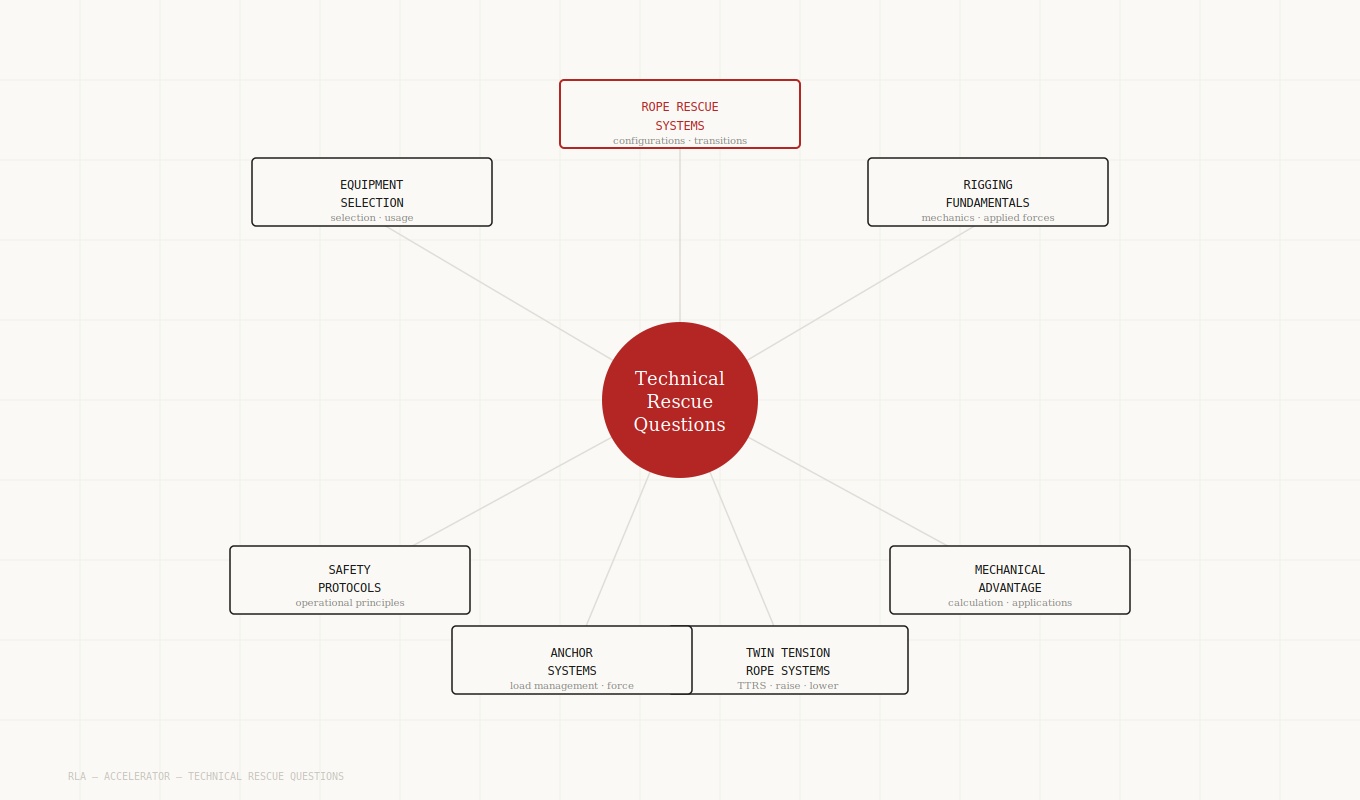
Technical Rescue Questions Answered from the RLA Knowledge Base
Technical Rescue Questions Answered from the RLA Knowledge Base You have a technical rescue question. Not a general one — a specific one. The kind
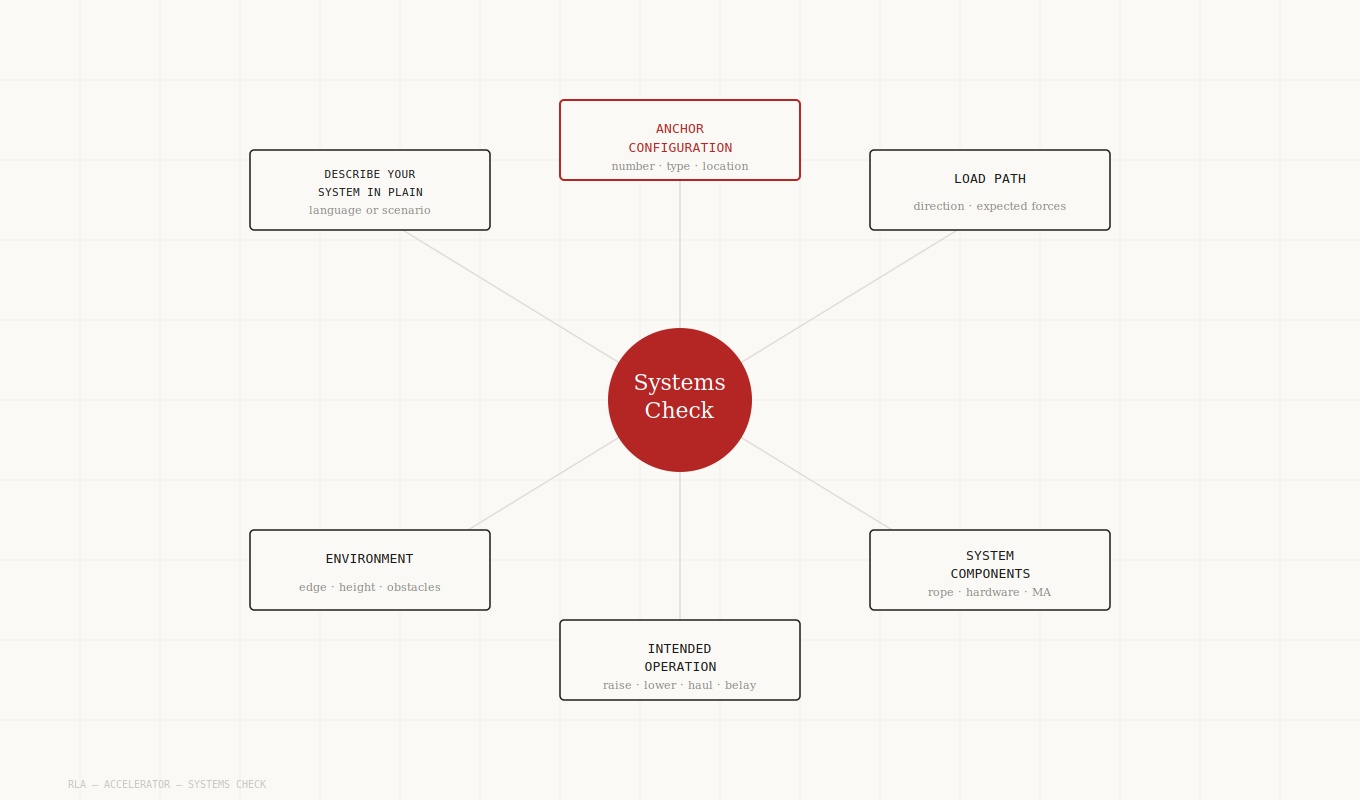
Rigging Pre-Operation Check Before the Load Goes On
Rigging Pre-Operation Check Before the Load Goes On You’ve built the system. The anchors are set, the rope is rigged, and the hardware is in