Litters and Litter Rigging
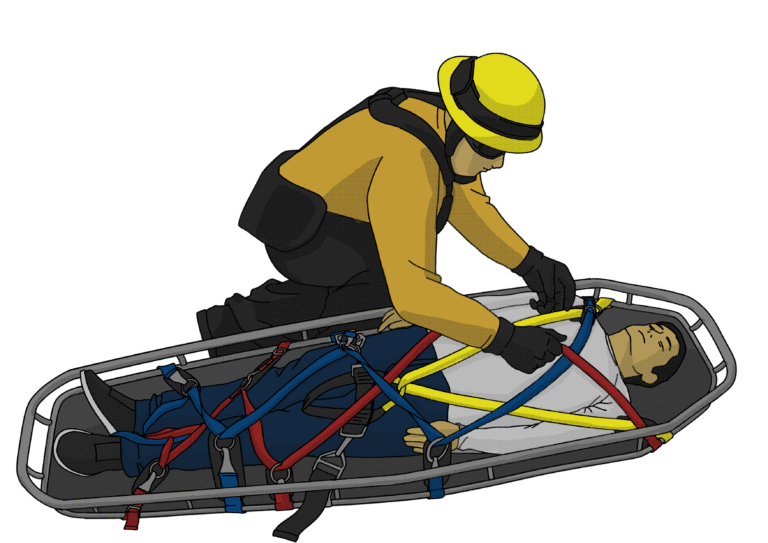
Patient packaging and patient transportation are closely connected, yet they are not the same task.
A patient may be properly positioned, restrained, and protected within a litter, but those efforts alone do not guarantee a successful rescue. Once packaging is complete, the challenge shifts from preparing the patient to moving the patient. This transition introduces a new set of considerations involving equipment selection, structural capability, suspension systems, transportation methods, and environmental demands.
The litter serves as the platform that makes technical rescue transportation possible. It provides support, protection, and a means of integrating the patient into the larger rescue system. Whether the operation involves a wilderness evacuation, a steep-slope rescue, an industrial incident, or a vertical extraction, the litter becomes the connection between patient care and movement.
Just as patient packaging requires careful planning, litter selection and rigging require deliberate decision-making. Different rescue environments create different transportation challenges. Terrain, access limitations, transportation distance, suspension requirements, and operational objectives all influence how a litter will be used.
The litter itself is only one part of the system. Accessories, harnesses, suspension methods, and transportation orientations all contribute to the effectiveness of the operation. Together, these components create a transport platform capable of moving a packaged patient through environments that would otherwise be inaccessible.
This chapter examines the litter as a complete transportation system. Understanding the strengths, limitations, and applications of various litter configurations allows rescuers to select and rig the appropriate platform for the demands of the mission.
The patient is now transport-ready. The next step is understanding the system responsible for carrying that patient through the rescue environment.
Patient Care Equipment and Systems
Litter Types
No single litter design is suitable for every rescue environment. Over time, manufacturers and rescue organizations have developed a variety of litter styles to address different transportation challenges. Each design offers advantages and limitations that influence how and where it can be used.
Litter selection should always be driven by operational requirements rather than personal preference. The environment, transportation method, patient condition, and anticipated rescue challenges all contribute to determining which litter is most appropriate for the mission.
Although litter designs may differ, they all serve the same fundamental purpose: providing a secure platform capable of supporting patient transportation.
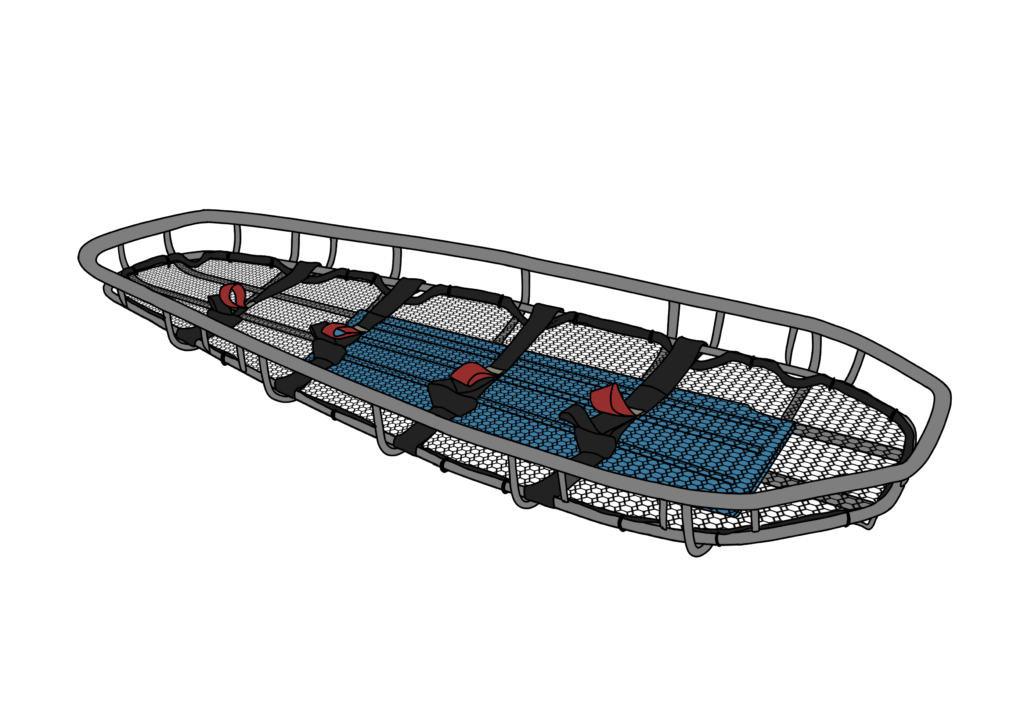
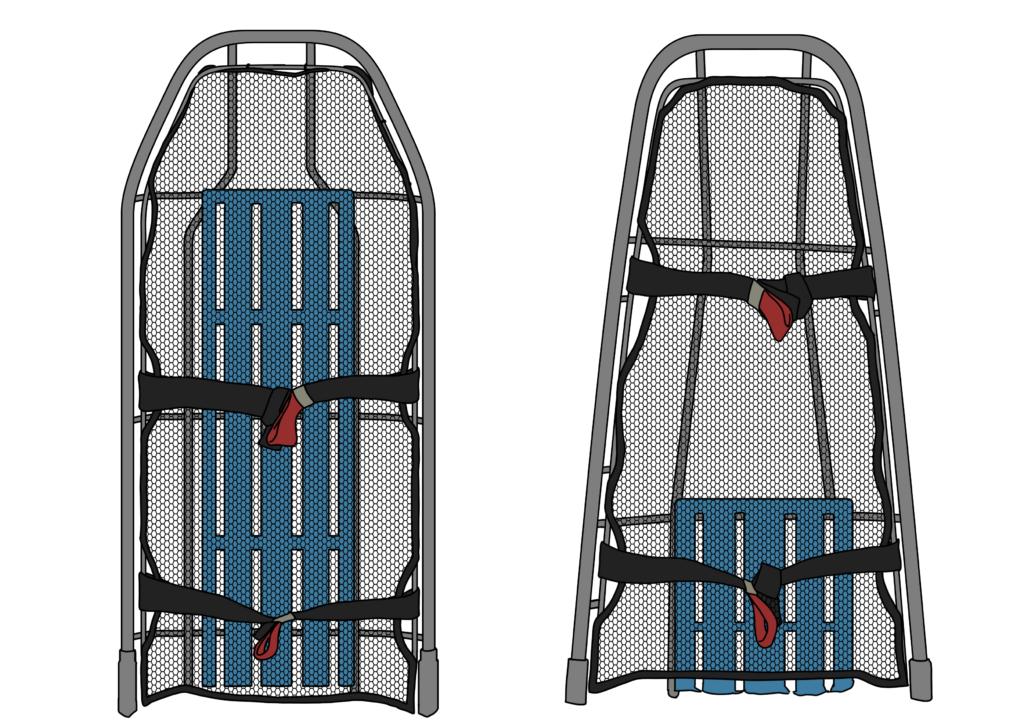
Basket Litter
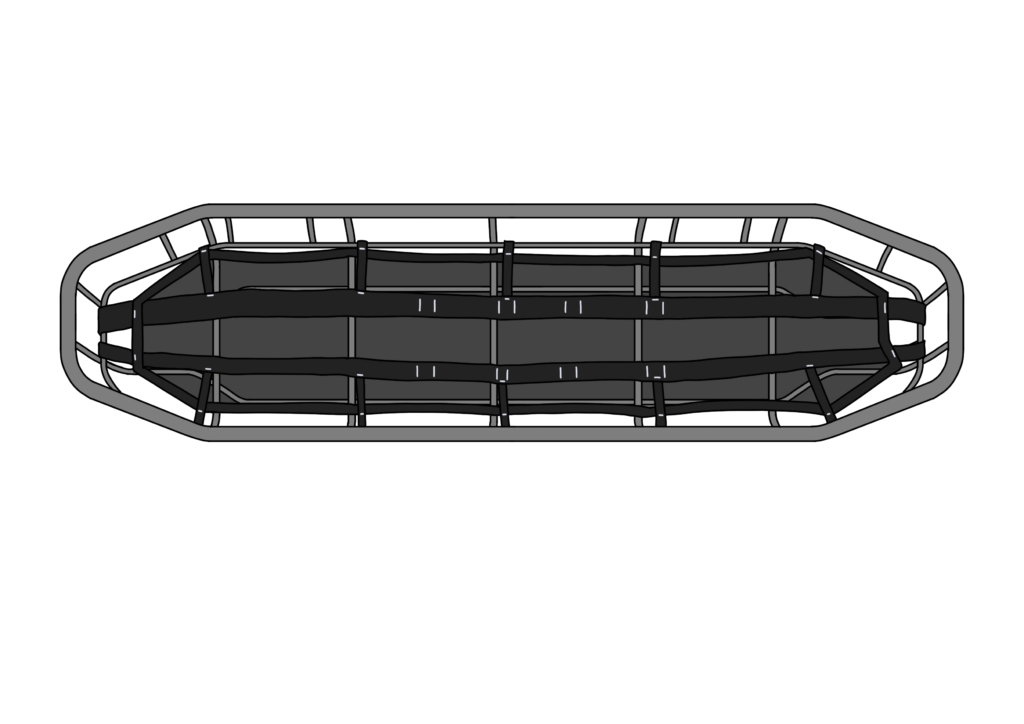
The basket litter remains one of the most recognizable and widely used rescue litters. Its rigid structure provides excellent patient support while offering multiple attachment points for restraint systems, accessories, and suspension harnesses.
The design allows rescuers to package and transport patients across a wide range of environments. Basket litters perform well during carries, low-angle operations, and many rope rescue applications, making them a versatile option for rescue teams.
Their durability and adaptability have contributed to their long-standing role within technical rescue operations. For many organizations, the basket litter continues to serve as the primary transportation platform for both training and field deployment.
Plastic Litters
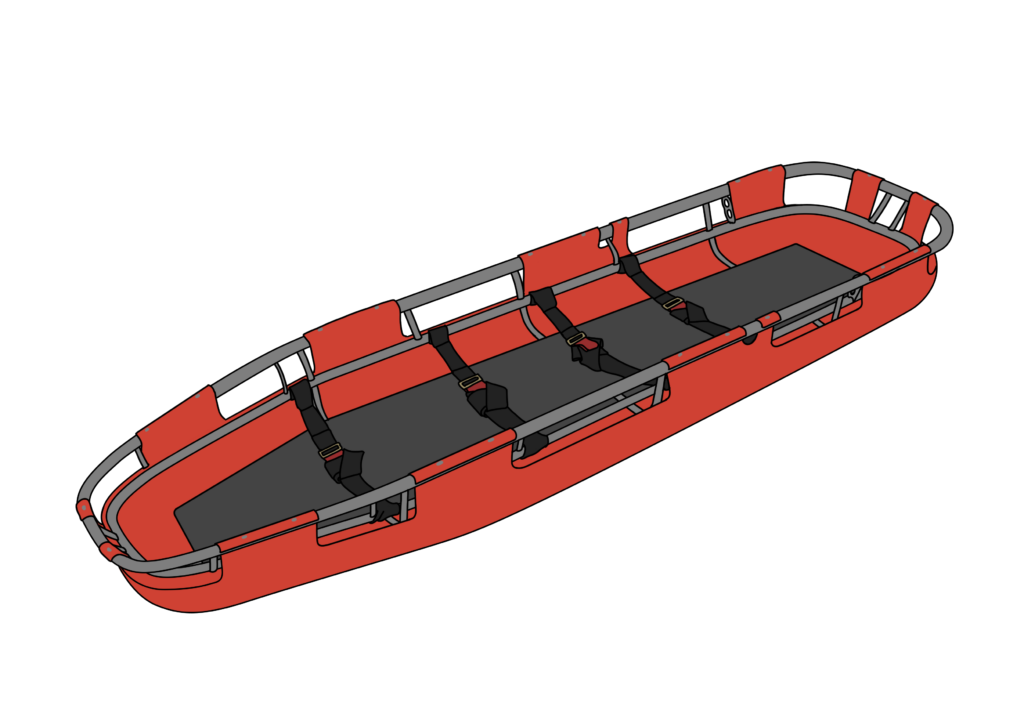
Plastic litters provide an alternative approach to patient transportation by combining durability with environmental resistance. Their construction often allows them to perform well in wet, muddy, contaminated, or harsh operating environments where maintenance and cleaning considerations become important.
These litters can offer advantages in situations where exposure to water, chemicals, or difficult terrain may affect operational performance. Their design also supports many of the same packaging and transportation objectives found in more traditional litter systems.
As with all rescue equipment, selection should be based upon mission requirements rather than assumptions about superiority. Different environments place different demands upon the transportation platform.
Semi-Rigid Litters
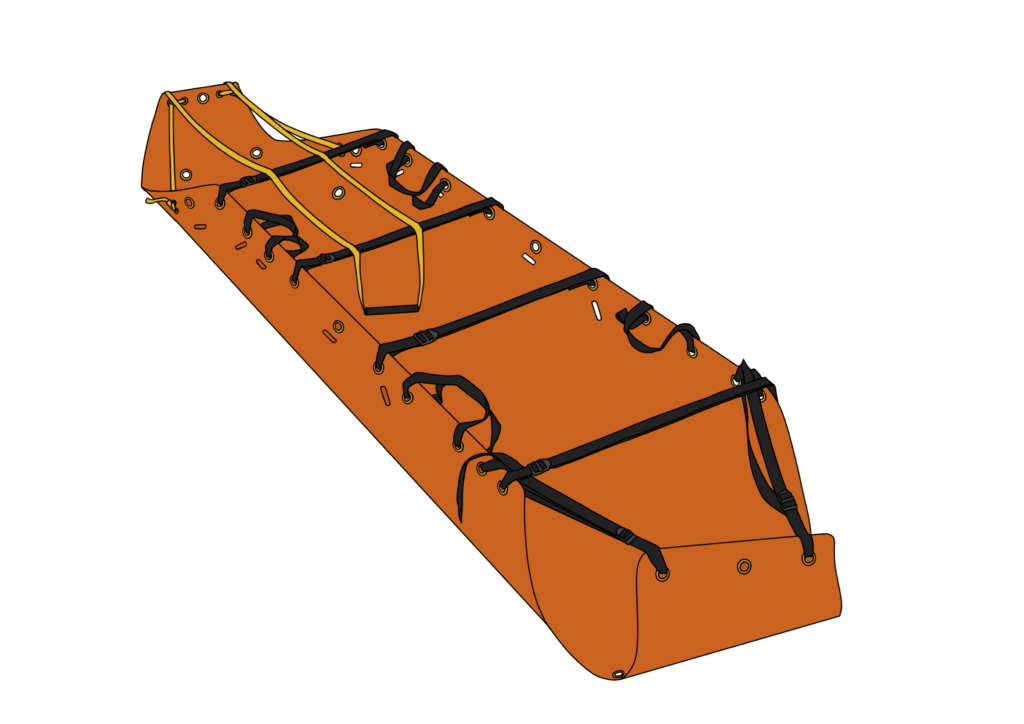
Semi-rigid litters are designed to provide transportation capability while offering increased flexibility for environments where rigid litter systems may be difficult to deploy.
Their ability to adapt to confined spaces, restricted access routes, and specialized transportation requirements has made them a valuable tool in many rescue disciplines. They are often selected when storage, portability, or access limitations become significant operational considerations.
Although their construction differs from traditional basket-style litters, the objective remains unchanged. The litter must support patient packaging, protection, and transportation throughout the rescue operation.
The choice between rigid and semi-rigid systems ultimately depends upon the challenges presented by the rescue environment and the transportation objectives of the team.
Litter Strength
Every rescue litter functions as a structural component within a larger transportation system. While patient comfort and protection remain important considerations, rescuers must also understand the litter’s ability to withstand the forces encountered during transportation.
Those forces may be generated by carrying operations, hauling systems, lowering systems, edge transitions, suspension systems, and changes in orientation throughout the rescue. The litter must be capable of supporting both the patient and the operational demands imposed upon it.
Understanding litter strength helps rescuers make informed decisions regarding rigging methods, suspension techniques, and operational limitations. It also reinforces an important concept within technical rescue: transportation systems must be evaluated as complete systems rather than as isolated components.
A litter’s performance depends not only on its construction, but also on how it is integrated into the overall rescue operation.
Patient Care Equipment and Systems
Litter Accessories
Rescue litters are often enhanced through the use of accessories that improve patient support, protection, transportation efficiency, or operational capability.
These accessories do not replace proper packaging or rigging practices. Instead, they expand the effectiveness of the litter system and allow rescuers to address specific challenges encountered during transportation.
The value of any accessory should be measured by how well it supports the larger transportation objective and integrates with the overall rescue system.
Litter Insert
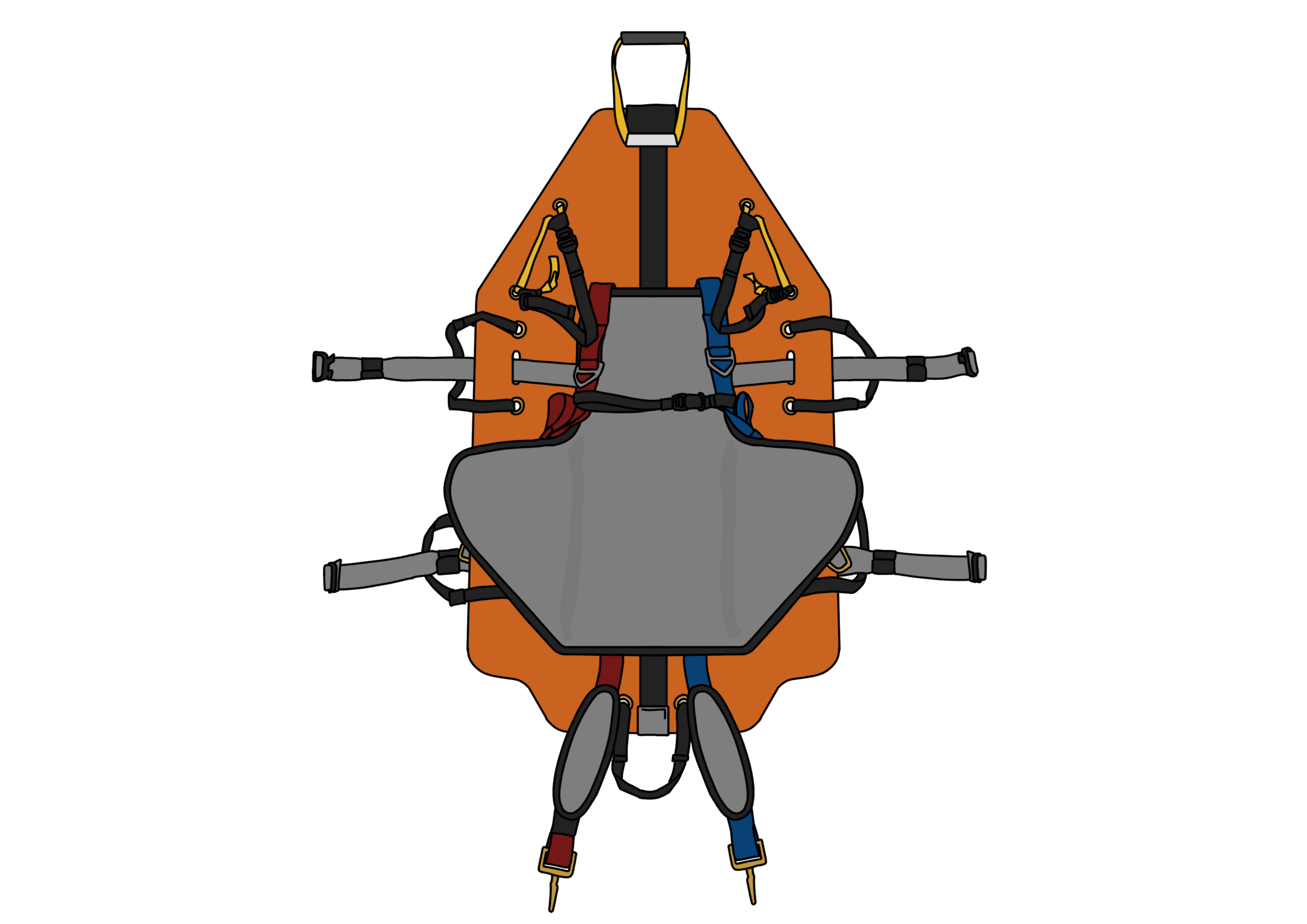
The litter insert provides an additional layer of support between the patient and the litter structure. By creating a more stable and supportive surface, the insert contributes to both patient comfort and transportation effectiveness.
Beyond comfort considerations, inserts may also assist in maintaining patient position and improving overall packaging stability during movement.
As transportation times increase or terrain becomes more challenging, these benefits can become increasingly important.
Litter Shield
The litter shield extends the protective capabilities of the packaging system by helping to reduce patient exposure to environmental hazards encountered during transportation.
Whether addressing debris, vegetation, weather, or other external threats, the shield contributes another layer of protection between the patient and the environment.
Its effectiveness is maximized when integrated into a comprehensive packaging and transportation strategy.
Litter Wheel
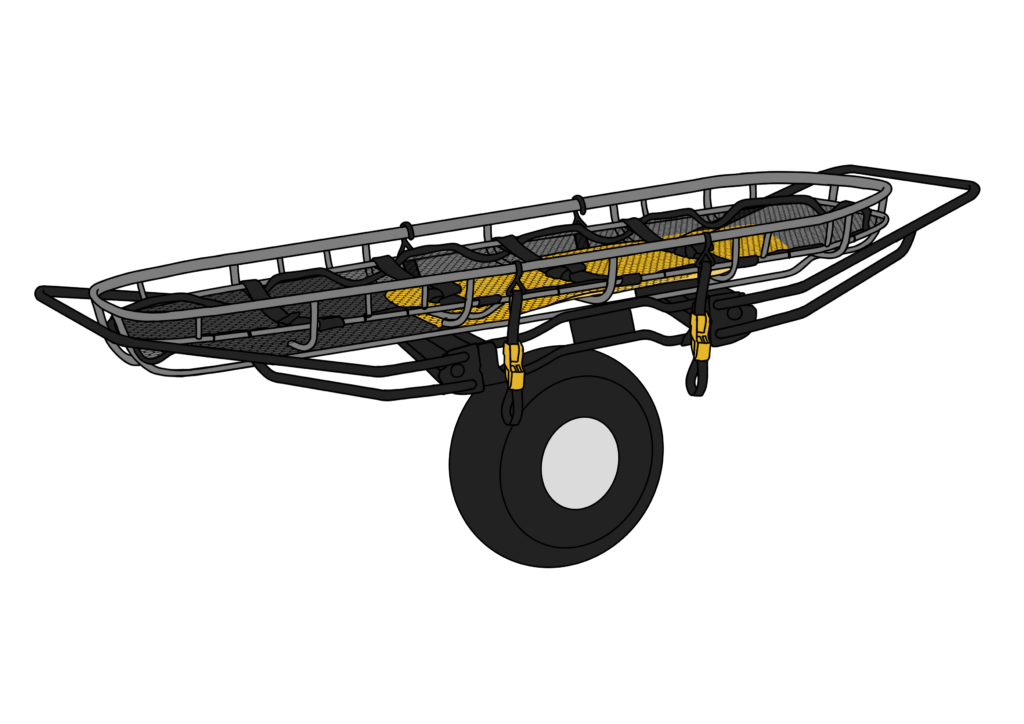
The litter wheel is designed to improve transportation efficiency during ground-based movement. By reducing the amount of weight carried by rescuers, it can help extend operational capability and improve movement over appropriate terrain.
The usefulness of a litter wheel depends upon route conditions, terrain characteristics, and transportation objectives. In suitable environments, it can significantly improve mobility and reduce rescuer fatigue.
Like all accessories, its value is determined by how effectively it supports the mission.
Litter Harness
A litter harness creates the connection between the litter and the transportation system. While a rope can be attached directly to a litter rail, a properly designed harness distributes forces more effectively, improves patient positioning, and provides greater control during movement through varied terrain. Beyond simple attachment, the harness becomes a critical interface between the patient package and the rescue system, influencing stability, maneuverability, and overall transportation efficiency.
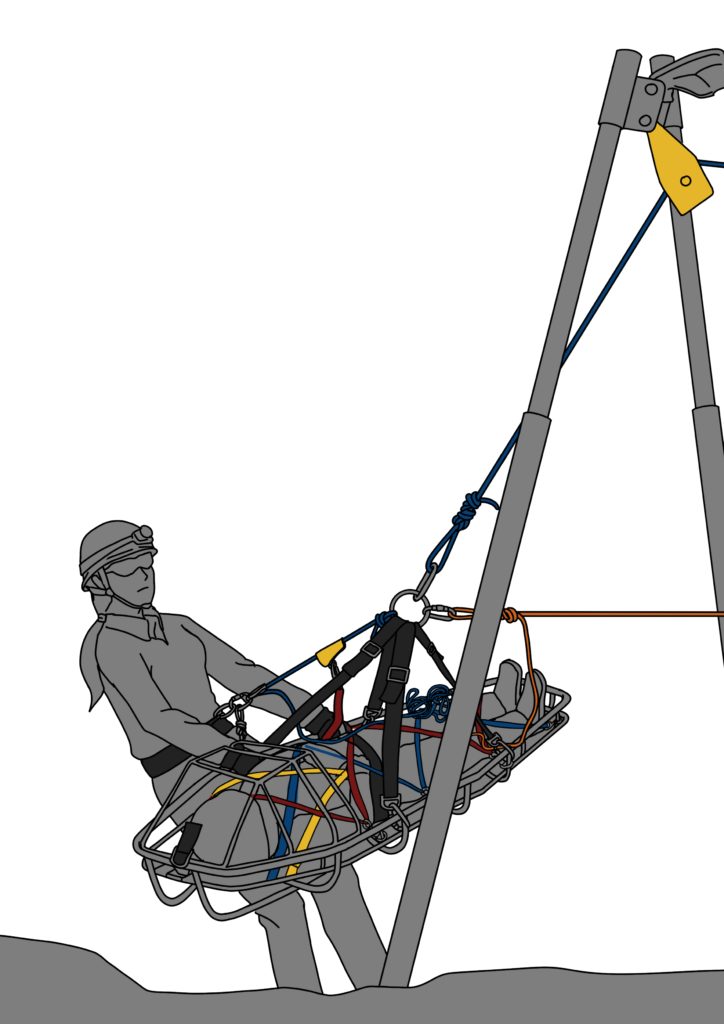
Harness systems generally fall into three functional categories based on the intended orientation of the litter. A horizontal litter harness, often referred to as a litter spider, suspends the litter in a level position and is commonly used when patient comfort, medical access, and stability are priorities. A low-angle litter harness aligns the litter more closely with the direction of travel, making it effective for steep terrain, carry-outs, and transitions where movement efficiency is important. Vertical-lift litter harnesses orient the litter upright, creating a narrow profile that allows passage through confined spaces, industrial structures, windows, shafts, towers, and other restricted access environments.
The ability to adjust litter orientation is one of the greatest advantages of a purpose-built harness system. In a horizontal configuration, adjustable suspension legs allow rescuers to fine-tune patient position, maintain balance during edge transitions, and adapt to changing terrain conditions. In a vertical configuration, the harness supports controlled movement through tight spaces while maintaining patient security and protection. The selected harness must not only support the litter but also complement the transportation objectives of the rescue operation.
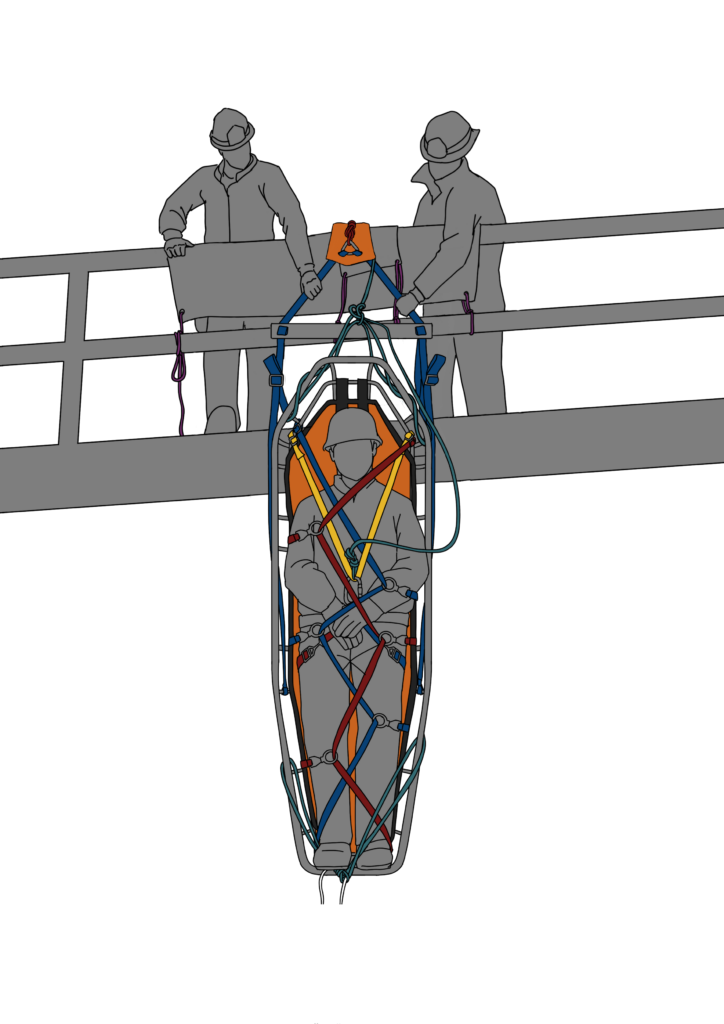
Choosing the Right Litter Orientation for the Rescue Environment
The choice between horizontal and vertical litter orientations is not determined by preference but by the operational demands of the rescue. Horizontal orientation is often associated with patient comfort, prolonged transportation, wilderness evacuations, and suspended operations where maintaining a level patient position improves both care and stability. Vertical orientation becomes advantageous when rescuers must negotiate confined spaces, industrial structures, narrow openings, or steep terrain where reducing the litter’s profile is essential for movement. Many rescue operations may involve transitions between orientations as environmental conditions change throughout the evacuation.
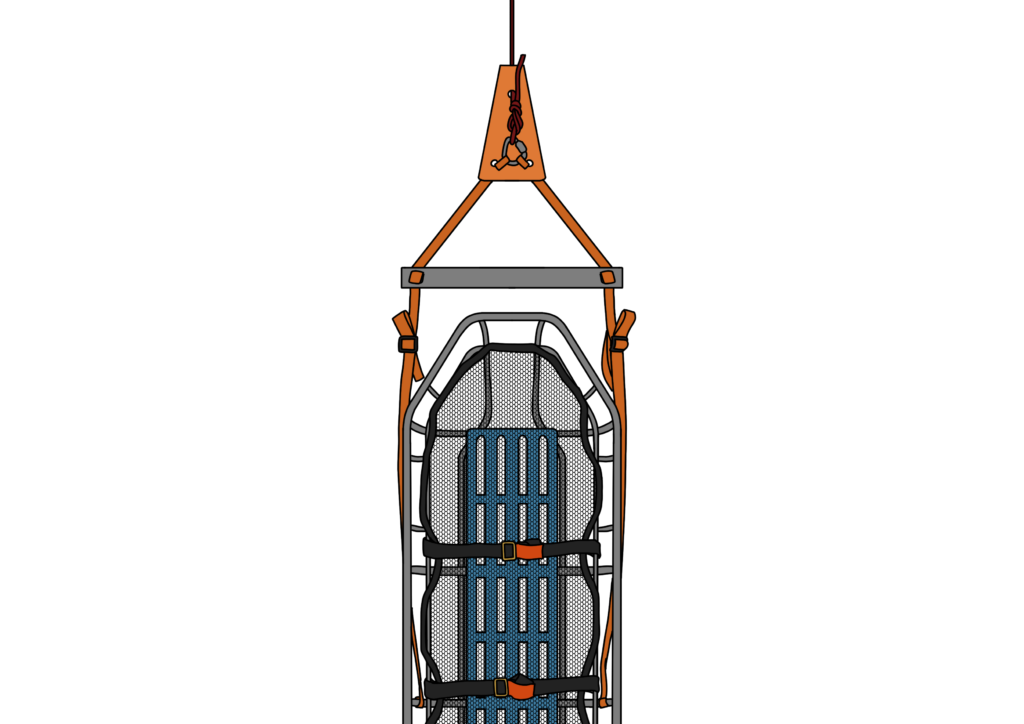
Ultimately, litter harnesses and litter orientations should be viewed as components of a larger transportation strategy rather than isolated pieces of equipment. The patient package, litter, harness, suspension system, terrain, and transportation objectives all influence one another. Effective rescuers learn to evaluate these elements as a complete system, selecting the orientation and harness configuration that best support patient protection, operational efficiency, and safe movement from the point of rescue to the point of transfer. The litter may be the platform carrying the patient, but the harness system determines how that platform interacts with the rescue environment, making it one of the most important decision points in technical rescue transportation.
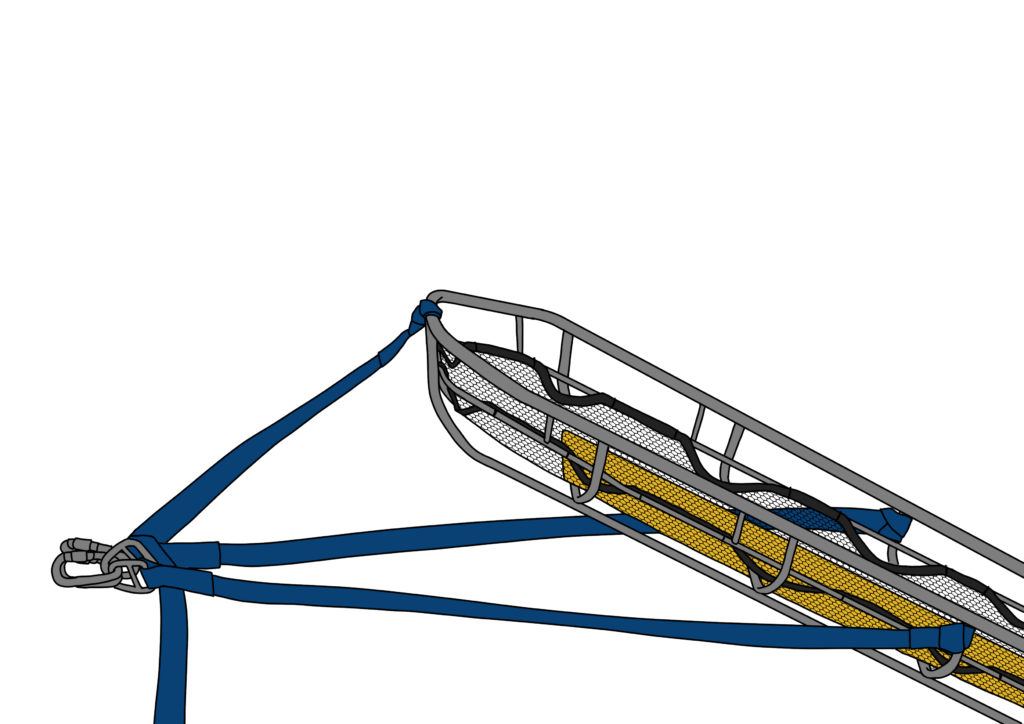
Patient packaging secures and protects the patient, but transportation requires an entirely different layer of equipment, planning, and system management. Chapter 13 shifts the focus from the patient to the platform carrying the patient, examining the litter as a complete transportation system. The chapter begins by exploring the primary litter types used in technical rescue operations, including basket litters, plastic litters, and semi-rigid litters. Each design offers advantages based on the operating environment, transportation requirements, and access challenges. The discussion reinforces that litter selection is not simply a matter of preference but a decision driven by terrain, rescue objectives, patient needs, and system demands.
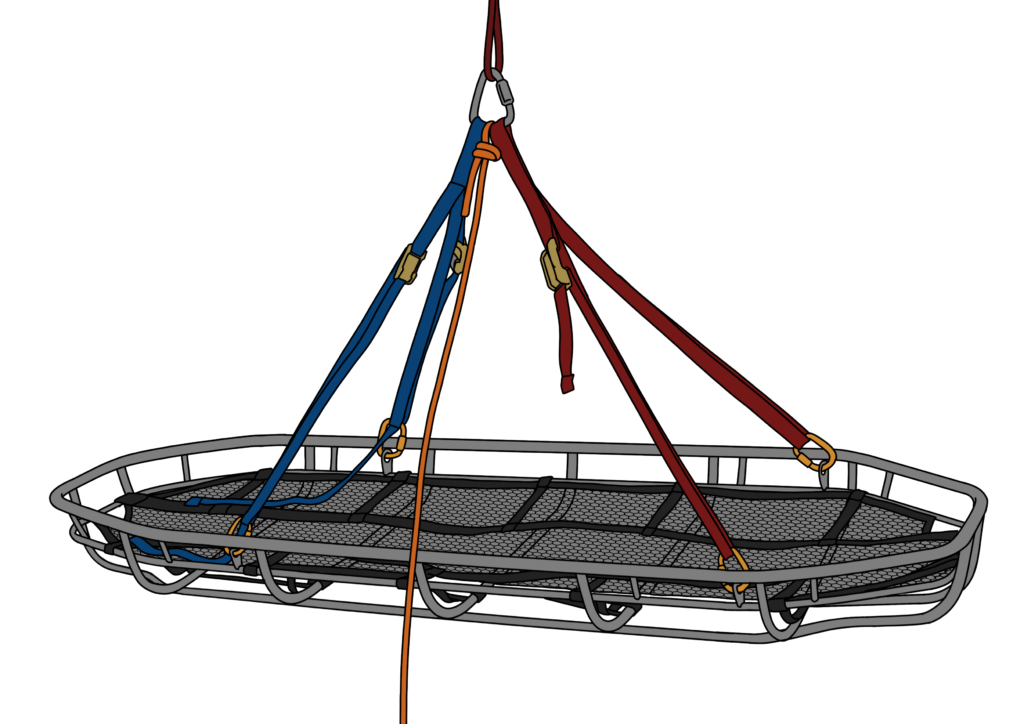
The chapter then examines litter strength and structural capability, emphasizing that rescue litters must function as load-bearing components within larger transportation systems. From there, attention turns to litter accessories such as inserts, shields, and wheels that improve patient comfort, environmental protection, and transportation efficiency. The final sections focus on litter harnesses and suspension methods, illustrating how horizontal, low-angle, and vertical-lift harness configurations allow rescuers to adapt the litter to changing operational conditions. Whether moving a patient across a steep mountainside, through a confined space, over a building edge, or during a suspended rope operation, the litter, harness, and transportation system must function as a unified whole. Ultimately, Chapter 13 teaches that successful patient transport depends on understanding the relationship between equipment, orientation, terrain, and rescue objectives, transforming the litter from a simple carrying device into a fully integrated rescue transportation platform.
Patient Care Equipment and Systems