Rigging Stability

Failure Begins When the Load Path Stops Behaving as Intended

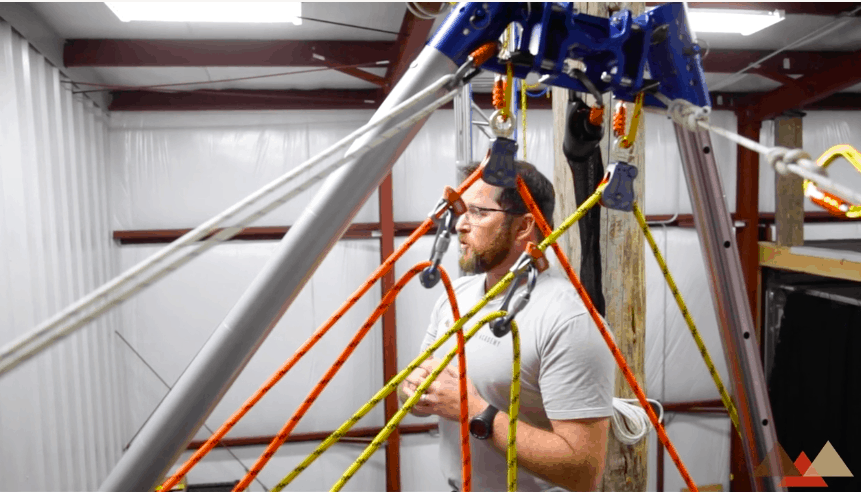
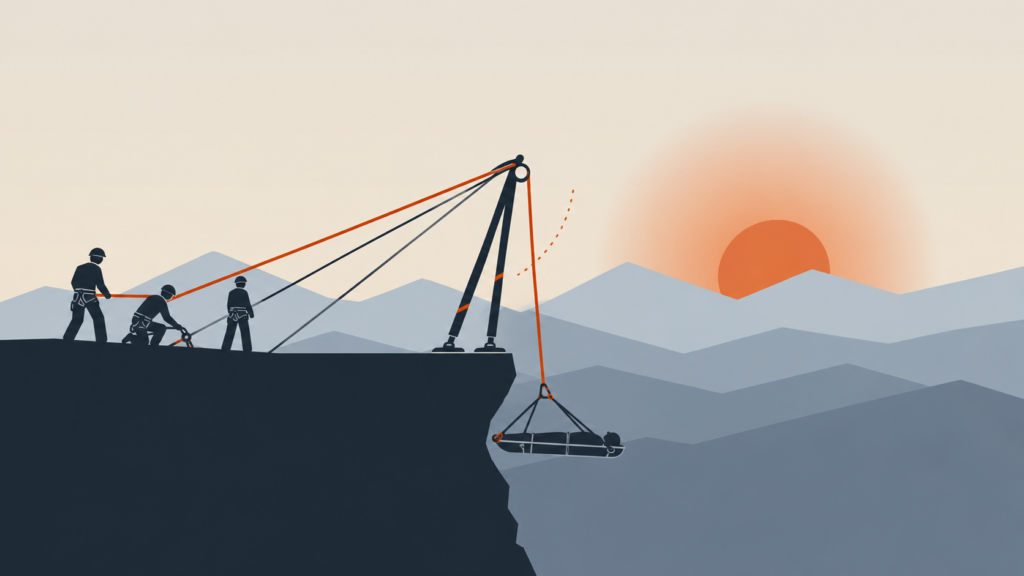
Failure Begins When the Load Path Stops Behaving as Intended Failure in an elevated anchor system does not begin only when a leg bends, a connector breaks, or a frame collapses. Long before structural separation occurs, the system can begin departing from the geometry and load path for which it was designed. A foot can

Failure Begins When the Load Path Stops Behaving as Intended Read More »
Gin Pole Rigging Stability

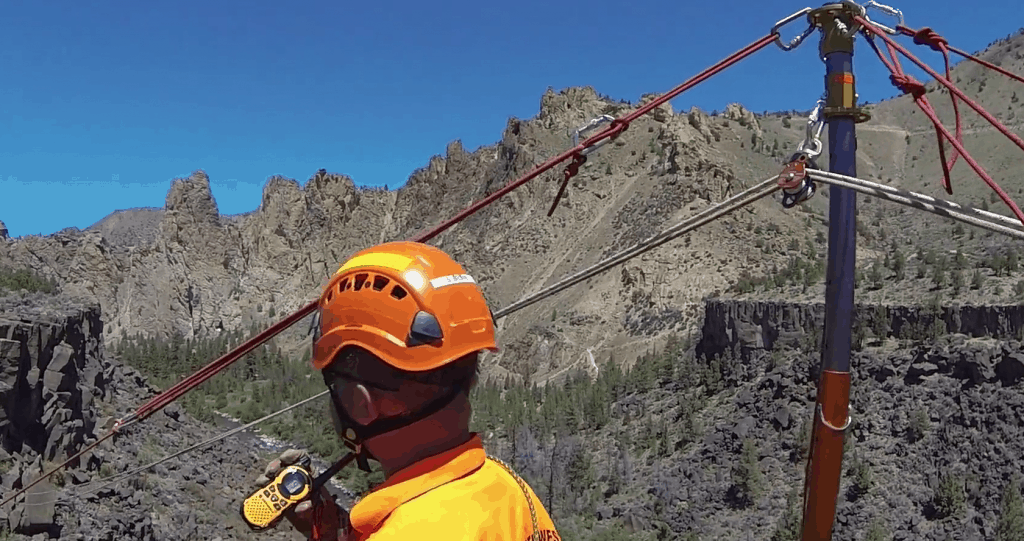
Gin Pole Rigging Stability: Unequal Tension in Guys Guying a gin pole is not about applying equal tension to all guy lines. Understanding the direction and magnitude of compression and tension forces is critical. These forces dictate how the monopod responds under load and help you predict how the system will stabilize during operation. Practical

Gin Pole Rigging Stability Read More »

visualizing resultants in rigging

Visualizing Resultants in Rigging

Visualizing Resultants and Maintaining Stability in Rigging Systems Excerpt from “A Guide to Artificial High Directionals & Two-Tension Rope Systems” Rigging stability is both an art and a science. Ensuring your system remains stable requires careful consideration of forces, resultants, and the tools available to manage them. Whether you’re deploying artificial high directionals (AHDs) like

Visualizing Resultants in Rigging Read More »