rope rescue systems

Dual Tension Rope Systems

Dual Tension Rope Systems

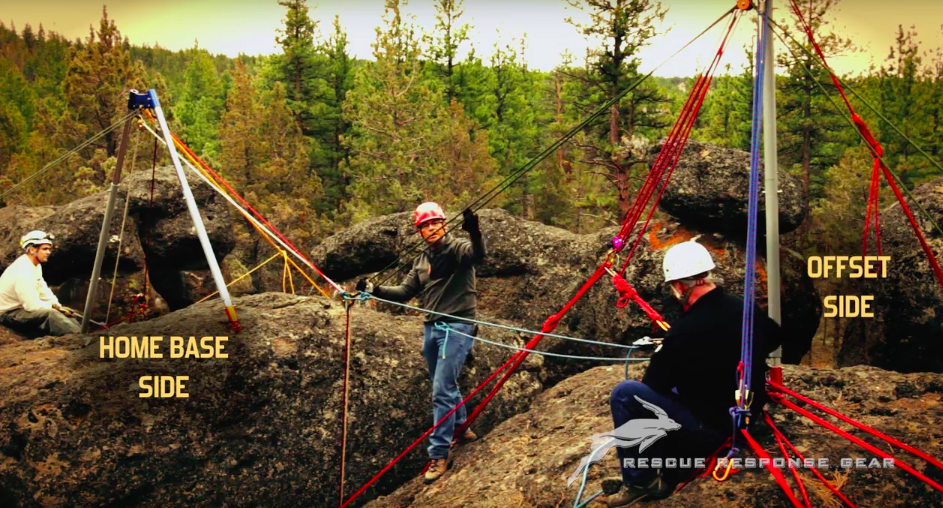
Dual Tension Rope Systems: Advancing Rope Rescue Safety Dual Tension Rope Systems (TTRS) have emerged as the preferred choice in modern rope rescue operations. While not entirely new, the system represents a significant evolution from traditional Dedicated Main Dedicated Belay (DMDB) techniques. This shift isn’t just about systems and tools—it’s about risk management, efficiency, and

Dual Tension Rope Systems Read More »
High Directionals in Rope Rescue Operations

High Directionals in Rope Rescue Operations

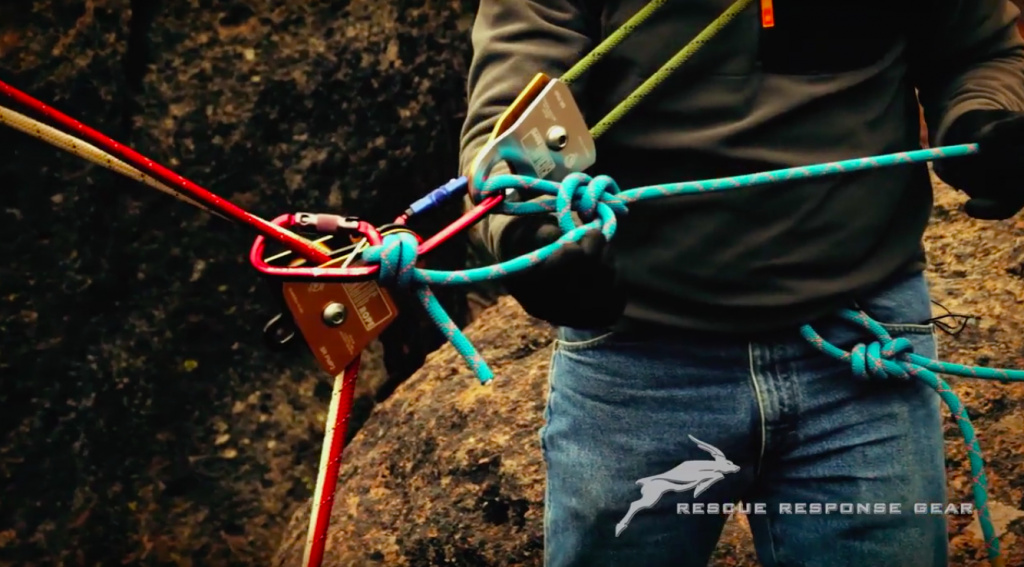
High Directional Systems in Rope Rescue A high directional is a crucial component in rope rescue operations, used to elevate the rope system above the rescue scene. By raising anchor points, high directionals enable safer, more efficient rescue operations across various challenging environments. Definition and Purpose A high directional is a rigged system designed to:

High Directionals in Rope Rescue Operations Read More »

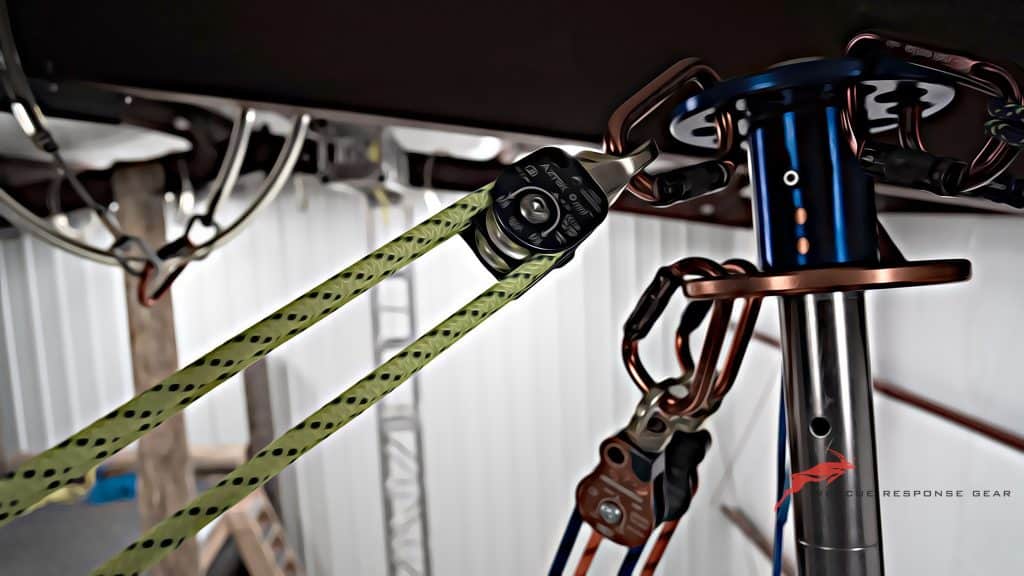
Caving Rescue Systems AZTEK and Directionals

Caving Rescue Systems AZTEK and Directionals

Caving rescue and confined space operations are among the most challenging scenarios in technical rope rescue. Success hinges on using precise systems that balance safety, adaptability, and efficiency. Tools like the AZTEK 4:1/5:1 Mechanical Advantage System and Dynamic Directionals play a pivotal role in managing complex rescue Systems Used in Confined Space and Caving Rescues

Caving Rescue Systems AZTEK and Directionals Read More »

Dynamic Directionals Rigging

Dynamic Directionals Rigging

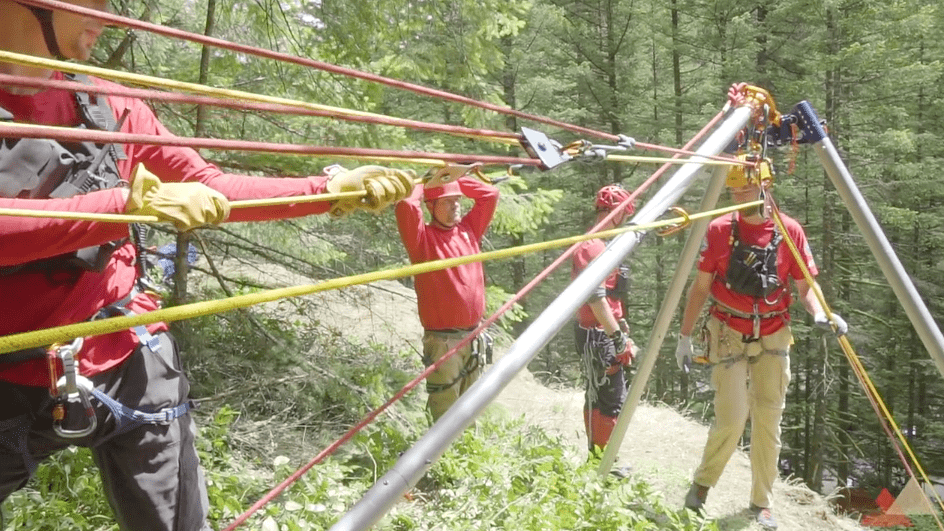
In technical rope rescue and rigging, horizontal systems present unique challenges and opportunities. The use of dynamic directionals allows riggers to create efficient and adaptable solutions for traversing and accessing horizontal spans. This blog dives into the application of horizontal rigging with three dynamic directionals, exploring their setup, operation, and benefits. What Are Dynamic Directionals?

Dynamic Directionals Rigging Read More »