
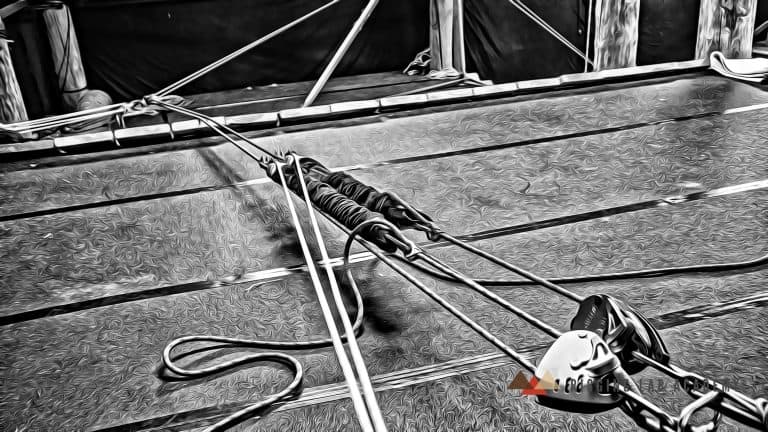
The Inside 9 Mechanical Advantage System: A Game-Changer for Efficient Rigging
In the world of technical rescue and rigging, efficiency, speed, and reliability are paramount. Over the past year, I’ve focused on refining my rigging philosophy with four guiding principles: rigging light, rigging quick, rigging solid, and rigging efficient. This journey has led me to embrace innovative tools and techniques, with the Inside 9 mechanical advantage system emerging as a standout solution for small-team operations.
This blog unpacks the Inside 9 system, its advantages over traditional setups, and its application in modern rescue scenarios.
Redefining Rigging Standards
Before diving into the specifics of the Inside 9 system, let’s revisit the core principles that guide efficient rigging:
- Rigging Light: If it can’t fit in a backpack, it’s likely too cumbersome for most scenarios. Exceptions include large-scale setups like AHDs (Artificial High Directionals) or operations requiring significant rope lengths.
- Rigging Quick: Time is critical in rescue operations. Quick rigging prioritizes minimizing wasted effort across anchors, mainlines, edge transitions, and locations.
- Rigging Solid: Beyond buzzwords like “bomber,” solid rigging meets the task’s requirements with appropriate margins of error while considering edge cases.
- Rigging Efficient: Use only what’s necessary, avoiding over-complication or redundancy.
These principles form the foundation for adopting tools like the Inside 9 system, which aligns perfectly with the goal of doing more with less.
Advantages of the Inside 9 System
Compared to standard Dynamic Fixed Brake systems, the Inside 9 offers several distinct benefits:
- Indefinite Resets:
The system’s flexibility allows for continuous resetting without the need for additional intervention, making it highly adaptable in dynamic scenarios. - Hands-Free Progress Capture:
Unlike systems that require a dedicated team member to tend the progress capture device, the Inside 9 operates independently, freeing up personnel for other critical tasks. - Rapid Transitions:
The setup’s design enables quick changeovers between lowering and raising operations, a crucial advantage when time is of the essence.
Key Tools and Components
The Inside 9 system integrates seamlessly with several high-performance tools. Here are the primary devices used:
- Petzl ID: A versatile descender and progress-capture device for industrial and rescue applications.
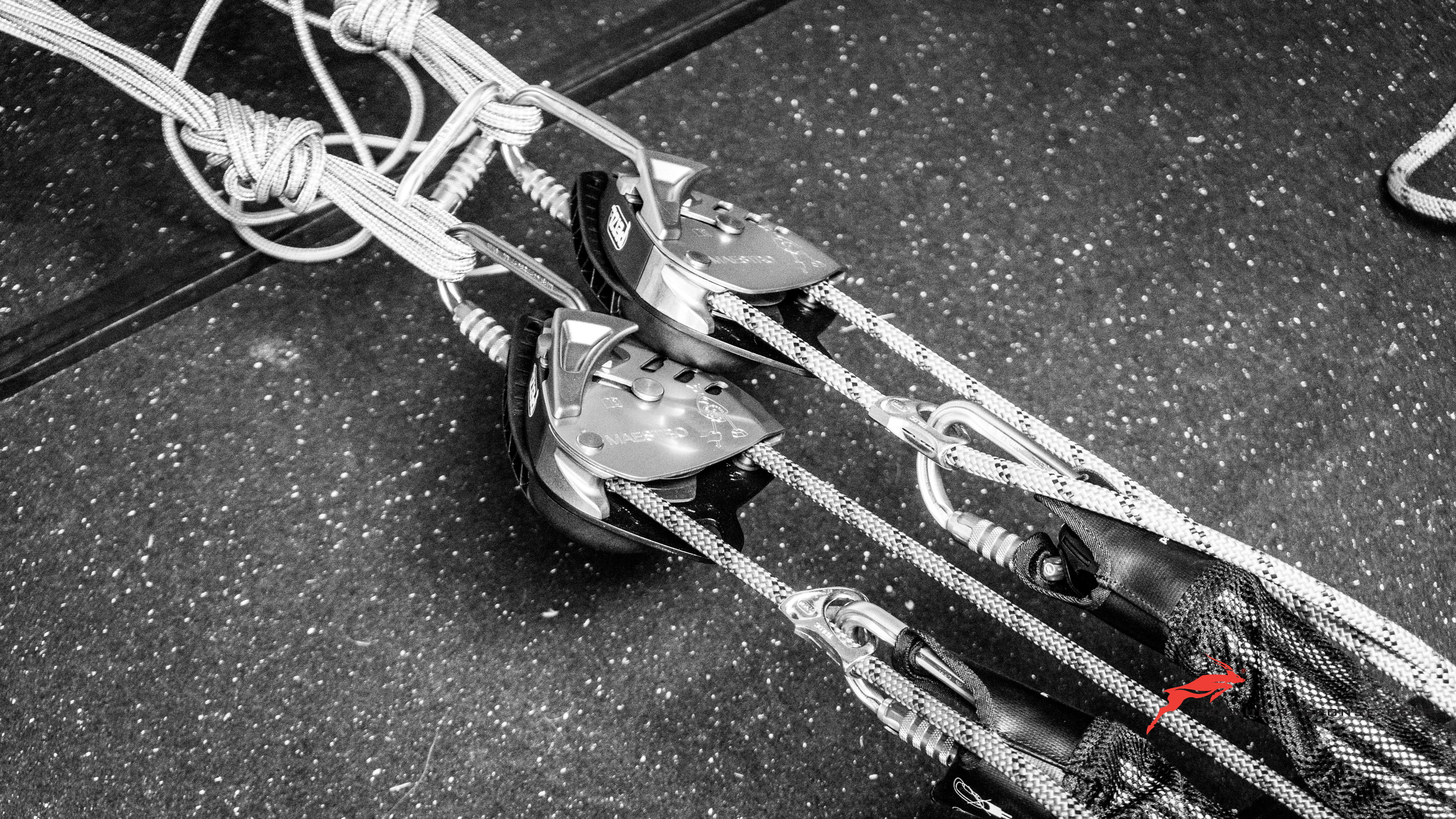
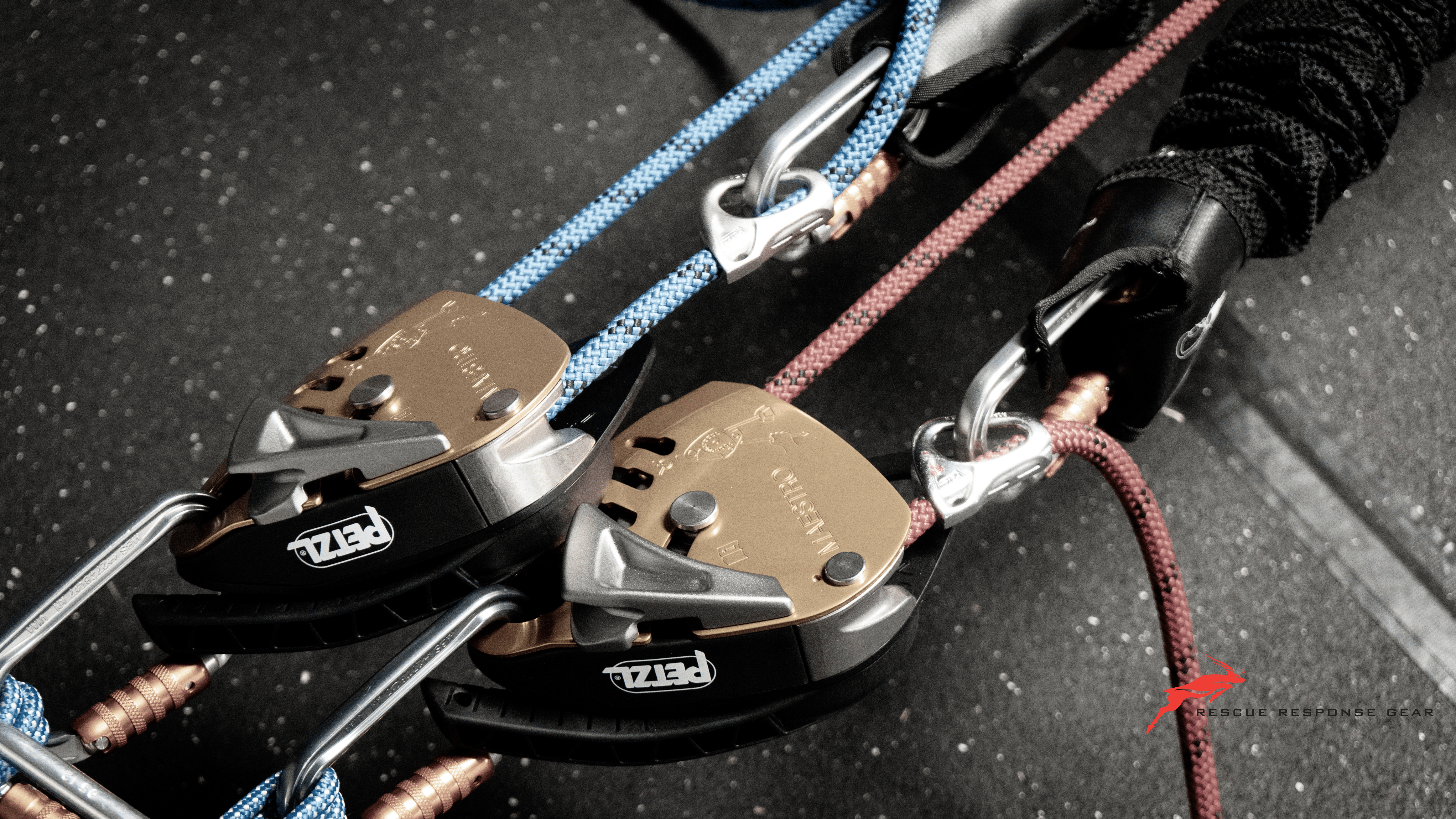
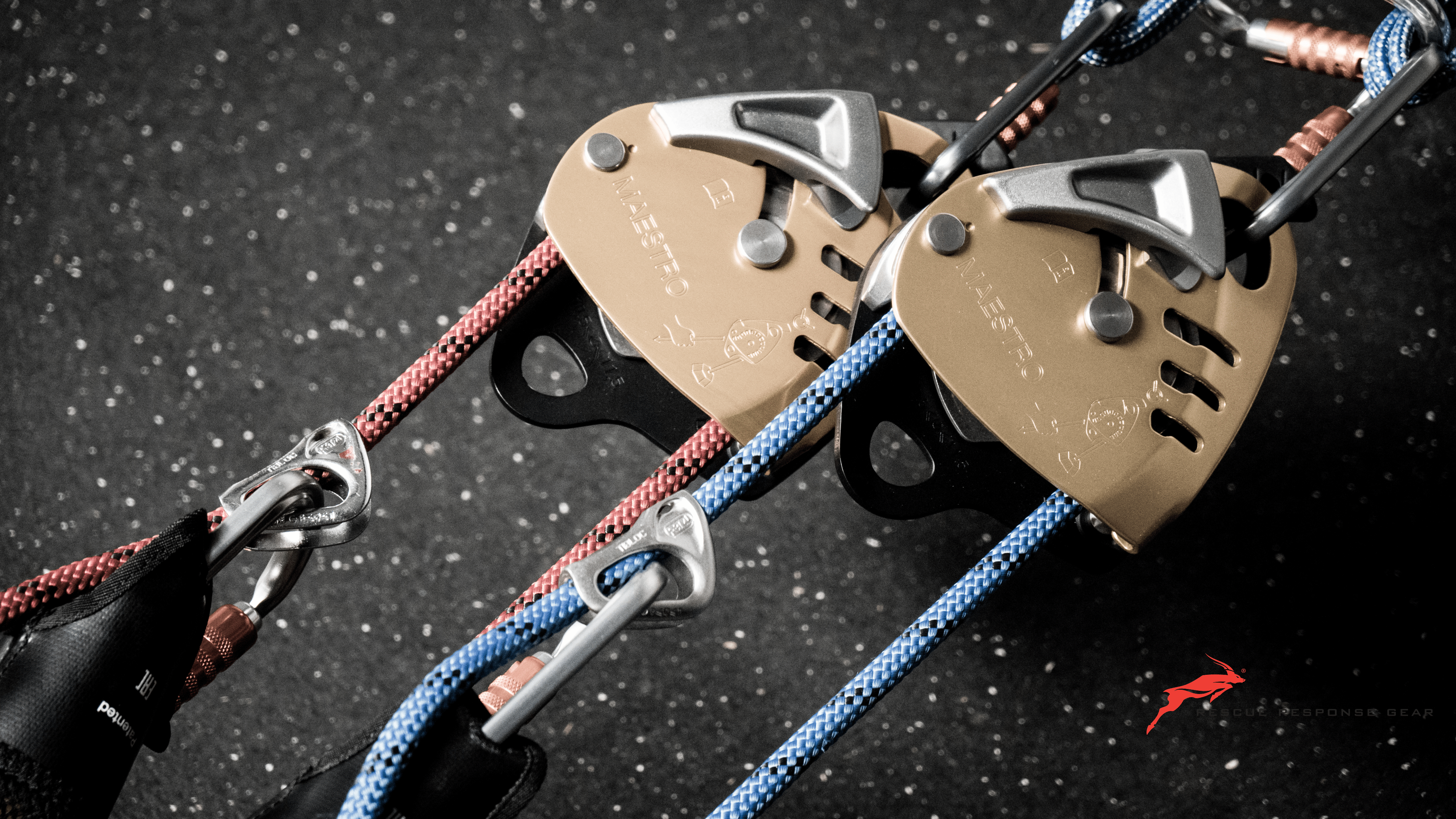
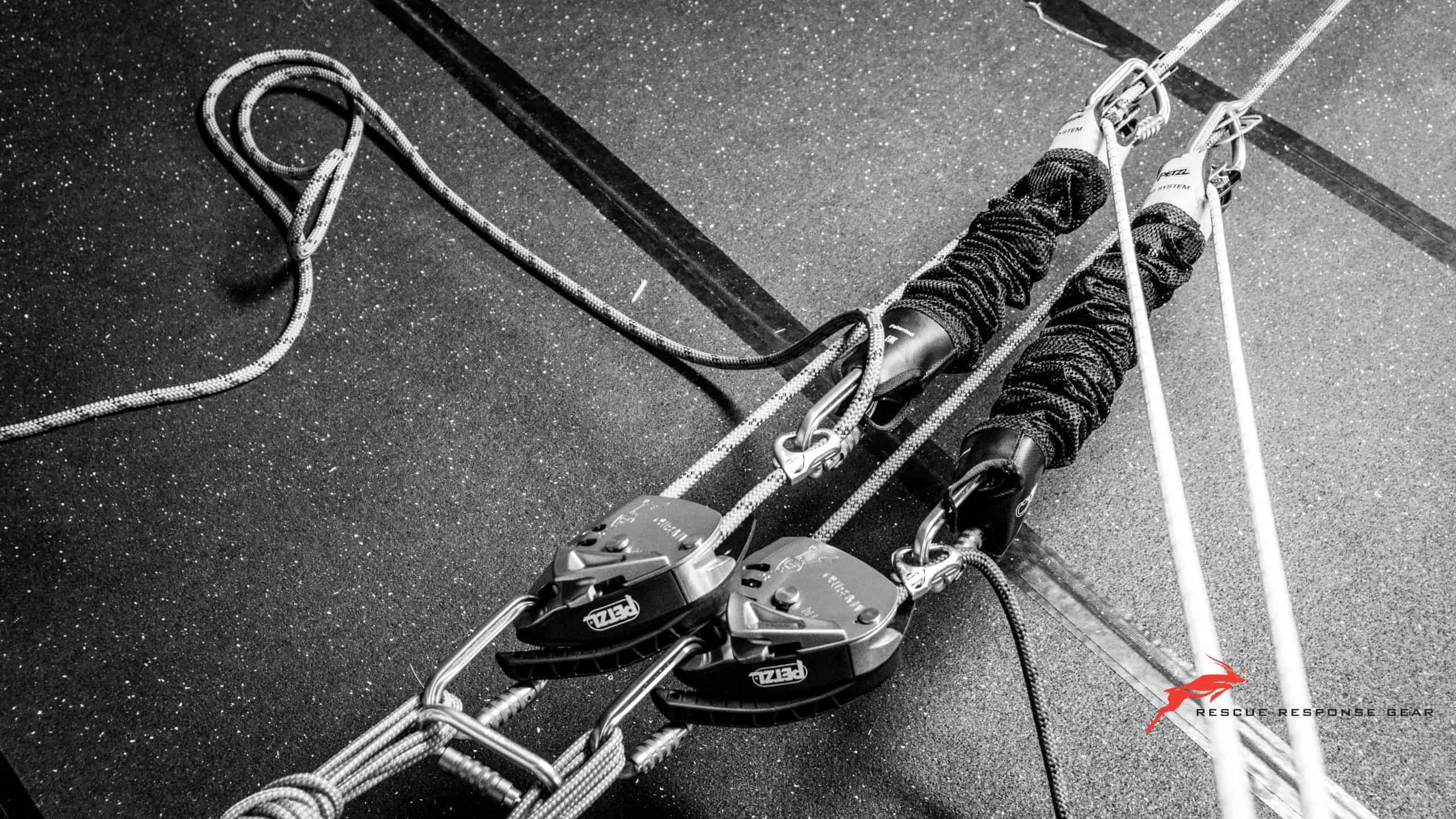
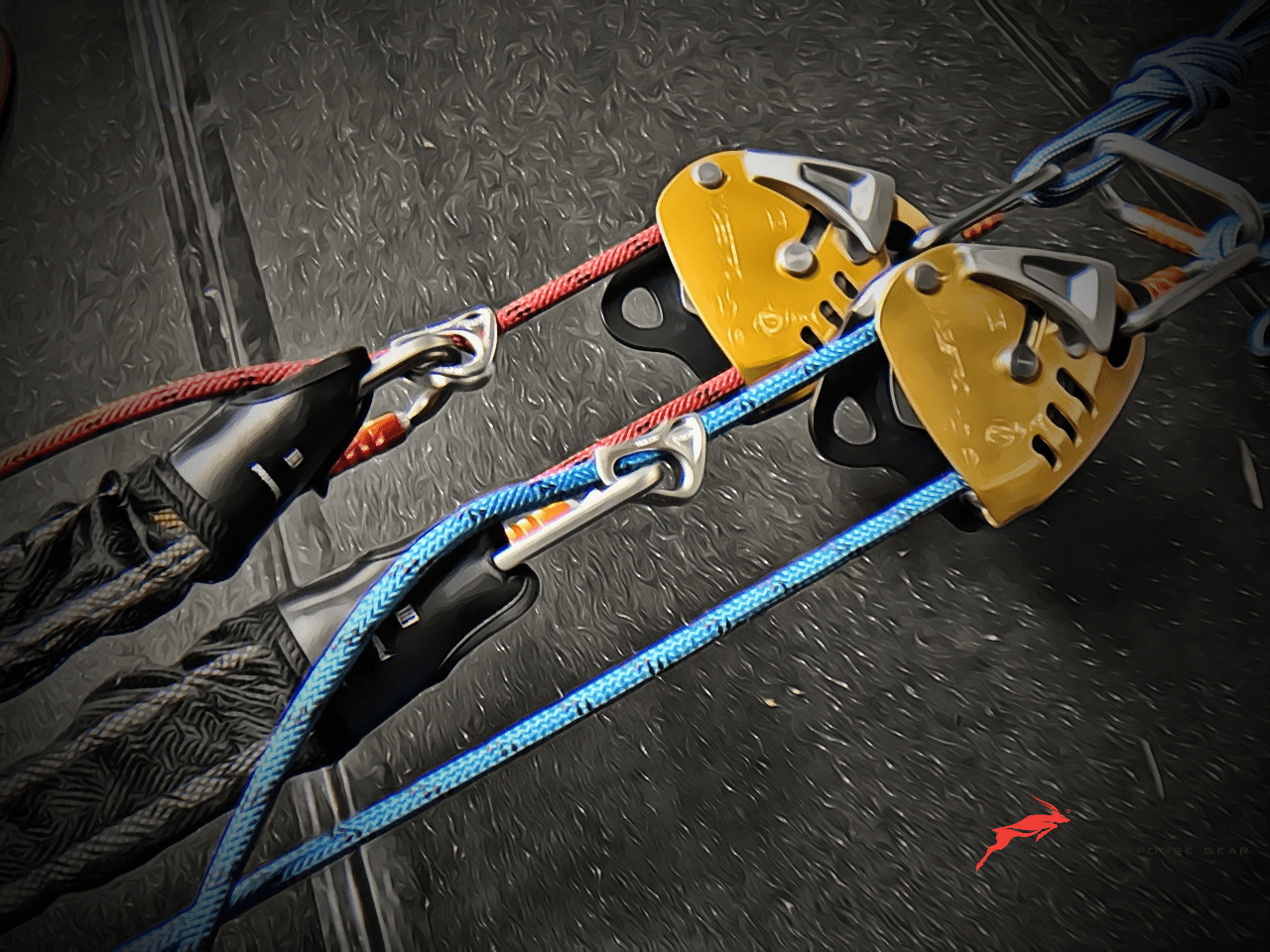
- Petzl Maestro: Combines the functionality of a descender and a high-efficiency pulley, making it ideal for Inside 9 configurations.
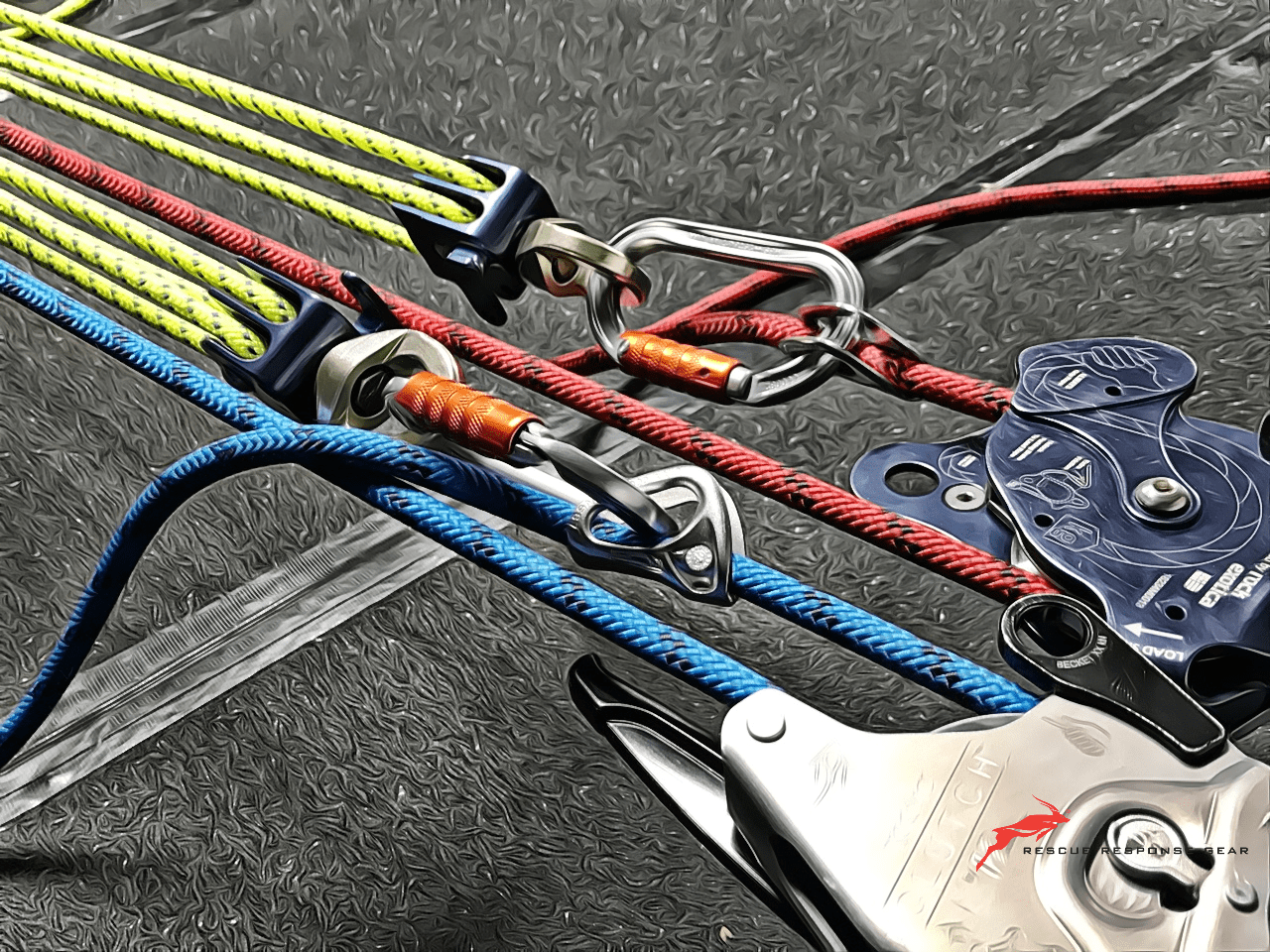
- CMC Clutch: A robust, intuitive device designed for hauling, lowering, and belaying.
- CMC MPD: A multi-purpose device offering efficient transitions between raising and lowering.
- Rock Exotica/CMC AZTEK: A compact, all-in-one system providing over 100 rigging solutions.
- Petzl Jag System: A compact haul kit for creating 4:1 mechanical advantage systems.
Application in Two-Tension Rope Systems (TTRS)
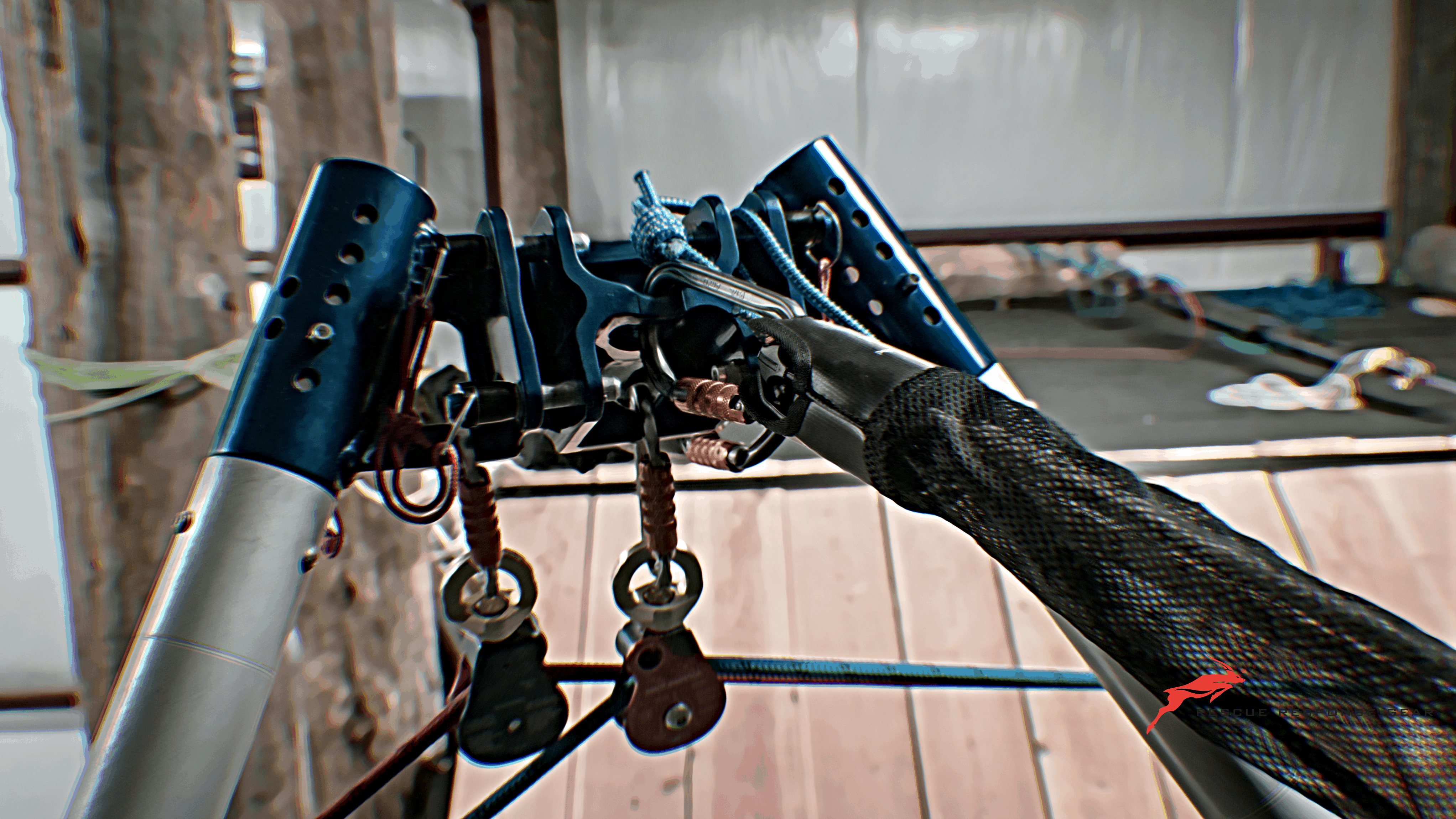
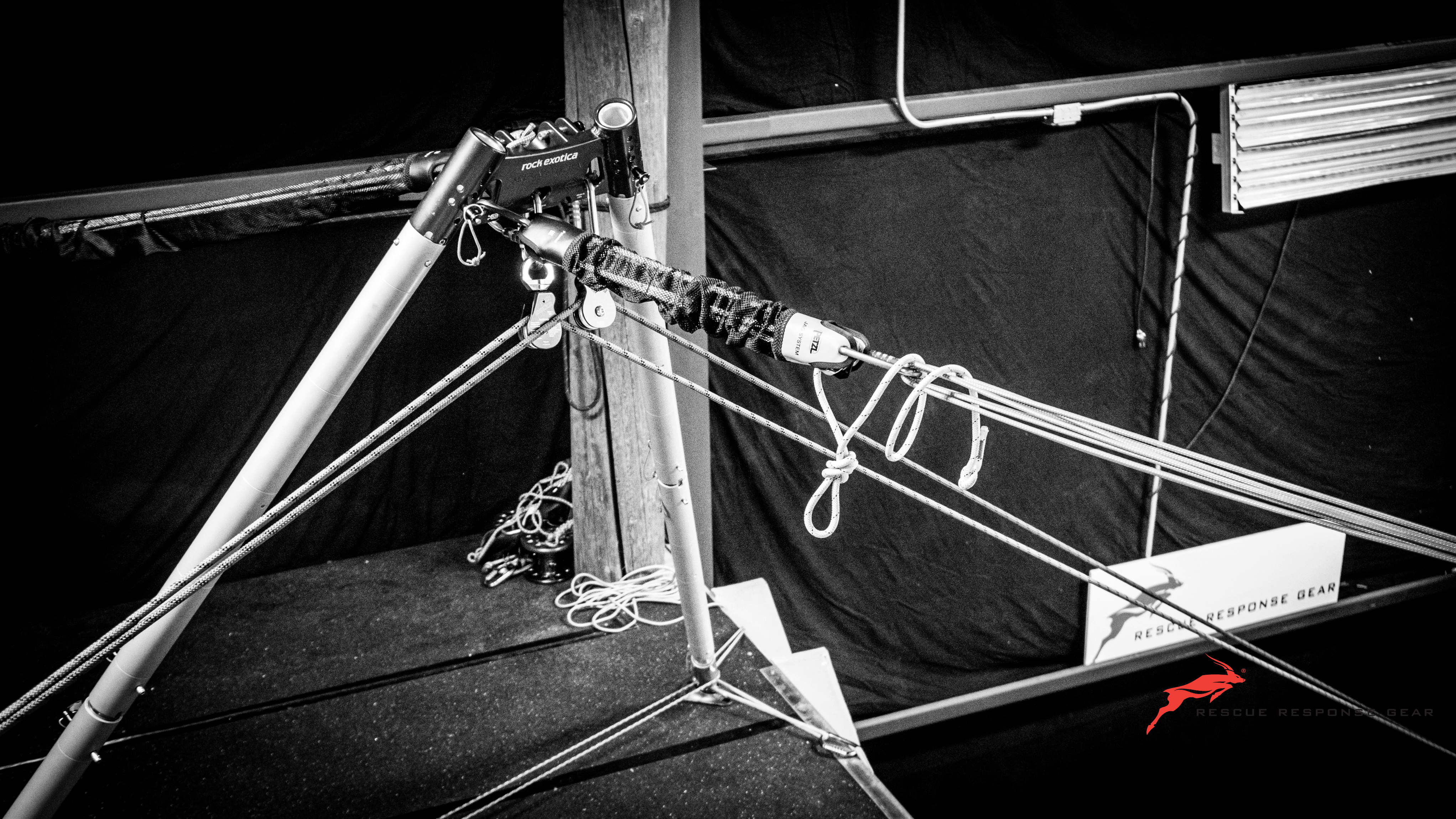
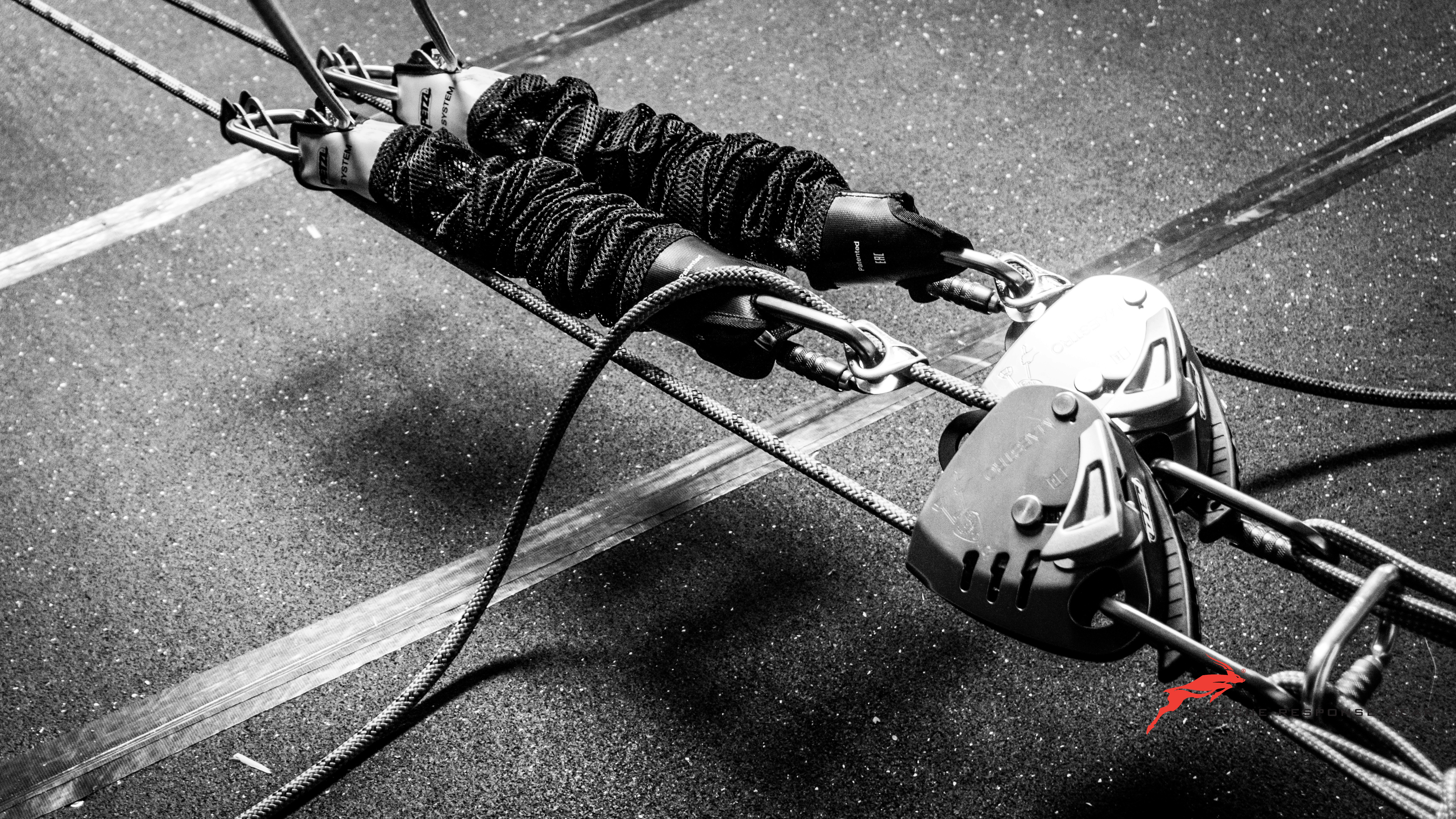
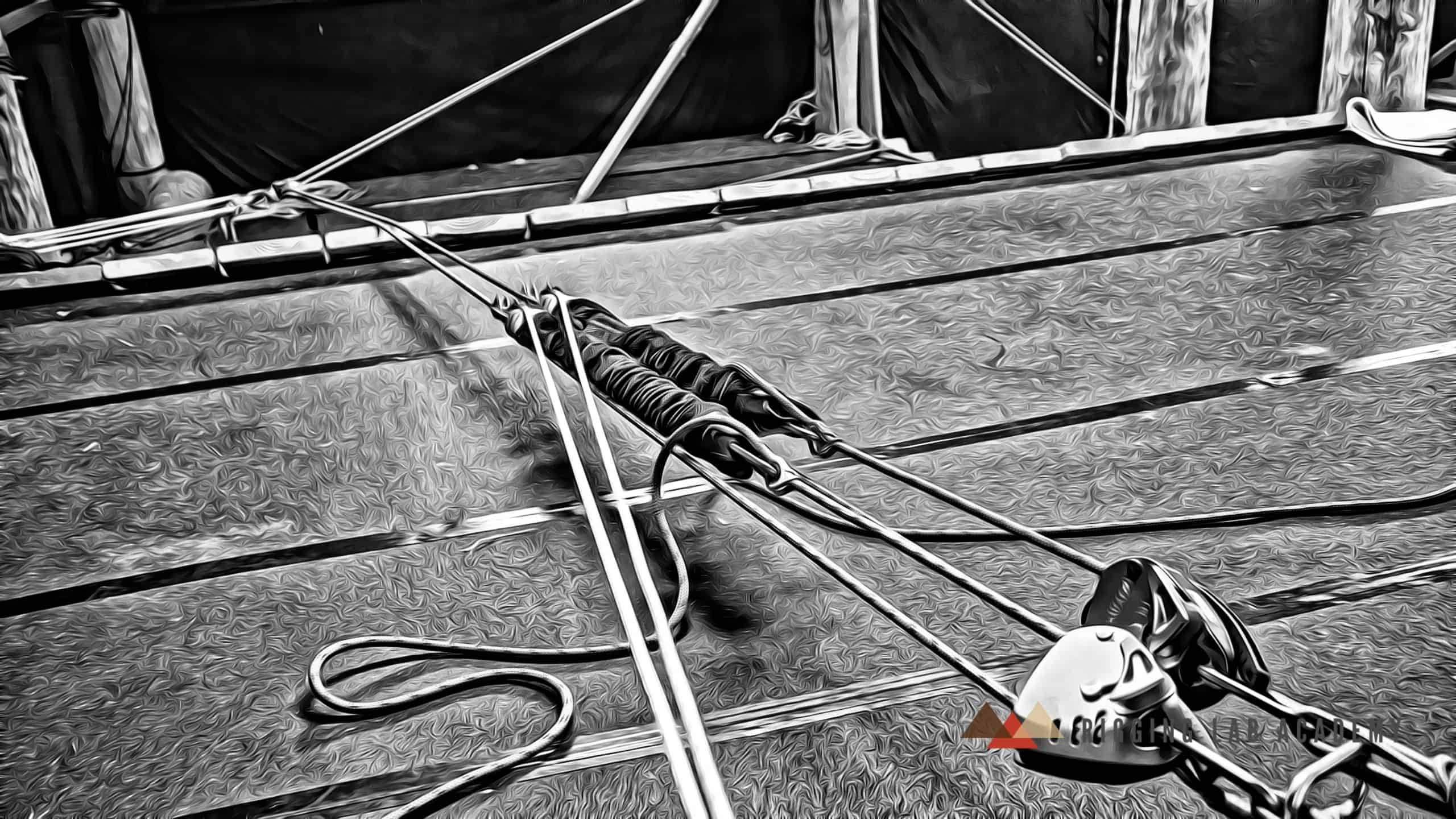
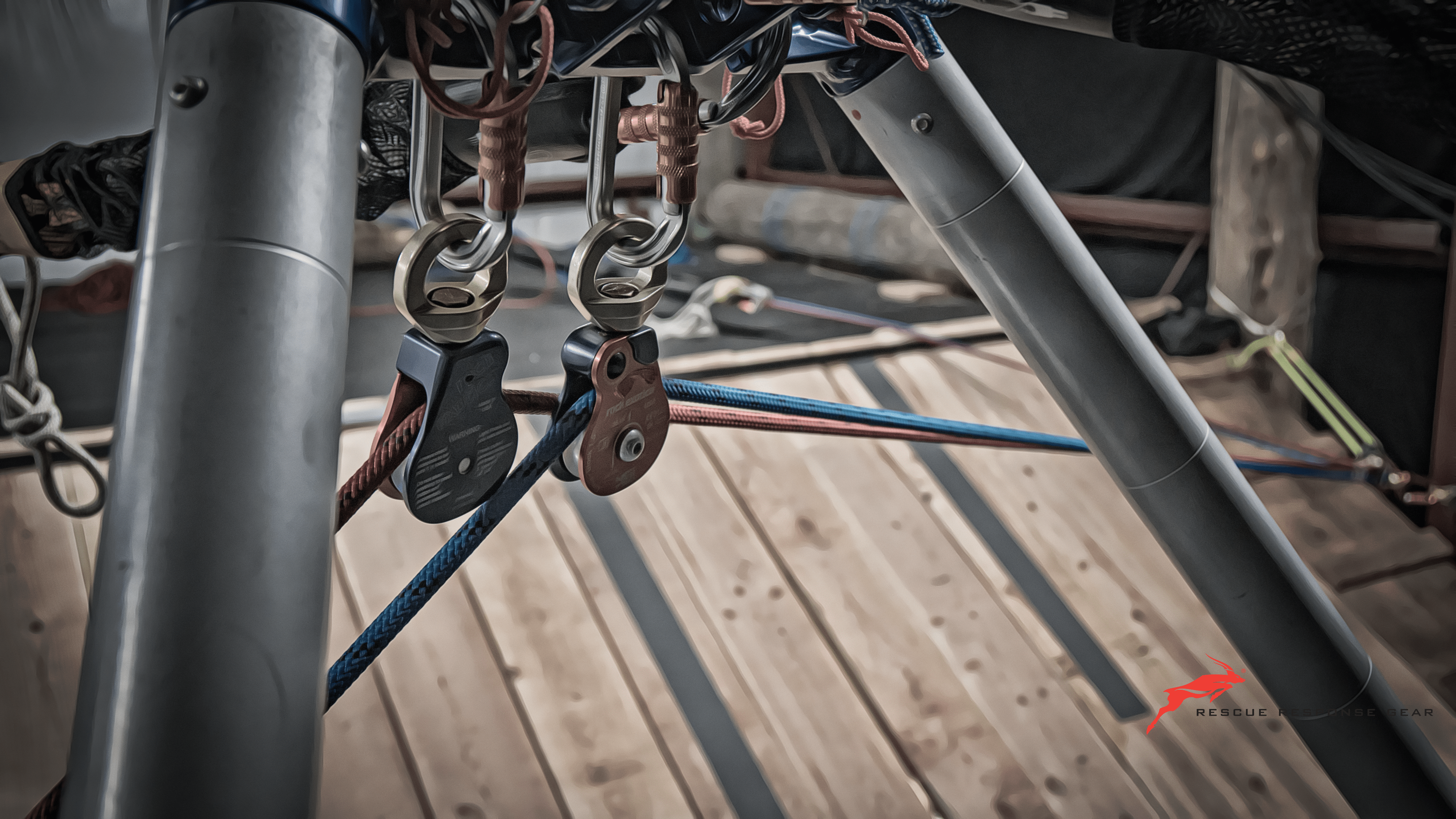
The Inside 9 system integrates effectively into Two-Tension Rope Systems (TTRS), commonly used in complex rescue scenarios. By incorporating an SA Frame Arizona Vortex and tools like the Petzl Maestro and Jag System, the setup supports raising and lowering single-person loads with remarkable efficiency.
Example Configurations
- Arizona Vortex with Inside 9 and Jag System: Ensures optimal load distribution and reduces friction at the edge.
- Petzl Maestro Inside 9 Setup: Combines the Maestro’s efficiency with the versatility of the Inside 9 system.
- CMC MPD and Clutch Integration: Offers seamless transitions between raising and lowering while maintaining system simplicity.
Below are images taken from a Two/Twin Tension Rescue System incorporating an SA Frame Arizona Vortex raising and lowering a single person load.

Real-World Insights
One of the most exciting aspects of the Inside 9 system is its alignment with modern rigging philosophies. It supports small team operations by reducing the need for redundant gear and personnel while maintaining safety and reliability. Tools like the Petzl Maestro and CMC Clutch further enhance the system’s versatility, making it a game-changer for rescue teams worldwide.
Conclusion
The Inside 9 mechanical advantage system exemplifies the principles of light, quick, solid, and efficient rigging. Its ability to adapt to various scenarios and integrate with cutting-edge tools makes it an invaluable asset for rescue teams. While it may not replace traditional Dynamic Fixed Brake systems in every situation, its unique strengths position it as a powerful alternative for specific operations.
To learn more about the Inside 9 system and explore advanced rigging techniques, visit Rigging Lab Academy:
- Explore Advanced Mechanical Advantage Systems
- Discover the Petzl Maestro in Action
- Learn About the CMC Clutch
Peace on your Days…
Lance





Comments are closed.