
anchors

Understanding Directional Anchors in Rope Rescue
Anchors form the backbone of every rope rescue system, but they aren’t always where you want them. Sometimes the strongest anchor sits away from the

Anchors form the backbone of every rope rescue system, but they aren’t always where you want them. Sometimes the strongest anchor sits away from the
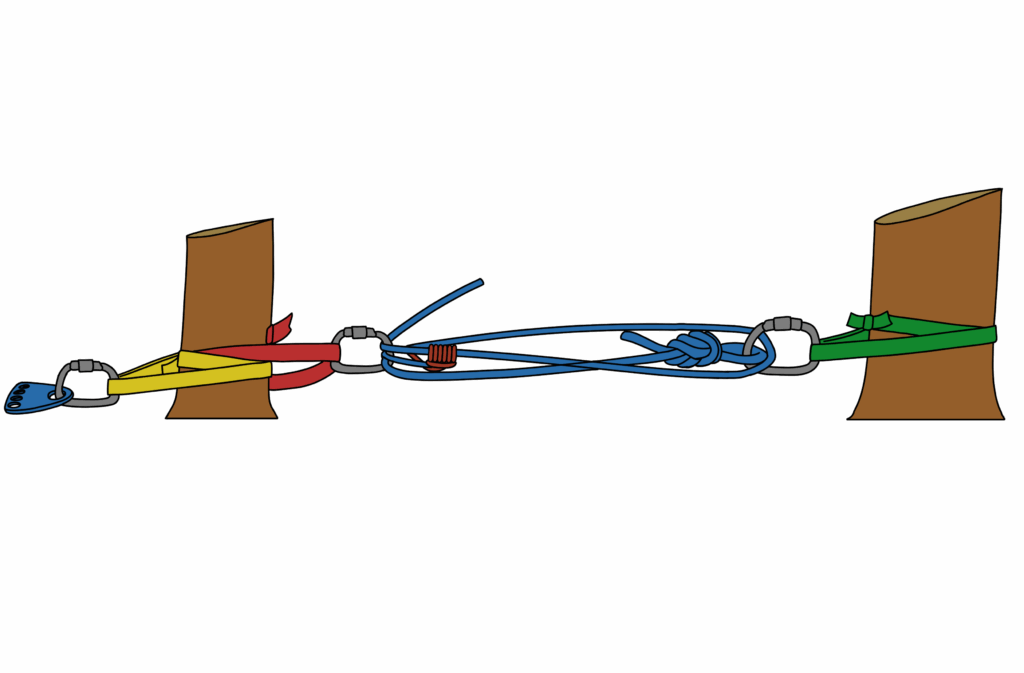
Anchors are rarely in the perfect location. A tree, bollard, or structural beam may be strong, but if it isn’t aligned with the fall line,

In rope rescue, not every environment offers solid natural anchors such as trees or boulders. In open terrain like soil, sand, or snow, rescuers must
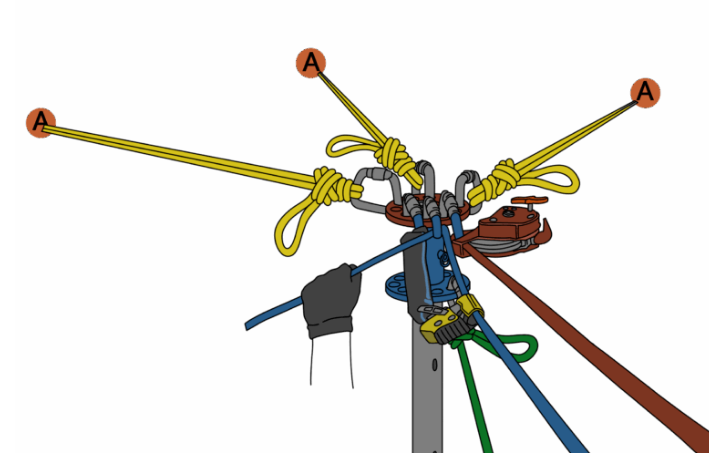
Every rope rescue begins and ends with anchors. Without a secure foundation, even the most advanced mechanical advantage systems or high-directional setups are compromised. When
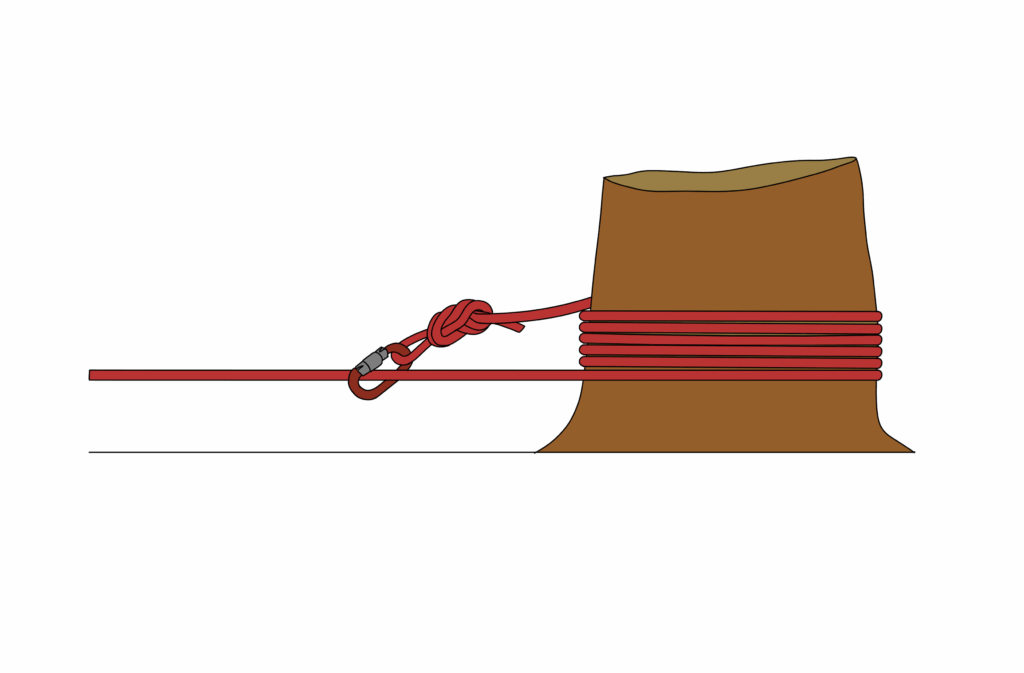
In the high-stakes world of rope rescue, every action starts with one fundamental principle: a secure anchor. It’s the silent hero that holds the line.
What is the single most critical component of any rescue or rigging system? The answer is simple: the anchor. It is the silent hero, the

Highline systems are among the most advanced rope rescue tools. They allow teams to move patients or gear across terrain that would otherwise be impassable
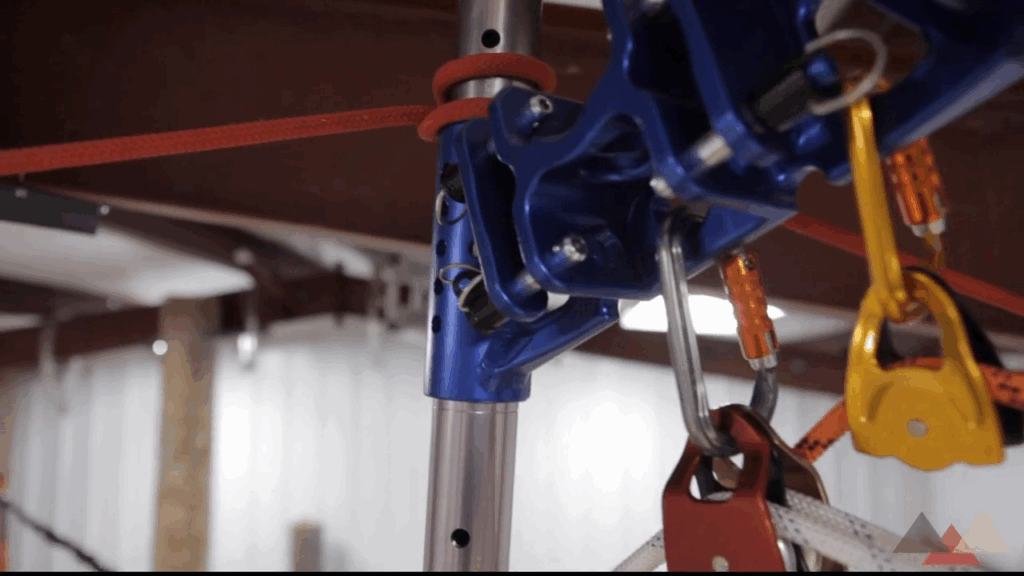
When to Choose an Offset Instead of a Highline in Rope Rescue – One of the most common choices in rope rescue is deciding between

Norwegian Reeving in Highline Rescue Systems are essential in technical rope rescue when terrain, distance, or obstacles prevent direct access. Among the reeving methods used
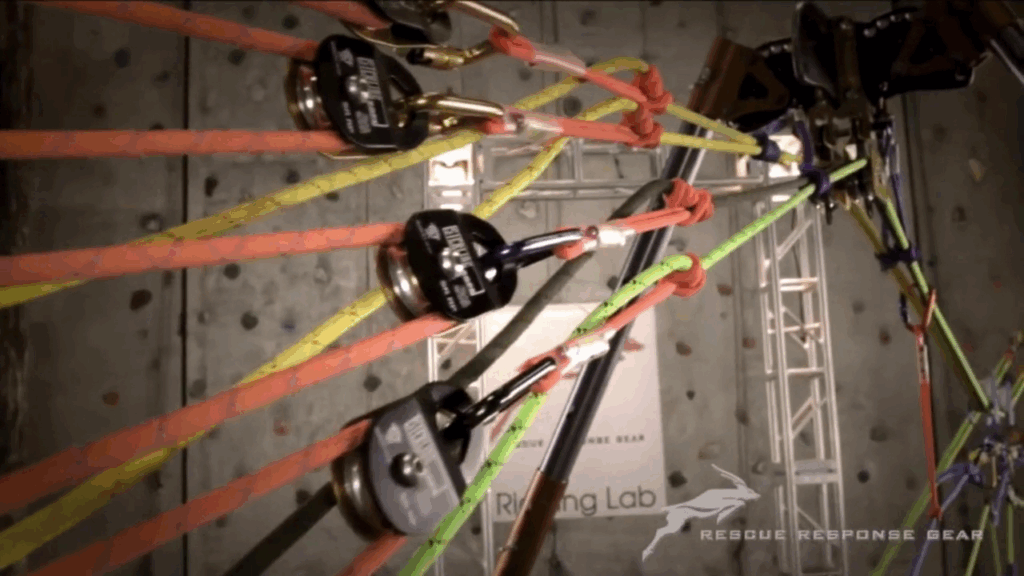
Dynamic Forces and Shock Loading in Horizontal Track Systems In rope rescue, most failures come from what wasn’t seen, not what wasn’t built. A system
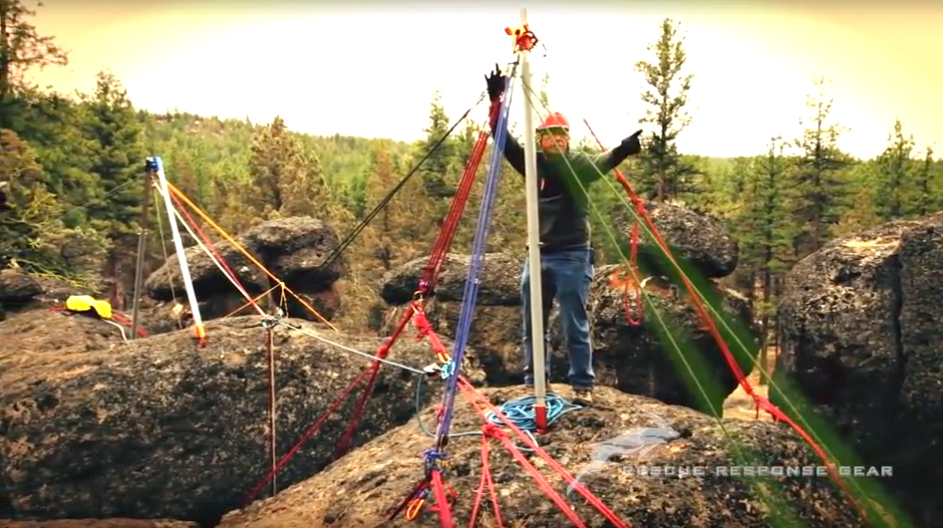
Mainline and Belay Operations in Horizontal Track Systems In rope rescue, tensioned track systems are among the most complex setups a team can face. Moving
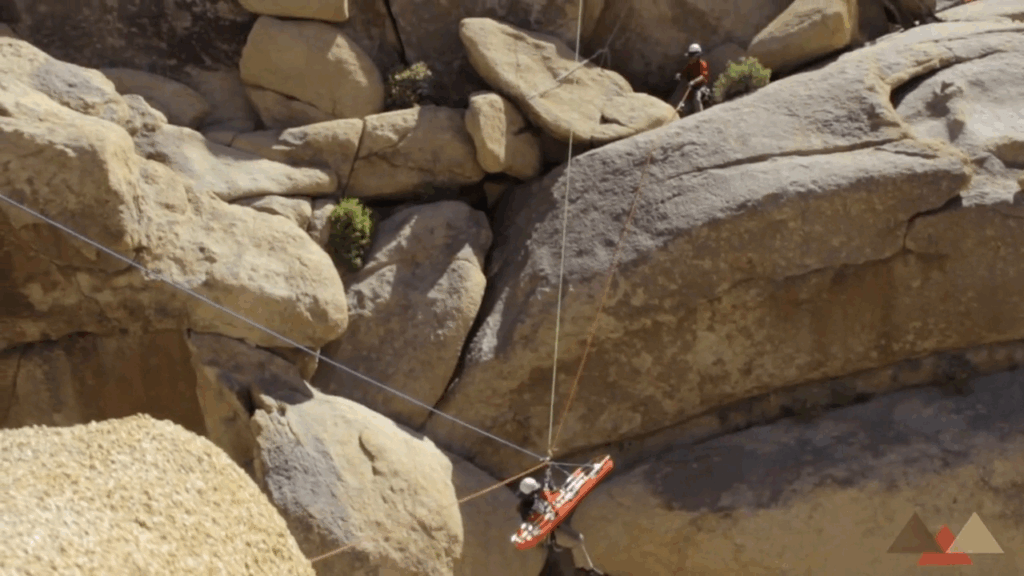
Twin Tension Systems in Horizontal Tracks for Rope Rescue When a litter is moved across a horizontal track line, rescuers are managing one of the

Why Sag Is the Silent Killer Ideal sag in tensioned track system for rope rescue is not an easy thing to figure out. If you’ve
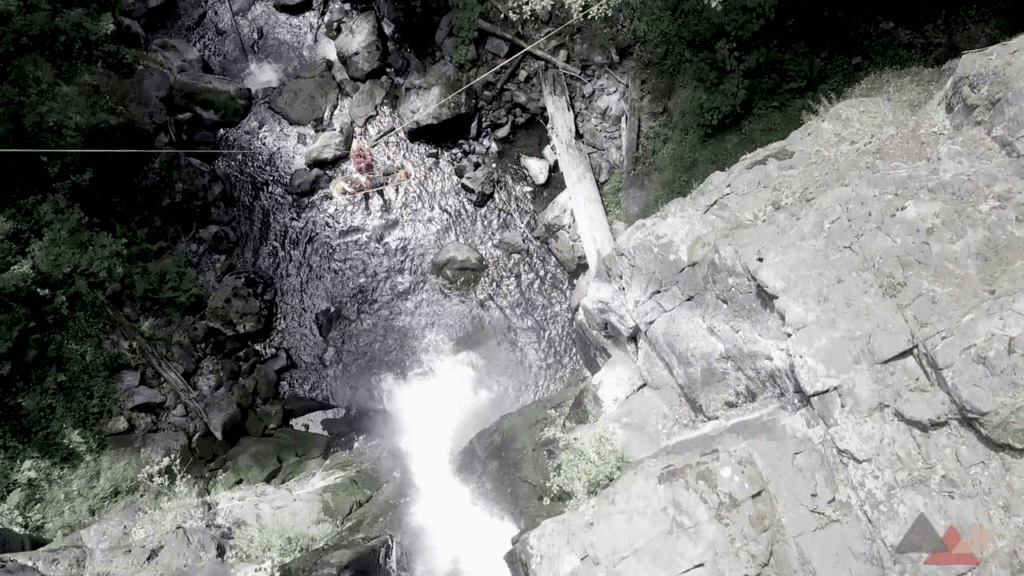
Mechanical Advantage Choices for Twin Tension Rope Systems Twin tension rope systems (TTRS) have changed the way modern rescue teams operate. Instead of one mainline
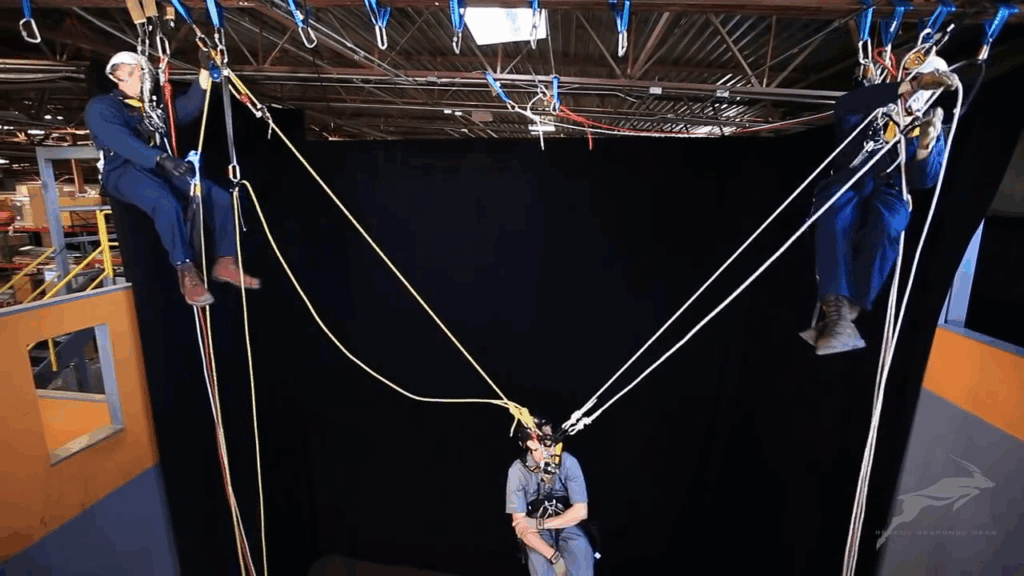
Integrating Mechanical Advantage into Cross Haul Systems Cross-haul systems are one of the most versatile tools in the rescuer’s rigging arsenal. By using two opposing
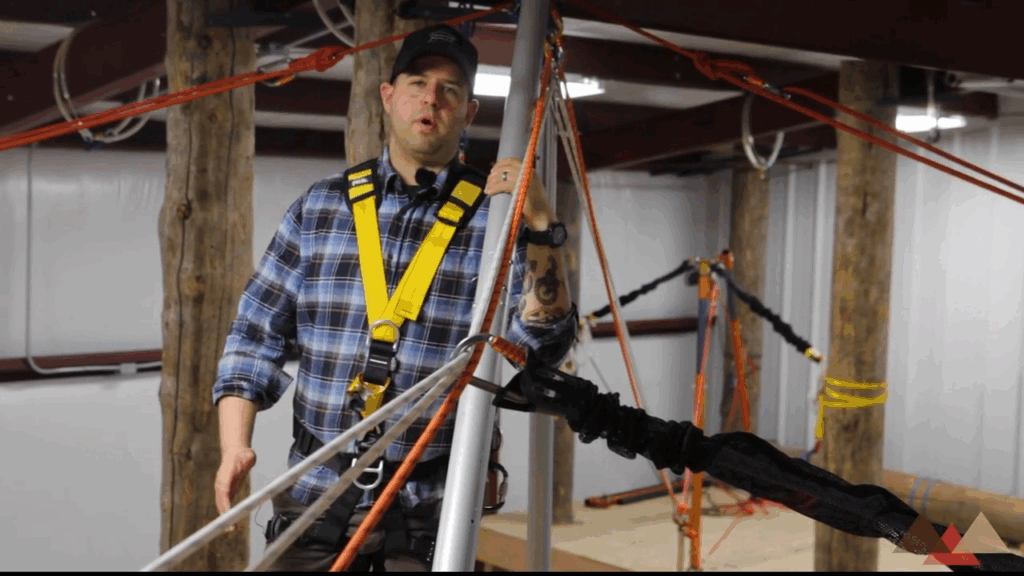
The 20–80 Rule in Action: Building the Minimal Mechanical Advantage Kit In rope rescue, complexity can be your enemy. Too many devices, too much gear,

Rope Rescue Math and Aerial Ladder Torque Management In rope rescue, a high-directional such as an aerial ladder can be an invaluable elevated anchor—if it’s
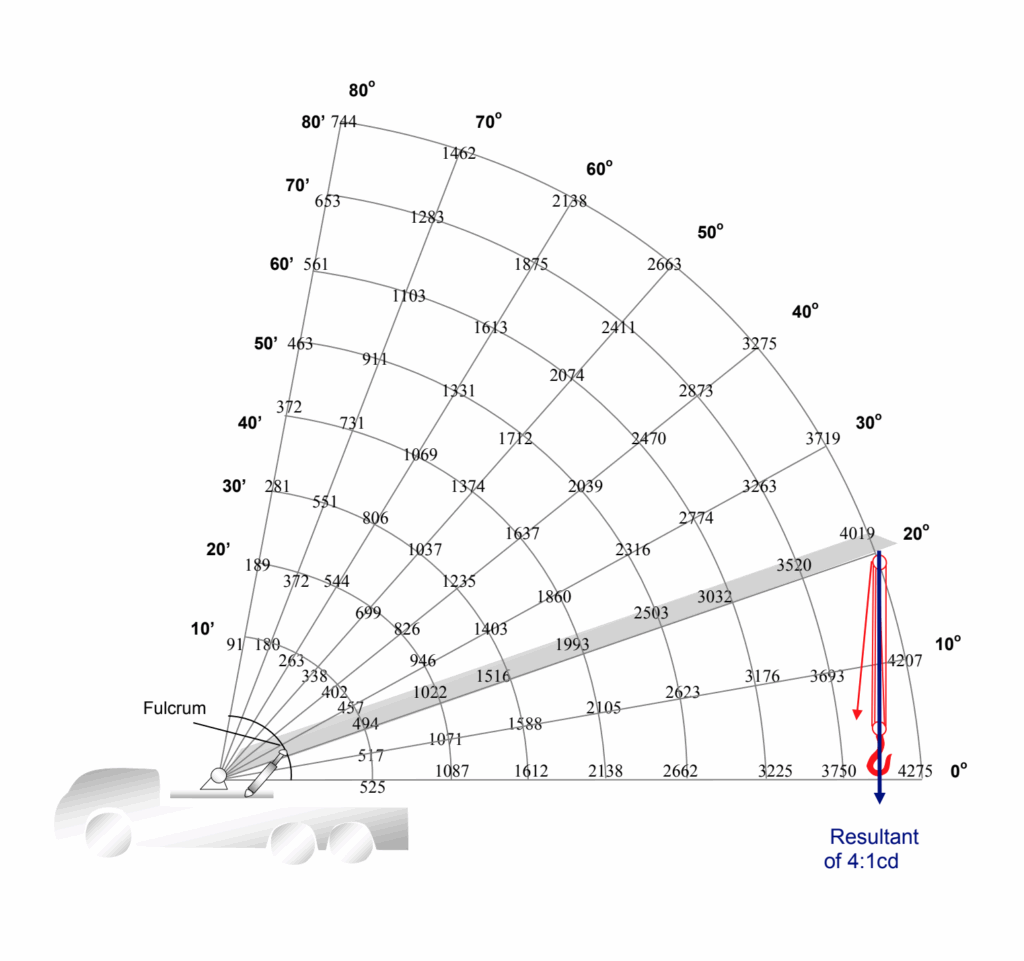
Rope Rescue Math – Understanding High-Directional Forces In rope rescue, knowing the numbers can be the difference between a safe system and one that’s on
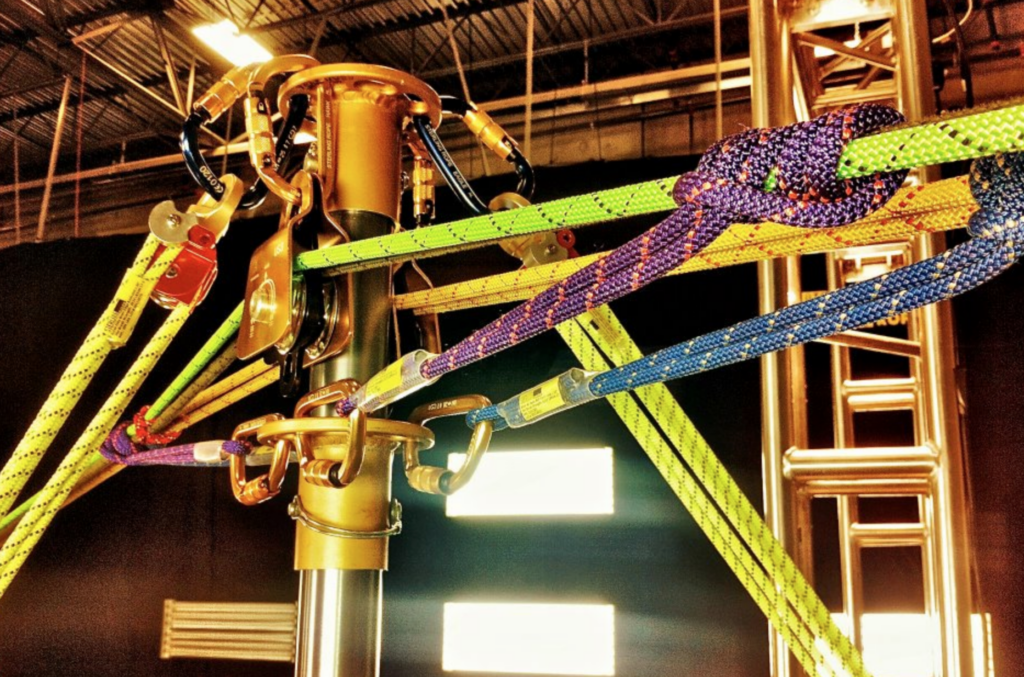
Adaptability in Technical Rescue How to Match Systems to Terrain, Load, and Team Capability In technical rescue, adaptability is the skill that keeps operations safe,

Building a REMS Kit That Works in the Real World When you’re assembling a Rapid Extraction Module Support (REMS) team for wildland fire or remote