Two Tension Offset Systems in Rope Rescue
Keyphrase: two tension offset
Slug: two-tension-offset-systems
Meta Description: Learn how two tension offset systems improve rope rescue operations across complex terrain. Discover their function, advantages, and setup.
What Is a Two Tension Offset?
A two tension offset system is a rescue configuration that allows horizontal or diagonal movement of a load—typically a patient in a litter—using two simultaneously tensioned rope systems. Unlike traditional vertical lowers, the offset system makes it possible to guide the litter across gaps, slopes, or cliff faces without swinging or drifting.
This system is essential in rescues where direct vertical descent is unsafe, blocked, or ineffective due to terrain or obstacles.
How the System Works
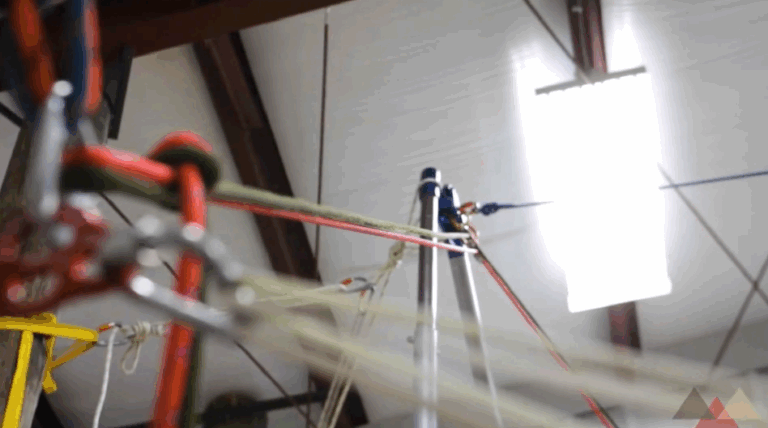
In a two tension offset, two rope systems are used—one on each side of the intended travel path. Each rope is independently anchored and controlled. One line typically serves as the lowering system, while the other acts as a guiding or hauling line. However, both lines share the load dynamically.
As the litter moves across the offset span, both ropes remain under tension. This approach distributes force, limits fall potential, and allows for precision movement.
Example Applications
-
Crossing a deep ravine or wash
-
Navigating over unstable ground or sharp drops
-
Performing tower-to-ground evacuations where a vertical drop would cause a swing hazard
Benefits of Two Tension Offset Systems
There are clear reasons this method is used in modern technical rescue:
-
Increased Control: Both ends of the system apply tension, allowing for fine control in any direction.
-
Enhanced Safety: If one system fails, the other remains tensioned, offering backup protection.
-
Minimized Swing Risk: The litter stays directly over the rope line, reducing pendulum motion.
-
Customizable Path: Operators can guide the load laterally, diagonally, or through a curved trajectory.
Key Components in the System
While gear may vary based on the rescue environment, most setups include:
-
Two mainlines (low-stretch or static)
-
Two descent control devices (e.g., MPD, CLUTCH, ID)
-
Edge protection for both rope paths
-
Anchors configured for opposing tension
-
Taglines or high directionals (optional but common)
Setup Considerations
Setting up a two tension offset requires attention to detail. The forces are complex and require experienced riggers to manage correctly.
Anchor Placement
Each anchor must be positioned to allow proper rope angles. Offset paths often create vector forces, so anchors must be bomber and backed up.
Load Sharing
Each rope team must communicate clearly and apply tension evenly. Uneven load distribution can shift the path or overload a component.
Edge Transitions
The path must include smooth transitions at all rope contact points. Edge pro and directional gear (such as a monopod or A-frame) help guide ropes around obstacles.
Backup Systems
Redundancy is key. Many teams run tandem belays or install a third system purely as a safety backup.
Challenges and Limitations
Despite its usefulness, the system presents a few limitations:
-
Complex Rigging: The setup takes time and experience. Misalignment can lead to dangerous load paths.
-
Gear-Intensive: Two full systems require double the rope, anchors, and devices.
-
Requires Skilled Technicians: Smooth operation depends on excellent communication and tensioning technique.
However, with practice and planning, these limitations can be mitigated.
Final Thoughts
Two tension offset systems offer precise, controlled, and safer movement across terrain where vertical descent is impractical. While the system demands training and careful rigging, its advantages are clear. For rescue teams operating in varied environments—urban, mountain, tower, or industrial—it is a must-know technique.
By mastering the two tension offset, your team gains the ability to navigate lateral rescue challenges with confidence, control, and safety.
Peace on your Days
Lance