Lead Climbing and Bypass Lanyard Techniques
Lead Climbing and Bypass Lanyard Techniques within vertical or horizontal movement are equal. In some operations, a climber creates their own protection as they ascend—this is lead climbing. In others, the path is pre-built, and the focus is on maintaining continuous attachment—this is where the bypass lanyard becomes essential.
Both methods are used in rope rescue, rope access, and industrial environments, but they come with very different hazards, movement styles, and system demands.
Lead Climbing in Rope Rescue and Rope Access
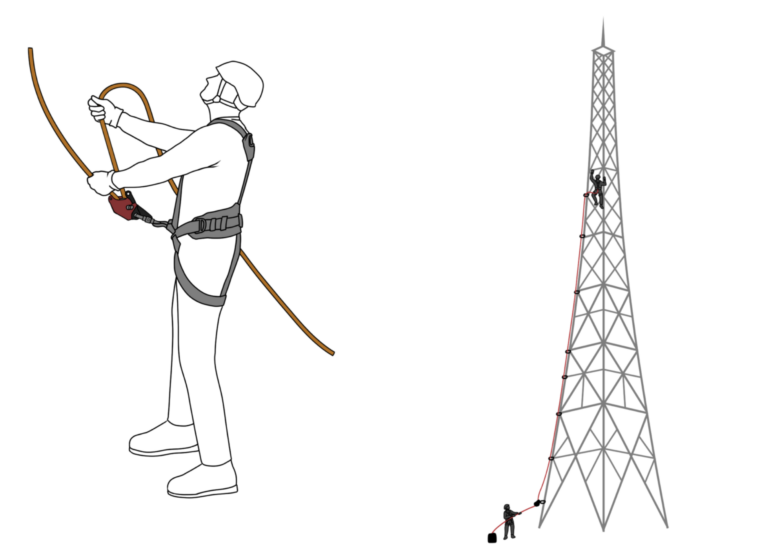
Lead climbing involves ascending a structure or terrain where the climber places or clips into intermediate protection (anchors) as they move upward. These may be:
-
Bolts or structural anchors
-
Pre-placed directional protection
-
Rope-based belay systems used as backup
It is most often seen in:
-
Structural inspections
-
Vertical confined space access
-
Tower and rigging installations
-
Rescue scenarios where terrain limits pre-rigging options
Lead Climbing Hazards:
-
Longer fall distances between anchor points
-
High fall factors if protection is not placed early or often
-
Swing or pendulum potential in horizontal offsets
-
Dependence on manual belay skill and effective team communication
Unlike top-rope systems, lead climbing does not guarantee the climber is always “above” their protection — which means higher impact falls are possible.
Fall Factor and Energy Absorption in Lead Climbing
-
Anchor spacing affects fall factor dramatically
-
Slack in the system can result in fall factor >1
-
Shock absorption is critical: use of dynamic rope or energy-absorbing components can reduce risk of injury or system failure
Proper lead systems must also address:
-
Anchor redundancy and sequence
-
Mid-fall anchor failure (shock loading the next placement)
-
Backup belay systems, especially in rescue settings
Protected Climbing with a Bypass Lanyard
In contrast, many industrial and tower applications use engineered climbing structures—ladders, step bolts, or rebar with fixed protection points. Here, the goal is not lead climbing, but continuous attachment.
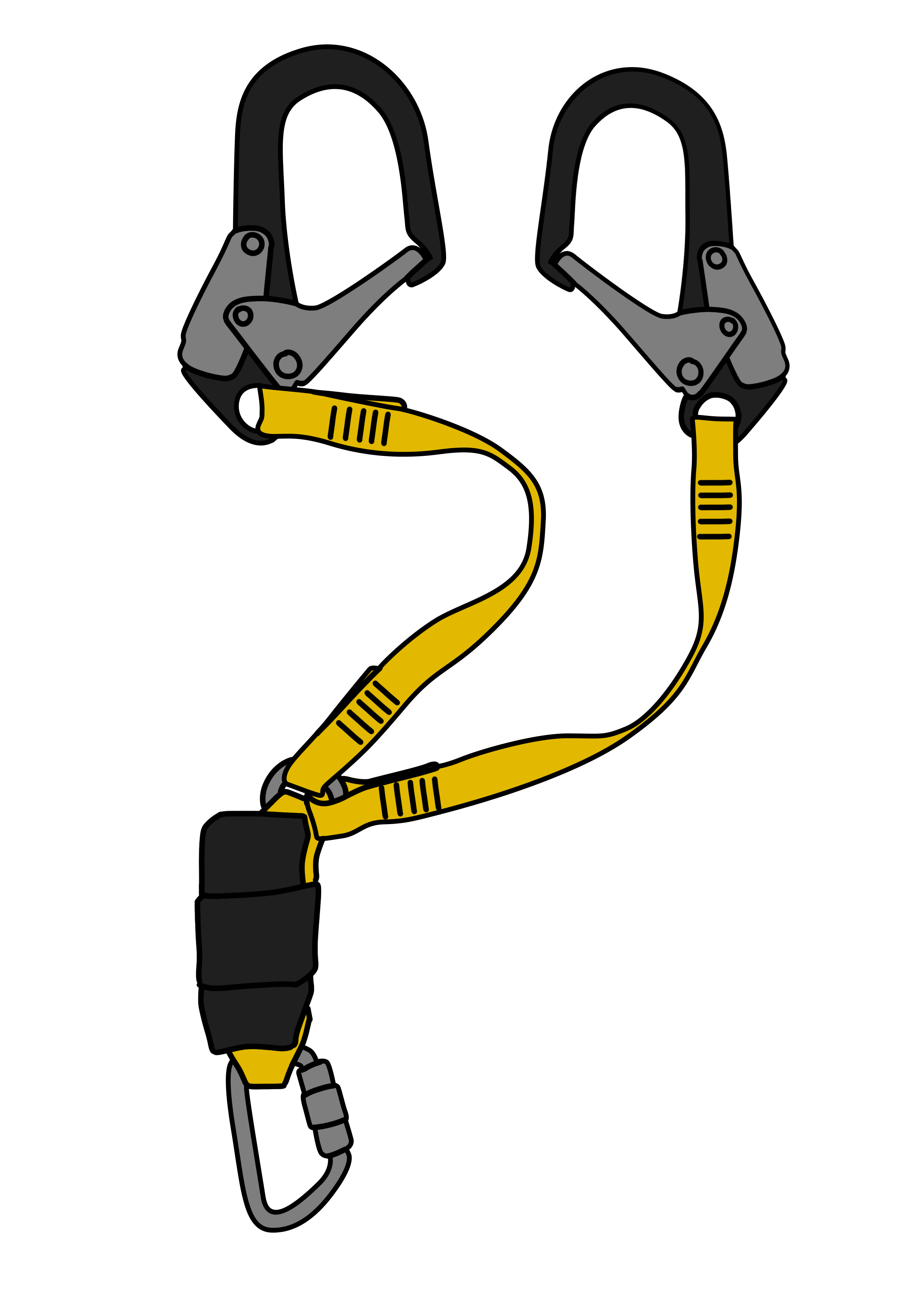
Enter the Bypass Lanyard (Twin-Leg Lanyard):
-
Two legs allow the climber to always stay clipped in during transitions
-
One leg is moved at a time past an intermediate anchor (like a rung or bolt)
-
The system prevents full detachment, maintaining fall protection throughout the climb
Used in:
-
Telecom towers and wind turbines
-
Antenna masts and utility poles
-
Bridges and industrial facilities
Best Practices for Bypass Lanyard Use:
-
Always clip one leg before moving the other—100% tie-off
-
Avoid side-loading gates or wrapping around obstacles
-
Ensure lanyards are rated for fall arrest, not just restraint
-
Select anchor points that are certified and in line with expected fall direction


Lead vs. Protected Climbing: A Strategic Choice
| Factor | Lead Climbing | Bypass Lanyard Climbing |
|---|---|---|
| Anchor Placement | Made by climber during ascent | Pre-installed, fixed system |
| Fall Factor Risk | High (if spaced anchors) | Low (with correct lanyard use) |
| Movement Style | Exposed, with variable protection gaps | Fully tethered, sequential clipovers |
| Training Requirement | Advanced belay and judgment skills | Procedural discipline and awareness |
Understanding when to use one method over the other can reduce exposure, streamline movement, and keep the entire team safer under dynamic field conditions.
This concludes the three-part foundation of our Fall Protection in Rope Rescue series. Whether you’re designing systems or moving on rope yourself, the key is this:
Know your system. Know your exposure. Stay ahead of the fall.
Peace on your Days
Lance