

Rescue Belays in Industry: Considerations and Practices
The concept of a belay as a safety backup in co-worker-assisted rescue often sparks debate, especially among those with professional rescue backgrounds. In technical rescue environments like fire departments or mountain rescue teams, belays are non-negotiable—integral to operating procedures. However, when this principle transitions into industrial or workplace scenarios, the practicality of implementing a belay system becomes more complex.
Why Belays Are Standard in Professional Rescue
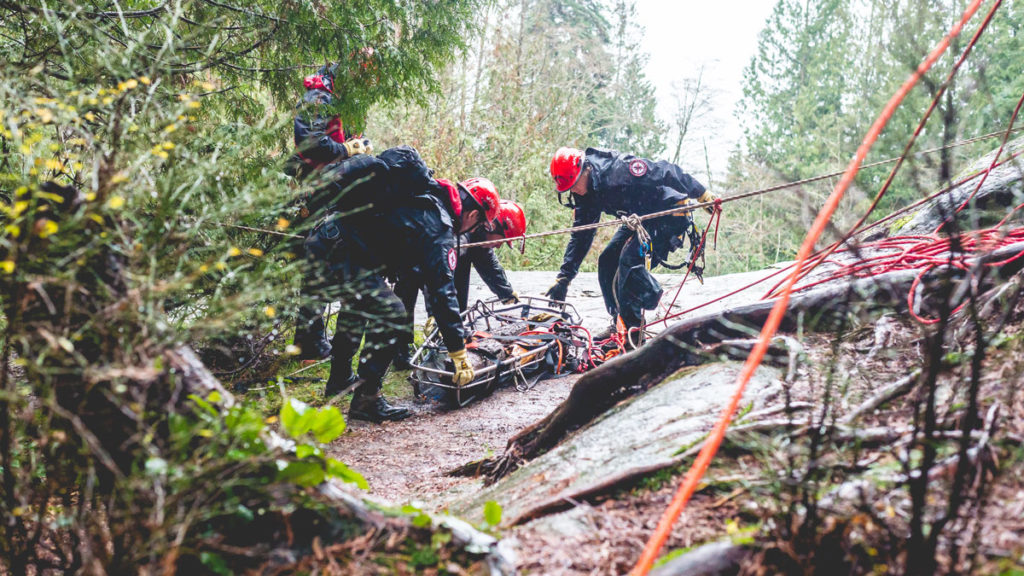
In professional rescue, a belay system serves as a fail-safe for the main rope system. Rescuers rely on it to protect against the failure of primary systems, ensuring the safety of both the patient and the rescuer. Its use is ingrained in training, with scenarios designed around the assumption that every rescue involves a belay.
This rigorous standard stems from environments where risks are high, variables are controlled, and the resources and manpower required to deploy a belay are readily available.
The Challenge in Workplace Rescue
When it comes to workplace environments, the practicality of implementing a belay system is far less straightforward. Regulatory bodies such as ANSI and OSHA recognize this nuance:
- ANSI Z359.4 Guidance: While belays are discussed extensively in standards meetings, they are not mandated. The primary goal remains to rescue a fallen worker as safely and quickly as possible. The use of a belay must be evaluated against its feasibility and potential to introduce new hazards.
- OSHA’s Position: OSHA’s interpretation letter echoes this perspective, emphasizing that while secondary systems may be beneficial in specific scenarios, they are not universally required.
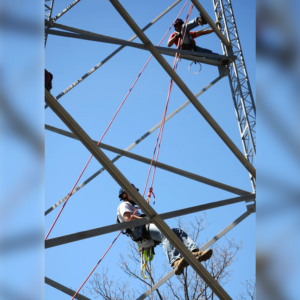
Considerations for Using a Belay System
While not mandatory, there are situations where belay systems should be seriously considered:
- Likelihood of Main System Failure:
- If the primary raising or lowering system has a high probability of failure, a belay system can provide essential redundancy.
- Non-Automatic Locking Systems:
- Systems that don’t automatically lock if the operator loses control pose a significant risk, making a belay beneficial as a safeguard.
- Weighing Risks vs. Benefits:
- In some cases, the belay system might create more hazards (e.g., entanglement, snags, or accidental activation). The decision must account for whether the added safety outweighs these potential complications.
Belays in Practice
Belay systems are typically reserved for scenarios where they:
- Protect against a credible and significant threat.
- Are operationally safe to deploy.
- Increase the overall survivability of both rescuer and patient.
In industrial rescue scenarios, many organizations opt to prioritize belays during training exercises but recognize that real-life emergencies often demand simpler, more efficient methods, such as self-rescue or co-worker-assisted rescue.
Balancing Safety and Practicality
The decision to employ a belay system in industrial environments must be tailored to the specific situation, with careful consideration of the following:
- Environmental Factors: Does the setting allow for the safe deployment of a belay without introducing additional hazards?
- System Complexity: Does the complexity of adding a belay compromise the efficiency or safety of the rescue?
- Manpower and Training: Are enough trained personnel available to manage a belay effectively during the operation?
Conclusion
While a belay is a cornerstone of professional rescue protocols, its use in industrial rescue is less prescriptive. Decision-makers should evaluate each scenario critically, weighing the benefits of a belay system against the potential risks and operational challenges. Ultimately, the choice to include a belay system should enhance—not hinder—the safety and success of the rescue effort.
Peace on your Days,
Lance




Comments are closed.