Highline Rigging

Horizontal Rope Rescue Systems and Highline Movement Techniques

Physics of Horizontal Rope Rescue Systems

Physics of Horizontal Rope Rescue Systems Why sideways movement is the real test of a rigger’s mind. Vertical rope work is the entry exam. Gravity defines the path, the system behaves predictably, and most mistakes are recoverable. But move a rescue load sideways—even fifty feet across a gap or diagonally off a tower—and everything changes.

Physics of Horizontal Rope Rescue Systems Read More »

Ideal Sag in Tensioned Track Systems for Rope Rescue

Ideal Sag in Tensioned Track Systems for Rope Rescue

Why Sag Is the Silent Killer Ideal sag in tensioned track system for rope rescue is not an easy thing to figure out.  If you’ve ever stood under a loaded tensioned track line, you know the truth: it’s not the rope that fails first, it’s the anchors. They groan, creak, and sometimes shift under loads

Ideal Sag in Tensioned Track Systems for Rope Rescue Read More »

highline rescue system reeve pulley

Building Redundancy into Highline Rescue Systems with the REEVE Pulley Assembly

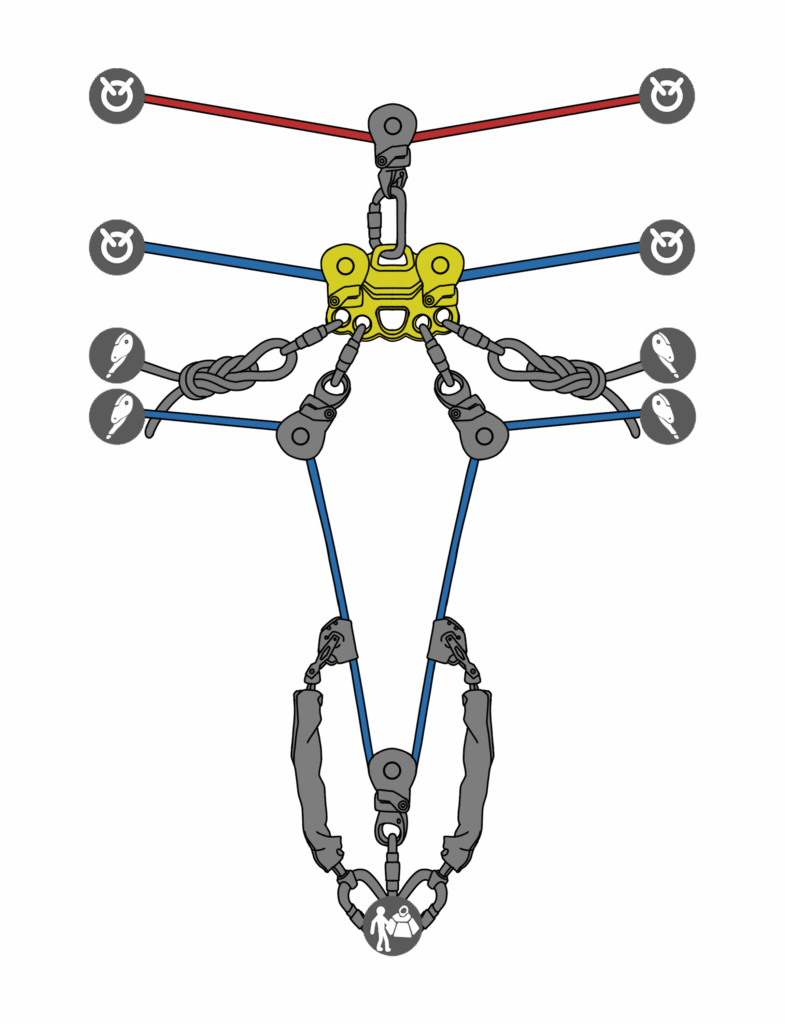
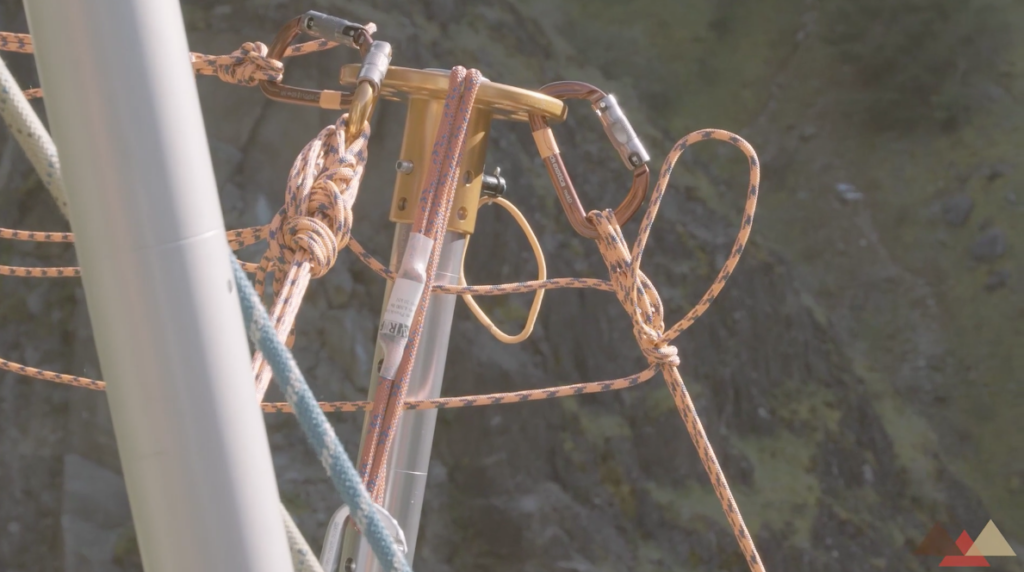
Highline Rescue: A Multi-Directional Access System with Built-In Redundancy Rescue environments don’t always offer easy access. Whether it’s a ravine, a collapsed structure, or a remote vertical shaft, reaching the subject often requires a blend of horizontal movement and vertical descent. The Highline Assembly—centered around the REEVE and SPIN pulleys—is designed to handle exactly these

Building Redundancy into Highline Rescue Systems with the REEVE Pulley Assembly Read More »

Flying W Tensioning for Dual Track Line Highlines

Flying W Tensioning for Dual Track Line Highlines

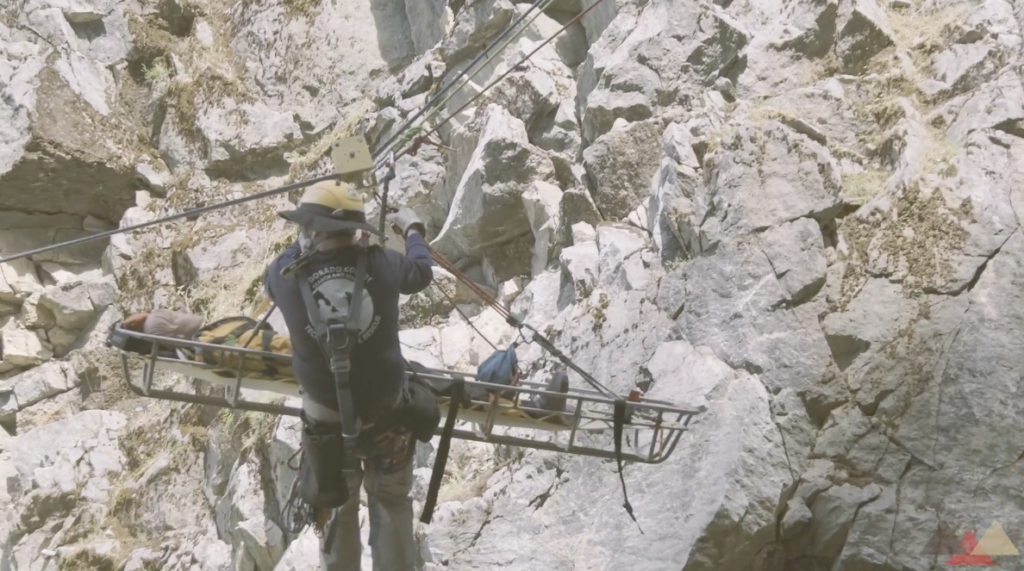
Flying W Tensioning for Dual Track Line Highlines In highline rescue systems, especially those operating across varied terrain or involving swiftwater hazards, control over the load’s position is critical. When the terrain shifts beneath the litter—or when rescuers must operate from unequal anchor elevations—traditional systems often fall short. This is where the Flying W tensioning

Flying W Tensioning for Dual Track Line Highlines Read More »

Twin tension skate block rescue operation

Twin Tension Skate Block in Tower Rescue

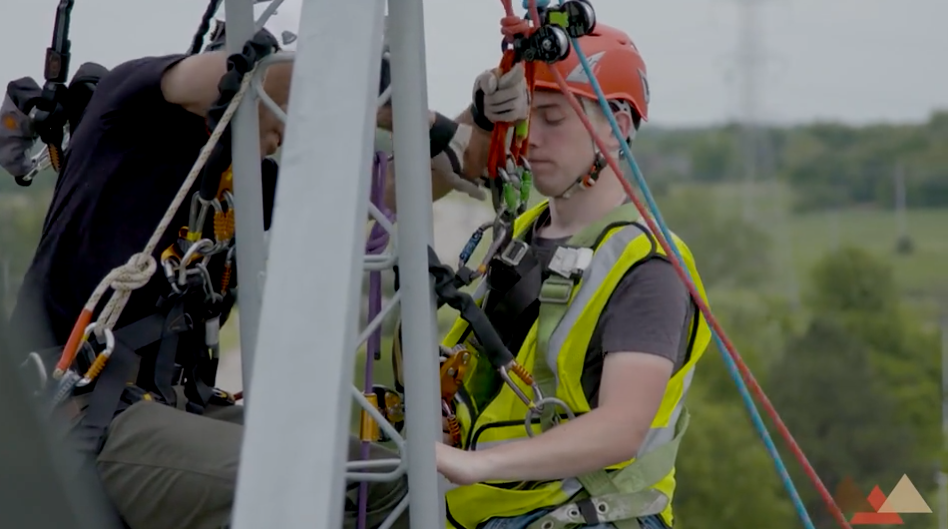
Twin Tension Skate Block in Tower Rescue When precision, control, and redundancy matter most, the twin tension skate block system stands out as one of the most refined vertical rescue techniques. This blog walks through a full scenario utilizing this method, focusing on streamlined rigging, dynamic lowering, and the critical importance of redundancy at height.

Twin Tension Skate Block in Tower Rescue Read More »

tower rescue twin track lines

Twin Tracking Line Power Control Rescue

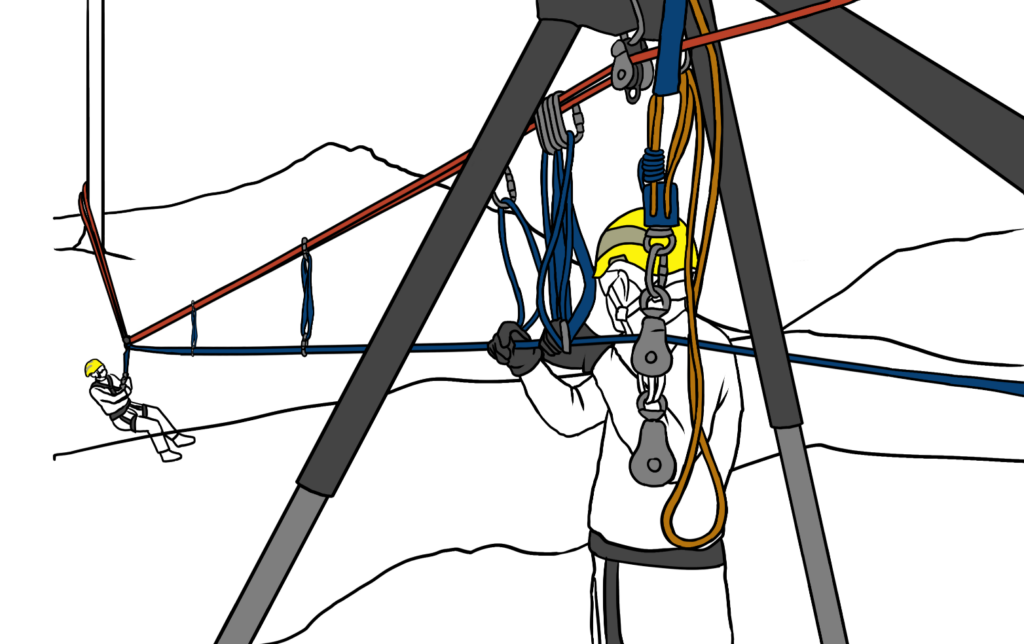
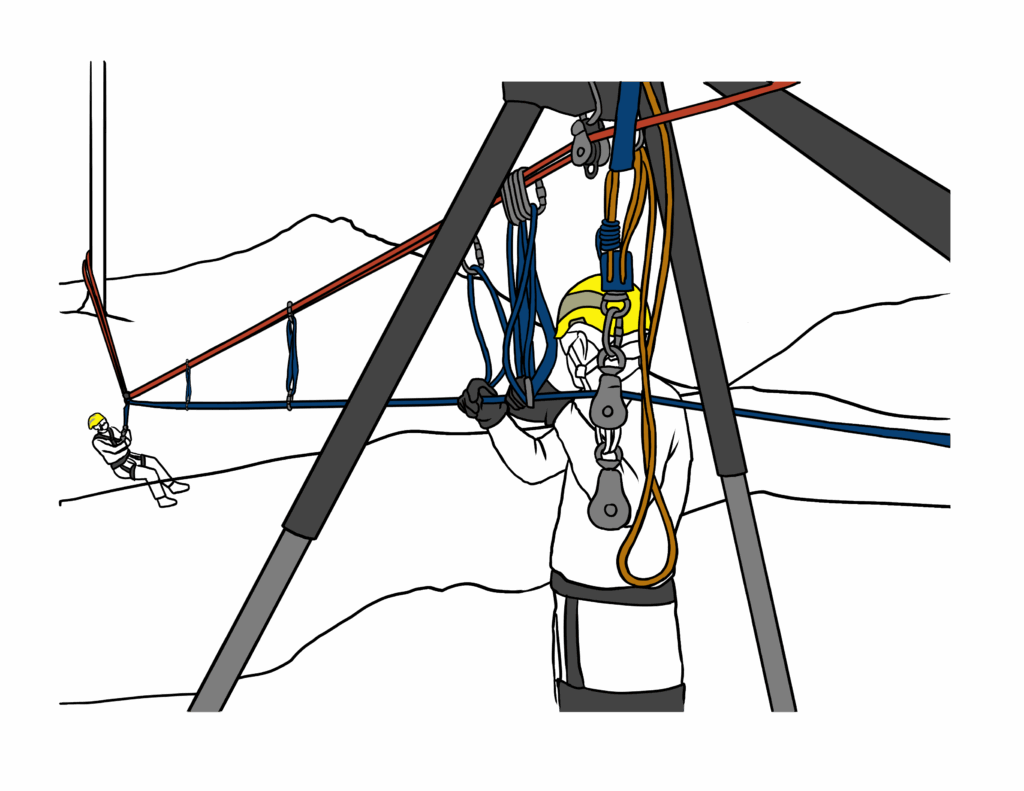
In high-angle tower rescues, distance and clearance are critical. When the objective is to move a suspended patient away from a structure and across a distance, twin tracking lines offer a clean and redundant solution. This scenario demonstrates a Twin Tracking Line Power Control Rescue, designed for extended horizontal offset and mid-air patient control using

Twin Tracking Line Power Control Rescue Read More »

Hybrid Rescue Ground Anchor with Harken Riggers Winch

Hybrid Rescue Ground Anchor with Harken Riggers Winch

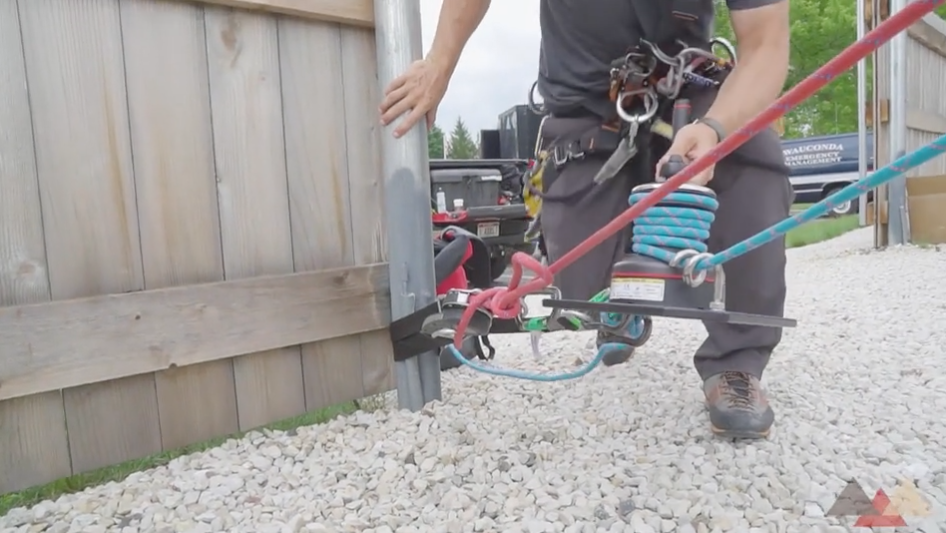
Hybrid Rescue Ground Anchor with Harken Riggers Winch In hybrid horizontal rescue systems, ground anchors play a critical role in maintaining tension, control, and safety. Whether you’re managing a skate block, a tracking line, or both, the way you rig from the ground determines how smooth and stable the evolution will be. One of the

Hybrid Rescue Ground Anchor with Harken Riggers Winch Read More »

Horizontal Movement Systems in Rope Rescue

Horizontal Movement and Tagline Systems in Rope Rescue

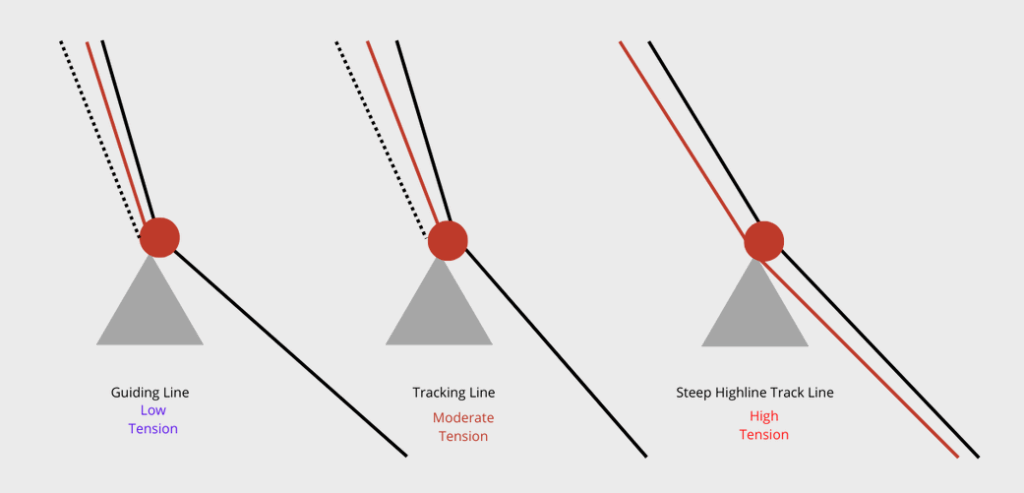
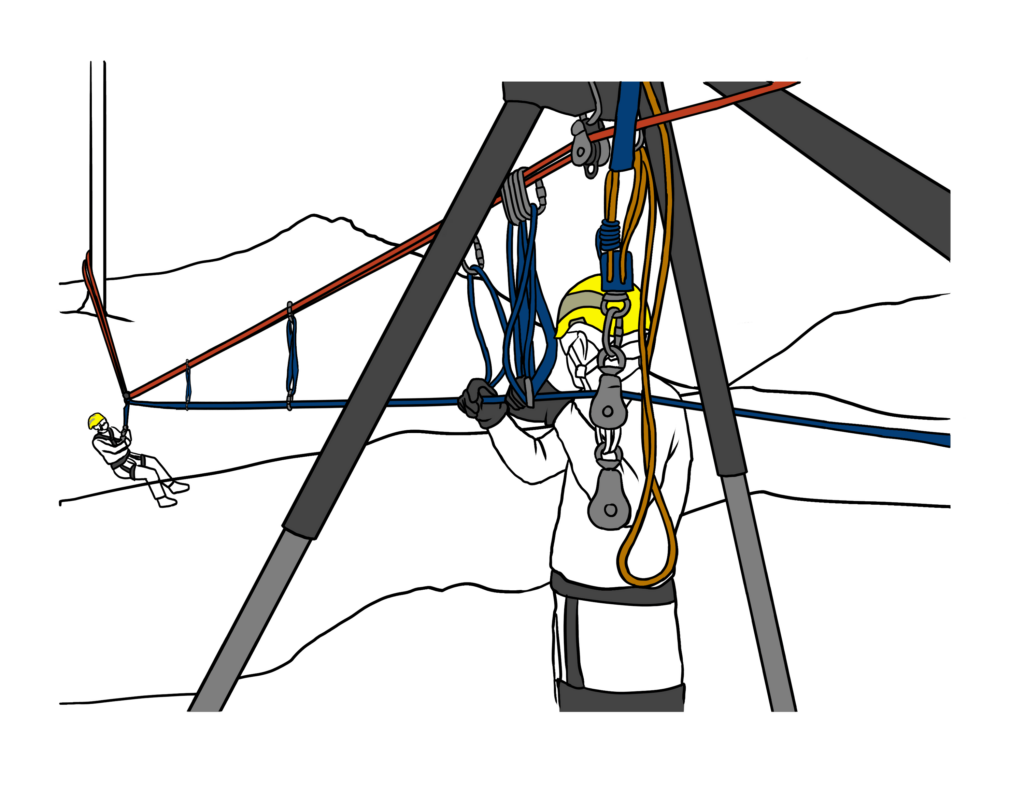
Horizontal Movement Systems in Rope Rescue In rope rescue, managing lateral movement is more than just technique—it’s about understanding system intent, terrain behavior, and safety margins. Three primary horizontal movement systems allow rescuers to safely transport a suspended load across gaps or uneven terrain: Taglines Guiding Lines Tracking Lines Each system serves a specific purpose,

Horizontal Movement and Tagline Systems in Rope Rescue Read More »

Highline_Anchors_rope_rescue

Highline Systems Anchors Safety Operations Tensioning Fundamentals

Explore the essentials of highline rescue systems—anchor setup, safety protocols, operational best practices, and tensioning methods for high-angle rigging. Introduction: A System That Must Never Fail In rope rescue, few systems are as unforgiving—or as powerful—as the highline. Spanning gaps where terrain eliminates direct access, highlines serve as aerial pathways for rescuers and patients alike.

Highline Systems Anchors Safety Operations Tensioning Fundamentals Read More »

multipoint anchoring using removable bolts - Removable Bolt Highline Anchors

Removable Bolt Highline Anchors

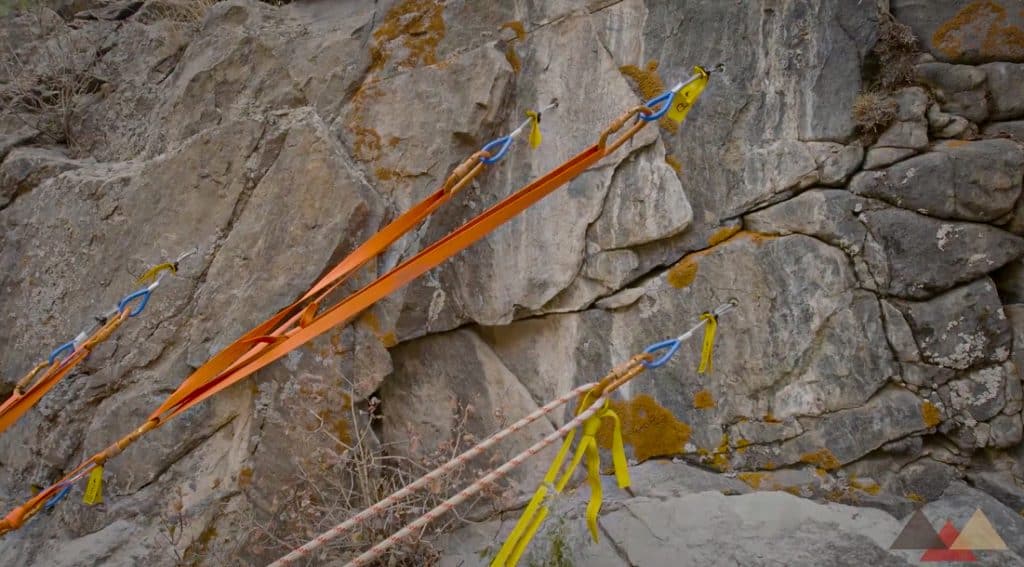
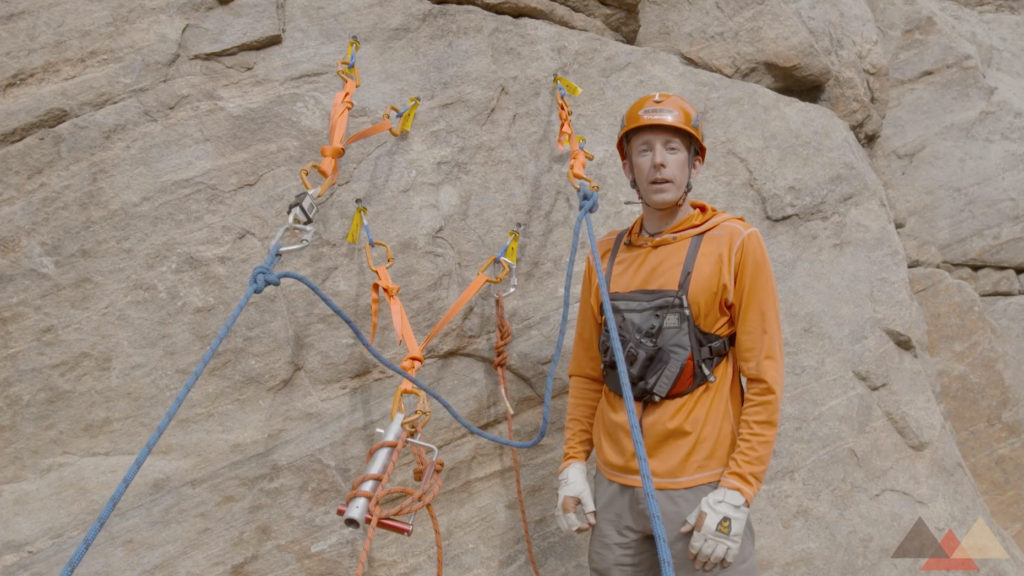
Removable Anchors for Highline Rescue Highline systems are often associated with complexity and beauty. But when lives are on the line — literally — it’s the anchor system that defines whether a highline is operational, sustainable, and safe. In this case, the challenge wasn’t just spanning a canyon. It was doing so without leaving a

Removable Bolt Highline Anchors Read More »

Twin Tensioned Highline Anchors

Twin Tensioned Highline Anchor System

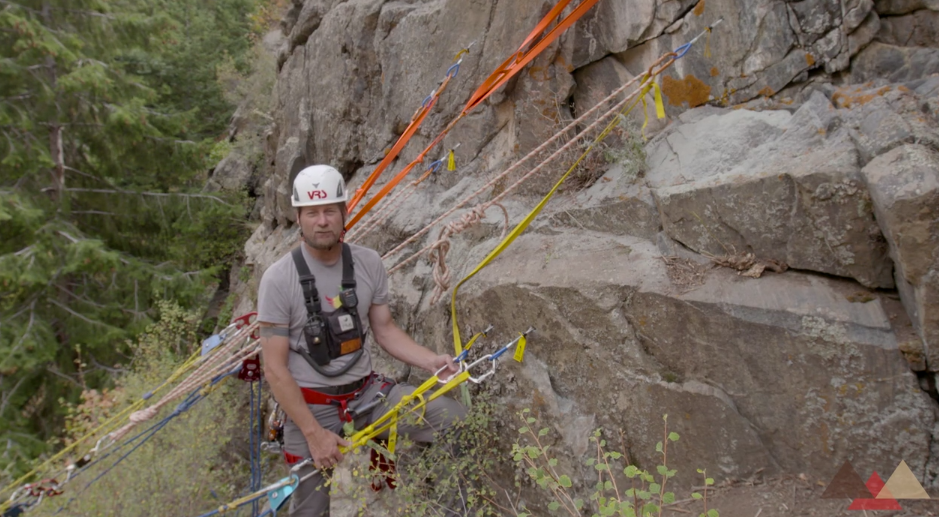
Twin Tensioned Highline Anchor System As rope rescue systems grow more advanced, so do our expectations for precision, safety, and minimal impact. When constructing a twin tensioned highline system, the reliability of your anchors — and how they manage load — becomes mission critical. This article breaks down a field-tested twin highline anchor system built

Twin Tensioned Highline Anchor System Read More »

key factors in rope safety - Rigging Horizontal Traverse Lines

Rigging Horizontal Traverse Lines

Rigging Horizontal Traverse Lines: Optimal Height, Safety, and Techniques Optimal Height for Horizontal Traverse Lines When rigging horizontal traverse lines, the height at which the line is positioned can significantly impact safety, efficiency, and functionality. Following some general guidelines can help ensure the line is placed correctly. Recommended Height Placement The preferred height for a

Rigging Horizontal Traverse Lines Read More »

Horizontal Systems Gear

Horizontal Systems Gear

Taglines Taglines are used in horizontal rope systems to control, stabilize, or maneuver a load laterally across a gap or down a slope. They are often simple tensioned lines attached to a load, providing directional control. Purpose: Taglines ensure the load moves along a predetermined path, reducing the chance of unwanted swinging or collisions with

Horizontal Systems Gear Read More »

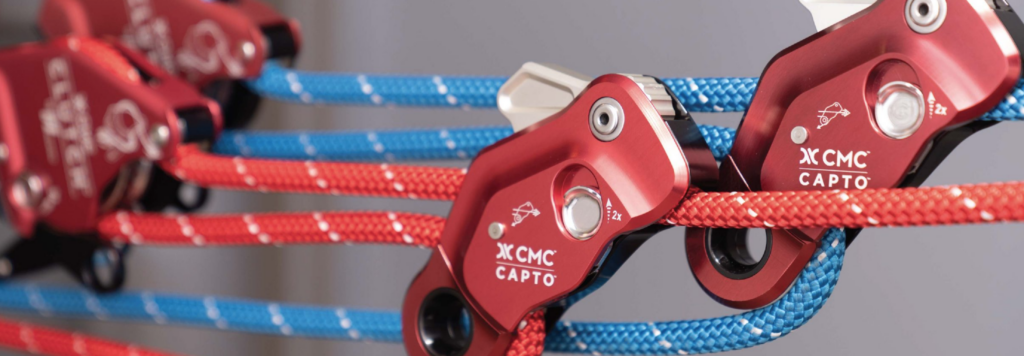
The CMC Capto’s ability to streamline complex systems while ensuring safety makes it an invaluable tool for modern rope rescue operations. Rescucender vs Capto vs Prusik

The CAPTO and CLUTCH Mechanical Advantage System

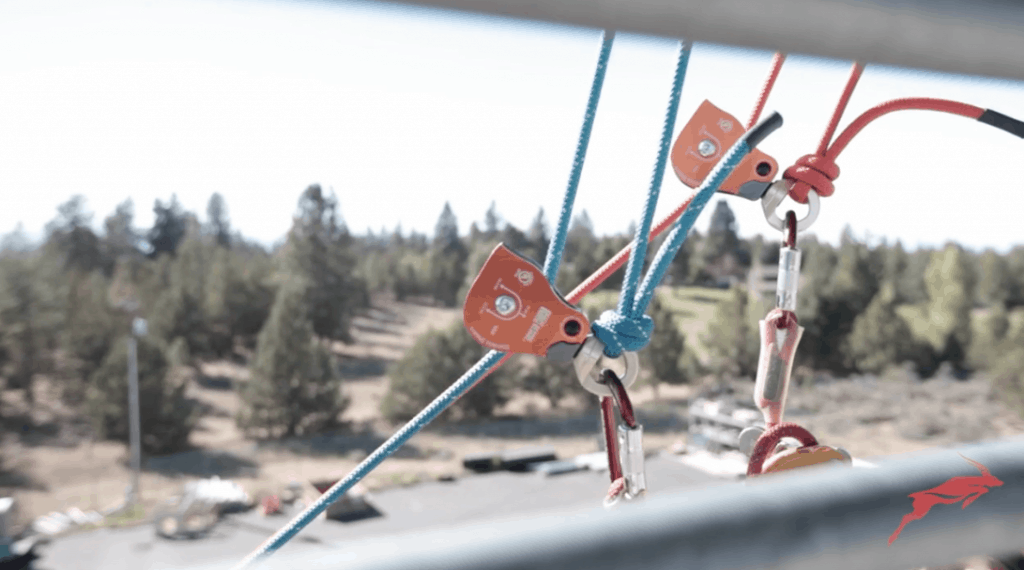
Welcome to a new era in rope access and rescue operations, where innovation meets simplicity. In the world of technical rope work, the challenges of complexity, safety concerns, and limited versatility have met their match. Introducing CAPTO and CLUTCH – a dynamic duo designed to transform the way technicians approach their work. The following is

The CAPTO and CLUTCH Mechanical Advantage System Read More »

Rope Rescue Highline Systems and Rigging Techniques

Rope Rescue Highline Systems and Rigging Techniques

Rope Rescue Highline Systems and Rigging Techniques Rope rescue and rigging highline systems are critical components of technical rescue operations, particularly in situations where victims or rescuers need to be moved vertically or horizontally across challenging terrain or obstacles. These systems are commonly used in wilderness search and rescue, industrial settings, and by first responders

Rope Rescue Highline Systems and Rigging Techniques Read More »

Highline_Anchors_rope_rescue

Highline Systems for Rope Rescue

Highline systems are critical for rope rescue operations in challenging terrains and popular climbing areas. They demand advanced rigging skills, meticulous planning, and specialized equipment to ensure safety and efficiency. Key Components of Highline Systems Building Highlines Highline construction requires thorough knowledge of rigging principles and safety measures. It is crucial to use the right

Highline Systems for Rope Rescue Read More »

Rope Rescue Training for Fire Service and SAR

High-Angle Rescues with Dual Rope Systems

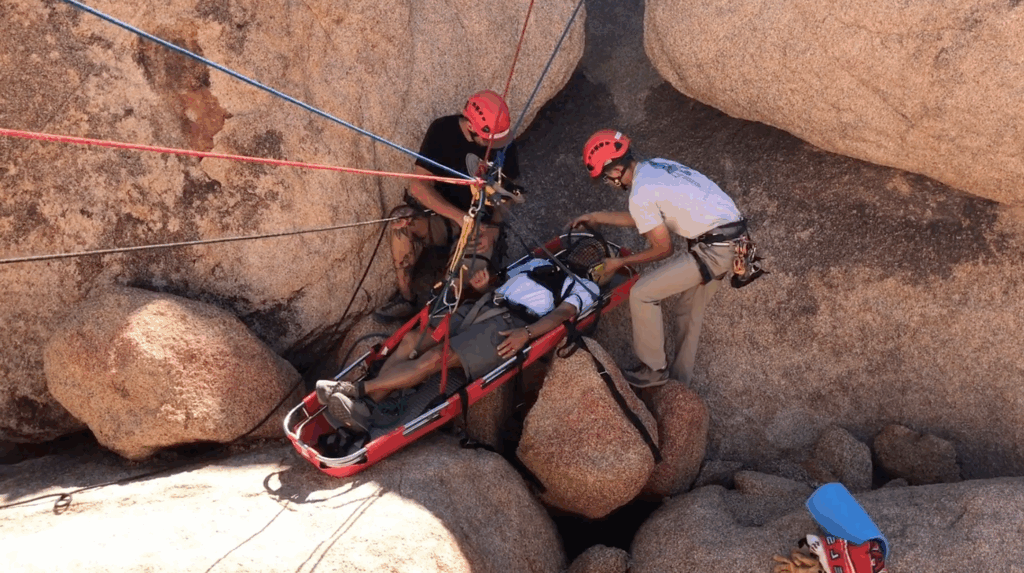
High-Angle Rescues with Dual Rope Systems High-Angle Rescues with Dual Rope Systems; precision and teamwork converge to tackle the multifaceted challenges of high-angle environments. The following recounts a compelling training scenario where adaptability and collaboration were pushed to the forefront, providing invaluable lessons for rescue teams. The Rescue Scenario The mission was clear: respond to

High-Angle Rescues with Dual Rope Systems Read More »

Streamlining Rescue Operations

Streamlining Rescue Operations

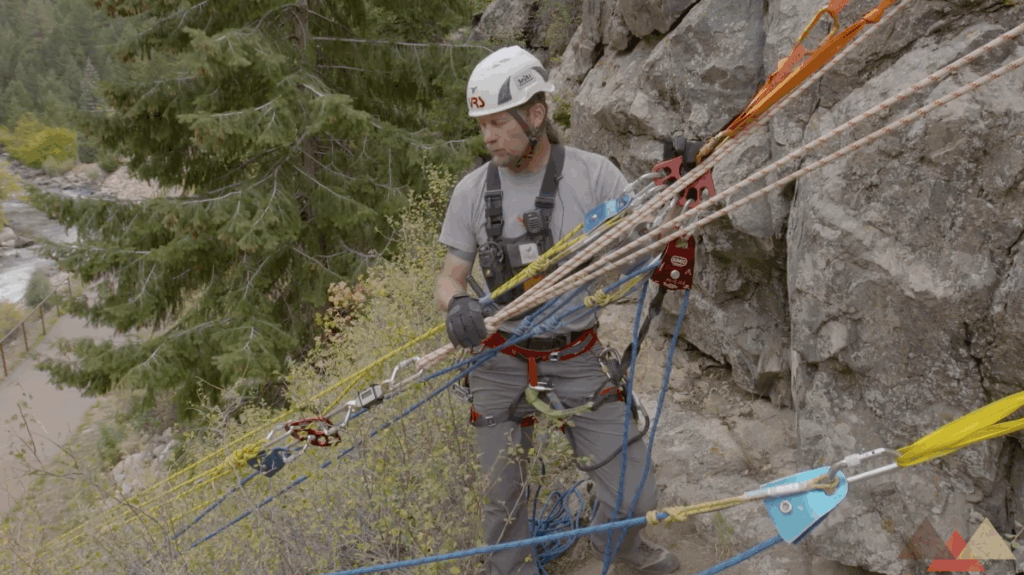
Streamlining Rescue Operations: Dual AHD Systems for Efficient Trackline Offsets The integration of dual Artificial High Directional (AHD) systems in rescue operations marks a significant leap in precision and safety. By employing a Two Tension Rope System (TTRS) for the working lines alongside a dedicated tracking line, this method showcases innovation, strategic planning, and a

Streamlining Rescue Operations Read More »