
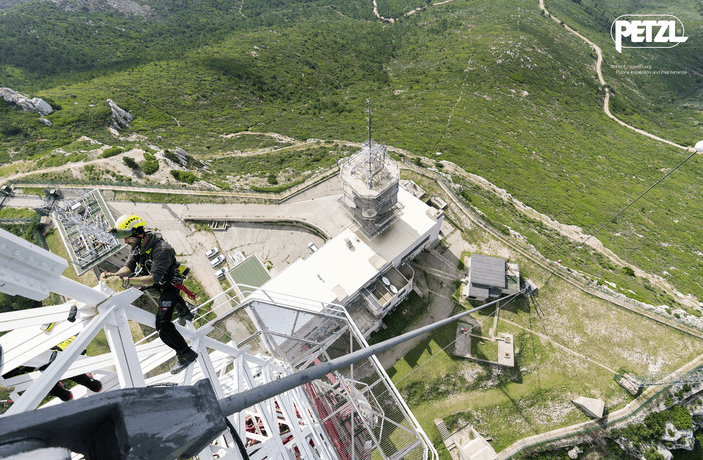
Choice of Lanyard and Carabiner – for a Work Positioning Lanyard
Work positioning systems are critical for ensuring stability and safety when working at height. Selecting the right combination of lanyard and carabiner for a work positioning system can significantly enhance both functionality and safety. This guide explores the key considerations in choosing a work positioning lanyard and its compatible carabiner, emphasizing their roles in work positioning setups.
Key Factors in Choosing a Work Positioning Lanyard
1. Type of Lanyard:
- Adjustable Lanyards: Offer flexibility by allowing the user to fine-tune their position. These are ideal for situations requiring frequent adjustment.
- Fixed-Length Lanyards: Suitable for tasks with static positioning needs, providing simplicity and reliability.
2. Material:
- Rope Lanyards: Durable and resistant to wear, making them ideal for demanding environments.
- Webbing Lanyards: Lightweight and compact, suitable for less abrasive conditions.
3. Compatibility with Harness:
Ensure the lanyard is compatible with the work positioning loops on your harness. This ensures proper integration and functionality.
4. End Connections:
- Sewn Eye Terminations: Provide secure attachment points with minimal bulk.
- Knot Connections: Allow customization but may require additional inspection for wear and strength.
Selecting the Right Carabiner
1. Shape:
- D-Shape Carabiners: Offer optimal strength and load distribution, making them ideal for connecting to work positioning lanyards.
- Oval Carabiners: Ensure smooth operation when used with pulleys or devices that require centered loading.
2. Locking Mechanisms:
- Screw-Lock Carabiners: Reliable and user-friendly but require manual locking.
- Twist-Lock or Triple-Lock Carabiners: Provide automatic locking and enhanced security, particularly in dynamic environments.
3. Additional Features:
- Captive Bars: Prevent rotation and maintain proper alignment.
- Keylock Nose: Reduces snagging when connecting or disconnecting.
Recommended Configurations for Work Positioning
- Adjustable Lanyard with Twist-Lock Carabiner:
- Provides flexibility for dynamic tasks.
- Automatic locking ensures the system remains secure.
- Fixed-Length Lanyard with Screw-Lock Carabiner:
- Ideal for static tasks where adjustments are minimal.
- Manual locking allows precise control of the connection.
- Double Lanyard Setup with D-Shape Carabiners:
- Offers redundancy and mobility.
- Ensures one lanyard remains secured while transitioning positions.
Practical Considerations
- Regular Inspection: Check both lanyard and carabiner for signs of wear, damage, or corrosion.
- Proper Use: Follow manufacturer guidelines for attaching and using the lanyard-carabiner combination.
- Training: Ensure users are trained in safe work positioning techniques and the specific equipment being used.
Related Resources:
- Comprehensive Guide to Work Positioning Systems
- Choosing the Right Carabiner for Rescue and Rigging
- Understanding Lanyard Material and Strength
Conclusion
The choice of lanyard and carabiner plays a pivotal role in the effectiveness and safety of work positioning systems. By understanding the features, benefits, and applications of various lanyards and carabiners, you can build a reliable system tailored to specific tasks and environments.



Comments are closed.