Belay Systems for Safer Rappelling
In rope rescue, descending is only half the equation. The other half is what protects the person if something goes wrong. That’s where the belay system comes in—not as a luxury, but as a core component of risk mitigation.
Belaying a rappel provides a critical layer of redundancy in case of mainline failure or operator error. From simple fireman’s belays to advanced automatic systems, choosing the right approach ensures that every descent is backed by control, communication, and safety margins.
Belay as Backup: Why It Matters
A rappel without a backup is vulnerable. If the descent control device fails, the brake hand slips, or the edge introduces an unexpected hazard, the result can be catastrophic. Belay systems are not optional in rescue—they are operational safeguards. They keep the rope system dynamic but controllable, even under pressure.
Belay Techniques: Contextual Choices, Not Just Preferences
Different environments and team capabilities demand different belay styles. Rather than seeing these methods as a menu of options, it’s more effective to consider them as tools for specific constraints.
Independent Belay
This method uses a fully separate rope and belayer, often stationed at the top.
-
Ideal when maximum redundancy is needed (e.g., rescuing a patient on rappel).
-
Offers real-time intervention if the rappeller becomes incapacitated or the mainline is compromised.
However, it adds system complexity and requires a trained belayer capable of dynamic load control. It’s not just a second rope—it’s a second system with its own consequences if mismanaged.
Bottom Belay (Fireman’s Belay)
Simple, effective, and commonly used in both training and field settings, this method involves a teammate at the bottom holding the rope. If the rappeller loses control, the belayer can lock the rope by pulling downward.
-
Works well for short vertical drops and non-technical rappels.
-
Requires minimal setup, but constant attention.
Limitations arise when terrain or visibility block the bottom belayer from seeing the rappeller, or when the rappel doesn’t reach the ground.
Self-Belay
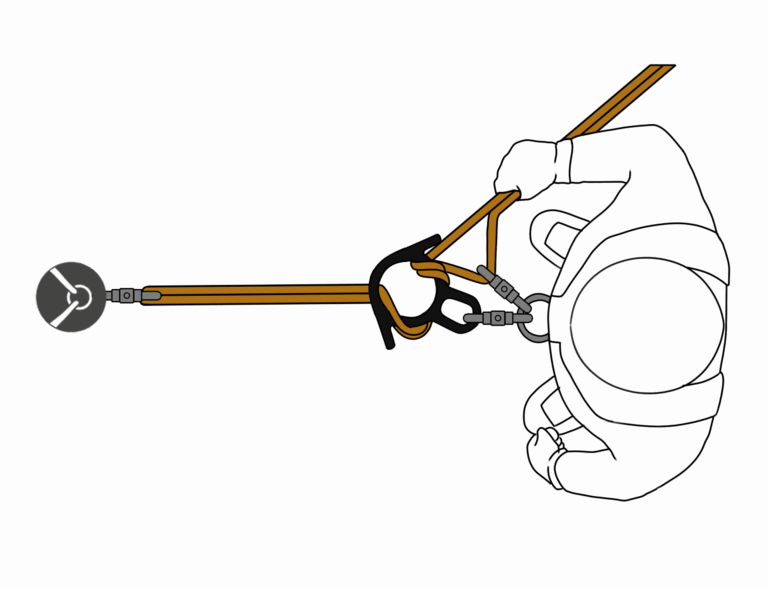
This technique puts the backup in the hands of the rappeller using a friction hitch or mechanical device.
-
Offers freedom of movement and full autonomy.
-
Often used in solo or rope access environments.
However, it demands precise technique. A mismanaged Prusik can jam, and a poorly positioned rope grab can interfere with the descent. Self-belays must be practiced before field use.
Automatic Belay Systems
Devices like the Petzl ASAP or ISC Red follow the rope and engage automatically if the rappeller accelerates uncontrollably.
-
Provide hands-free redundancy.
-
Particularly useful in twin tensioned rope systems and vertical rescue scenarios.
These systems, while reliable, introduce their own complexity: rope diameter compatibility, device orientation, and tensioned system integration must be dialed in correctly to avoid misfire.
How to Choose the Right Belay Method
Belay selection should never be arbitrary. Use terrain, team composition, and descent purpose to guide the decision. Some key considerations:
-
Does the rappel have a visible base? → Use bottom belay.
-
Is the load dynamic or patient-bearing? → Choose independent or twin tensioned systems.
-
Is the rescuer solo or operating in tight space? → Use self-belay or auto-belay devices.
-
Is the team inexperienced or in training? → Layer a simple, redundant backup.
Above all, remember: simplicity supports safety. Don’t overbuild if the terrain doesn’t demand it—but don’t undercut your margin when things could turn.
Final Recommendations
-
Communicate clearly. Signals or comms between rappeller and belayer are non-negotiable.
-
Inspect all gear before every descent.
-
Train for failures. Practice “what if” scenarios so your team can respond when things go sideways.
Belayer Safety in Rappelling Operations
The role of a belayer is crucial in ensuring the safety and success of any rappelling operation. Whether managing a safety line, bottom belay, or an independent belay system, the belayer must follow strict safety protocols to prevent accidents and ensure that the rappeller is protected at all times. Belayer safety involves a combination of proper positioning, communication, and equipment management to reduce risks and maintain control throughout the descent.
Key Responsibilities of the Belayer
The belayer’s primary responsibility is to manage the belay line and provide backup protection to the rappeller. This involves maintaining tension on the rope, monitoring the rappeller’s progress, and intervening if necessary to stop or slow the descent.
Core Responsibilities:
- Maintain Tension: Keep the belay line taut without creating excessive slack.
- Monitor the Rappeller: Keep a constant eye on the rappeller to anticipate any issues or signals.
- Respond to Commands: Follow pre-established communication protocols and respond to the rappeller’s signals.
- Stop the Descent if Necessary: Apply tension to the rope to stop or slow the rappeller’s descent in case of an emergency.
Safety Guidelines for Belayers
To ensure their own safety and the safety of the rappeller, belayers must adhere to the following safety guidelines:
1. Proper Positioning
The belayer should position themselves in a stable and secure location where they can manage the rope effectively without risk of falling or being struck by debris.
Best Practices:
- Stand on level ground, away from loose rocks or unstable surfaces.
- Ensure that the rope has a clear path and is not tangled or obstructed.
- Avoid standing directly under the rappeller to reduce the risk of falling debris.
2. Use of Personal Protective Equipment (PPE)
Belayers must wear appropriate PPE to protect themselves during rappelling operations. This includes:
- Helmet: To protect against falling debris or accidental impacts.
- Gloves: To reduce friction burns and improve grip on the rope.
- Harness: If the belayer is positioned near an edge, they should wear a secure harness attached to an anchor point.
3. Communication Protocols
Clear communication between the belayer and the rappeller is essential to ensure a safe and controlled descent. Pre-established commands and signals should be used to avoid confusion.
Common Commands:
- “On belay”: The belayer confirms they are ready to manage the rope.
- “Belay on”: The rappeller confirms they are prepared to begin the descent.
- “Slack”: The rappeller requests more slack in the rope.
- “Tension”: The rappeller requests the belayer to take up slack.
- “Stop”: The rappeller or belayer signals an immediate stop.
4. Managing the Rope
The belayer must manage the rope carefully to ensure it feeds smoothly and does not become tangled or snagged. Proper rope management reduces the risk of accidents and ensures the belay system functions correctly.
Best Practices:
- Keep the rope organized and free of knots or tangles.
- Monitor the rope for signs of damage or wear.
- Use a rope bag to keep the rope clean and protected from debris.
5. Staying Attentive
Belaying requires constant attention and focus. The belayer must remain vigilant throughout the entire descent, ready to intervene if necessary.
Tips for Staying Focused:
- Avoid distractions, such as conversations or phone use, while belaying.
- Keep a clear line of sight on the rappeler at all times.
- Regularly check the belay system and rope to ensure everything is functioning correctly.
Common Belayer Mistakes to Avoid
Even experienced belayers can make mistakes. Being aware of common errors can help prevent accidents and improve overall safety.
1. Allowing Too Much Slack
Excessive slack in the belay line reduces the effectiveness of the system and increases the risk of a fall. The belayer must maintain appropriate tension on the rope at all times.
2. Losing Focus
Distractions can lead to delayed reactions or missed signals. The belayer must remain attentive and focused throughout the entire operation.
3. Poor Communication
Miscommunication between the belayer and the rappeller can result in dangerous situations. Always use clear, pre-established commands and confirm that they are understood.
4. Incorrect Use of Equipment
Improper use of belay devices or failure to inspect gear can compromise the safety of the system. The belayer must be trained in the correct use of all equipment and conduct regular gear inspections.
Conclusion
Belayer safety is a critical component of any rappelling operation. By following best practices for positioning, communication, equipment management, and attentiveness, belayers can ensure the safety of both themselves and the rappeller. Proper training and ongoing practice are essential to mastering the skills required for effective belaying. When performed correctly, belaying significantly reduces the risks associated with rappelling and enhances the overall success of the operation.
Peace on your Days
Lance