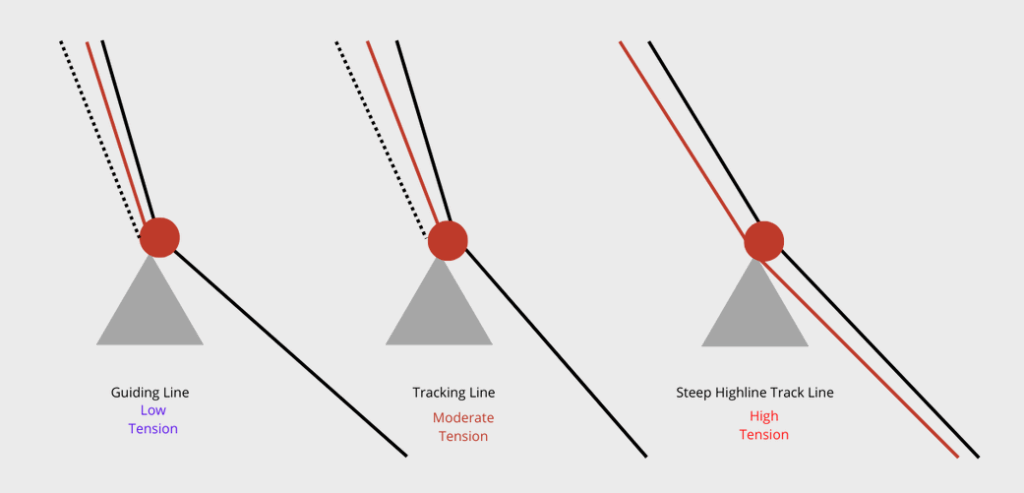
friction control

Counterintuitive Principles of Elite Rope Rescue Systems
1. The Ultimate System Test: What Happens If Everyone Lets Go? The “whistle test” is one of the simplest yet most powerful tools in rope

1. The Ultimate System Test: What Happens If Everyone Lets Go? The “whistle test” is one of the simplest yet most powerful tools in rope
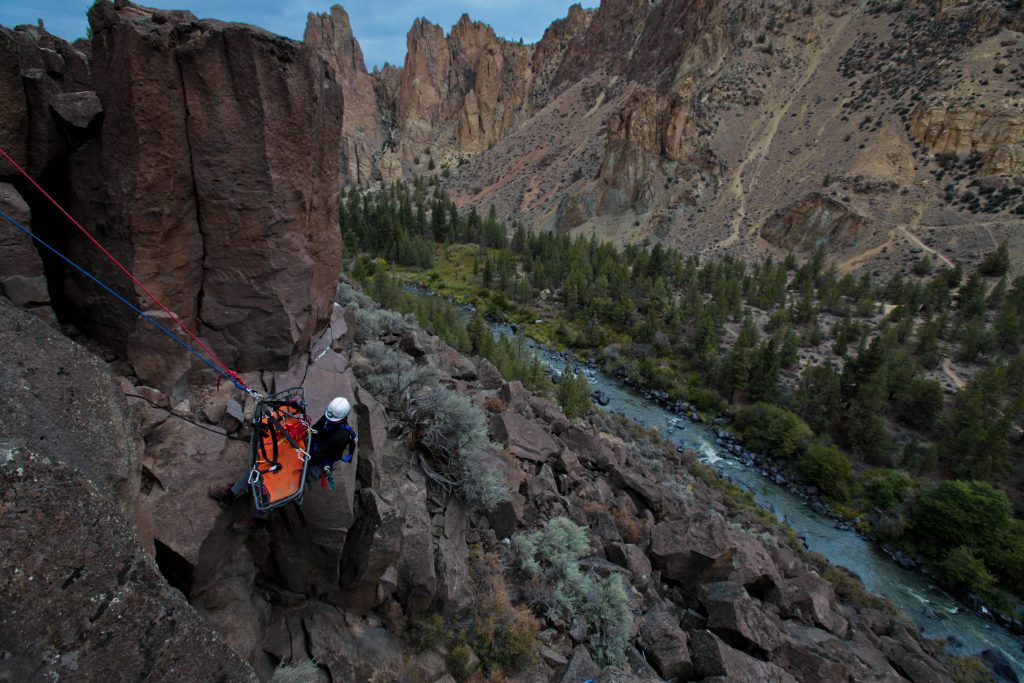
In professional rescue environments, efficiency is achieved through the deliberate balance of mechanical precision, system predictability, and patient safety. Technical rescue operations—especially in vertical and
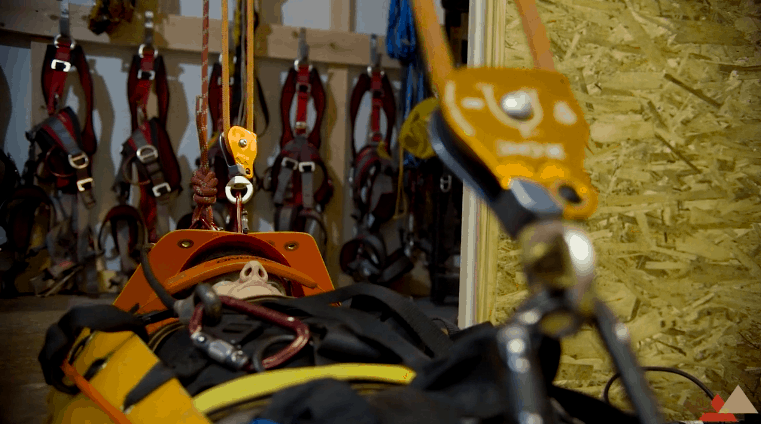
In the discipline of technical rescue, the anchor system remains the defining constant—the mechanical and moral foundation of every operation. As Steve Crandall asserts, “Without
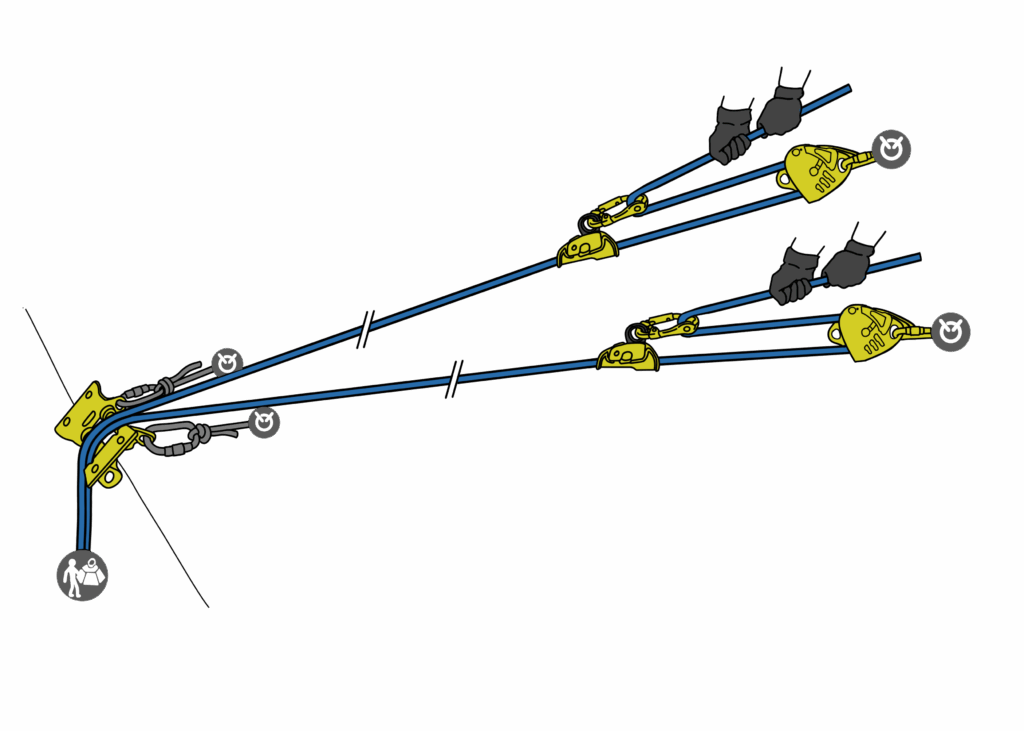
In modern technical rescue, moving beyond traditional main-and-belay configurations is essential to achieving superior safety margins and operational efficiency. The shift is towards Dual Mainline
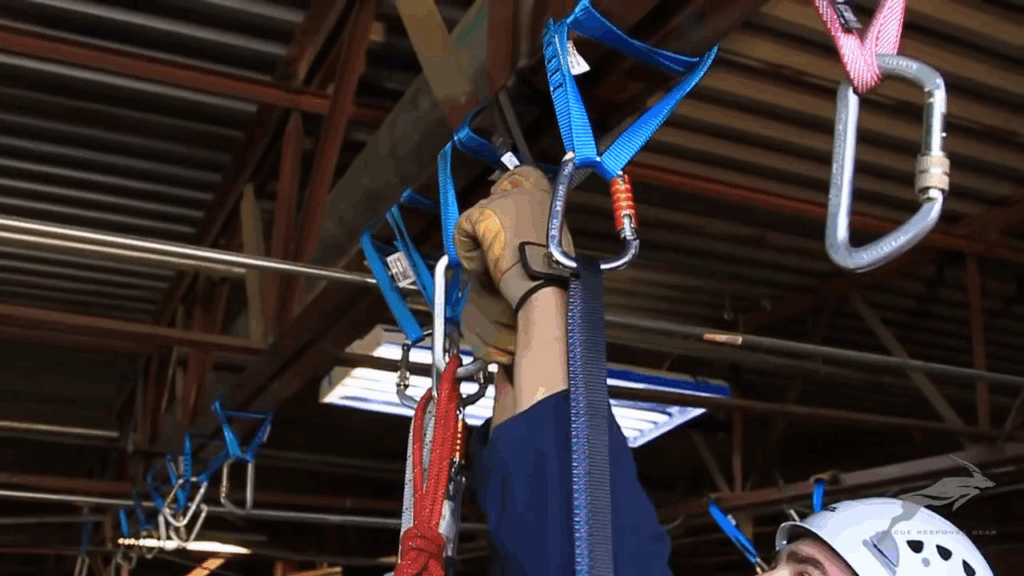
Cross hauling is a controlled horizontal movement technique used to transport loads—such as a patient litter, heavy gear, or suspended equipment—between two points using independent

Mechanical advantage lies at the heart of rope rescue, and pulleys are the tools that make it possible. By redirecting force and multiplying effort, pulley
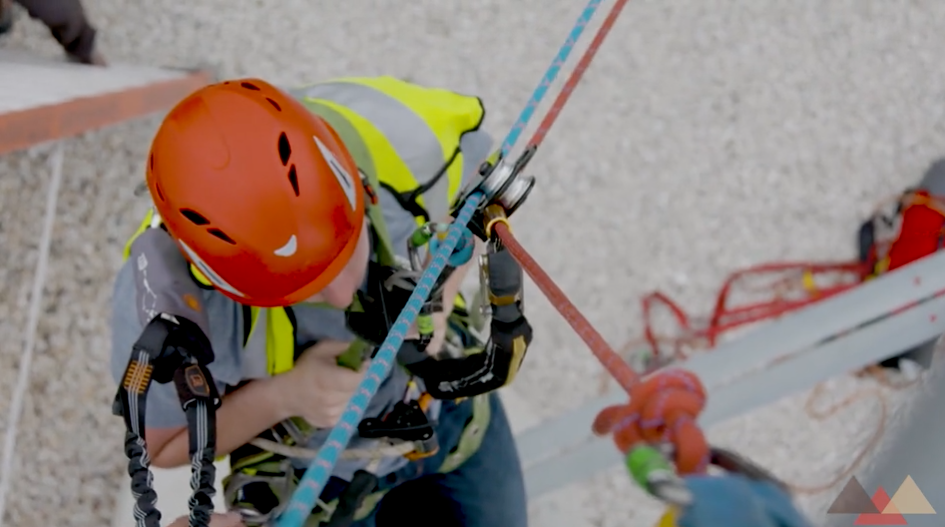
Integrating Artificial High Directionals (AHDs) within Skate Block Systems transforms a simple, low-tension rescue technique into a controlled, highly adaptable rigging platform. This integration enables

Skate Block Systems provide a streamlined, efficient rigging solution for small teams performing rescues or load movements in specialized environments. These systems are particularly effective
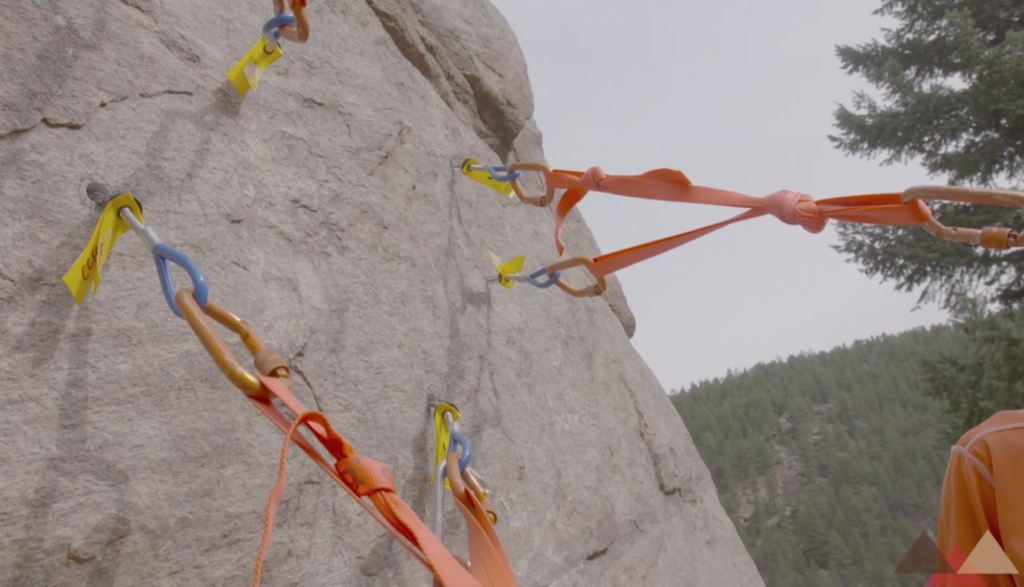
Backed-up anchor systems add redundancy and resilience to rope rescue and rigging operations. They serve as a safeguard against the failure of a primary anchor,
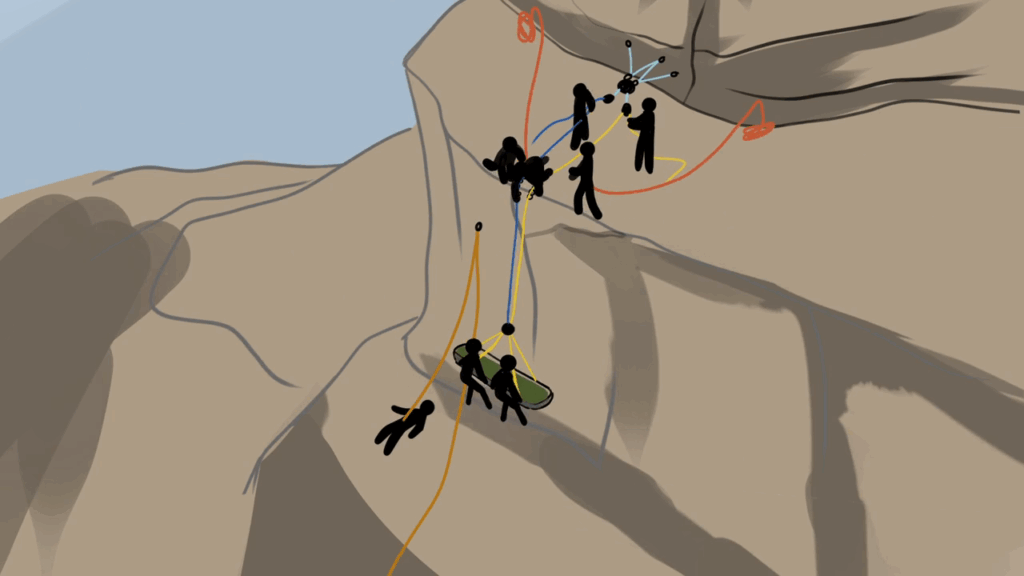
The Immutable Laws of Rigging: A Guide to First Principles This document outlines five principles of rescue rigging—foundational truths that are non-negotiable and from
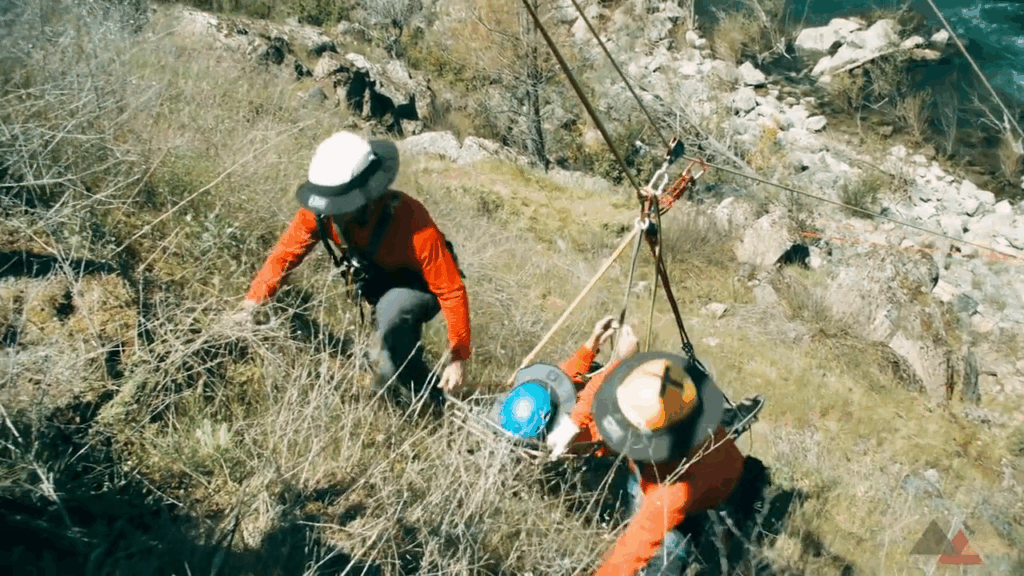
Congratulations on stepping into leadership for your search and rescue ropes team. It’s no small task. Building a rope rescue team requires more than equipment
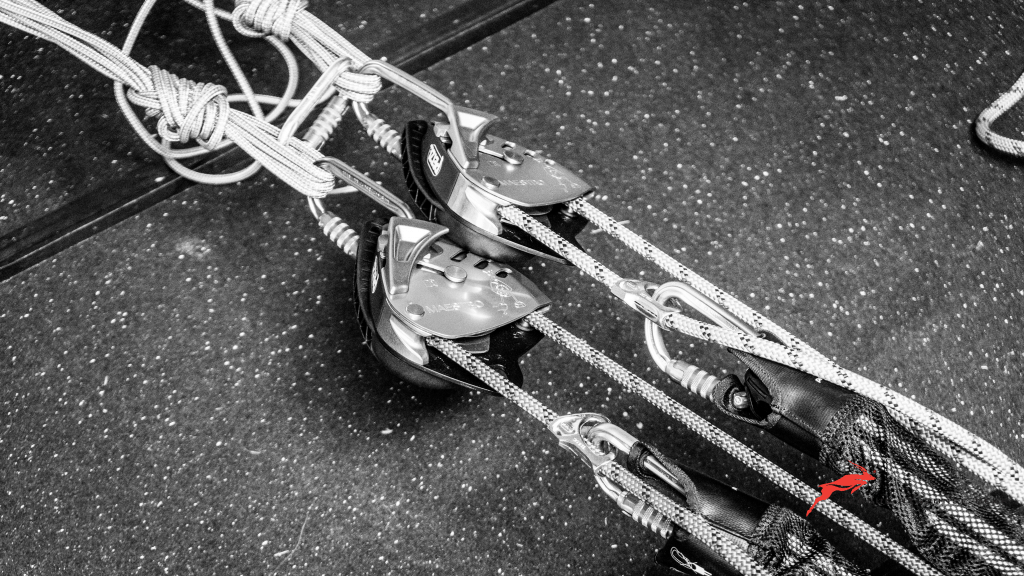
Technical rope rescue demands anchor systems that are strong, efficient, and designed for redundancy. Building TTRS anchor systems with Artificial High Directionals (AHDs) is one
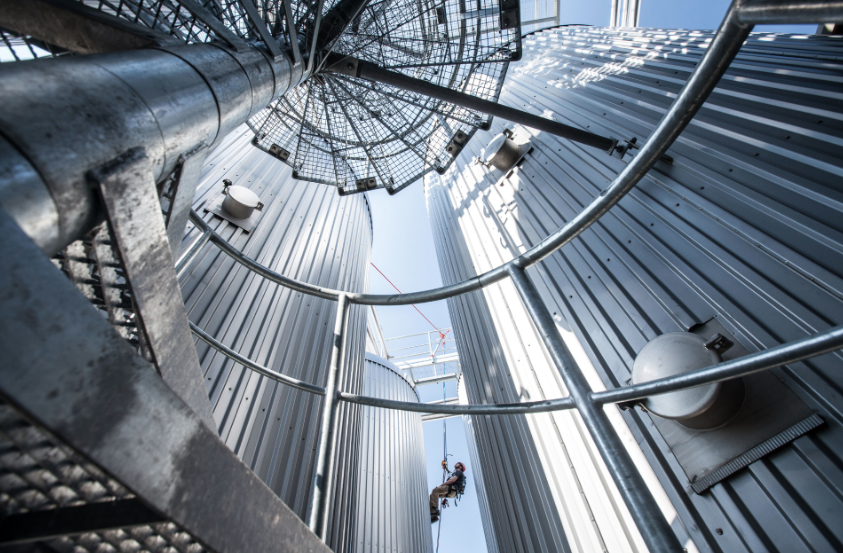
Understanding Rope Rescue Equipment is paramount in the high-stakes world of technical rope rescue. Equipment isn’t just a collection of tools; it’s the very lifeline
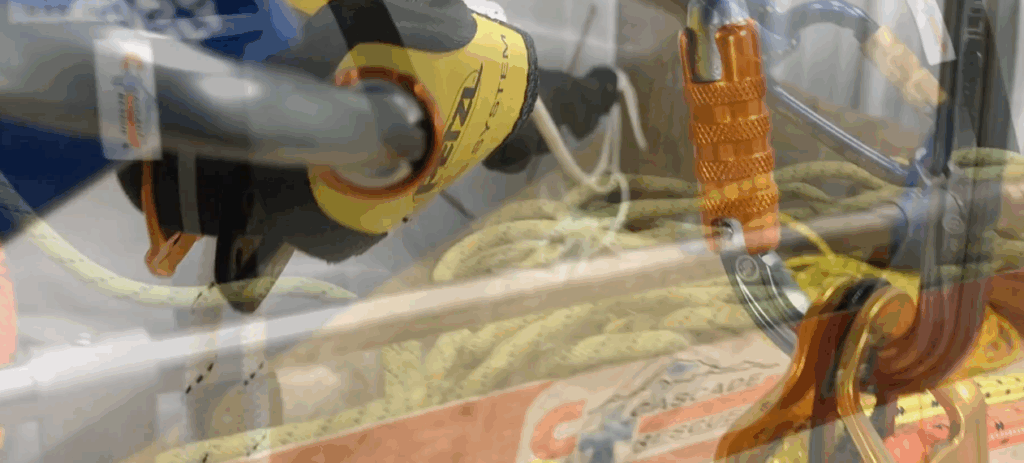
A two tension offset system allows rescuers to move loads laterally or diagonally—especially when vertical lowering is not an option. In this scenario, we use
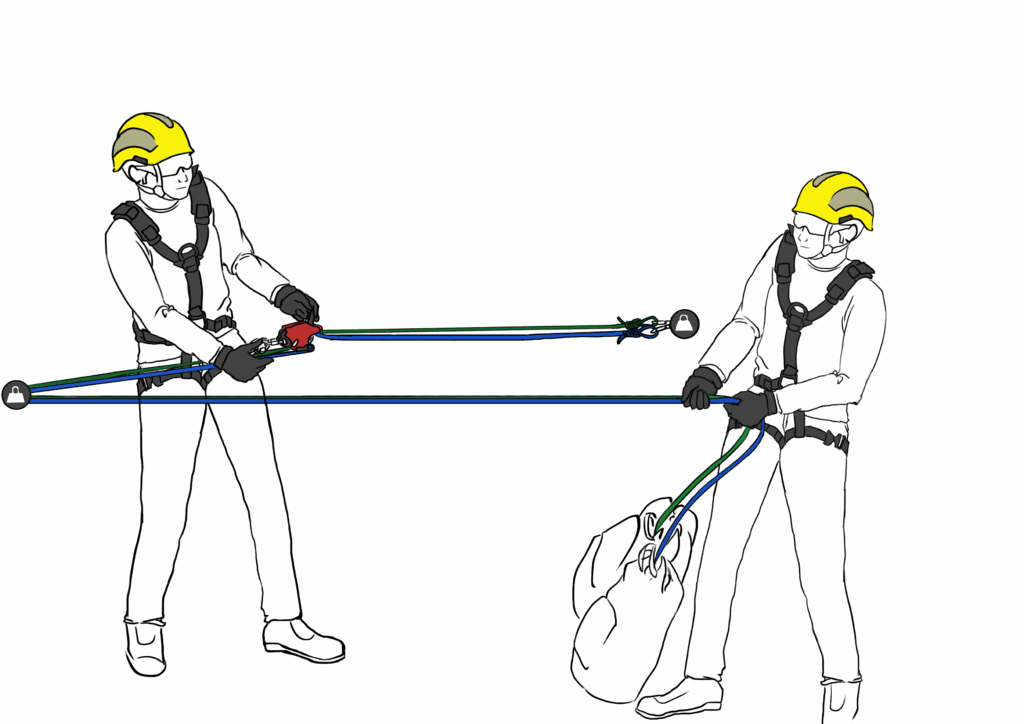
The CMC Clutch Twin Tension Two Tension Lower has become a defining standard in modern rope rescue systems. By integrating the Clutch into a Twin

For years, the arborist’s preferred method for accessing a tree was a climbing hitch in a doubled rope system. As we’ve discussed, this method works

Arborist climbing is unique among all height disciplines. Unlike a rope access technician who works on known, rated anchors, a tree climber operates on living,

A professional climber’s work is a delicate balance of skill, science, and trust in their gear. That trust often starts with the ropes that support

A climber’s work is a delicate balance of skill, science, and trust in their gear. That trust often starts with the ropes that support them.

An arborist’s work environment is unique, a three-hundred-and-sixty-degree canopy that demands a specialized approach to climbing. This is the essence of The Arborist’s Ascent: The