anchor forces

Highline Force Behavior
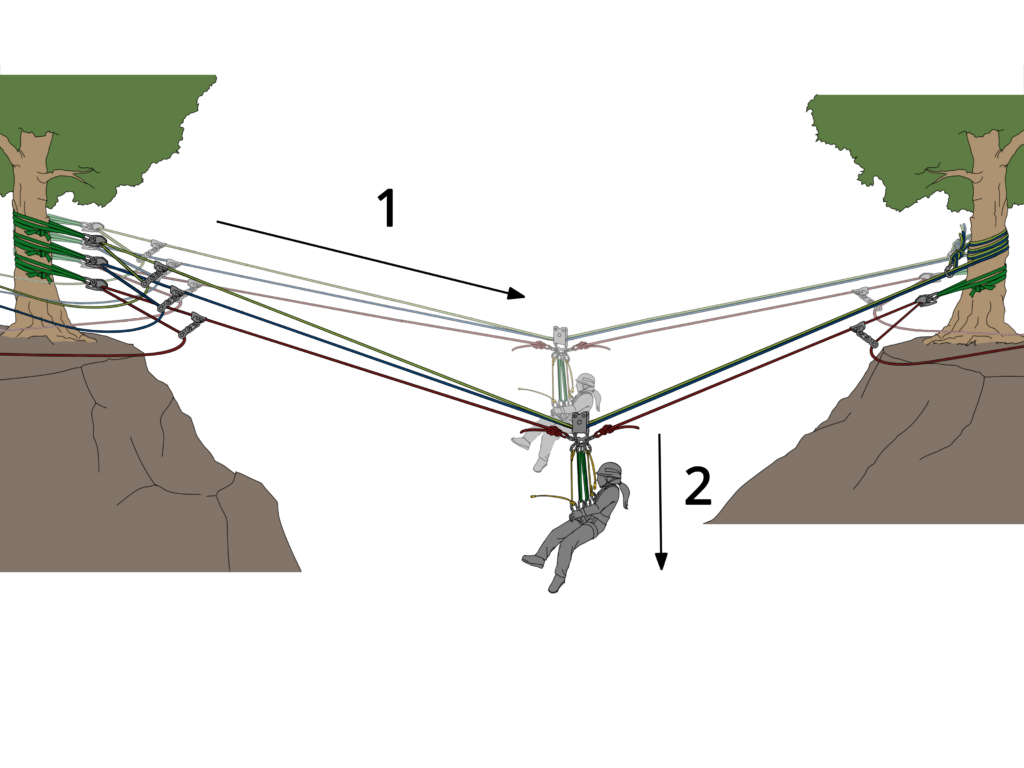
Highline systems do not fail because of components—they fail because of misunderstood force behavior. Every decision made during setup affects how force moves through the

Highline systems do not fail because of components—they fail because of misunderstood force behavior. Every decision made during setup affects how force moves through the
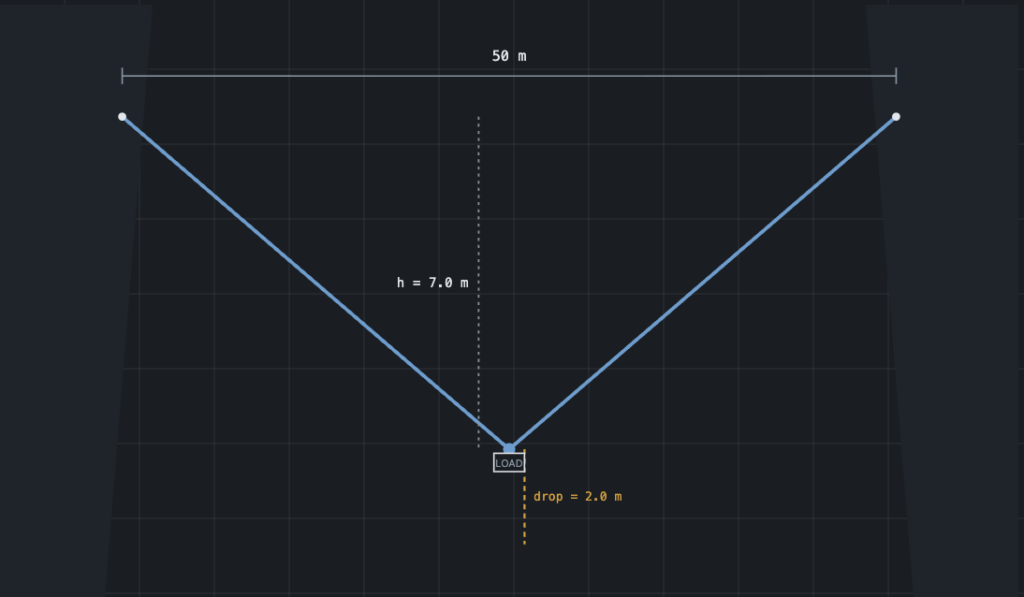
A highline system is only as strong and predictable as the components that build it. While the overall system moves a load across a span,
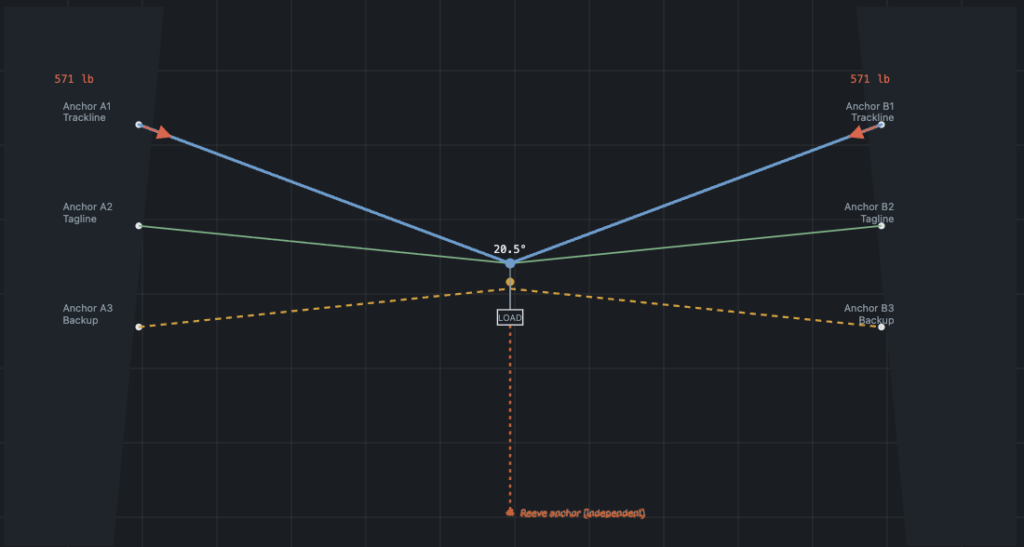
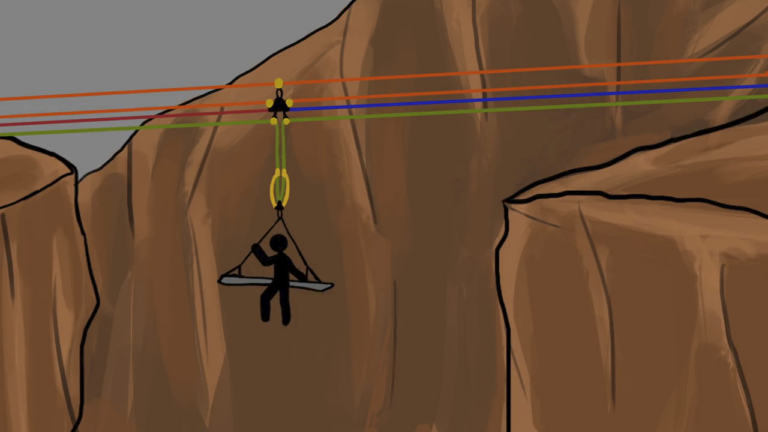
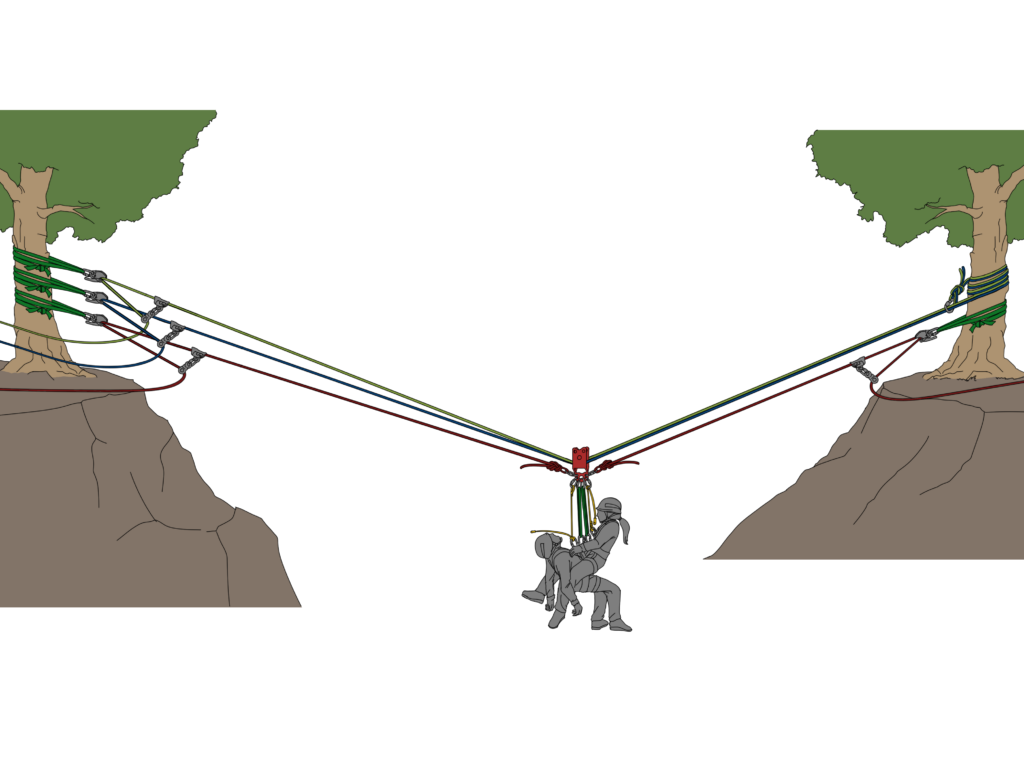
Highline systems are built to move a load across a horizontal span when direct vertical access is not possible or introduces unnecessary risk. The system
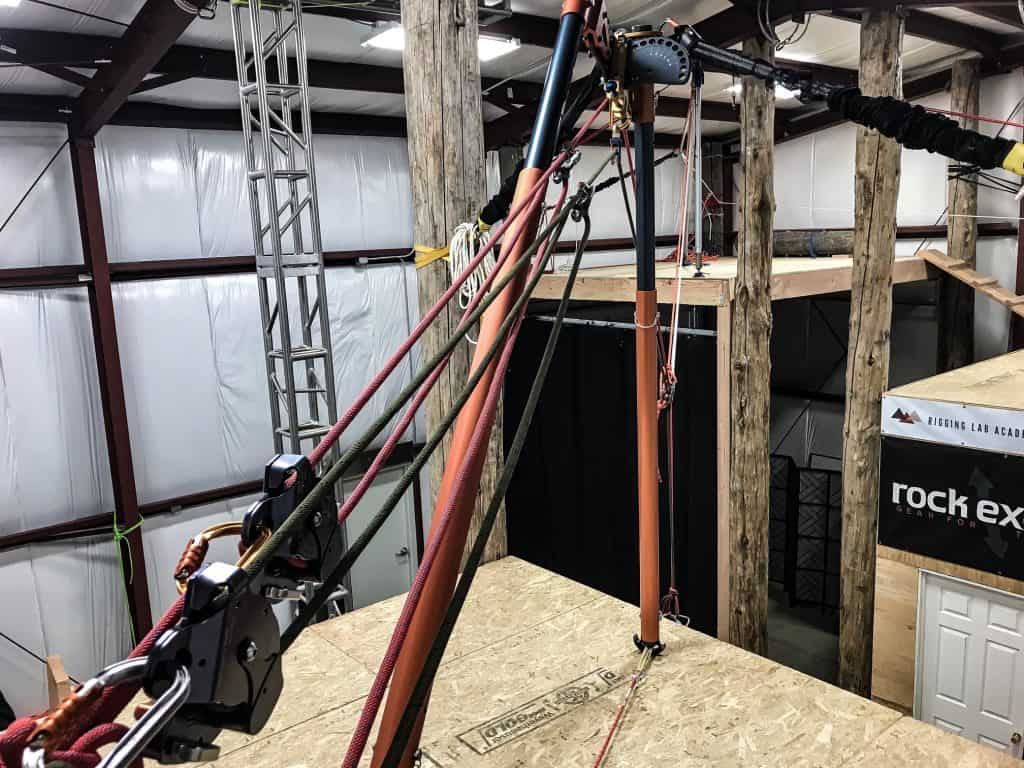
Introduction Artificial High Directionals (AHDs) represent a decisive shift from basic anchor-based rigging into controlled, engineered system behavior. Teams that are competent in raise and
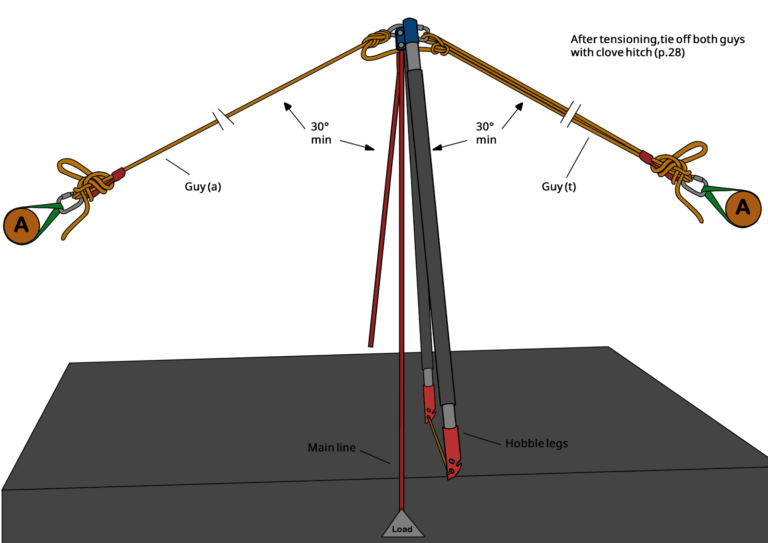
Artificial High-Directional A-Frame — Sideways Configuration (SA Frame) The sideways A-frame configuration is a contingency Artificial High Directional used when no suitable anchors exist directly
1. Executive Purpose and Scope In technical rescue, patient packaging is not an accessory task performed “before the rigging starts.” It is the first structural
The Technical Rope Rescue Foundation A Comprehensive Curriculum for New Technicians Technical rope rescue is not defined by the equipment used or by the completion

Why Austrian Economics Belongs in Rope Rescue Wealth, Labor, Time, and Risk Allocation Technical rope rescue looks like engineering. We calculate force. We build anchors.
Austrian Economics and Technical Rope Rescue Scarcity, Trade-Offs, and Rigging Under Pressure Technical rope rescue looks like engineering. We study force vectors, anchor strength, friction,
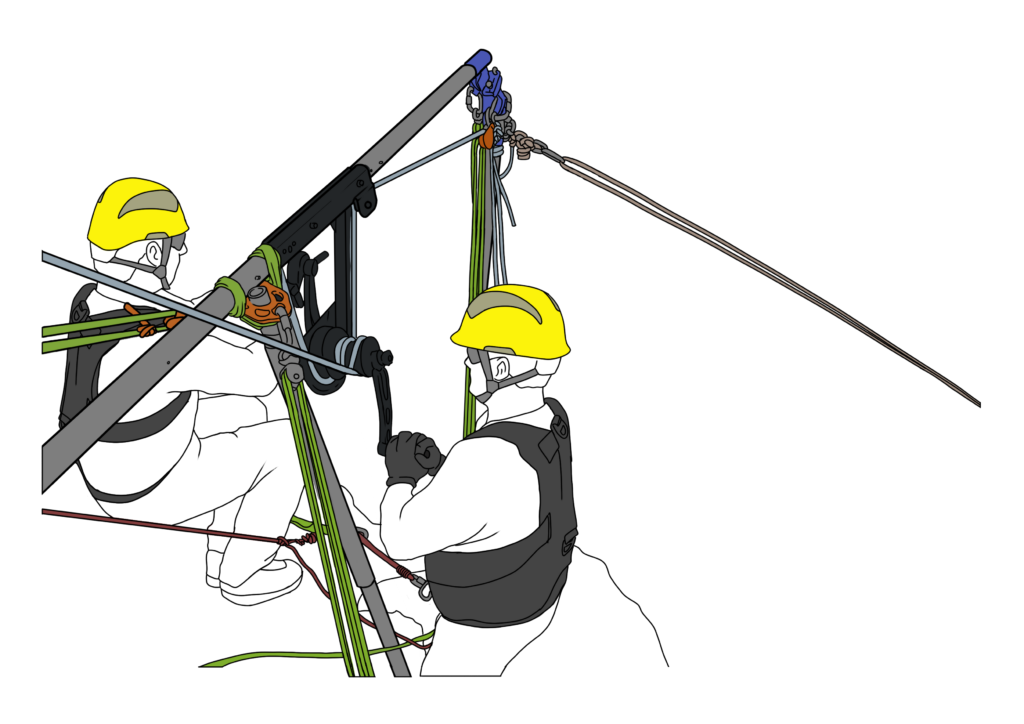
Technical Systems Report: Principles and Architecture of Mechanical Advantage in Rope Rescue 1. Purpose and Scope of Force Analysis In professional technical rescue, rigging must
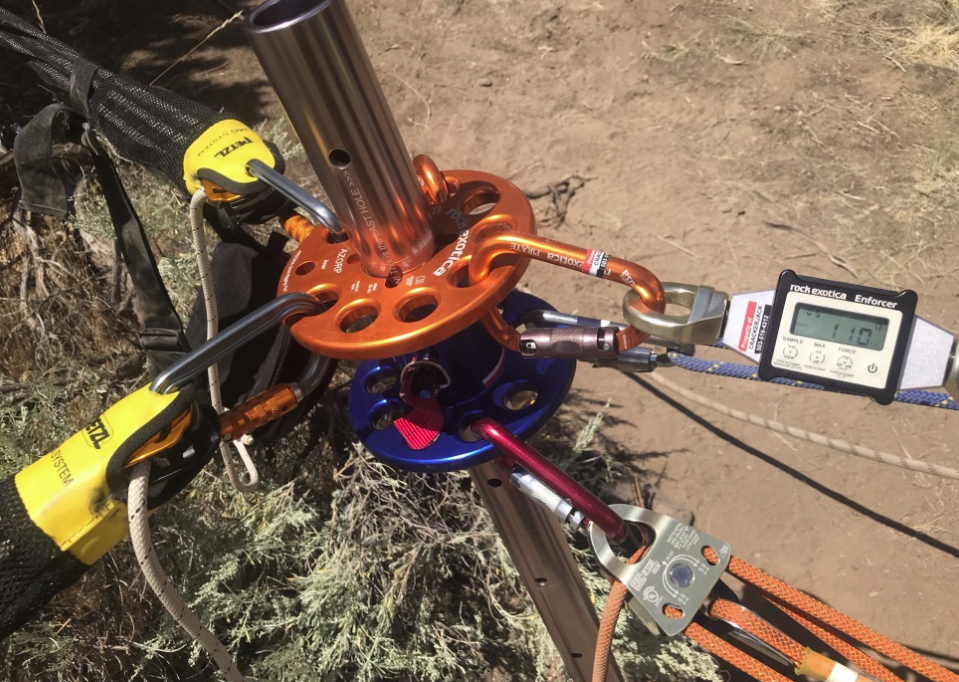
Geometric and Mechanical Force Vectors in Complex Rescue Rigging Systems Executive Summary In technical rope rescue, anchor systems function as engineered structures rather than ad-hoc
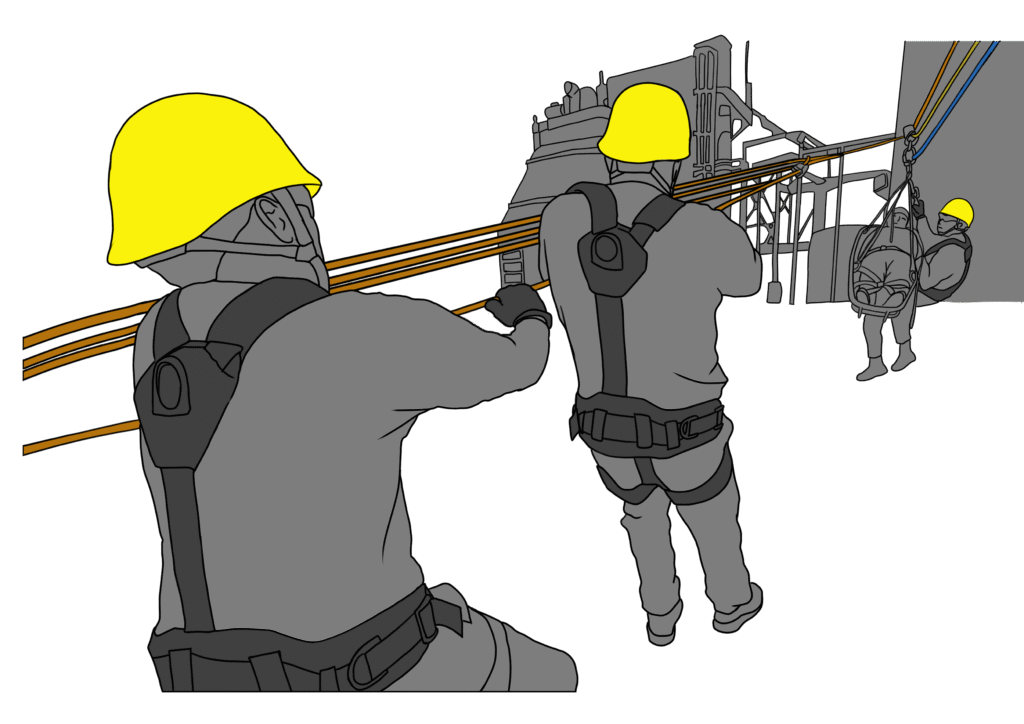
Mitigation of System Overpowering and Anchor Failure in Raising Operations 1. Purpose and Strategic Objectives In technical rescue, the transition from a static load to
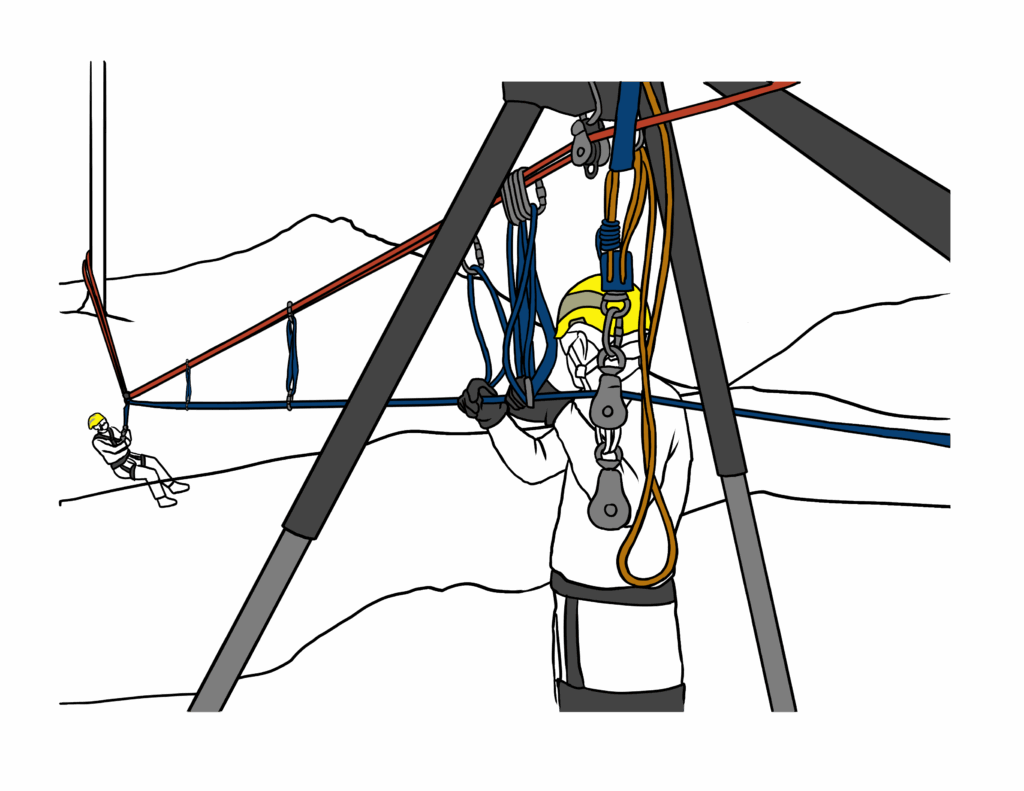
5 Counter-Intuitive Truths of High-Angle Rescue Rigging When you need to move something heavy, your first instinct is probably to pull a rope as tight
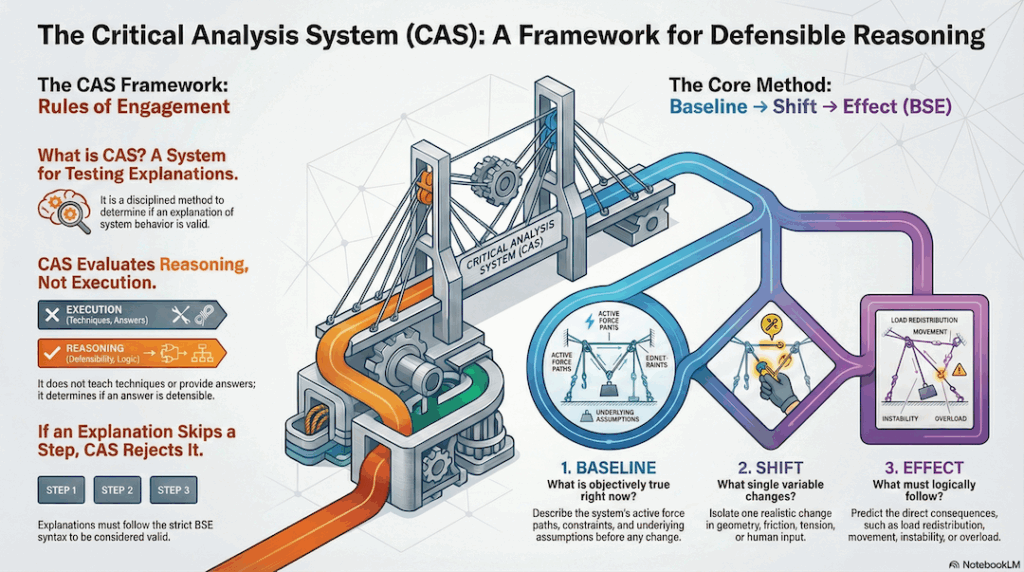
6 Counter-Intuitive Principles for Understanding How Systems Really Behave We often judge systems by how they look. At work, in engineering, or in our daily
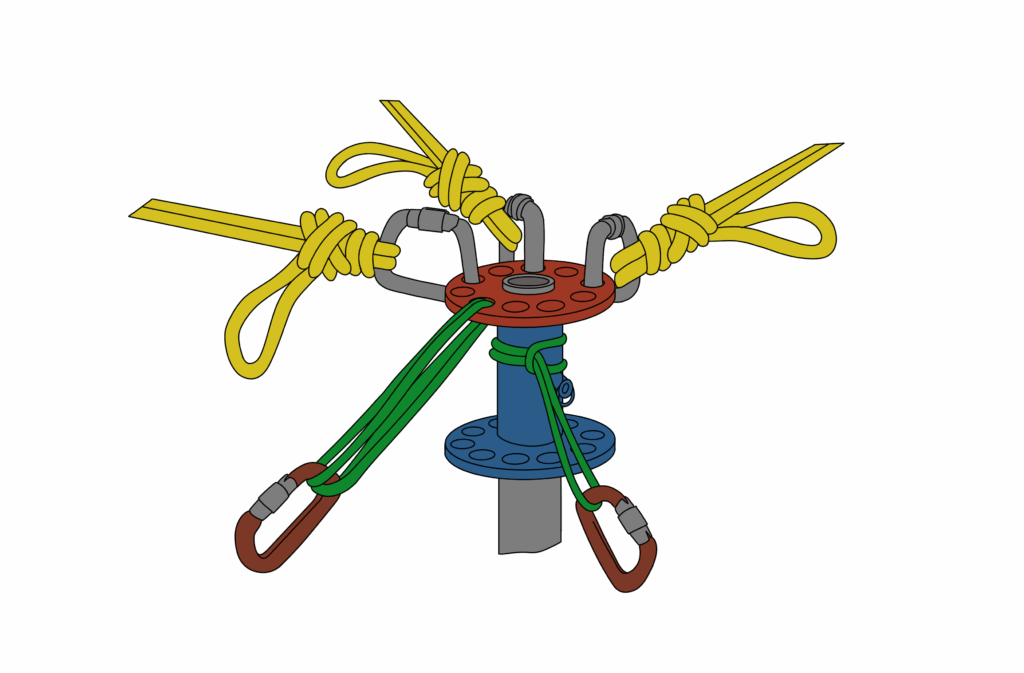
From Question to Judgment Why Assessments Alone Are Insufficient for Force-Based Decision Making In rope rescue, failure rarely occurs because a team lacked equipment or
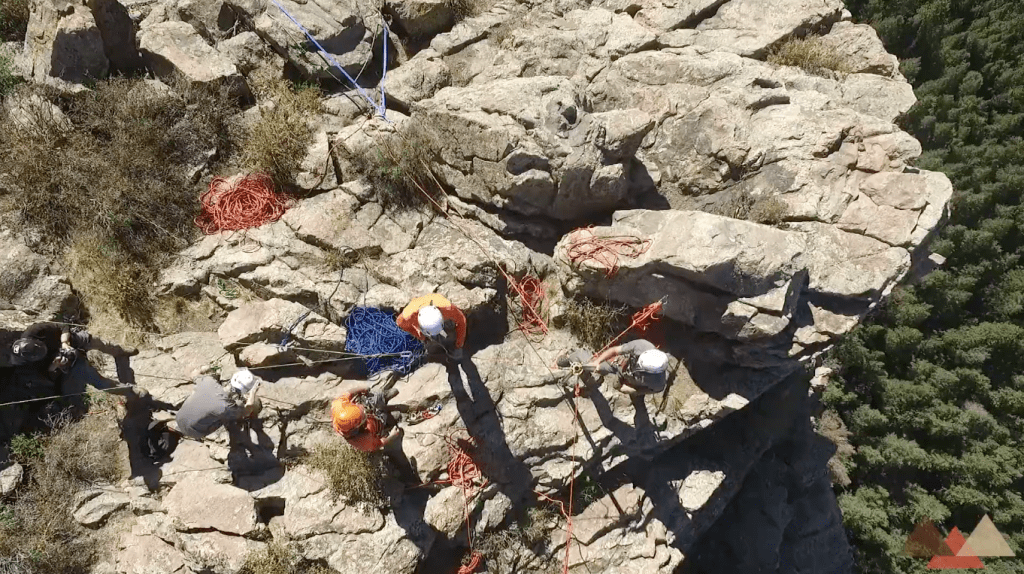
Standards and regulations form the backbone of professional rope rescue. While skills, equipment familiarity, and terrain experience all matter, none of them exist in a
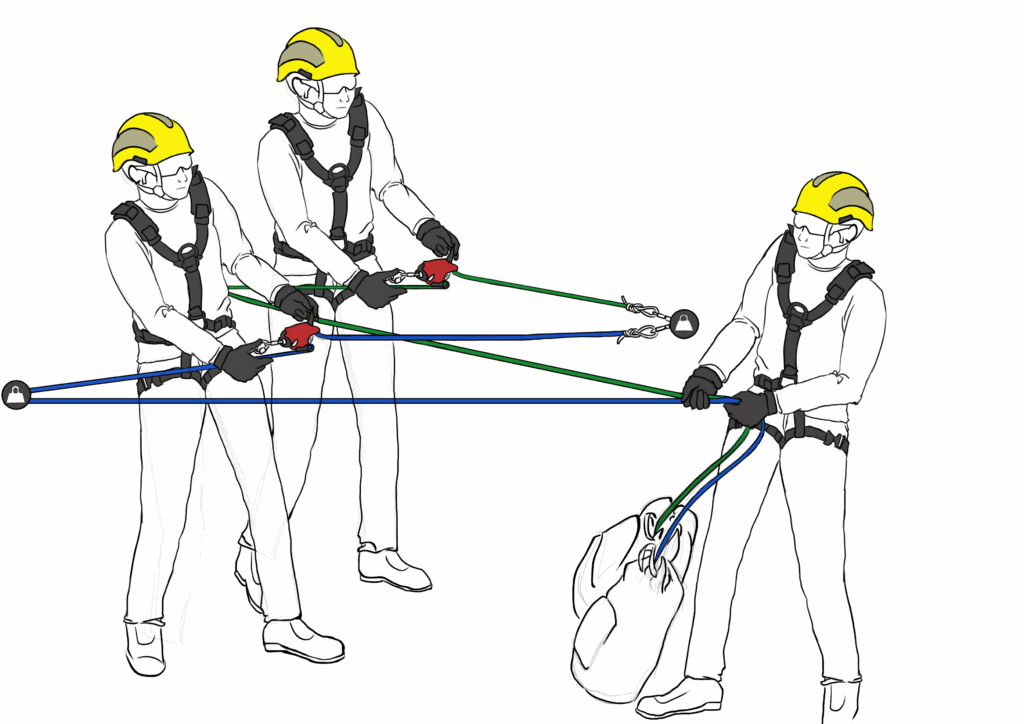
Safety in rope rescue is not the presence of a checklist or a perfect system on paper—it is a discipline woven into every decision a
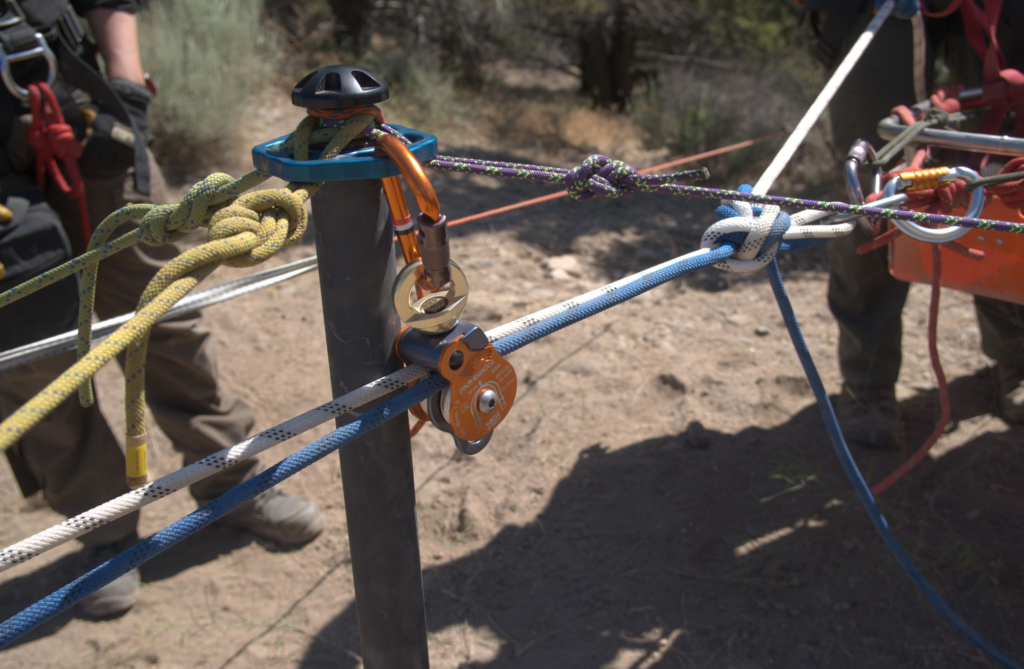
Rope rescue is not simply a technical craft—it’s a discipline shaped by standards, repetition, evaluation, and the collective judgment of a team. Most people who
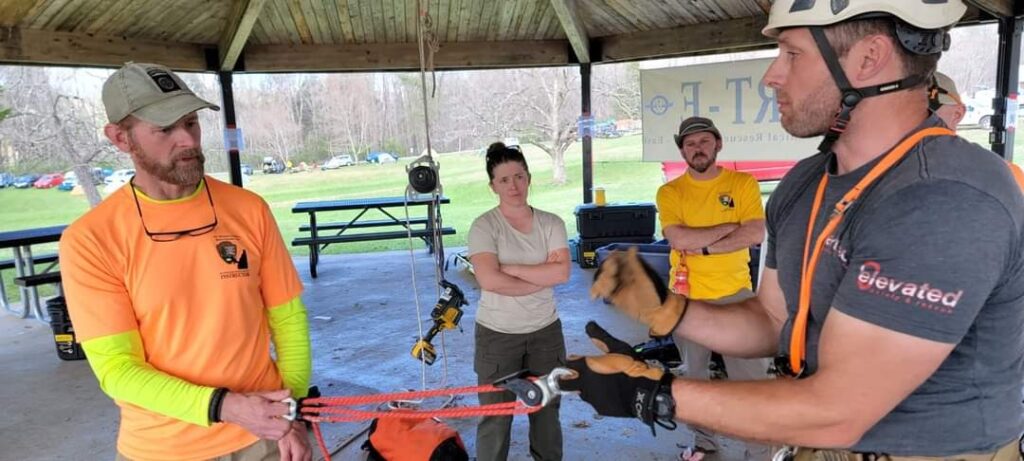
I received several similar requests for ingredients of a “Basic Ropes Class”… Rope rescue demands clarity, discipline, and a layered approach to learning. Skills cannot
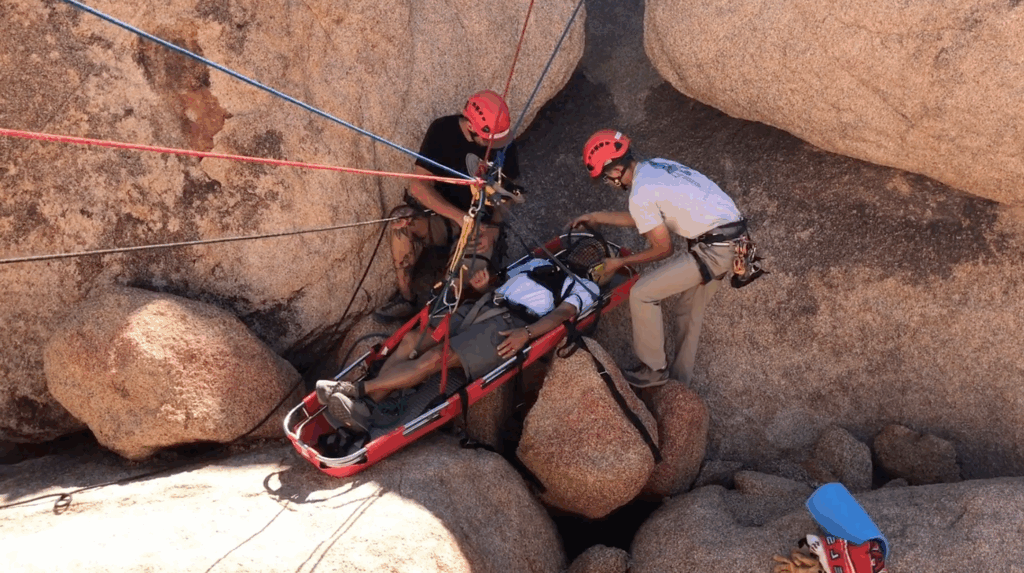
Physics of Horizontal Rope Rescue Systems Why sideways movement is the real test of a rigger’s mind. Vertical rope work is the entry exam. Gravity