
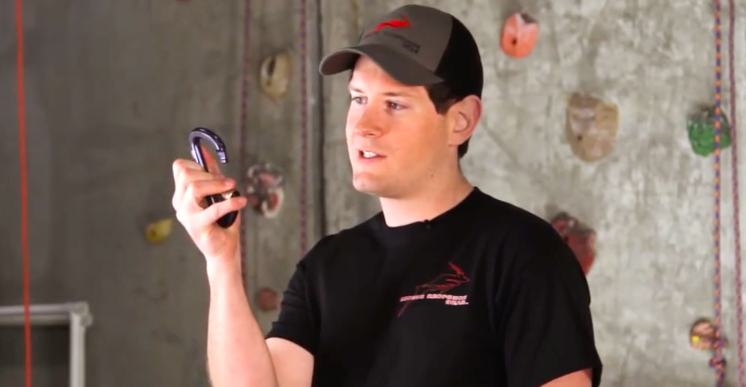
PPE Inspection for Carabiners
In rigging, rescue, and other technical operations, carabiners are more than just connectors; they are lifelines. As part of your Personal Protective Equipment (PPE), carabiners play a critical role in maintaining the integrity of your system. Regular and thorough inspections are not optional—they are essential for ensuring the safety and reliability of your gear.
This guide will take a deeper dive into the steps, techniques, and best practices for inspecting carabiners as part of a robust PPE program.
Why Carabiner Inspection Matters
Carabiners are subject to significant wear and tear due to their constant exposure to environmental factors, dynamic loads, and friction. A single compromised carabiner can jeopardize the entire system, endangering both personnel and operations. Regular inspections:
- Prevent accidents caused by equipment failure.
- Extend the lifespan of your gear.
- Ensure compliance with safety standards and regulations.
When to Inspect Your Carabiners
Inspection isn’t just a one-time task; it’s a continuous process. Always inspect your carabiners:
- Before Use: Perform a quick check before every operation to identify obvious issues.
- After Use: Inspect for any damage caused by the activity.
- Periodically: Conduct detailed inspections as part of a routine PPE maintenance schedule, following manufacturer guidelines.
Steps for Inspecting Carabiners
1. Visual Inspection
- Body and Gate: Check for cracks, deep scratches, or deformities. A groove or scratch deeper than 1mm may compromise the carabiner’s integrity.
- Corrosion and Dirt: Look for rust, discoloration, or debris that could interfere with functionality.
- Wear Points: Pay attention to areas that come into direct contact with ropes or connectors, as these are prone to wear.
2. Gate Functionality
- Opening and Closing: The gate should open and close smoothly without sticking or excessive resistance.
- Locking Mechanism: For locking carabiners, ensure the locking mechanism engages fully and securely. Twist locks or screw gates should operate without obstruction.
3. Load Testing
For high-use carabiners or those showing minor wear, consider conducting a non-destructive load test as part of a periodic inspection routine. This should be done by qualified personnel or a certified service center.
Common Carabiner Issues
1. Gate Deformity
A bent or misaligned gate can cause failure under load. Replace the carabiner immediately if you notice any deformity.
2. Wear on Contact Points
Excessive wear at rope contact points can lead to sharp edges, which may damage ropes or slings.
3. Corrosion
Rust or pitting weakens the material, particularly in carabiners exposed to salty or humid environments.
4. Locking Mechanism Failure
A malfunctioning locking system compromises the carabiner’s ability to stay secure during use.
Best Practices for Maintaining Carabiners
- Clean Regularly: Remove dirt and debris using warm water and mild soap. Avoid harsh chemicals that could degrade the material.
- Store Properly: Keep carabiners in a dry, cool environment away from direct sunlight or corrosive substances.
- Lubricate Moving Parts: Use manufacturer-recommended lubricants to keep gates and locking mechanisms smooth.
- Retire When Necessary: Follow manufacturer guidelines for retiring carabiners that show significant wear or damage.
Beyond Inspection: Building a PPE Culture
While inspections are vital, they’re only one part of a comprehensive PPE program. Building a culture of safety within your team ensures that everyone takes responsibility for their equipment. Key strategies include:
- Training: Educate team members on proper inspection techniques and equipment care.
- Documentation: Maintain logs of inspections and replacements for accountability.
- Communication: Encourage team members to report issues immediately.
Conclusion: PPE Inspection for Carabiners
Carabiner inspections may seem routine, but their impact on safety and reliability cannot be overstated. By incorporating regular inspections into your operations, you safeguard not only your equipment but also the lives and well-being of your team.
For more insights into PPE best practices and advanced rigging techniques, visit Rigging Lab Academy.







Comments are closed.