Dual and Mirrored Rope Systems in Arborist Work Techniques
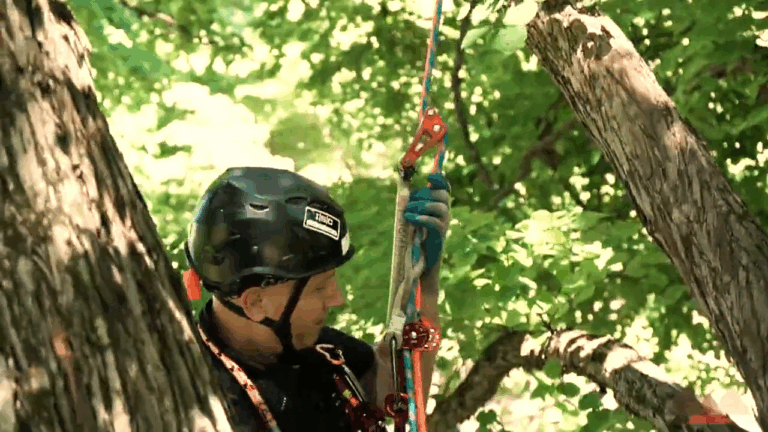
In arborist work, safety and efficiency depend on the reliability of the systems used to position and secure the climber. Dual and mirrored rope systems have emerged as a preferred approach in both work positioning and aerial rescue, offering redundancy, balanced load sharing, and enhanced mobility in the canopy. These methods draw on both arborist industry standards and rope rescue principles, giving climbers and teams a structured way to manage risk without sacrificing productivity.
1. Redundancy for Safety
Dual systems ensure there is always a backup in case the primary rope or anchor fails.
-
Each rope is independently anchored and capable of supporting the full load.
-
Reduces the likelihood of catastrophic failure from equipment damage, anchor failure, or human error.
2. Balanced Load Distribution
Mirrored systems split the climber’s weight evenly between two independent lines.
-
Lowers strain on any single anchor point or rope.
-
Distributes wear evenly, extending gear lifespan.
-
Helps maintain stability when working in unstable or awkward canopy positions.
3. Regulatory Compliance
Many regions now require two independent attachment points for any aerial work at height.
-
ANSI Z133 specifies backup systems in work positioning for arboriculture in the U.S.
-
UK HSE two-rope work rules mandate independent systems for climbing and lowering.
-
Compliance not only meets legal standards but also demonstrates professional best practice.
4. Versatility in Movement
Dual systems allow a climber to move more freely between limbs or adjust position without retying the primary system.
-
One system can be advanced or repositioned while the other maintains secure attachment.
-
Streamlines complex maneuvers, particularly in large or spread-out canopies.
5. Rescue-Ready Design
Mirrored systems make aerial rescues more straightforward.
-
The rescuer can integrate into either rope without disrupting the other.
-
Redundant anchor paths mean the rescue system can be built directly onto the existing lines.
-
This reduces setup time during high-stress rescue scenarios.
6. Crossover from Rope Rescue Principles
Technical rope rescue has long relied on mirrored or twin tension systems for safety and control.
-
Arborist mirrored setups share similar principles of load sharing and redundancy.
-
Rescue techniques such as mirrored lowers and dual hauling systems can adapt to arborist operations, especially in emergencies.
-
Key Takeaways:
-
Dual and mirrored rope systems enhance both safety and efficiency in arborist work.
-
They align with current regulations and proven rescue techniques.
-
They reduce gear stress, improve mobility, and streamline rescue operations.
-
Peace on your Days
Lance