
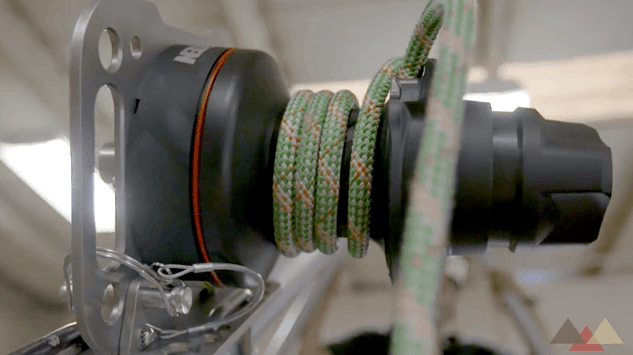
Powered Winches and Tripods in Rescue Operations
The integration of powered winches with traditional tripod and multi-pod systems marks a pivotal development in rescue techniques. While these tools and configurations have existed independently for years, their combination introduces unique challenges and opportunities for confined space, technical rescue, and rope access operations. Let’s delve into this dynamic evolution and its implications.
The Collision of Techniques
- Traditional Tripods for Confined Space Rescue:
- Standard triangular pyramid tripods have been a cornerstone for confined space operations.
- These systems feature frame-mounted manual winches, typically used over confined spaces like manholes.
- Designed for free-standing stability, these systems do not require anchoring.
- Asymmetrical Multi-Pods for Technical Rescue:
- Multi-pods, such as the Arizona Vortex, are favored in technical rescue for their versatility.
- Used to manage edge friction and configured based on operational needs, these systems often require careful anchoring to ensure stability.
- Traditionally, these systems have operated without winches, relying instead on manual hauling teams.
Understanding Resultants in Frame-Mounted Winch Systems
In traditional multi-pod setups, operators calculate the resultant force by bisecting the angle between the operational line over the edge and the line running back to the hauling team. As long as the resultant force falls within the footprint of the frame, the system remains stable.
However, frame-mounted winches fundamentally alter this dynamic:
- The winch becomes part of the frame, eliminating the hauling line as an external force.
- The resultant force is now solely determined by the operational line.
- If the operational line extends outside the frame’s footprint, the system becomes unstable and requires additional guying to prevent tipping.
Key Considerations for Rescue Teams
- Confined Space Operators:
- Frame-mounted winches are ideal since the operational line remains directly above the confined space, ensuring stability within the tripod’s footprint.
- Rope Access and Technical Rescue Operators:
- These operations often involve angled operational lines that extend beyond the frame’s footprint.
- Proper guying systems are essential to counteract the tipping forces introduced by the external resultant.
Practical Guidelines for Using Frame-Mounted Winches
- Rule of Thumb: If the winch is mounted on the frame, ensure the operational line remains within the footprint. If it doesn’t, implement a robust guying system.
- Force Monitoring: Use load cells to track forces acting on the system and ensure they remain within safe limits.
- Training and Awareness: Operators must adapt their evaluation of resultants and stabilize systems accordingly.
Conclusion
Powered winches, when integrated with tripods and multi-pods, provide a powerful toolset for modern rescue operations. However, they demand a fundamental shift in evaluation and system design, particularly for rope access and technical rescue teams. By understanding and managing the resultant forces, rescue teams can safely and effectively leverage these advancements.
Explore more resources and tools like the CMC Harken LokHead Winch Kit and CMC Harken Riggers Winch 500 at Rigging Lab Academy.
Related Articles
- Understanding Resultant Forces in Rigging Systems
- Artificial High Directionals in Rope Rescue
- Advanced Techniques for Multi-Pod Configurations
Peace on your Days
Lance



Comments are closed.