Using Structural Anchors in Rope Rescue
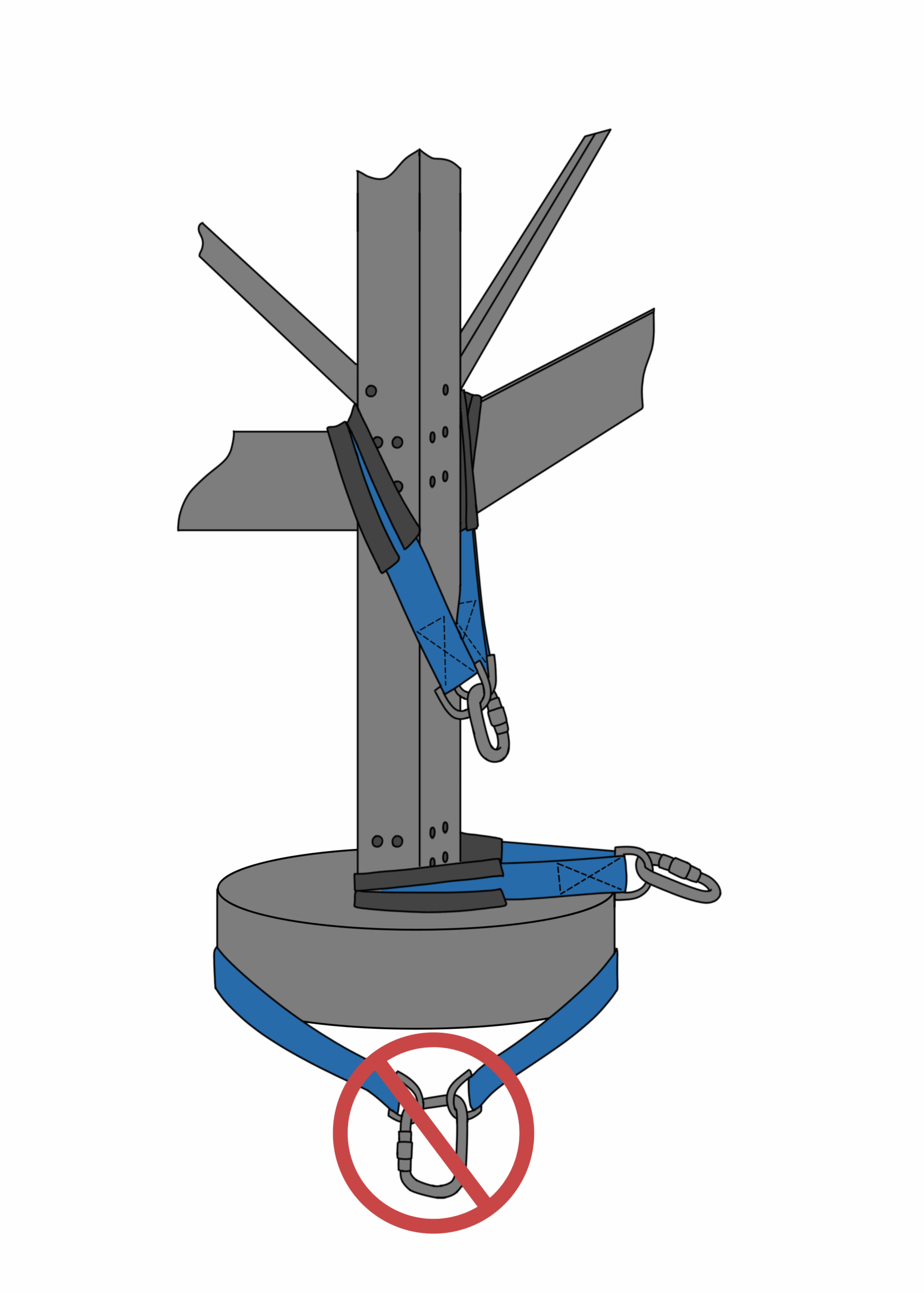
In wilderness rescues, trees and boulders often provide natural anchors. But in urban, industrial, or confined space environments, rescuers must rely on using structural anchors

In wilderness rescues, trees and boulders often provide natural anchors. But in urban, industrial, or confined space environments, rescuers must rely on using structural anchors
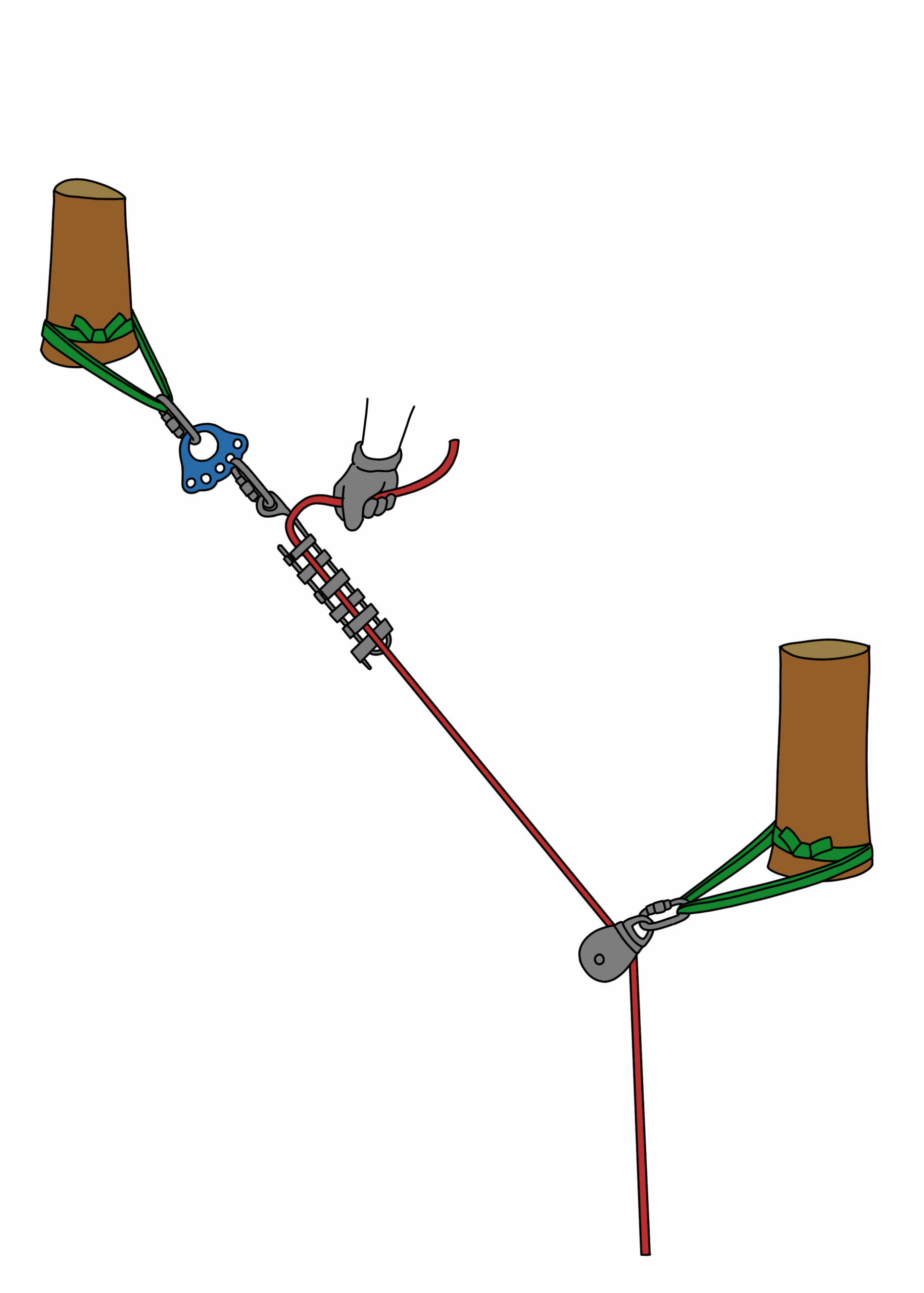
Anchors form the backbone of every rope rescue system, but they aren’t always where you want them. Sometimes the strongest anchor sits away from the
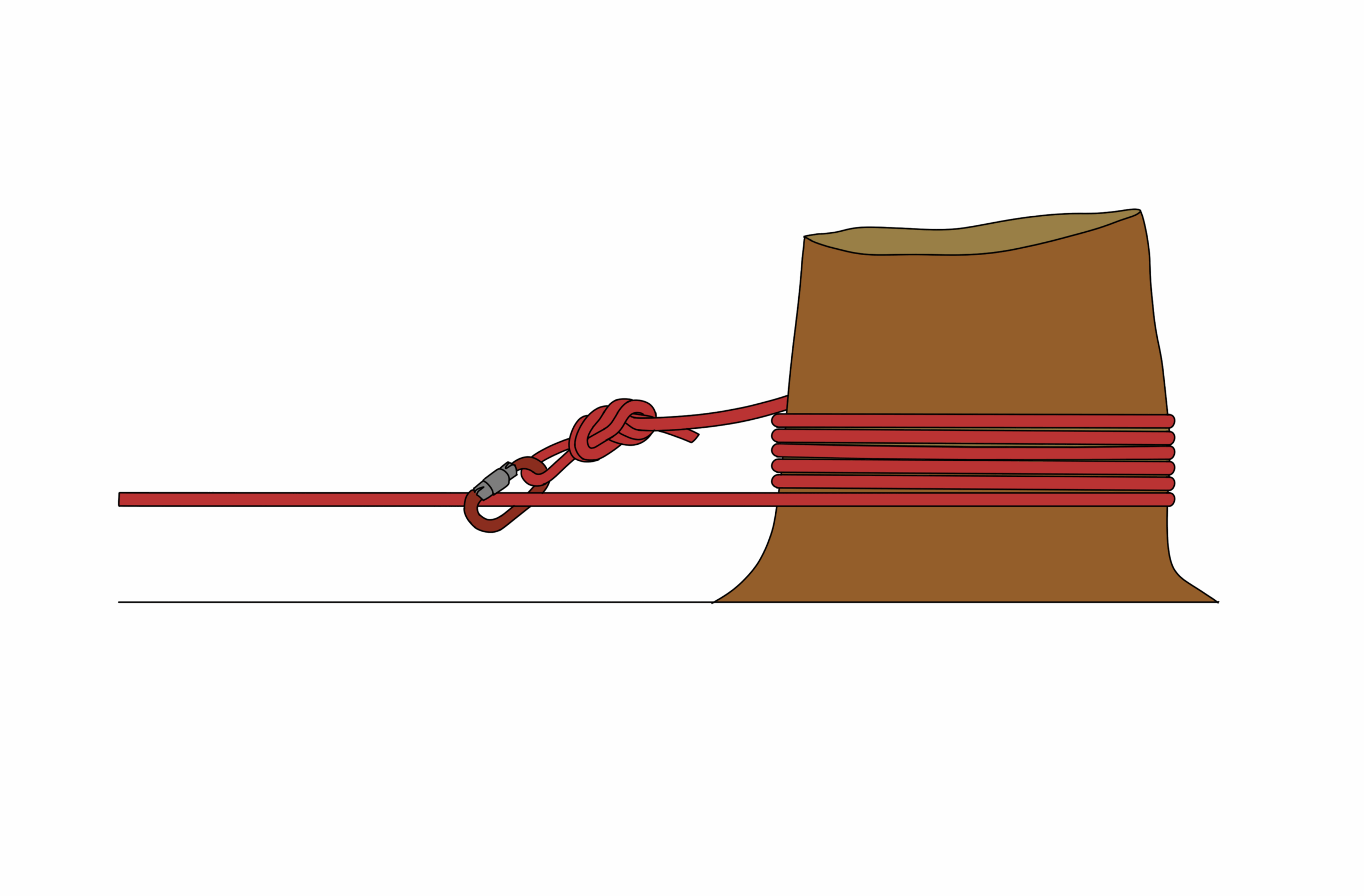
In the high-stakes world of rope rescue, every action starts with one fundamental principle: a secure anchor. It’s the silent hero that holds the line.
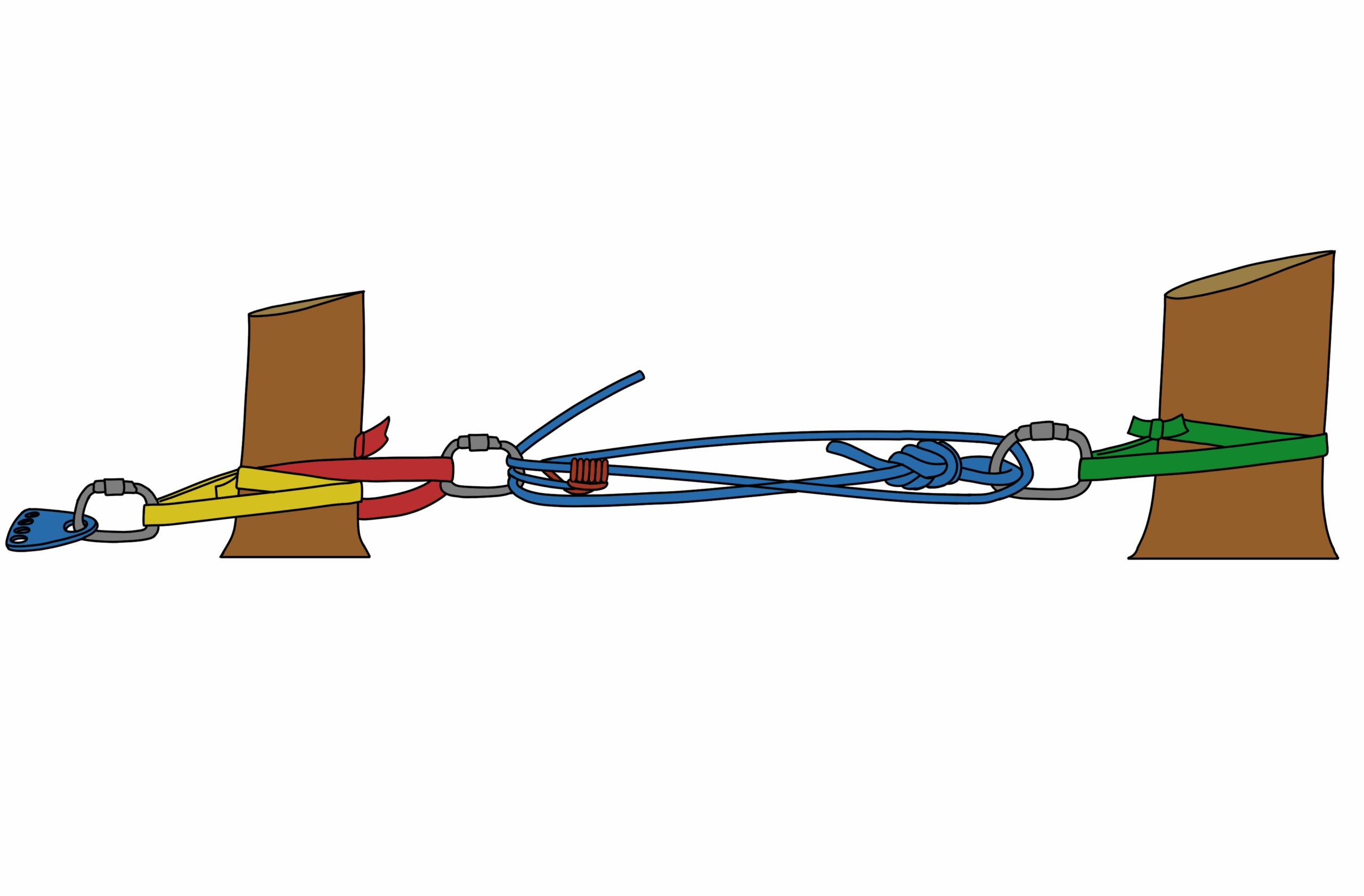
What is the single most critical component of any rescue or rigging system? The answer is simple: the anchor. It is the silent hero, the
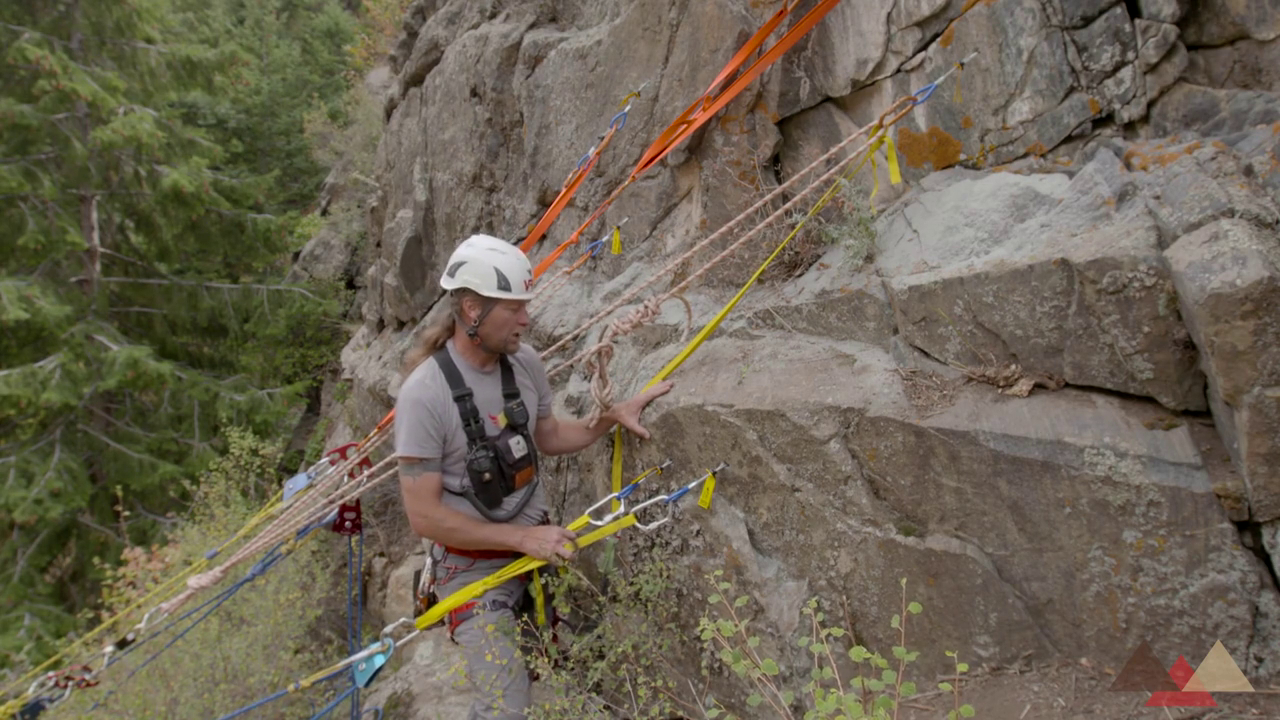
Highline systems are among the most advanced rope rescue tools. They allow teams to move patients or gear across terrain that would otherwise be impassable
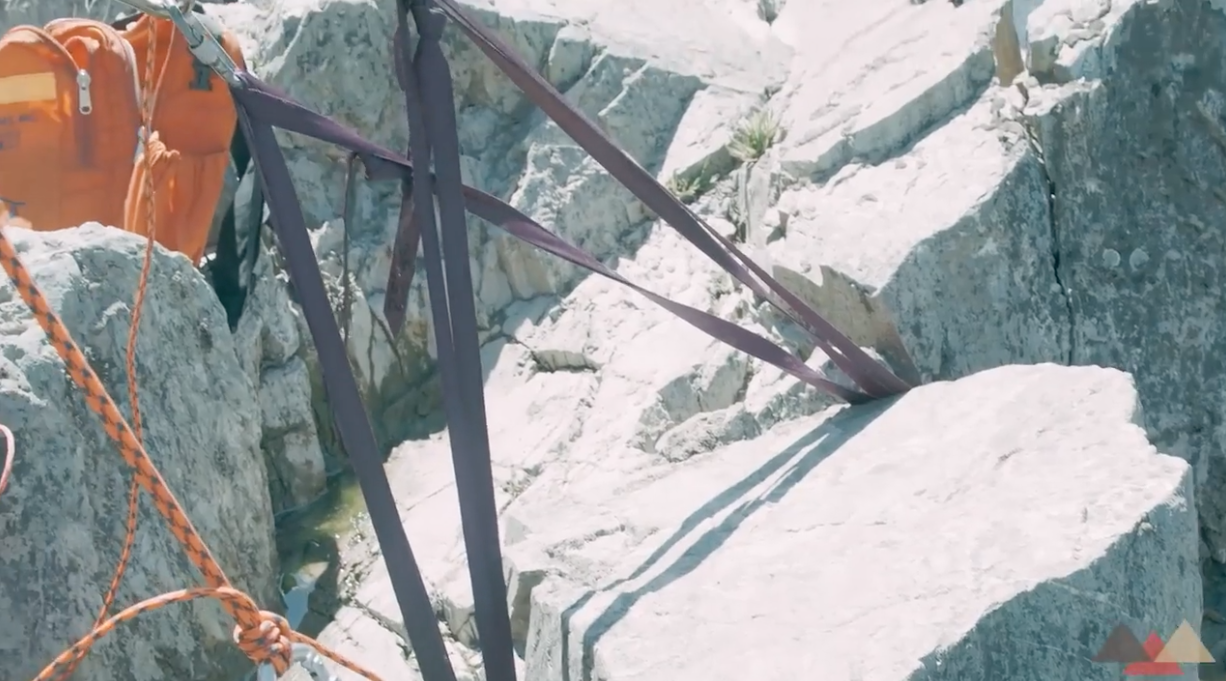
In rope rescue, particularly in vertical environments, the system doesn’t start with a rope—it starts with the anchor. Anchoring systems carry more than just load;

Twin Tensioned Highline Anchors with Removable Bolts In high-angle or canyon-based rescue environments, systems must perform reliably while minimizing their environmental footprint. This twin tensioned

Load Sharing Anchors Load Sharing Anchors, often called LSAs, are a core standard in technical rigging. Outside of strict industrial settings—where you might rely on

Slack Anchors Slack anchor systems are commonly used in rope access, though they appear in other rescue environments as well. Their appeal lies in simplicity—and
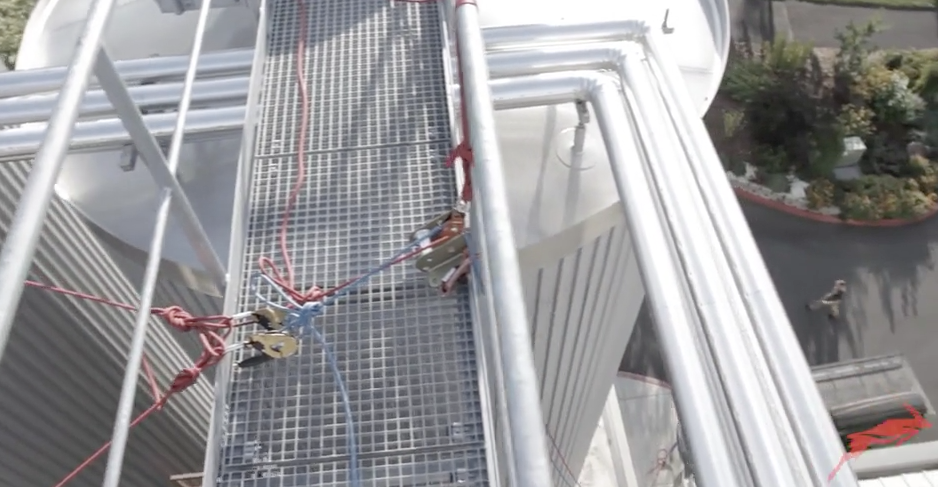
Multi-Point Anchors In rope rescue, single-point anchors aren’t always enough. Sometimes they’re weak. Sometimes they’re in the wrong place. And sometimes, they’re simply not there