resultant force

Rescue Systems Don’t Fail at Components. They Fail at Intersections.

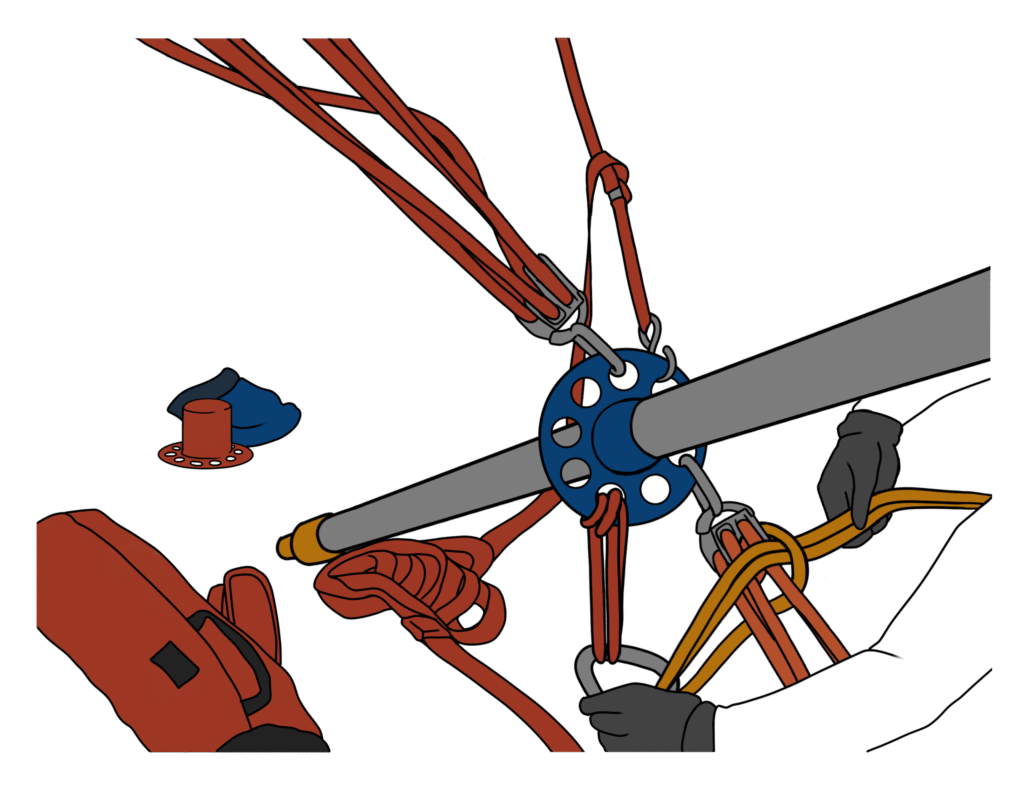
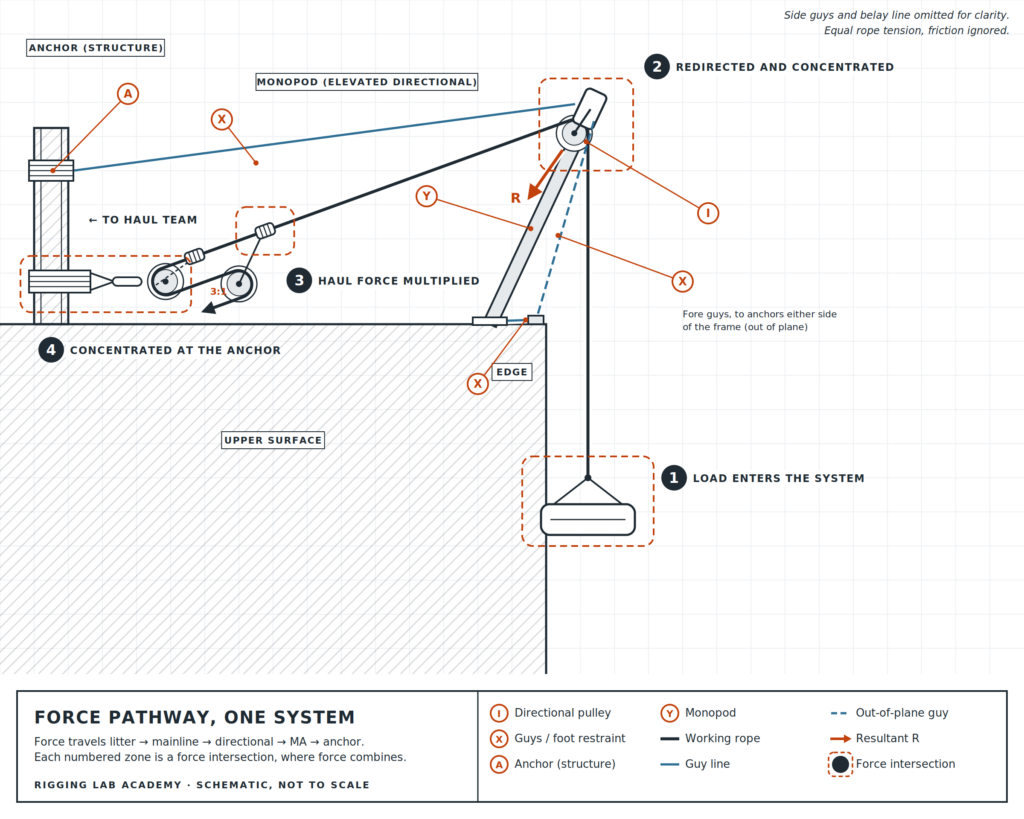
Rescue systems rarely fail because a single component gives out. They fail at force intersections, the points where loads meet, combine and change direction, and where a system that looked solid on paper starts behaving in ways nobody planned for. Picture a team that has rigged every piece correctly. The anchor is bombproof, the 3:1

Rescue Systems Don’t Fail at Components. They Fail at Intersections. Read More »
Horizontal Rigging in Rope Rescue | Highlines, Taglines & Offsets

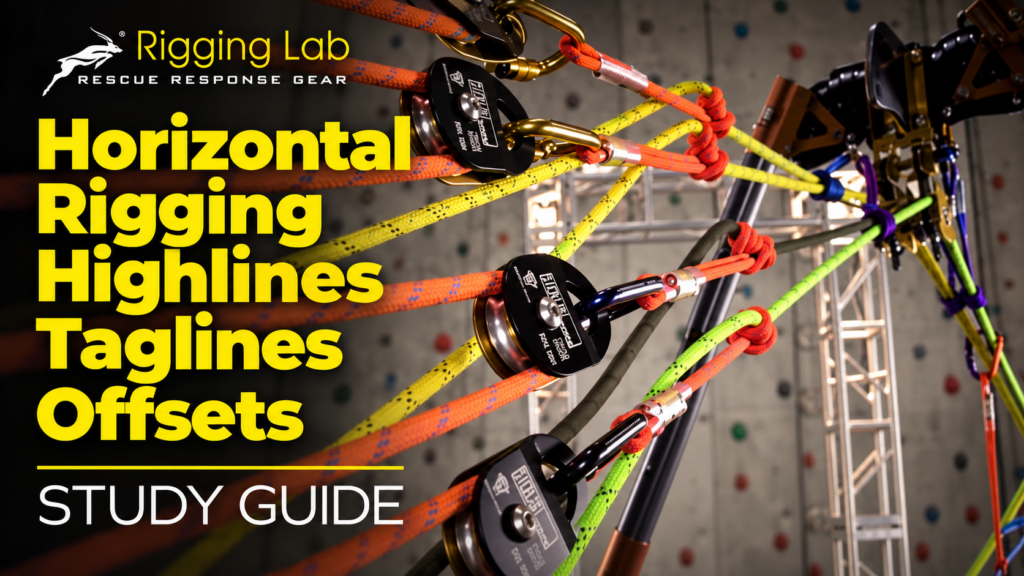
Sign Up for Free E-Book Horizontal rigging introduces a different set of problems than a straightforward vertical raise or lower. Once the rescue package has to move away from a primarily vertical path, the relationship between the load, rope, anchors, directionals, and terrain begins to change. Sag becomes important. Span becomes important. Rope angles begin

Horizontal Rigging in Rope Rescue | Highlines, Taglines & Offsets Read More »

Rope Rescue Rigging Physics: From Force to Measurement

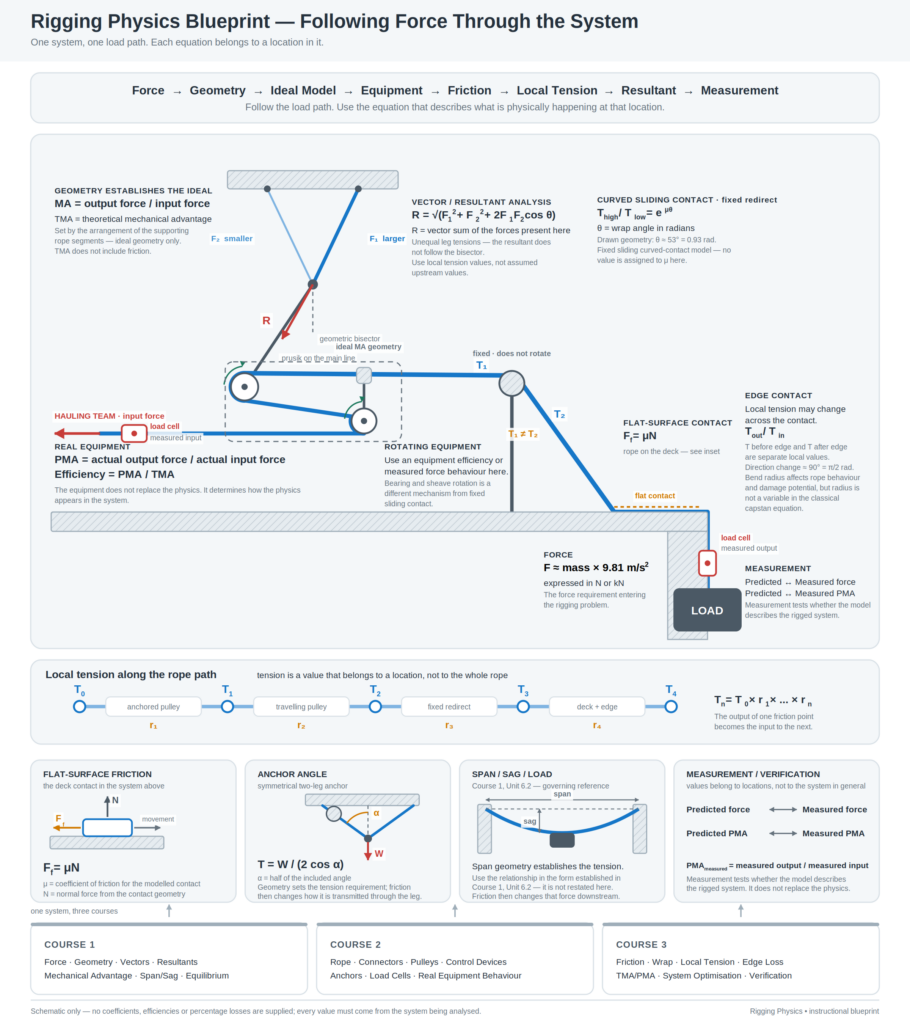
One System, One Load Path A rope rescue system can be drawn as equipment, but it is better understood as a load path. Force enters the system, geometry establishes how that force should be distributed, equipment turns the ideal arrangement into a physical system, friction changes the force as the rope moves through contact points,

Rope Rescue Rigging Physics: From Force to Measurement Read More »

Managing the Edge Through Geometry Using Elevated Anchor Systems

In technical rope rescue, the edge is often where a manageable rope system becomes difficult. Ropes bend across abrasive surfaces. Friction increases. Mechanical advantage deteriorates. Attendants struggle to move a litter through the transition. Haul and lowering systems become harder to operate predictably, while the patient and rescuers remain exposed at one of the most

Managing the Edge Through Geometry Using Elevated Anchor Systems Read More »

Elevated Anchor Systems in Technical Rescue

Elevated Anchor Systems in Technical Rescue

Understanding Artificial High Directionals as Structural Systems Artificial High Directionals, often referred to as elevated anchor systems, are sometimes treated as specialized accessories used only when terrain or structure presents a difficult edge. In practice, they are much more significant. These systems function as structural components that influence geometry, manage force vectors, improve movement efficiency,

Elevated Anchor Systems in Technical Rescue Read More »

Rope Rescue Math and Aerial Ladder Torque Management

Rope Rescue Math and Aerial Ladder Torque Management

Rope Rescue Math and Aerial Ladder Torque Management In rope rescue, a high-directional such as an aerial ladder can be an invaluable elevated anchor—if it’s rigged correctly. The forces at play are not intuitive, and relying on firefighting ratings or guesswork can lead to dangerously overloaded systems.This guide explains the math behind high-directional loading, how

Rope Rescue Math and Aerial Ladder Torque Management Read More »