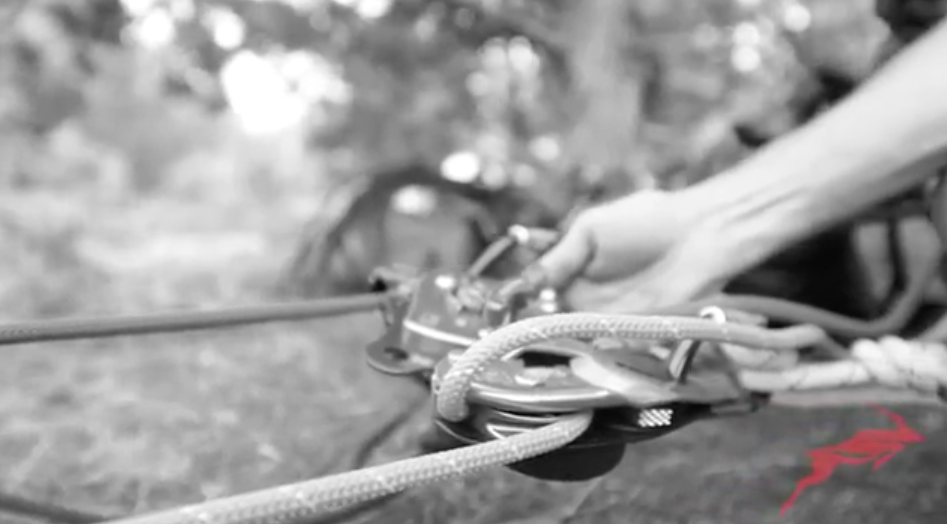
MPD

two tensioned system raise

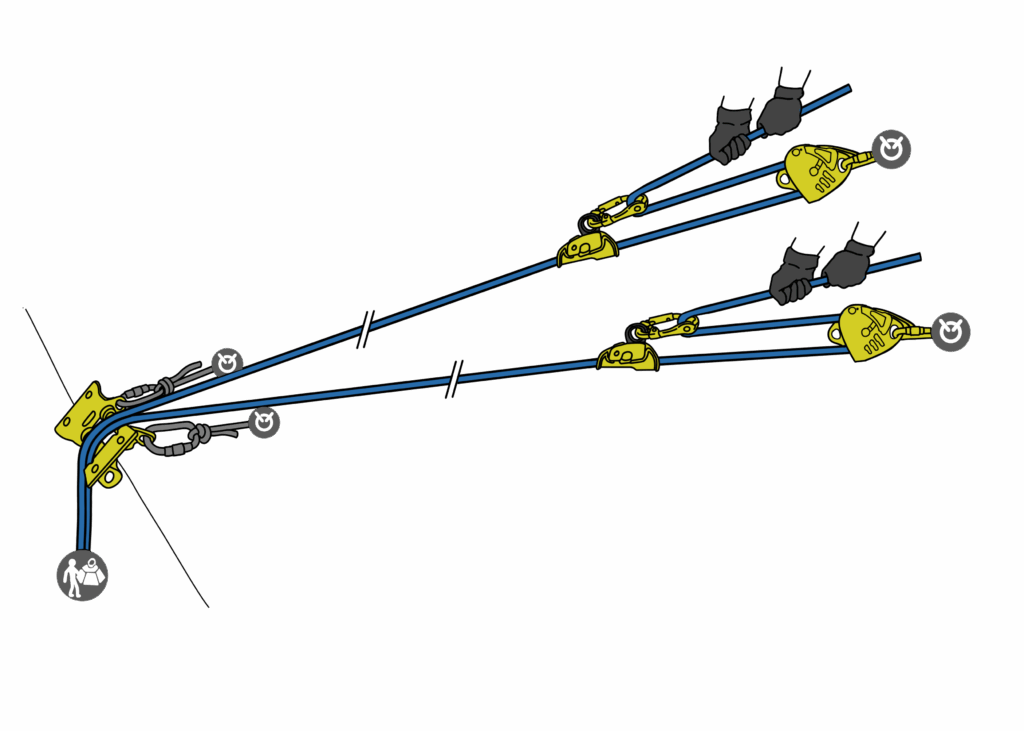
Twin Tension Rope Systems (TTRS) Mastery for Rescue Safety

In modern technical rescue, moving beyond traditional main-and-belay configurations is essential to achieving superior safety margins and operational efficiency. The shift is towards Dual Mainline Rope Systems, also known as Twin Tension Rope Systems (TTRS). These systems fundamentally change the dynamics of load control by actively engaging both ropes to share the load equally, thus […]

Twin Tension Rope Systems (TTRS) Mastery for Rescue Safety Read More »

skate block highline

Skate Block Systems in Technical Rope Rescue

Skate Block Systems provide a streamlined, efficient rigging solution for small teams performing rescues or load movements in specialized environments. These systems are particularly effective when personnel and time are limited—such as during tower maintenance, communications rigging, crane work, or industrial access operations. Unlike full highline or two-rope offset systems, the skate block uses the

Skate Block Systems in Technical Rope Rescue Read More »

Independent Belay Systems for Technical Rope Rescue

Independent Belay Systems for Technical Rope Rescue

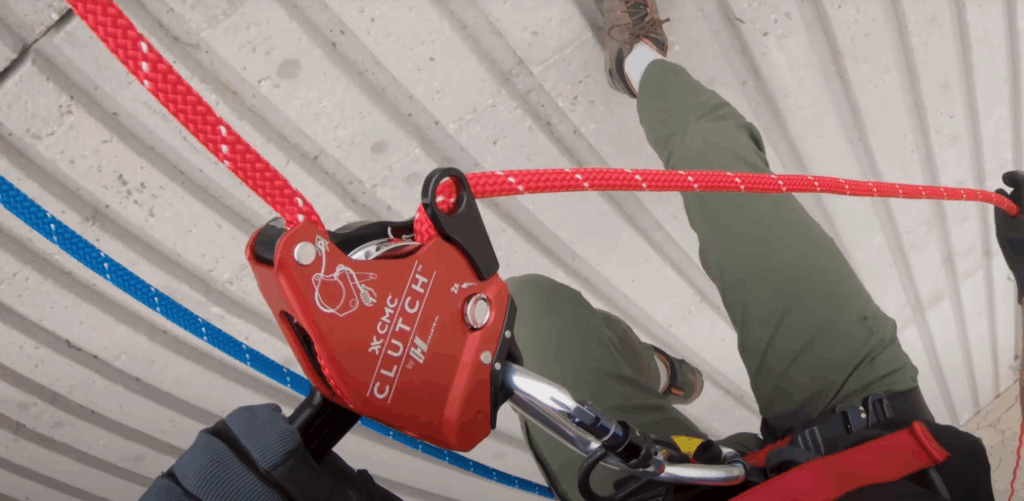
Independent Belay Systems for Technical Rope Rescue In rope rescue, redundancy isn’t a luxury—it’s a requirement. An independent belay system offers a critical safety layer during rappelling operations by providing a backup to arrest a fall if the primary system fails. Whether using a tandem Prusik belay or advanced mechanical devices like the CLUTCH or

Independent Belay Systems for Technical Rope Rescue Read More »

Mechanical Advantage Piggyback Method in Raising Operations

Mechanical Advantage Piggyback Method in Raising Operations

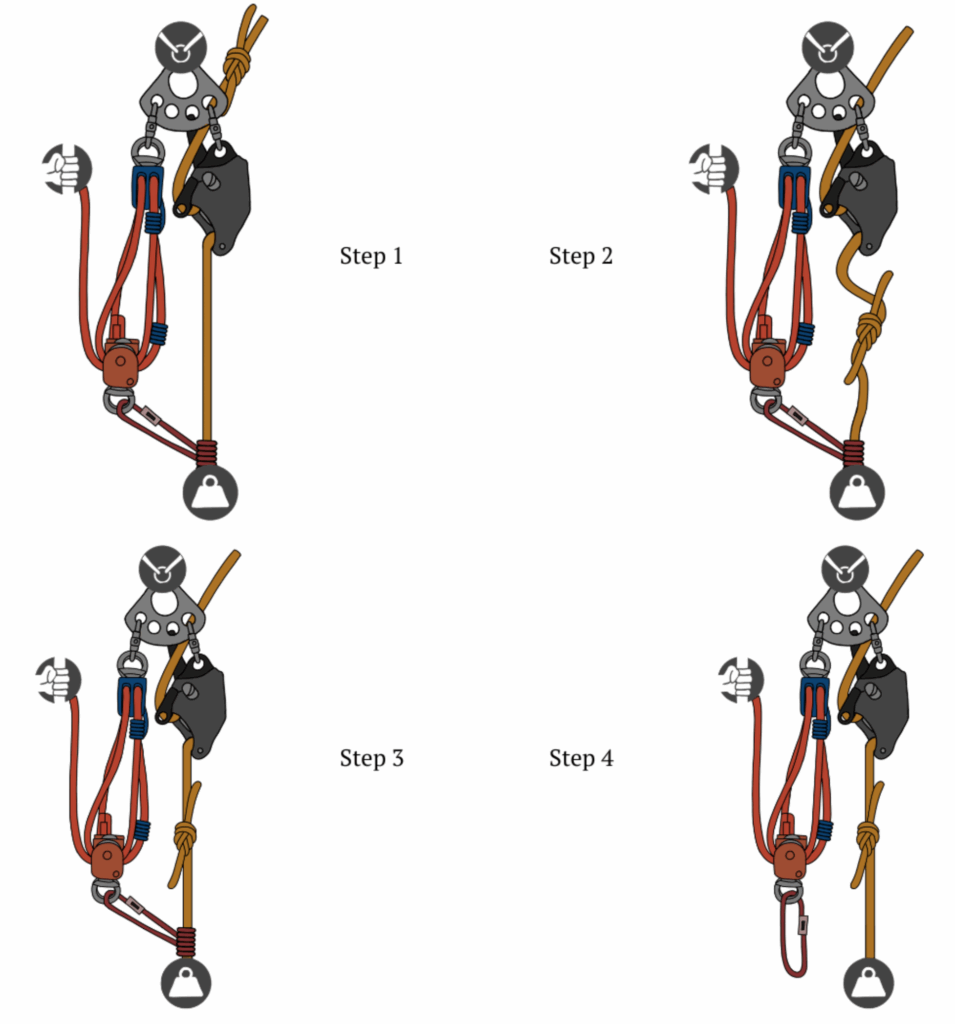
The Mechanical Advantage Piggyback Method is a powerful and advanced rope rescue technique that provides precision, safety, and flexibility during raising operations—especially when encountering knots in the rope system. This method leverages an auxiliary mechanical advantage (MA) system, such as an AZTEK kit, to temporarily assume load-bearing responsibility, enabling rescuers to reposition and manage the

Mechanical Advantage Piggyback Method in Raising Operations Read More »

Lowering Piggyback Method for Knot Management in Rope Rescue

Lowering Piggyback Method for Knot Management in Rope Rescue

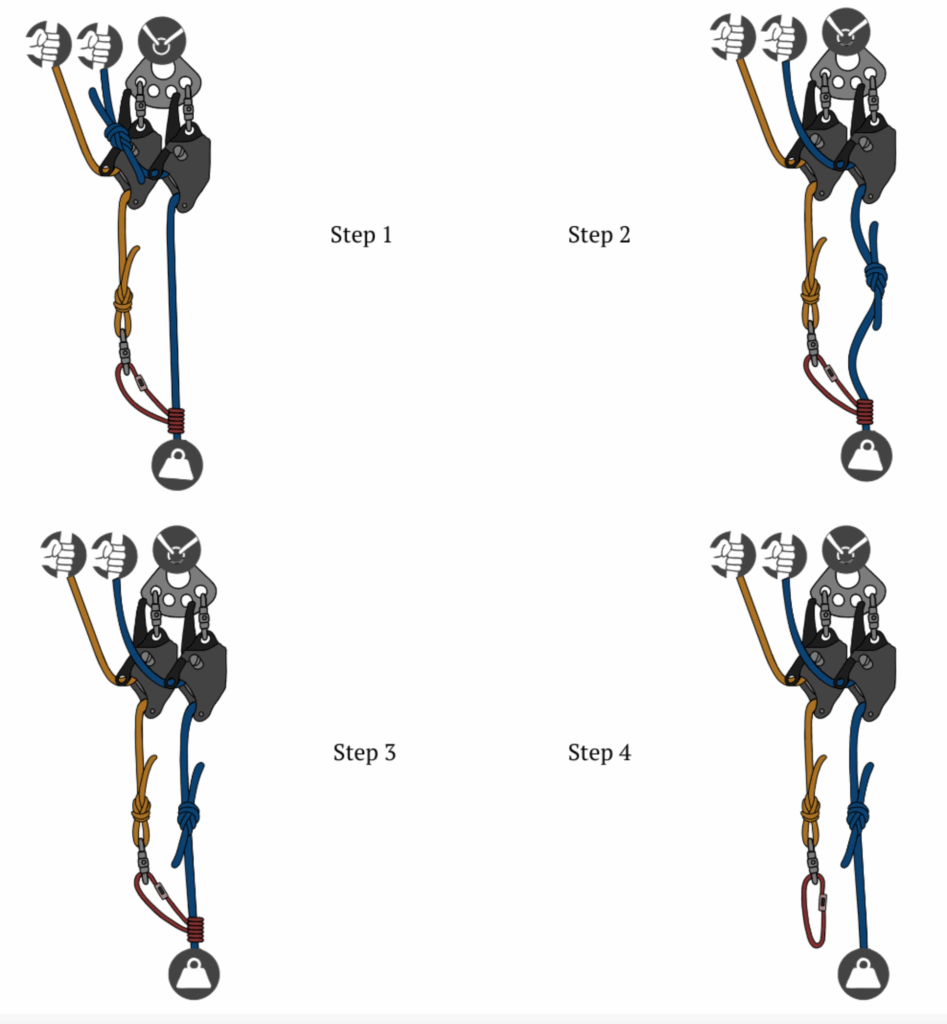
The Lowering Piggyback Method is a rope rescue technique used to maintain continuous descent control while safely bypassing a knot in the main line. This method incorporates a secondary descent control system—known as the piggyback—and provides a controlled process for transferring loads when a knot prevents further lowering. Ideal for systems using the Clutch, MPD,

Lowering Piggyback Method for Knot Management in Rope Rescue Read More »

Mechanical Advantage Piggyback Method for Rope Rescue Transitions

Mechanical Advantage Piggyback Method for Rope Rescue Transitions

Mechanical Advantage Piggyback Method for Rope Rescue Transitions – The Mechanical Advantage Piggyback Method is an advanced rope rescue technique used to safely and efficiently pass knots and transition loads during lowering or raising operations. By incorporating a self-contained mechanical advantage (MA) system—such as an AZTEK kit—teams can bypass rope knots without interrupting the primary

Mechanical Advantage Piggyback Method for Rope Rescue Transitions Read More »

mechanical advantage system - piggy back knot passing

Mechanical Advantage Piggyback Method

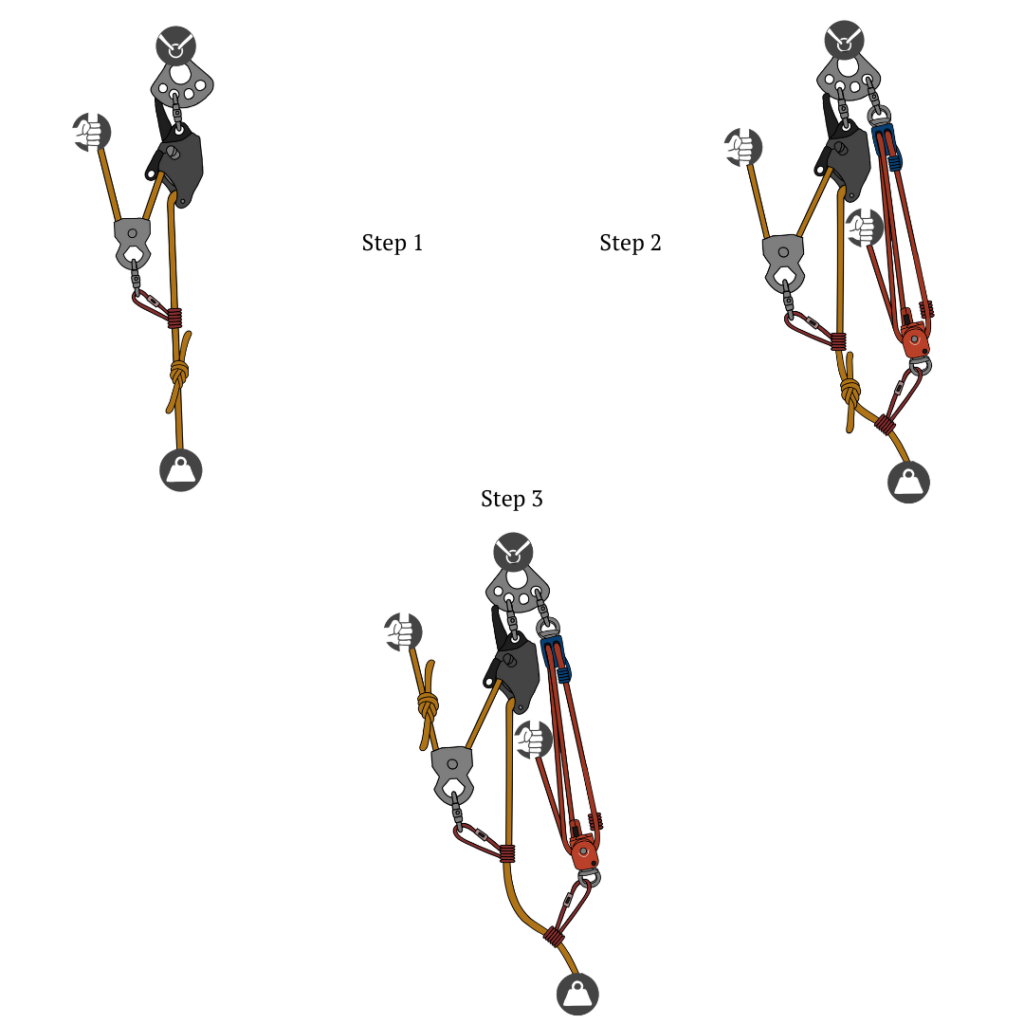
The Mechanical Advantage Piggyback Method is a groundbreaking rigging technique in rope rescue operations, designed to navigate knots effectively while maintaining system stability and load control. This advanced method shines in scenarios involving mechanical devices such as the Clutch or MPD, utilizing a secondary mechanical advantage system like the AZTEK to ensure seamless and efficient

Mechanical Advantage Piggyback Method Read More »