
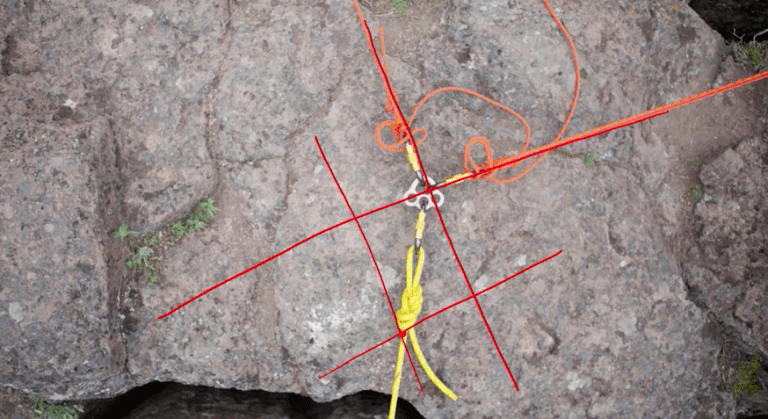
Rescue Rigging Anchors: Why They’re Essential
In the world of rescue and rigging, anchors are the cornerstone of every system. We’re often taught that anchors are the most important part of the operation, but the reasons behind this importance are not always crystal clear. Let’s dive into the fundamentals of anchor systems and why they’re critical to the success of any rescue or rigging operation.
The Core of Anchor Systems
Anchor systems can be broken into two functional elements:
- Choosing the Anchor Object: Selecting a reliable, appropriate object to serve as your anchor.
- Rigging the Anchor: Properly configuring the anchor system to ensure safety and stability.
This knowledge must move beyond theory. Hands-on instruction and field practice are essential for mastery. Without this foundation, the risks increase significantly, and the consequences can be severe.
Explore More Anchors and Anchoring
Types of Anchor Systems
Understanding the diversity of anchor systems ensures you’re prepared for a wide range of scenarios. Below are some examples of anchor configurations commonly used in rigging and rescue operations:
- Wrap 3, Pull 2: A simple and effective way to rig natural or artificial anchors.
- High-Strength Tie-Off: Ideal for critical operations requiring extra security.
- Fixed Multi-Point System: A load-sharing configuration that spreads the load across multiple points.
- Back-Ties: Add stability by connecting to additional anchors.
- Opposition Anchors: Counteract forces for balance and security.
- Floating Anchors: Adjust dynamically to load changes.
- Artificial Anchors: Includes cams, tapers, hexes, and bolts.
- Picket Systems: A ground-based solution for areas without natural anchor options.
Best Practices for Anchors
Anchors are the backbone of your rescue system. Here are some essential considerations:
- Reliability: Every anchor point must be strong enough to handle the anticipated load.
- Redundancy: Use backups where possible to add layers of safety.
- Field Practice: Regularly train and test different anchor systems in real-world conditions.
- Adaptability: Be ready to switch to alternative systems based on the environment or unexpected challenges.
Continual Learning
The field of rescue rigging is ever-evolving. At Rigging Lab Academy, we’ve created resources like our eBook on 10 different rigging systems to deepen your knowledge. From floating anchors to artificial high directionals, every lesson builds on practical expertise.
Anchors aren’t just a component—they’re the foundation of safety and success. Invest in your skills, practice diligently, and ensure your anchor systems are as reliable as they are innovative.
Explore More Anchors and Anchoring
Peace on your days,
Lance

Comments are closed.