
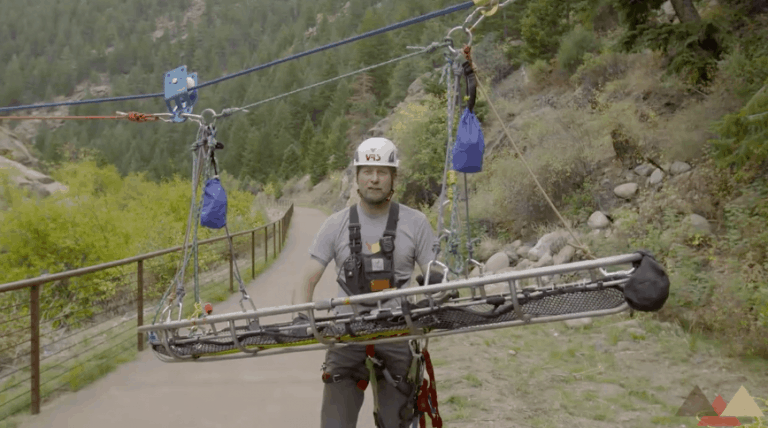
Highline Overview A Case Study
Highline Overview A Case Study is about preparedness – an advantage in the world of rescue and rigging—it’s an absolute necessity. In rescue operations, being unprepared can lead to critical failures, limiting options and endangering lives. The NFPA 1670 underlines this point with its stringent requirements for hazard analysis and risk assessment. It mandates that every Authority Having Jurisdiction (AHJ) evaluates their response area for potential hazards and determines their ability to conduct safe and effective technical rescues.
This comprehensive assessment takes into account environmental, physical, social, and cultural factors. These elements don’t just define the potential scope of rescue operations—they also highlight the level of preparation, training, and leadership needed to ensure safety and success.
The Role of High-Level Training
Effective rescue operations depend on training that goes beyond baseline competence. As Pat Rhodes, Rigging Lab Academy Instructor, points out:
“When the real technical rescue call comes in, the stress level is at a peak, conditions are likely at their worst, and chaos rules.”
To overcome this chaos, technicians must train at skill levels that far exceed the requirements of an actual rescue operation. This elevated level of preparation allows responders to default to the most efficient and safest techniques, even under extreme stress.
The Building Blocks of Rescue Success
A successful technical rescue depends on multiple interdependent factors, which can be visualized as blocks in a tiered graph. Each level of the graph supports and enhances the one above it:
- Rescue Level: The culmination of personnel, equipment, training, and leadership efforts.
- Training Level: Provides the foundational skills and knowledge needed for rescue operations.
- Instructor Level: Ensures that training is effective, dynamic, and continually updated to reflect best practices.
- Research and Development Level: Drives innovation and provides the tools and methodologies that instructors and technicians rely on.
Each tier drives and supports the others, creating a feedback loop of continuous improvement. The field of technical rescue is always evolving, and rescuers must stay ahead of the curve to ensure success.
A Practical Application: Pre-Staging Highline Evacuations
This particular project is a collaborative effort between three agencies, all of whom may be called upon to execute a rescue at this venue. Pre-staging an evacuation plan is a critical component of preparedness. By working together ahead of time, these teams ensure that they can respond effectively when the whistle blows.
Pre-planned staging involves:
- Analyzing potential scenarios and challenges.
- Training on specific techniques and equipment to match the venue’s requirements.
- Building synergy between agencies to foster seamless collaboration.
A Call to Action
Technical rescue is not a stagnant profession; it demands constant growth and adaptation. Rescuers must train, learn, and lead with an eye toward innovation and excellence. By riding the wave of evolution in rescue techniques and strategies, teams can ensure the safety and efficiency of their operations.
Explore More
- NFPA 1670 Guidelines for Rescue Preparedness
- Advanced Technical Rescue Training with Rigging Lab Academy
Peace on your Days,
Lance

Comments are closed.