
The Purpose of Training with Two Tension Rope Systems and Dynamic Directional Offsets
Training and practical application go hand in hand in the field of technical rigging and rescue. Rarely can professionals adequately prepare for complex scenarios without structured vision and a clear understanding of fundamental principles. This is where systems like the Two Tension Rope System (TTRS) and dynamic directional offsets come into play. They are pivotal for enabling safe and efficient rescues in challenging environments. Understanding, practicing, and rehearsing these systems builds a robust skillset, ensuring rescuers are prepared for real-world applications.
Vision and Goals
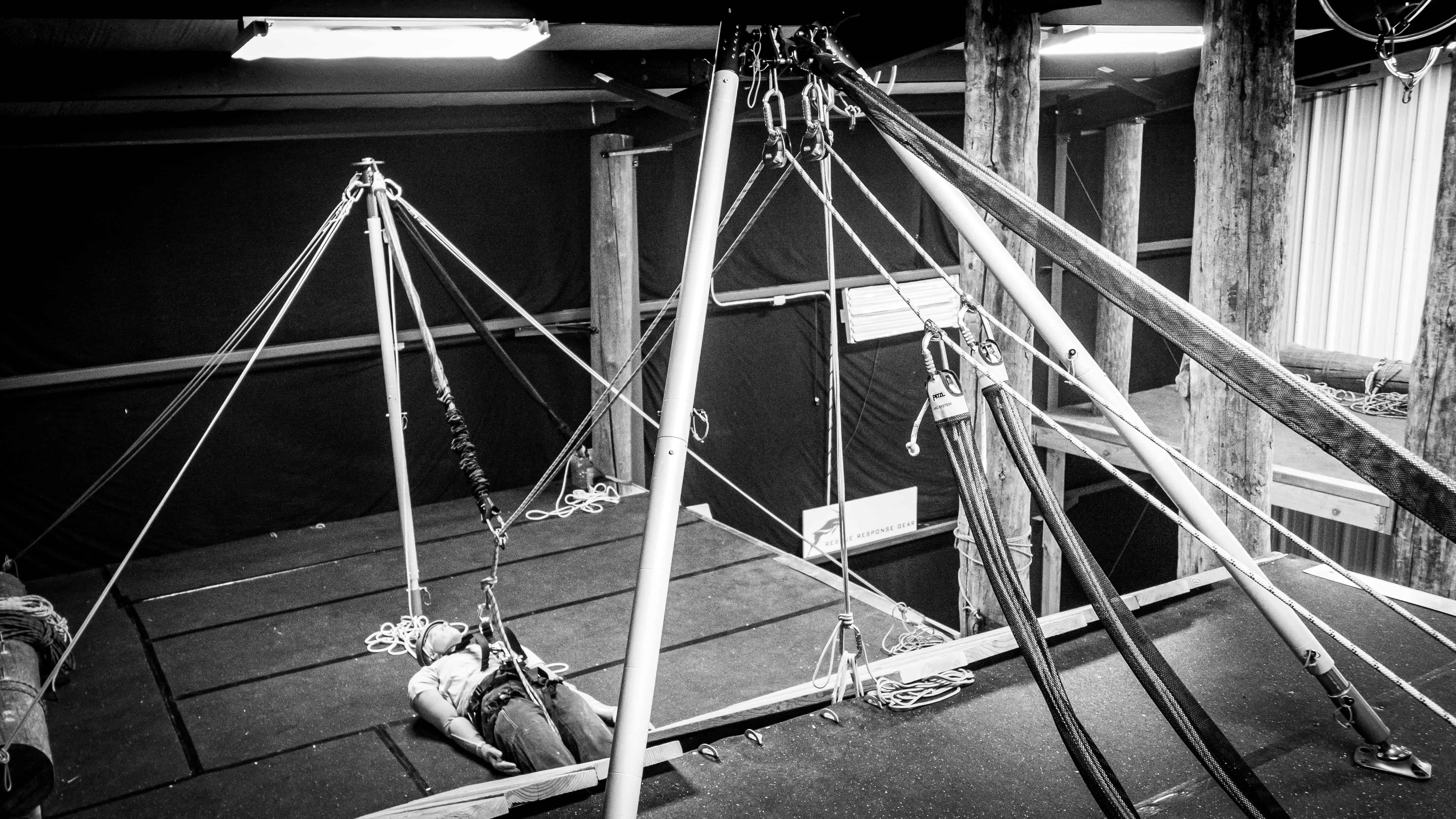
In this particular training setup, we envisioned a scenario where a hiker had fallen into a narrow slot canyon. While conscious and responsive, the individual was unable to self-evacuate. The primary challenge was the canyon’s difficult edges and the critical urgency to extract the hiker before nightfall and dropping temperatures compounded the situation.
The overarching strategy focused on:
- Utilizing artificial high directionals (AHDs) to mitigate edge issues.
- Implementing a TTRS to distribute load evenly and ensure redundancy.
- Designing systems that were clean, efficient, and deployable by minimal personnel.
These goals required a methodical approach to gear selection, system configuration, and continuous safety checks.
Tools and Equipment Utilized
To meet the demands of the scenario, the following equipment was employed:
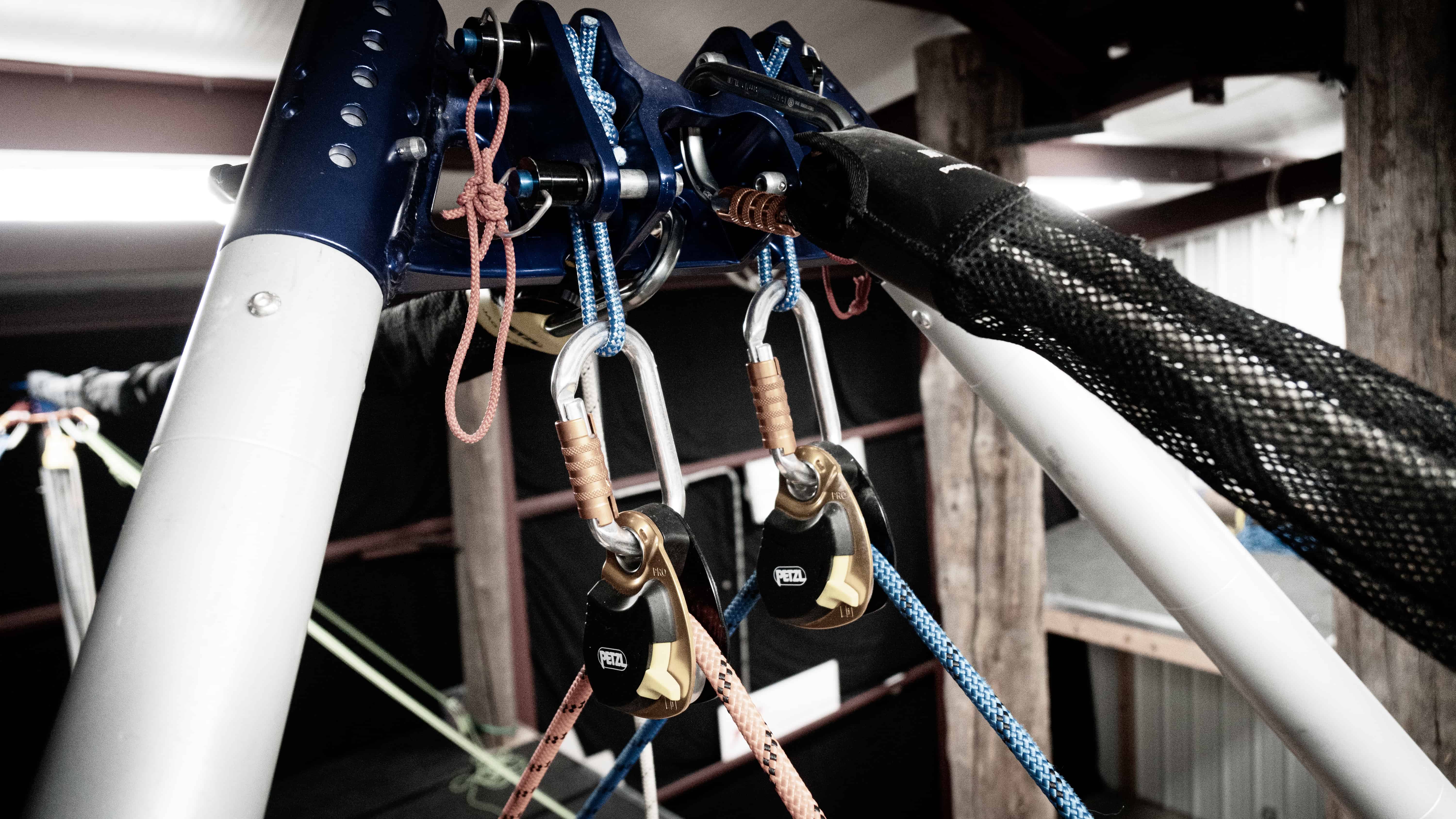
- Arizona Vortex: A versatile AHD that provided essential height and stability.
- Accessory Cord: Used for precise guying to stabilize the AHD.
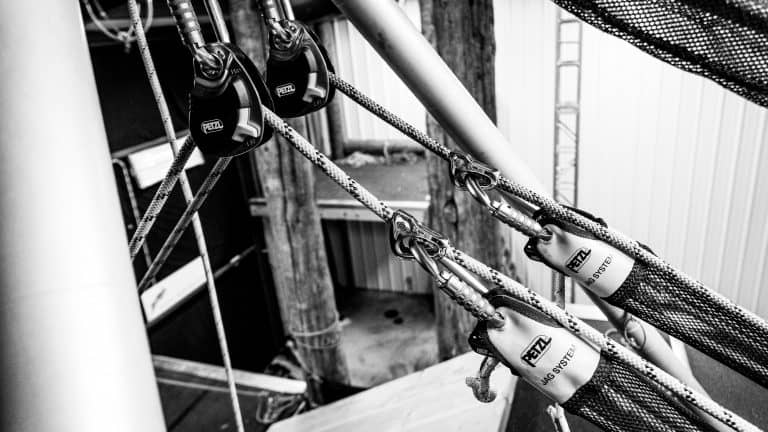
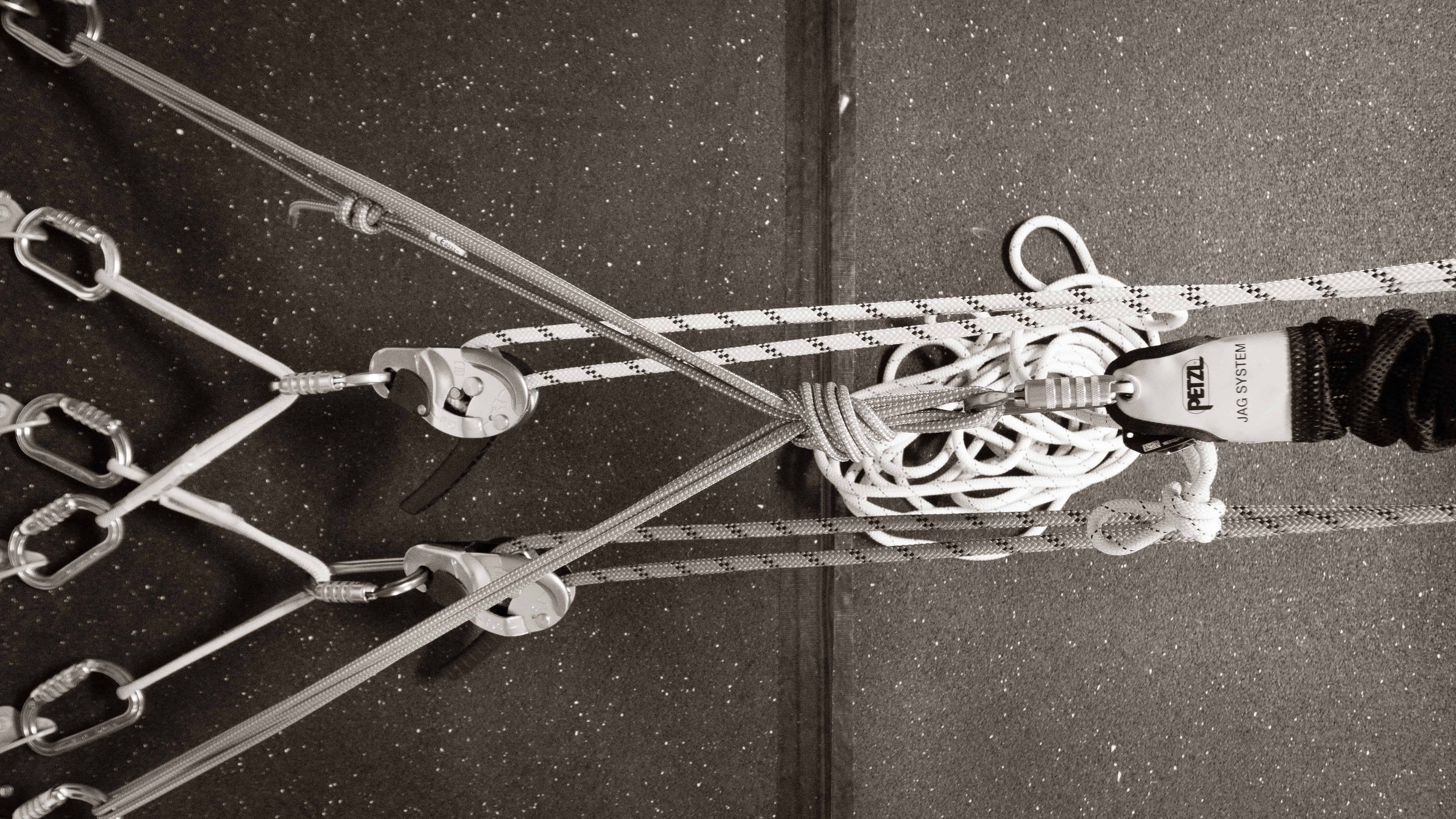
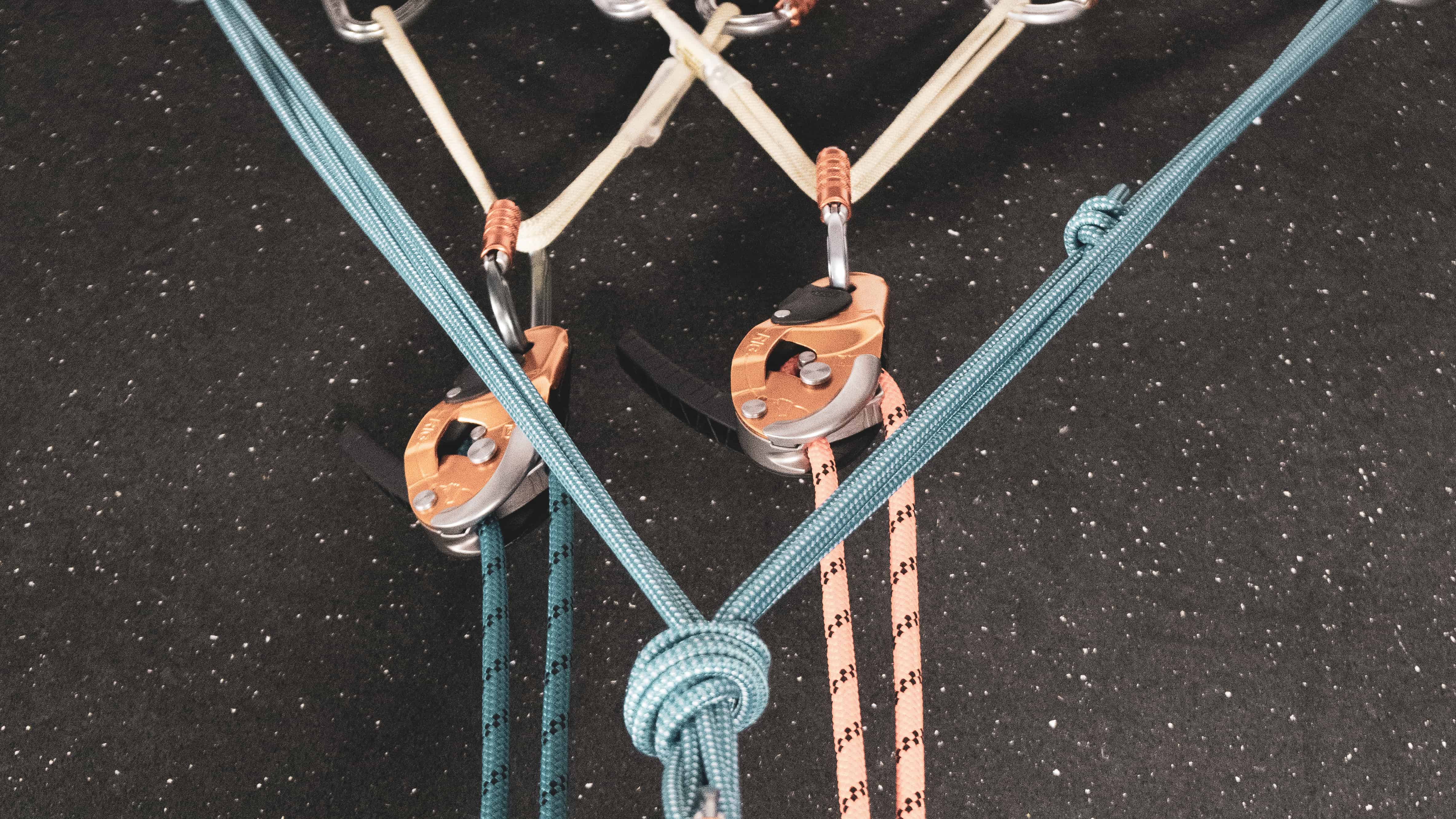
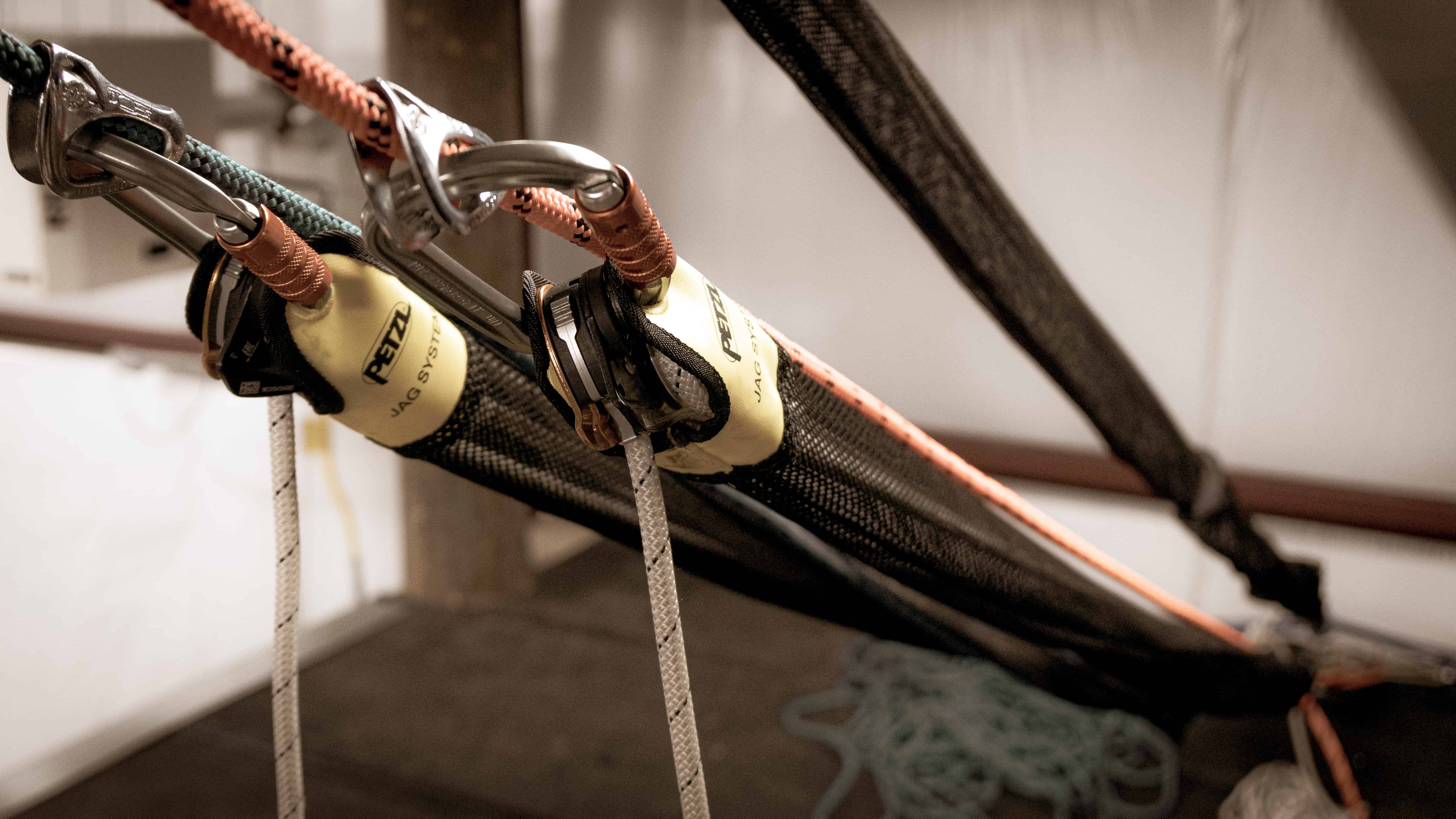
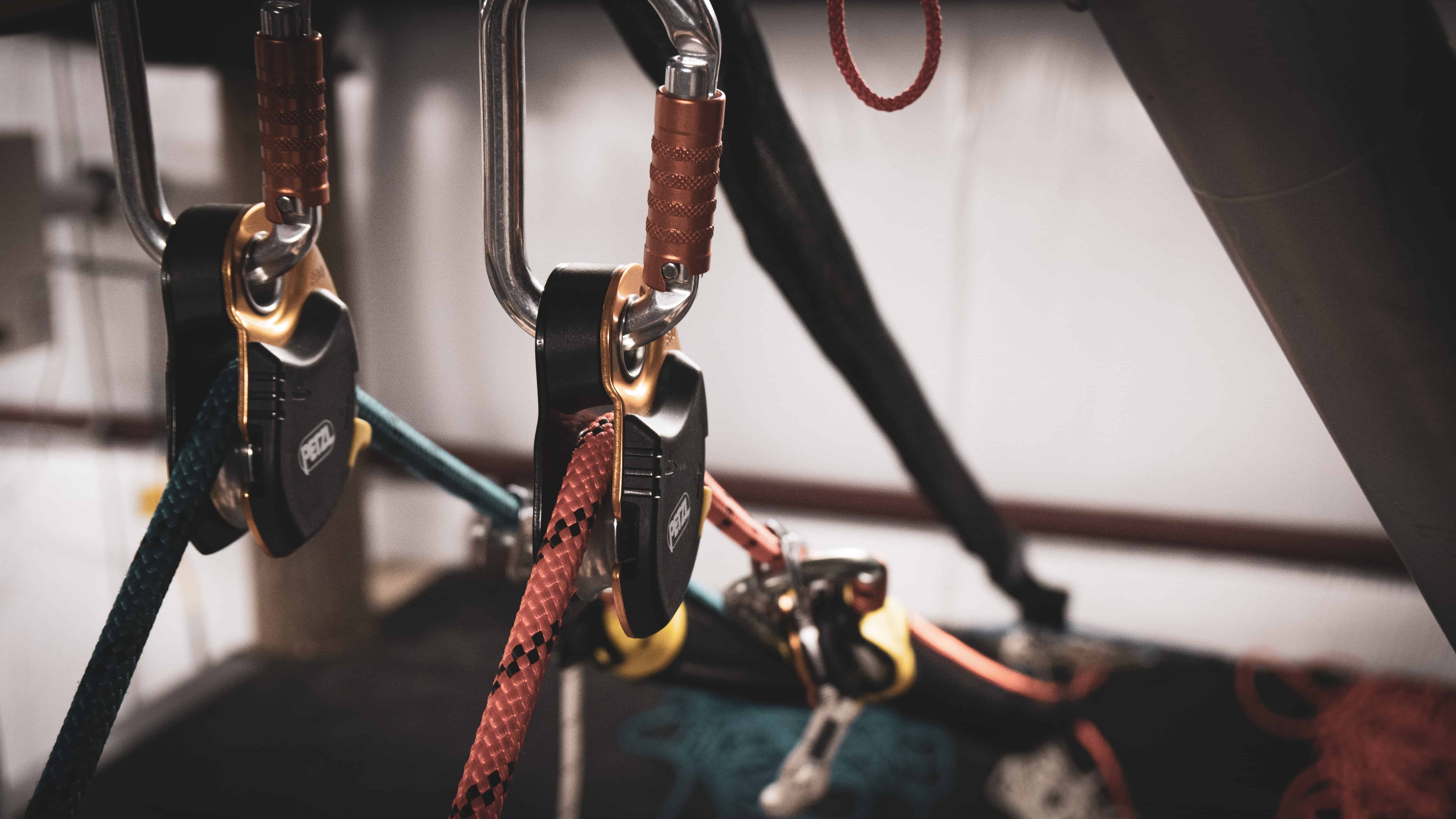
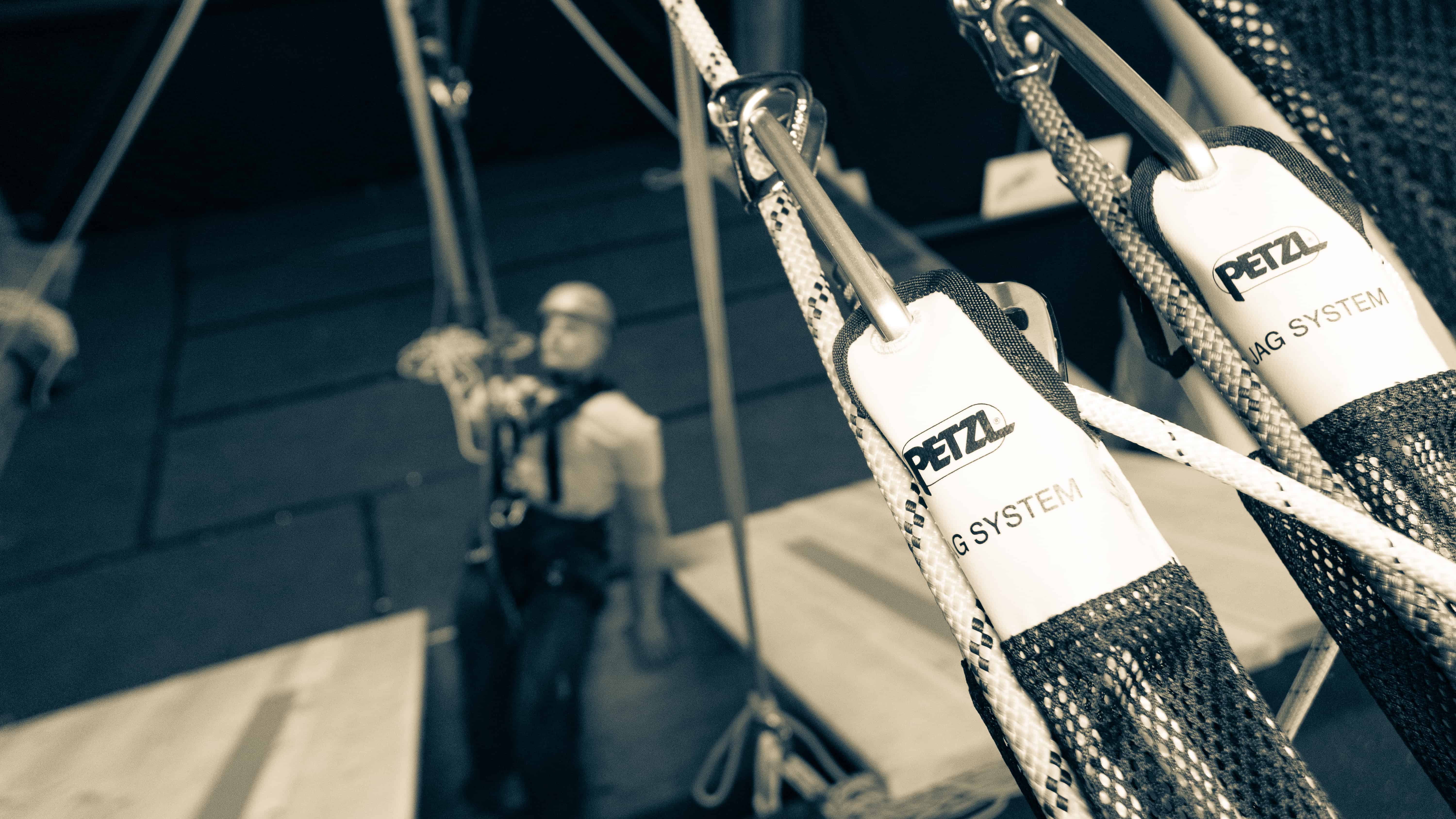
- Petzl Jag Systems: For creating efficient mechanical advantage systems.
- Petzl Pro Pulleys and Am’d Carabiners: For smooth and secure rope transitions.
- Petzl Tiblocs and Rigs: Essential for progress capture and controlled descent.
- Rescue Response Gear Essentials: Including anchor systems and edge protection.
System Configuration and Execution
The setup began with determining the scope and complexity of the evolution. Key considerations included the type of AHDs required, patient extraction points, and the systems needed to ensure safety and efficiency. The workflow was as follows:
- Anchor Preparation:
- Establishing reliable anchors for the guying systems.
- Ensuring the anchors met the load requirements and maintained system redundancy.
- AHD Placement:
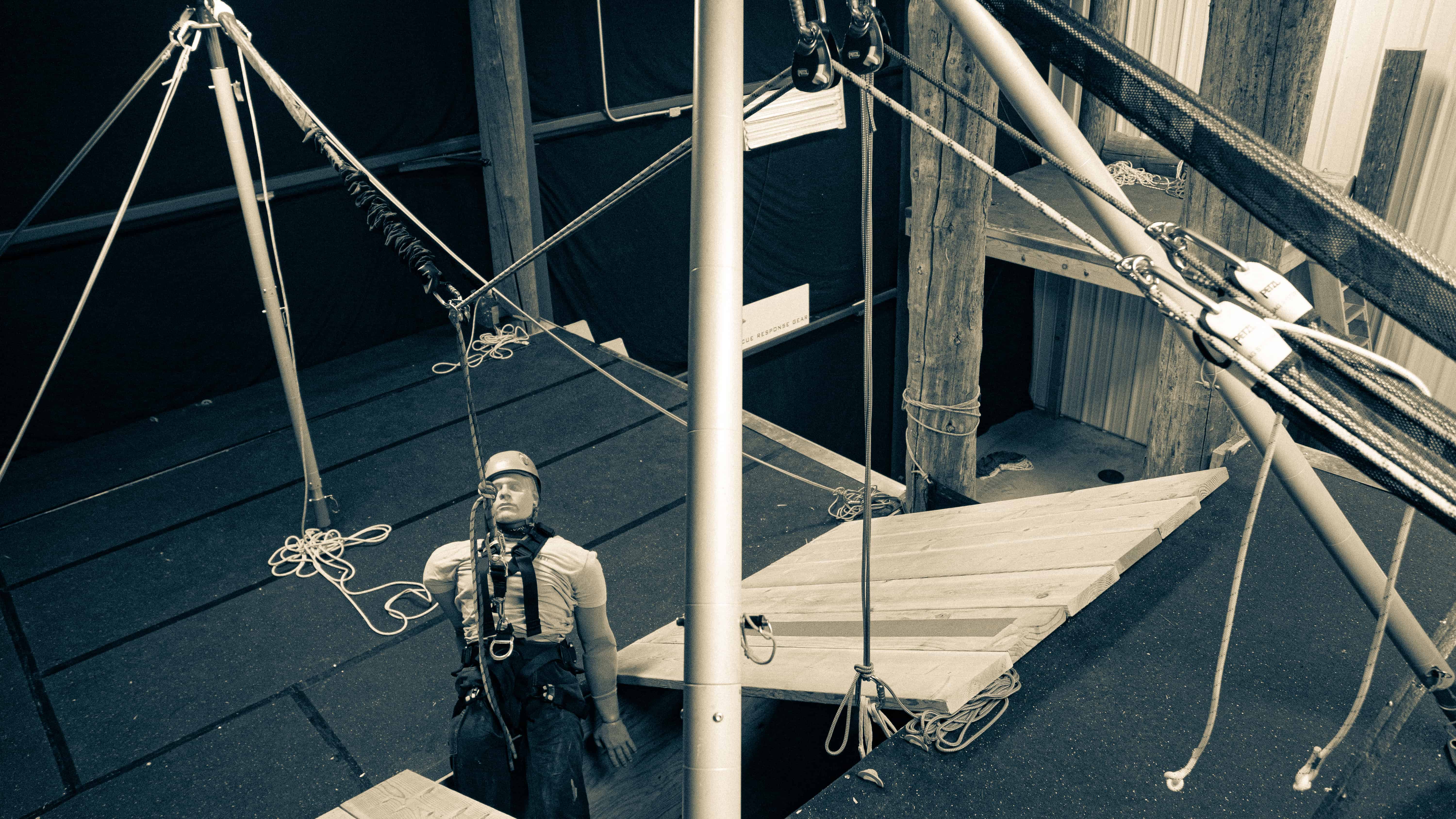
- Positioning the Arizona Vortex as an A-frame on the control side and a monopod/gin pole on the far side.
- Configuring guying planes to stabilize the AHDs and optimize force distribution.
- TTRS Setup:
- Deploying two tensioned ropes for redundancy and load sharing.
- Integrating In-line 9 mechanical advantage systems using Petzl Jag kits.
- Dynamic Directional Offset:
- Creating a smooth track line for controlled patient movement.
- Using dynamic directional pulleys to navigate around obstacles and position the patient precisely.
- Safety and Monitoring:
- Conducting thorough safety checks before initiating the raise and lower operations.
- Continuously monitoring the system for any shifts or points of failure.
Key Outcomes and Observations
The operation successfully demonstrated the effectiveness of the TTRS and dynamic directional offset. Key takeaways included:
- The Arizona Vortex performed exceptionally well as both an A-frame and monopod, providing the necessary height and stability.
- The In-line 9 mechanical advantage system allowed for smooth and efficient load transitions, even with minimal personnel.
- The dynamic directional offset enabled precise patient placement, exceeding expectations in adaptability and control.
- System redundancy ensured safety throughout the evolution, highlighting the importance of planning and execution.
Looking Ahead
Training exercises like this emphasize the importance of rehearsing complex systems in controlled environments. They not only build technical proficiency but also instill confidence and adaptability. Future training will include exploring alternative configurations, refining techniques, and integrating additional tools to enhance system performance.
Additional Resources
For more insights and training materials, visit the following Rigging Lab Academy resources:
The Gallery


Peace on your Days
Lance


Comments are closed.