Vector Forces and Rigging Mechanics in Rope Rescue
Vector Forces and Rigging Mechanics in Rope Rescue Introduction Rope rescue operations are inherently complex, requiring a nuanced understanding of vector forces and rigging mechanics.

Vector Forces and Rigging Mechanics in Rope Rescue Introduction Rope rescue operations are inherently complex, requiring a nuanced understanding of vector forces and rigging mechanics.

Building a Solid Rope Rescue and Rigging Team: A Holistic Approach Creating a highly functional rope rescue and rigging team, alongside developing effective systems, demands

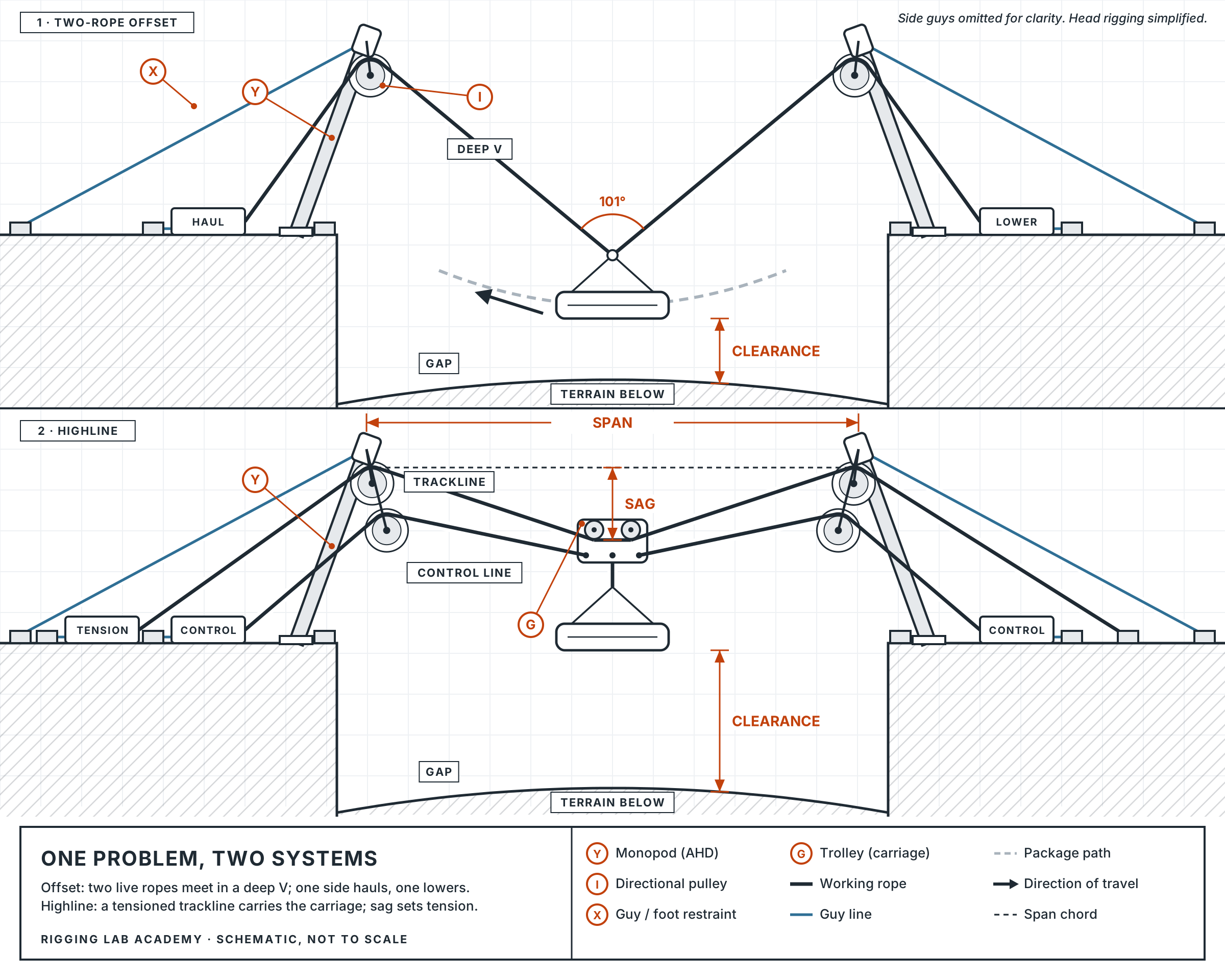
Two-Rope Offset System The two-rope offset system is a practical and efficient technique for moving loads across challenging terrain, such as canyons or gaps, without
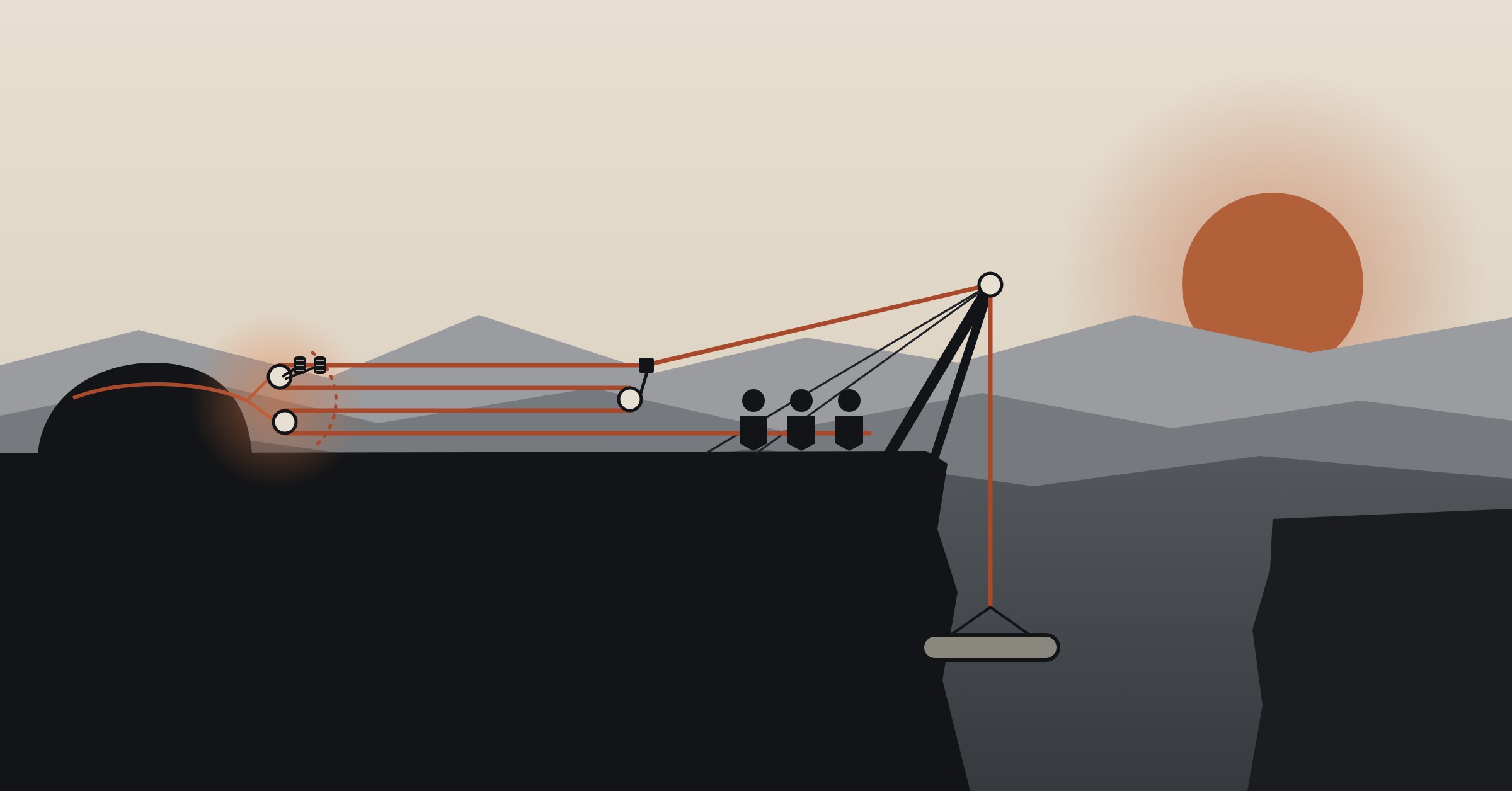
Every anchor gets rigged for a number. Usually that number is the load: the weight of the patient, the litter, and the attendant hanging on
A rope rescue technician may remember how to assemble a familiar system but struggle to predict how it will behave when the load, geometry, or
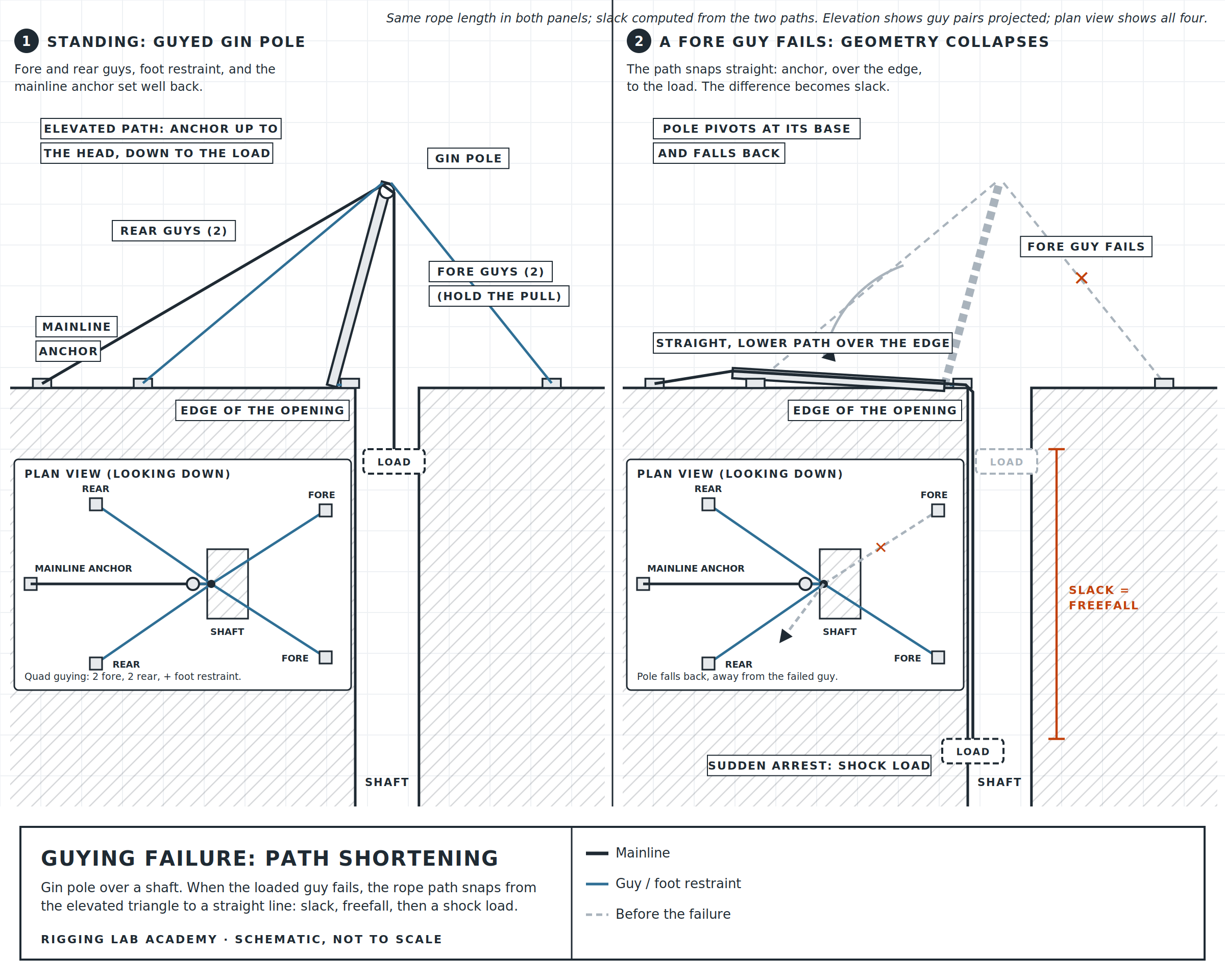
When a Guy Fails: The Hidden Consequences of Changing Rope Geometry Understanding gin pole failure, changing load paths, and why technical knowledge must be continually
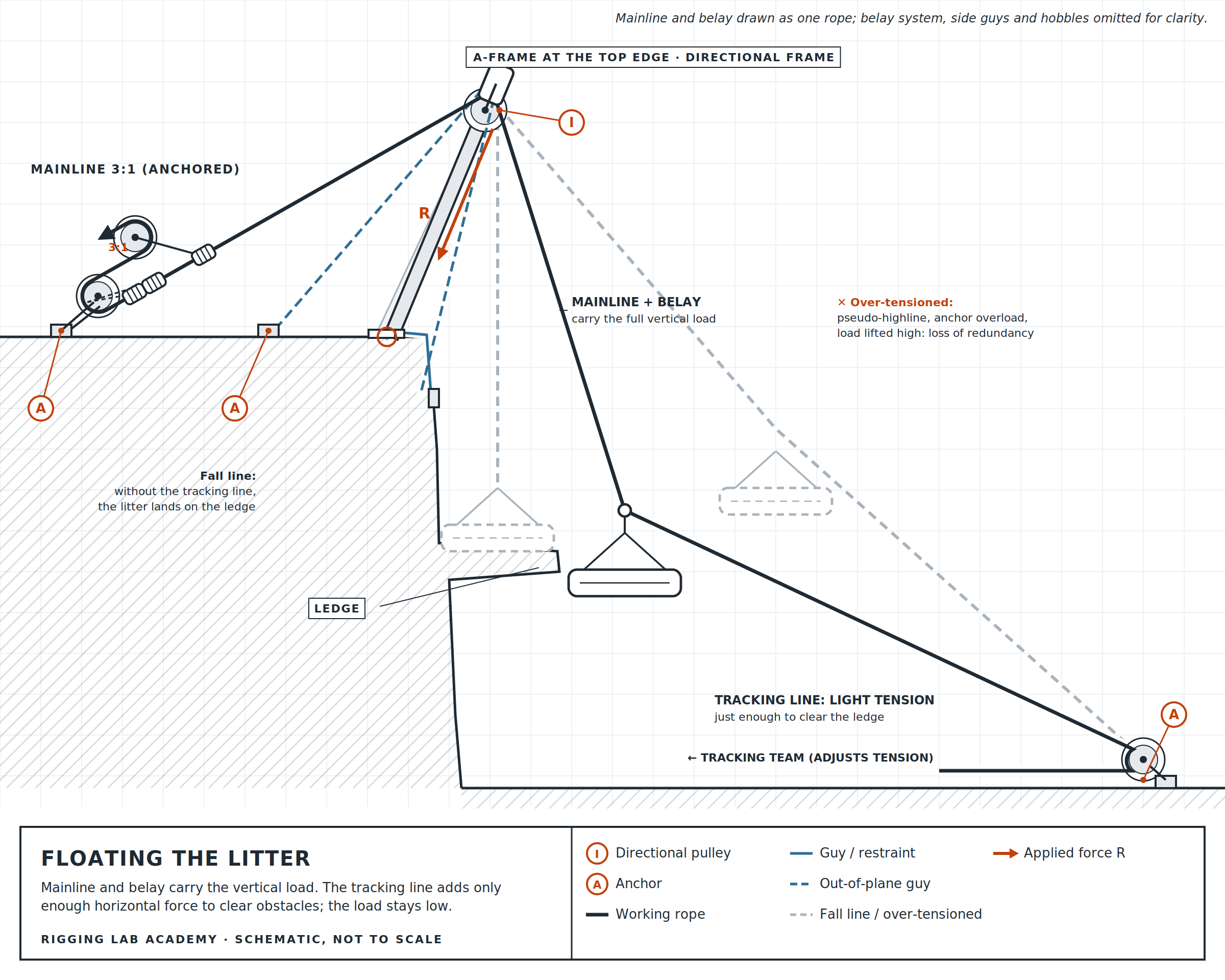
Floating the Litter: Why More Tension Is Not Better in Rope Rescue Tracking lines, load positioning, and the critical difference between moving a rescue package
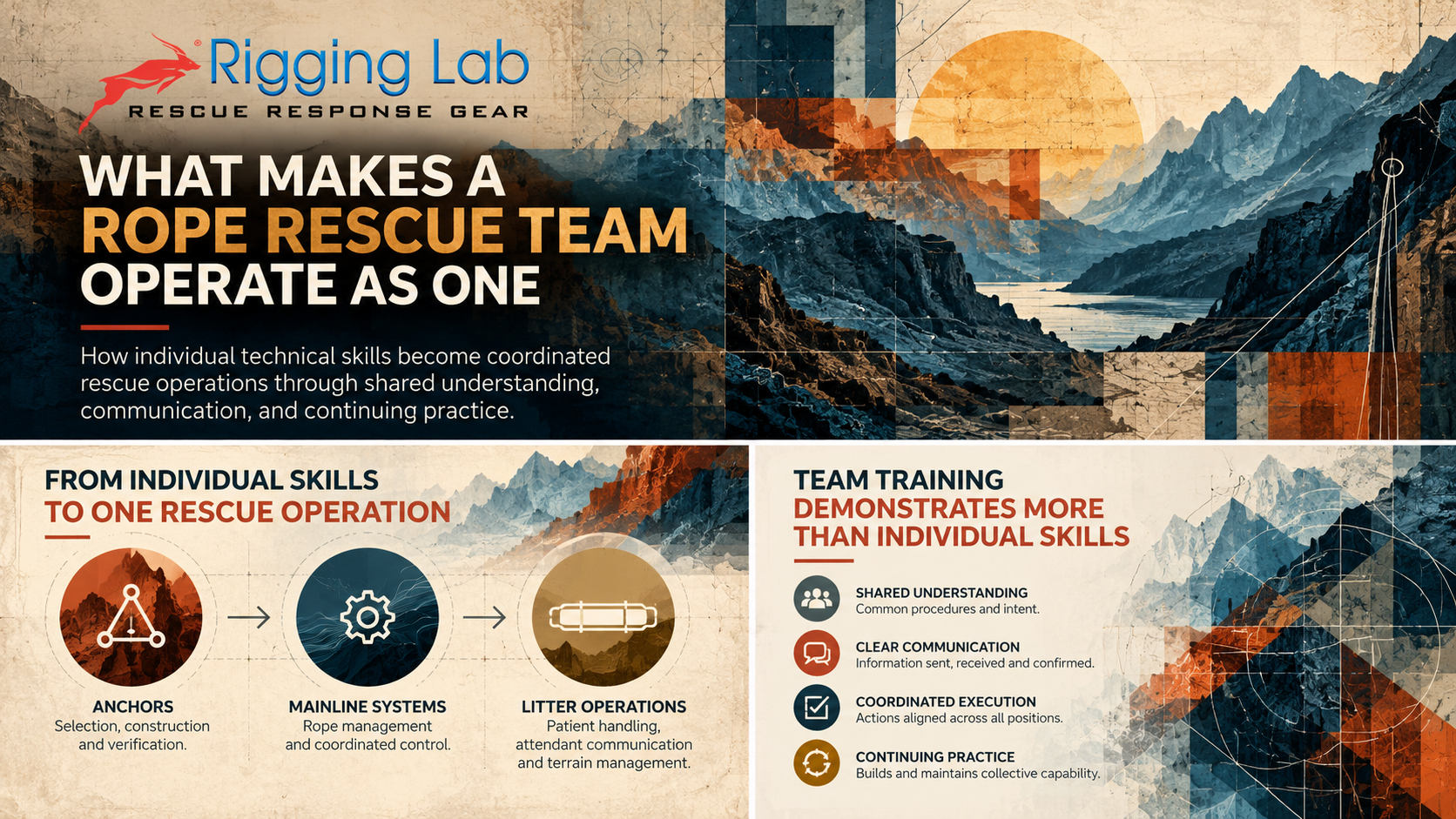
What Makes a Rope Rescue Team Operate as One How individual technical skills become coordinated rescue operations through shared understanding, communication, and continuing practice. From
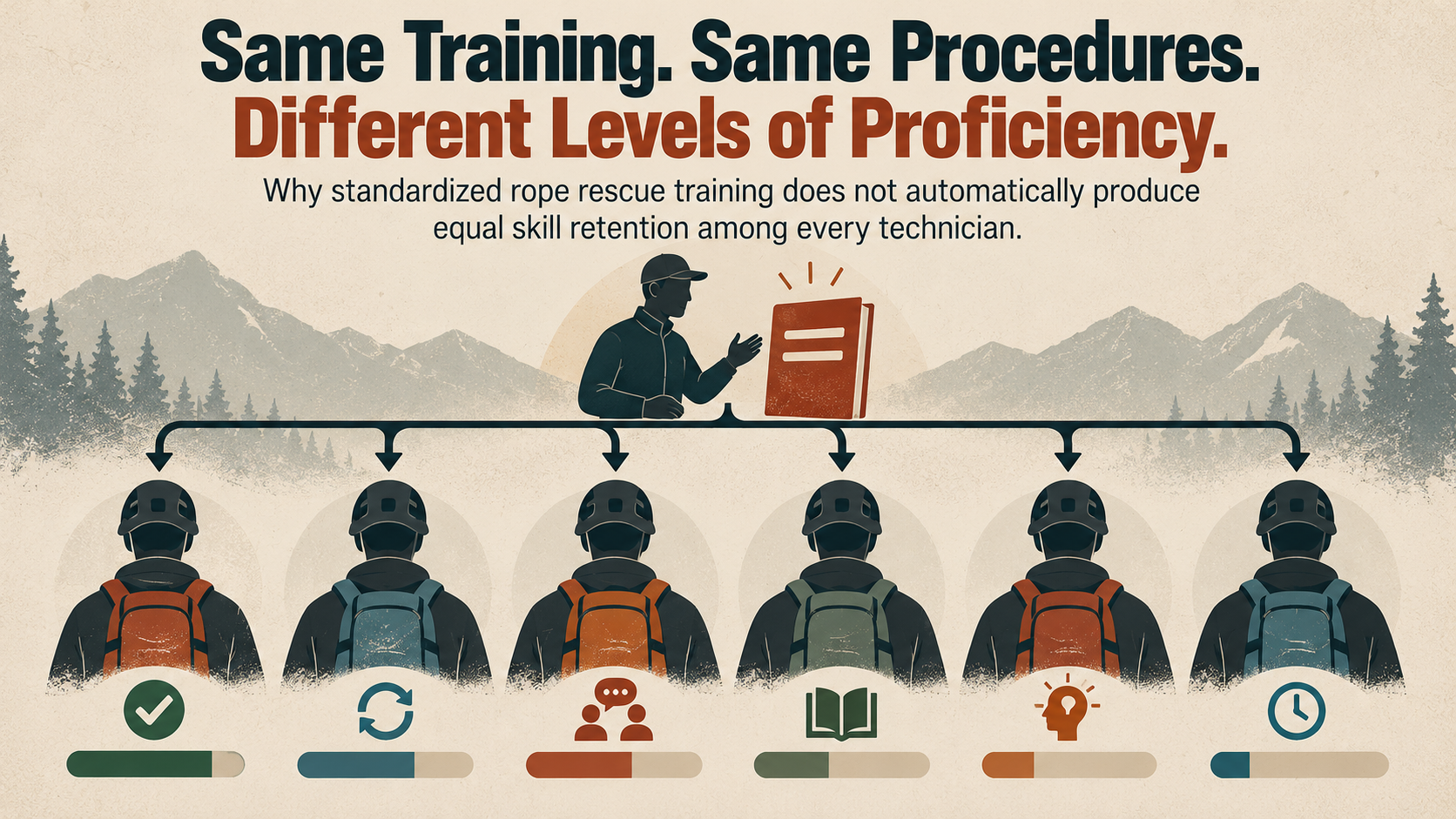
Same Training. Same Procedures. Different Levels of Proficiency. Why standardized rope rescue training establishes a common foundation, but maintaining individual proficiency requires continuing attention. One
The Illusion of Competence: When Rope Rescue Confidence Outruns Capability Why familiarity, experience, and certification do not always reveal what a rescue technician truly understands.